 EN
EN

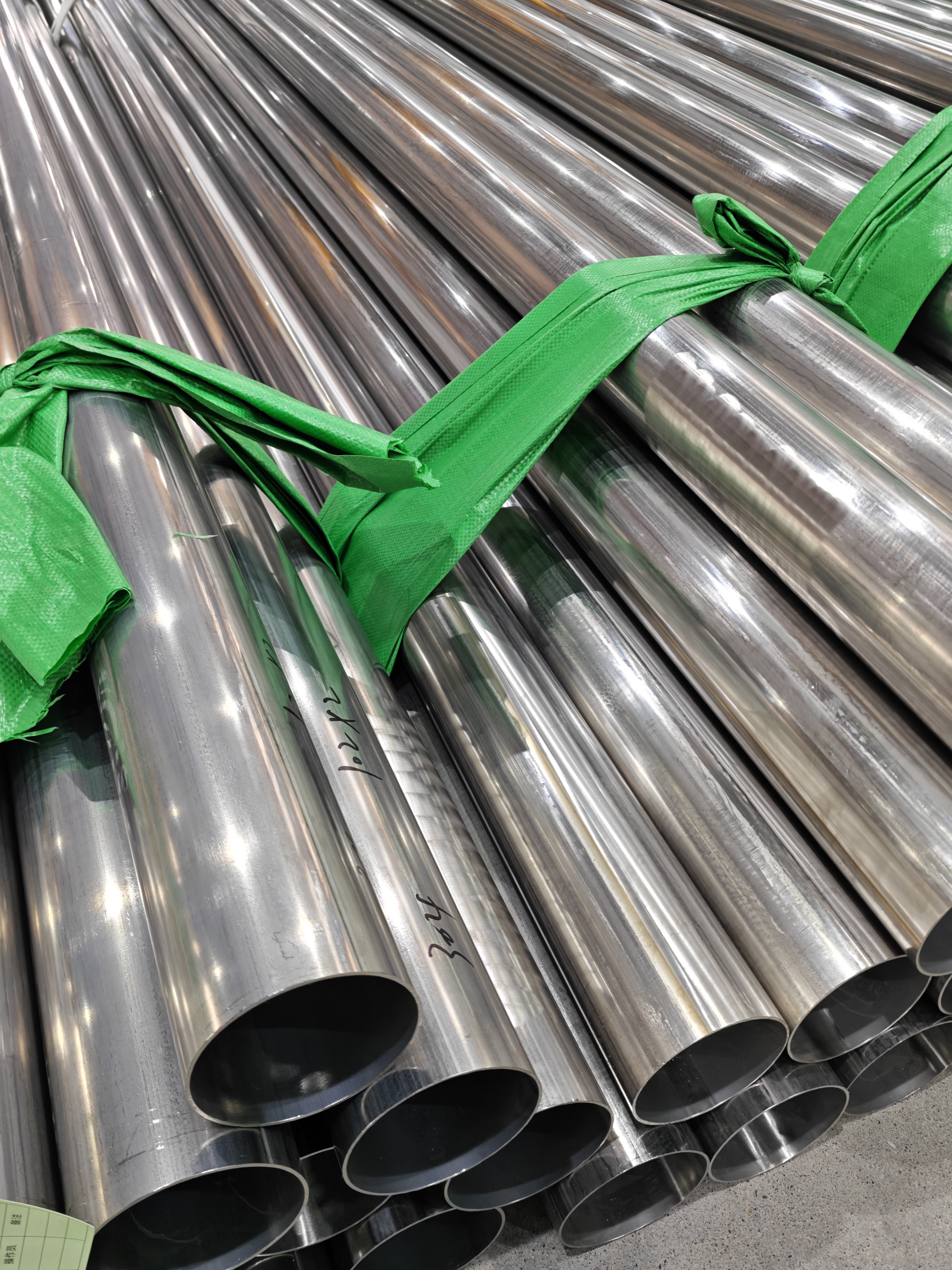
In the demanding world of oil and gas transport, infrastructure integrity determines operational success and safety. Large diameter seamless pipe represents a critical technological solution engineered to handle the extreme pressures, corrosive environments, and volumetric demands inherent in upstream and midstream operations. Unlike welded alternatives, seamless construction eliminates longitudinal seam weaknesses, creating a continuous metallurgical structure capable of withstanding pressures exceeding 10,000 psi while transporting crude oil, natural gas, and refined products across vast distances. This article explores the specific mechanisms through which large diameter seamless pipe supports oil and gas transport, examining material science principles, structural advantages, operational performance characteristics, and application-specific benefits that make this piping solution indispensable for energy infrastructure.
The transport of hydrocarbons from extraction points to processing facilities and distribution networks requires piping systems that combine structural reliability with long-term durability under hostile conditions. Large diameter seamless pipe addresses these requirements through manufacturing processes that produce uniform wall thickness, superior concentricity, and metallurgical homogeneity impossible to achieve with welded pipe. These characteristics translate directly into enhanced pressure containment, reduced failure risk, and extended service life in applications ranging from offshore platform risers to cross-country transmission pipelines. Understanding how seamless construction methods support transport efficiency requires examining the interplay between material properties, dimensional precision, and operational stress factors that define modern oil and gas infrastructure.
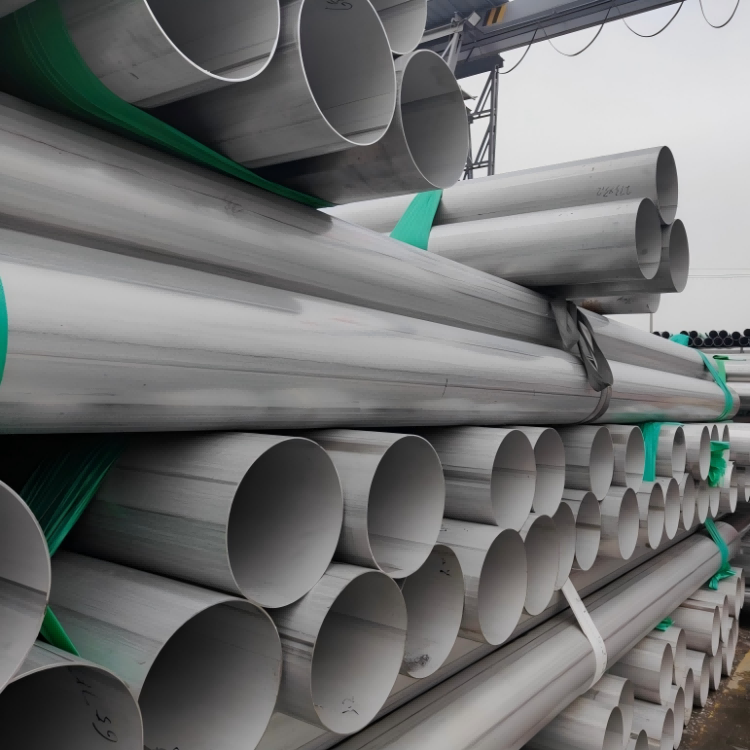
Structural Advantages of Seamless Construction in High-Pressure Transport
Elimination of Longitudinal Seam Vulnerabilities
The fundamental advantage of large diameter seamless pipe lies in its manufacturing process, which produces pipe bodies without longitudinal welds. Traditional welded pipe contains a heat-affected zone along the seam where thermal cycling during welding alters the base metal's microstructure, creating potential stress concentration points. Under cyclic pressure loading common in oil and gas transport, these seams become preferential crack initiation sites. Seamless pipe eliminates this vulnerability entirely, distributing hoop stress uniformly around the entire circumference. This structural advantage proves particularly critical in sour service environments where hydrogen sulfide exposure can cause hydrogen-induced cracking along weld seams.
In high-pressure transport applications where internal pressures routinely exceed 5,000 psi, the absence of longitudinal seams provides measurable safety margins. Finite element analysis demonstrates that seamless pipe can withstand pressure spikes 15-20% higher than equivalent-grade welded pipe before reaching yield stress. This pressure capacity advantage translates directly into operational flexibility, allowing operators to optimize flow rates during peak demand periods without compromising system integrity. For offshore production platforms where blowout prevention depends on absolute pipeline reliability, large diameter seamless pipe provides the structural assurance necessary for safe hydrocarbon transport from subsea wellheads to surface processing equipment.
Uniform Wall Thickness and Dimensional Consistency
Manufacturing processes for large diameter seamless pipe employ piercing and extrusion techniques that produce exceptional wall thickness uniformity, typically maintaining tolerances within 10-12.5% of nominal wall thickness. This consistency contrasts sharply with welded pipe, where plate edge preparation and welding procedures can create local wall thickness variations exceeding 15%. Uniform wall thickness eliminates thin-wall zones that would otherwise become stress concentration points under internal pressure. In oil and gas transport, where pressure surges from pump startups and valve operations create transient stress conditions, this uniformity provides critical protection against localized yielding and eventual rupture.
Dimensional consistency extends beyond wall thickness to include out-of-roundness specifications that directly impact pressure capacity. Large diameter seamless pipe maintains ovality typically below 1% of nominal diameter, ensuring that internal pressure generates primarily hoop stress rather than bending stress associated with elliptical cross-sections. This geometric precision becomes increasingly important as pipe diameter increases, since ovality effects scale quadratically with diameter. For 36-inch diameter transport lines operating at 1,500 psi, maintaining roundness within specification can increase fatigue life by 30-40% compared to pipes with excessive ovality, translating into decades of additional service in trunk line applications.
Material Performance Under Corrosive Transport Conditions
Resistance to Internal Corrosion Mechanisms
Oil and gas transport exposes piping to aggressive internal environments containing carbon dioxide, hydrogen sulfide, chlorides, and organic acids that drive multiple corrosion mechanisms. Large diameter seamless pipe fabricated from corrosion-resistant alloys provides enhanced protection against these threats through homogeneous metallurgical structures free from the compositional variations found in welded pipe heat-affected zones. In sweet gas service where carbon dioxide dissolution creates carbonic acid, seamless pipe maintains uniform surface passivation, preventing the localized pitting that initiates in weld zones where chromium depletion occurs during thermal cycling.
For sour service applications involving hydrogen sulfide concentrations above 50 ppm, large diameter seamless pipe offers critical resistance to sulfide stress cracking, a catastrophic failure mode that propagates rapidly once initiated. The seamless manufacturing process produces fine-grained microstructures with minimal segregation bands, reducing susceptibility to hydrogen embrittlement. Field studies comparing seamless and welded pipe performance in sour gas gathering systems demonstrate failure rates 60-70% lower for seamless pipe over 20-year service periods. This reliability advantage justifies the premium cost of seamless construction in applications where failure consequences include environmental contamination, production shutdowns, and personnel safety risks.
External Corrosion Protection and Coating Adhesion
The smooth, uniform surface finish characteristic of large diameter seamless pipe facilitates superior coating adhesion compared to welded pipe, where surface irregularities near seams create coating holidays that expose bare metal to soil-side corrosion. Seamless pipe surfaces typically exhibit roughness values below 6.3 micrometers Ra, providing ideal substrates for fusion-bonded epoxy and polyethylene coating systems. This surface quality enables coating systems to achieve bond strengths exceeding 2,000 psi, preventing cathodic disbondment that drives accelerated corrosion in buried pipeline applications.
In offshore transport applications where large diameter seamless pipe conveys production from subsea templates to floating production facilities, external seawater corrosion represents a constant threat. The combination of seamless construction with specialized corrosion-resistant alloys like superduplex stainless steel provides maintenance-free service for 25-30 years in seawater immersion. This durability eliminates the need for costly subsea coating repairs that require vessel mobilization and production interruptions. The economic value of this extended service life often justifies the initial cost premium of seamless pipe construction, particularly for deepwater developments where intervention costs exceed $500,000 per day.
Pressure Containment Capacity for High-Volume Transmission
Hoop Stress Management in Large Diameter Applications
The relationship between internal pressure, pipe diameter, and wall thickness follows the Barlow formula, which demonstrates that hoop stress increases linearly with diameter for constant pressure. Large diameter seamless pipe addresses this scaling challenge through precisely controlled wall thicknesses that maintain acceptable stress levels while minimizing material weight. For a 48-inch diameter transport line operating at 1,200 psi, seamless pipe with 0.750-inch wall thickness maintains hoop stress at approximately 38,400 psi, well below the 52,000 psi yield strength of API 5L X70 grade material, providing a safety factor of 1.35.
This pressure containment capability directly supports volumetric transport efficiency, since flow rate scales with the square of diameter. A 48-inch large diameter seamless pipe operating at design pressure can transport 400-500 million standard cubic feet of natural gas daily, equivalent to the output of a major gas field. The seamless construction ensures this transport occurs reliably without the pressure cycling limitations that plague welded pipe systems subject to seam fatigue. For operators managing baseload gas supply contracts with firm delivery obligations, the reliability of large diameter seamless pipe provides operational security that welded alternatives cannot match.
Fatigue Resistance Under Cyclic Loading
Oil and gas transport systems experience continuous pressure fluctuations from production variations, compressor cycling, and demand changes that impose fatigue loading on pipeline materials. Large diameter seamless pipe demonstrates superior fatigue performance compared to welded pipe due to the absence of stress concentration factors associated with weld geometry. Fatigue testing following ASTM E466 protocols shows that seamless pipe endures 50-100% more pressure cycles to failure initiation compared to welded pipe at equivalent stress ranges, a critical advantage for gathering systems that experience multiple daily pressure swings.
The metallurgical homogeneity of large diameter seamless pipe contributes to predictable fatigue behavior that enables accurate remaining life assessments using fitness-for-service methodologies. Unlike welded pipe where weld quality variations create uncertainty in fatigue modeling, seamless pipe exhibits consistent crack propagation rates that allow operators to optimize inspection intervals and extend service life through informed risk management. For mature oil fields where production equipment operates beyond original design life, this predictability supports economically justified life extension projects rather than premature replacement, preserving capital for field development activities.
Installation and Operational Efficiency Benefits
Reduced Field Welding Requirements
Large diameter seamless pipe is manufactured in lengths up to 40 feet, significantly longer than the typical 20-foot sections of welded pipe available in comparable diameters. This extended length reduces the number of field welds required per mile of pipeline by approximately 50%, directly decreasing installation time and quality assurance costs. Each eliminated field weld represents avoided risks of welding defects, hydrogen cracking, and radiographic inspection failures that can delay project completion. For remote pipeline construction in arctic or desert environments where weather windows constrain construction schedules, the efficiency advantage of fewer field welds often determines project viability.
The reduction in field welds also decreases long-term maintenance requirements, since girth welds represent the highest-probability failure points in pipeline systems. Studies of pipeline integrity management data show that 60-70% of pipeline failures originate at or near girth welds rather than in pipe body material. By reducing field weld count, large diameter seamless pipe construction lowers the total number of potential failure initiation sites, improving overall system reliability. This benefit compounds over multi-decade service lives, as each avoided weld represents eliminated inspection costs, reduced pigging frequency requirements, and lower probability of unplanned shutdowns for repair.
Simplified Quality Assurance and Testing
The manufacturing quality control protocols for large diameter seamless pipe include 100% ultrasonic testing, hydrostatic proof testing to 95% of specified minimum yield strength, and dimensional verification that ensures every pipe section meets specification before shipment. This mill-based quality assurance provides receiving assurance that field-based inspection cannot replicate for welded pipe fabrication. The elimination of longitudinal seam inspection requirements reduces field quality control workload by 30-40%, allowing inspection resources to focus on girth weld quality verification.
For projects subject to regulatory oversight under pipeline safety regulations, the simplified quality documentation associated with large diameter seamless pipe accelerates permit approval and reduces compliance risk. Regulators recognize that seamless construction eliminates an entire category of potential defects, streamlining technical review processes. This regulatory efficiency advantage proves particularly valuable for cross-border pipeline projects where multiple jurisdictions impose overlapping inspection requirements. The ability to demonstrate manufacturing quality through mill test reports rather than extensive field inspection records reduces documentation burden while maintaining safety assurance.
Application-Specific Performance in Critical Transport Scenarios
Offshore Production Riser Systems
In offshore oil and gas production, large diameter seamless pipe serves as the critical connection between subsea wells and surface facilities, functioning as production risers that must withstand combined internal pressure, external hydrostatic pressure, and dynamic loading from vessel motion. The seamless construction provides the structural integrity necessary to handle these complex loading conditions without failure risk from seam defects. For deepwater developments in 5,000-7,000 foot water depths, riser systems fabricated from large diameter seamless pipe in super 13% chrome or duplex stainless steel grades deliver 25-year service life without requiring mid-life replacement.
The fatigue resistance of large diameter seamless pipe proves essential in riser applications where vessel heave induces cyclic bending stress superimposed on internal pressure stress. Wave action in harsh environments like the North Sea or Gulf of Mexico subjects risers to millions of stress cycles annually. Fatigue analysis using S-N curves specific to seamless pipe demonstrates adequate fatigue life for 30-year design lives, whereas welded pipe in identical service would require mid-life replacement due to seam fatigue accumulation. This durability advantage translates into avoided production downtime and elimination of costly riser replacement operations that can exceed $50 million per event for deepwater installations.
High-Pressure Gas Injection Systems
Enhanced oil recovery operations employ gas injection to maintain reservoir pressure and improve ultimate recovery factors. These systems require large diameter seamless pipe capable of handling injection pressures ranging from 3,000 to 6,000 psi while transporting natural gas, carbon dioxide, or nitrogen from compression facilities to injection wells. The pressure capacity and corrosion resistance of seamless construction proves essential in these applications, particularly for carbon dioxide injection where supercritical fluid conditions create aggressive corrosion environments that rapidly degrade welded pipe through seam-preferential attack.
The reliability of large diameter seamless pipe in injection service directly impacts project economics, since injection system downtime interrupts oil production and reduces net present value of recovery projects. Field performance data from major enhanced recovery projects demonstrates availability factors above 98% for injection systems constructed with seamless pipe, compared to 92-95% for welded pipe systems that experience higher failure rates requiring repair shutdowns. This availability advantage generates millions of dollars in additional revenue over project lifecycles spanning 20-30 years, easily justifying the incremental cost of seamless construction relative to welded alternatives.
FAQ
What pressure ratings can large diameter seamless pipe achieve in oil and gas transport?
Large diameter seamless pipe achieves pressure ratings from 1,500 psi for low-pressure gathering systems up to 10,000 psi for high-pressure transmission and injection applications, depending on material grade and wall thickness. The seamless construction enables these high ratings by eliminating seam stress concentration factors that limit welded pipe capacity. Specific pressure ratings are calculated using the Barlow formula incorporating material yield strength, diameter, wall thickness, and applicable safety factors defined by pipeline design codes.
How does large diameter seamless pipe compare in cost to welded pipe alternatives?
Large diameter seamless pipe typically costs 20-40% more per ton than equivalent welded pipe due to more complex manufacturing processes and higher material utilization. However, lifecycle cost analysis often favors seamless pipe when factoring reduced field welding requirements, lower inspection costs, extended service life, and higher reliability that minimizes unplanned maintenance. For critical applications like offshore risers or sour gas service where failure consequences are severe, the reliability premium of seamless construction provides positive return on investment through avoided downtime and safety incident prevention.
What diameter range is considered large diameter for seamless pipe in oil and gas applications?
In oil and gas transport contexts, large diameter seamless pipe generally refers to outside diameters from 16 inches to 48 inches, with 24-inch to 36-inch sizes being most common for trunk transmission lines and gathering systems. Manufacturing limitations for seamless processes currently restrict maximum diameters to approximately 48 inches, beyond which welded pipe construction becomes necessary. Within this range, seamless pipe provides optimal combinations of pressure capacity, volumetric flow capability, and structural reliability for midstream infrastructure applications.
Can large diameter seamless pipe be used in both sweet and sour gas service?
Large diameter seamless pipe is suitable for both sweet and sour gas service when fabricated from appropriate material grades meeting NACE MR0175 requirements for sour environments. The seamless construction provides inherent advantages in sour service by eliminating longitudinal seams where sulfide stress cracking preferentially initiates. For hydrogen sulfide concentrations above 100 ppm, seamless pipe fabricated from modified grades with controlled hardness and inclusion content delivers superior resistance to cracking compared to welded alternatives, making it the preferred choice for high-consequence sour gas transport applications.
Table of Contents
- Structural Advantages of Seamless Construction in High-Pressure Transport
- Material Performance Under Corrosive Transport Conditions
- Pressure Containment Capacity for High-Volume Transmission
- Installation and Operational Efficiency Benefits
- Application-Specific Performance in Critical Transport Scenarios
-
FAQ
- What pressure ratings can large diameter seamless pipe achieve in oil and gas transport?
- How does large diameter seamless pipe compare in cost to welded pipe alternatives?
- What diameter range is considered large diameter for seamless pipe in oil and gas applications?
- Can large diameter seamless pipe be used in both sweet and sour gas service?