pengelasan pipa boiler
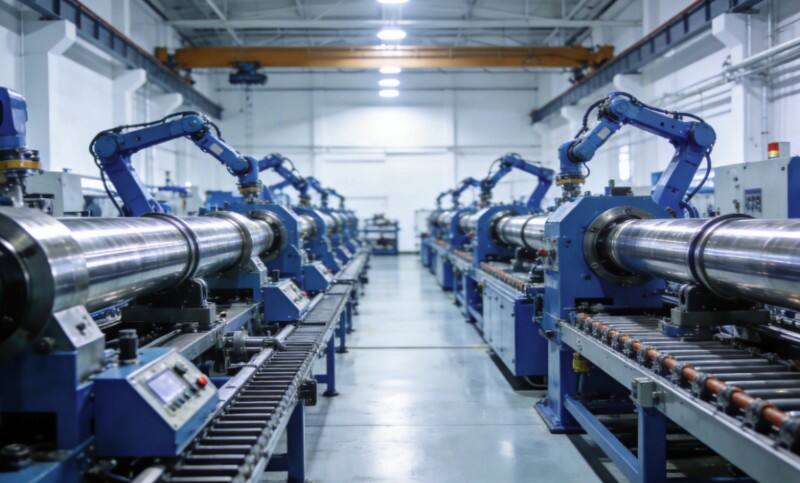
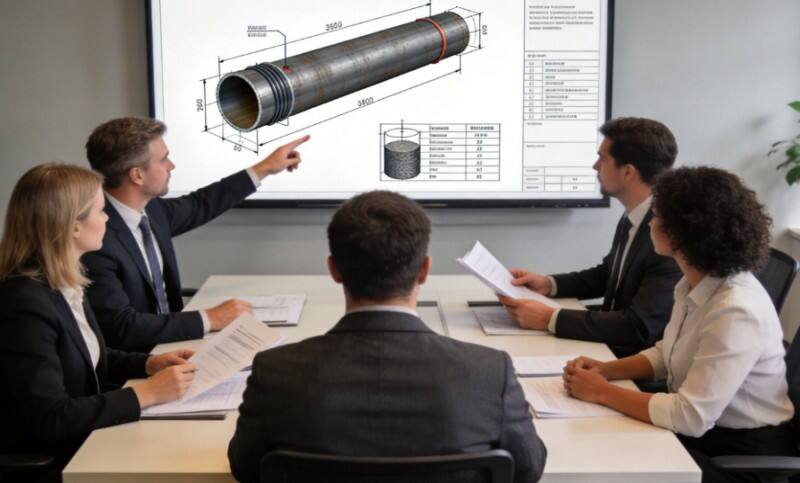
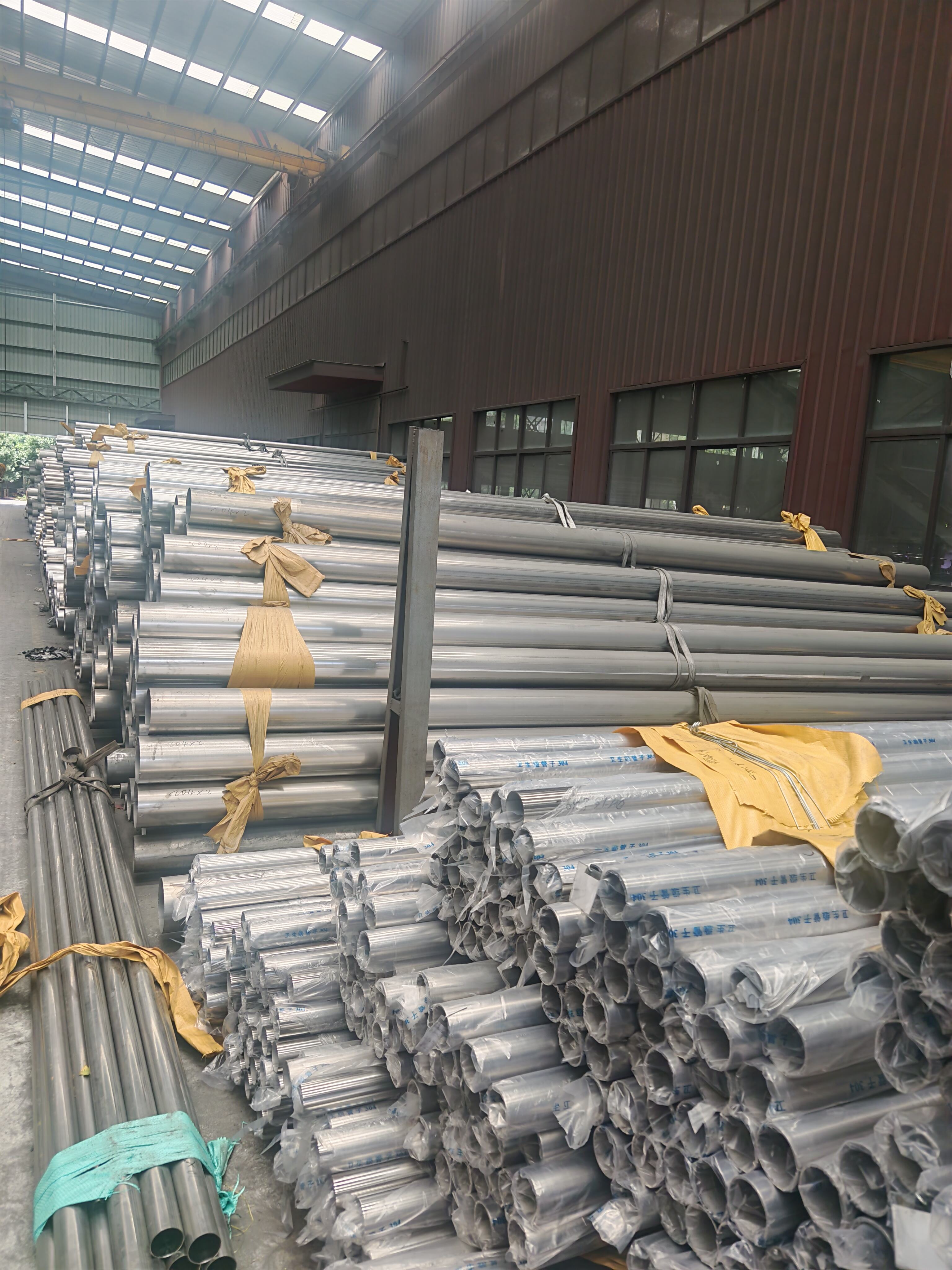
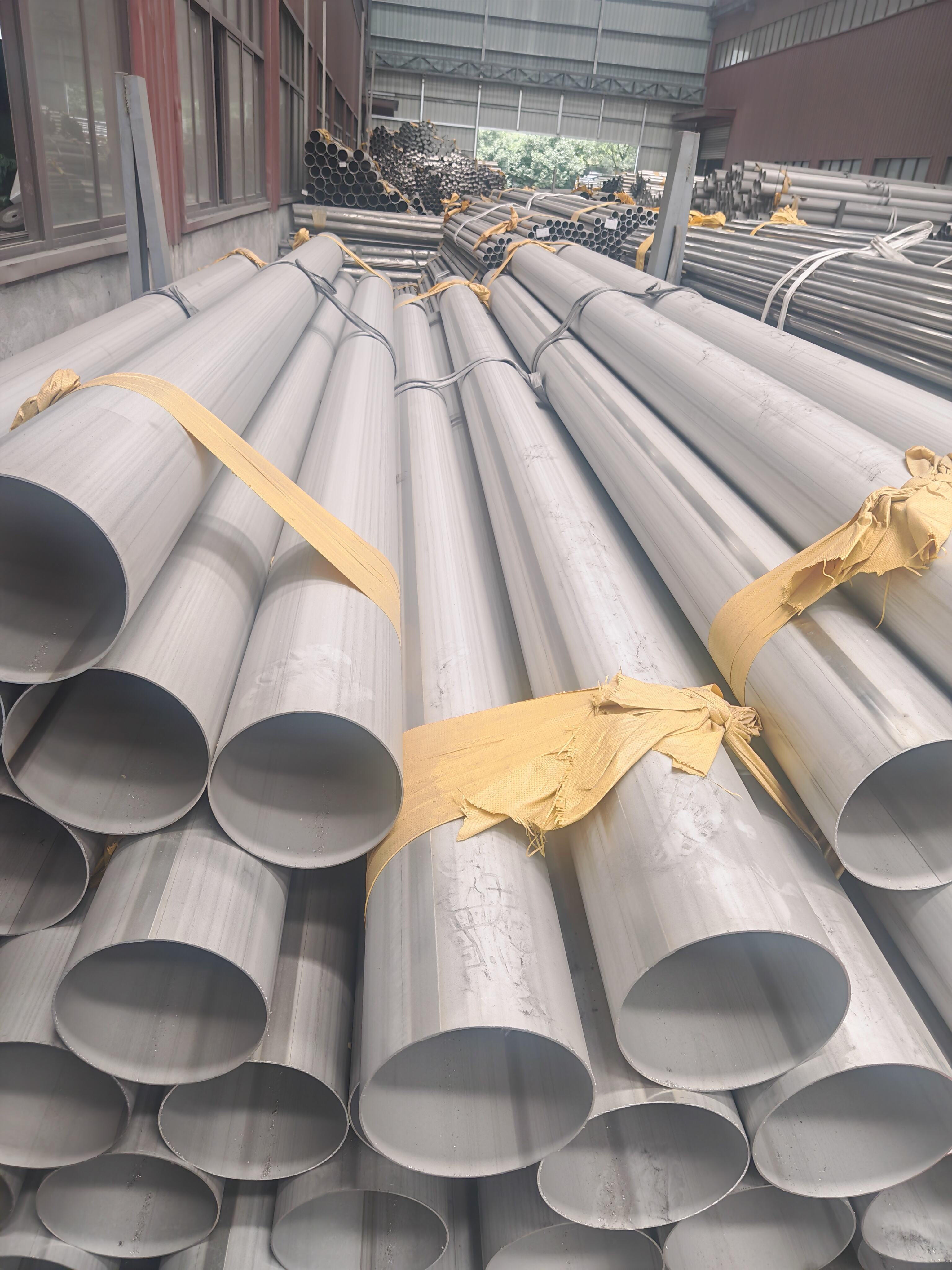
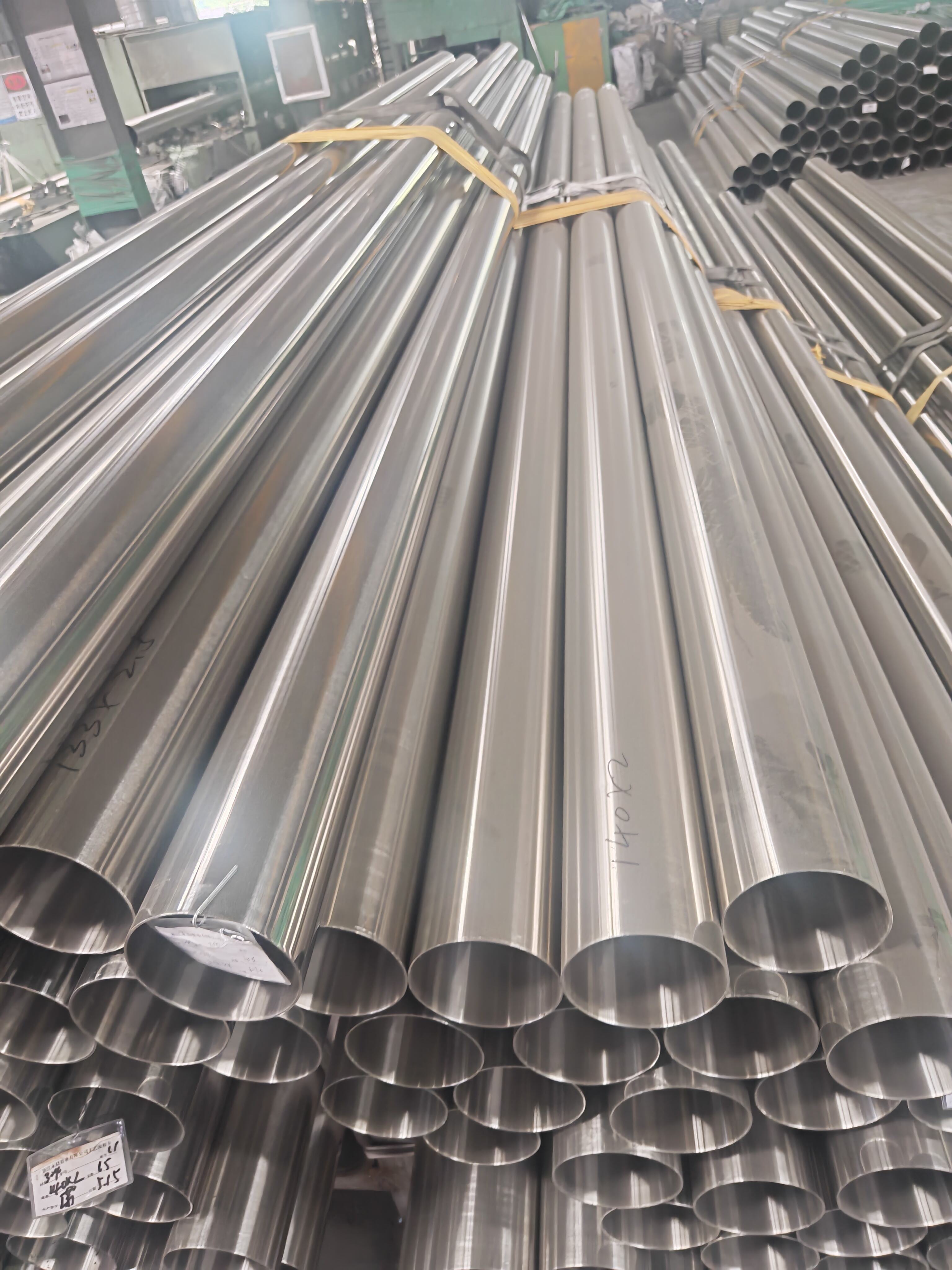
Pengelasan pipa boiler merupakan proses manufaktur kritis yang menyambungkan pipa dan komponen di dalam sistem boiler melalui teknik fusi canggih. Metode pengelasan khusus ini menghasilkan sambungan permanen yang bebas kebocoran, yang sangat penting untuk aplikasi pembangkitan uap bertekanan tinggi dan perpindahan panas. Fungsi utama pengelasan pipa boiler adalah membentuk sambungan kokoh yang mampu menahan suhu ekstrem, perbedaan tekanan, serta kondisi siklus termal yang umum ditemukan di fasilitas pembangkit listrik, pabrik industri, dan sistem pemanas. Pengelasan pipa boiler modern memanfaatkan teknologi canggih, antara lain pengelasan gas inert tungsten (TIG), pengelasan busur logam terlindung (SMAW), dan pengelasan busur inti fluks (FCAW). Teknik-teknik ini menjamin pengendalian penetrasi yang presisi, zona terpengaruh panas yang minimal, serta sifat metalurgi unggul pada hasil las akhir. Fitur teknologinya mencakup sistem posisioning otomatis, sensor pemantauan waktu nyata, dan pengendalian parameter berbasis komputer yang menjamin konsistensi kualitas di seluruh sambungan. Protokol pemanasan awal (pre-heating), prosedur perlakuan panas pasca-las (post-weld heat treatment), serta metode pengujian tanpa merusak (non-destructive testing) merupakan komponen integral dari proses pengelasan pipa boiler secara komprehensif. Aplikasinya mencakup berbagai sektor, termasuk pembangkit listrik—di mana turbin uap memerlukan jaringan perpipaan yang andal, fasilitas petrokimia yang menuntut sambungan tahan korosi, serta gedung komersial yang membutuhkan sistem distribusi pemanas efisien. Industri manufaktur memanfaatkan pengelasan pipa boiler untuk aplikasi uap proses, sedangkan kapal laut bergantung pada teknik-teknik ini untuk sistem propulsi dan sistem bantu. Keluwesan metode ini juga mencakup instalasi energi terbarukan, di mana pabrik biomassa dan pabrik konversi sampah menjadi energi memerlukan solusi perpipaan khusus. Protokol jaminan kualitas menjamin kepatuhan terhadap standar internasional seperti kode ASME, AWS, dan EN, sehingga memberikan jaminan keandalan dan kinerja bersertifikat kepada pelanggan sesuai dengan persyaratan keselamatan yang ketat.

 EN
EN