אפשרויות ייצור רב-תכלית ופתרונות מותאמים
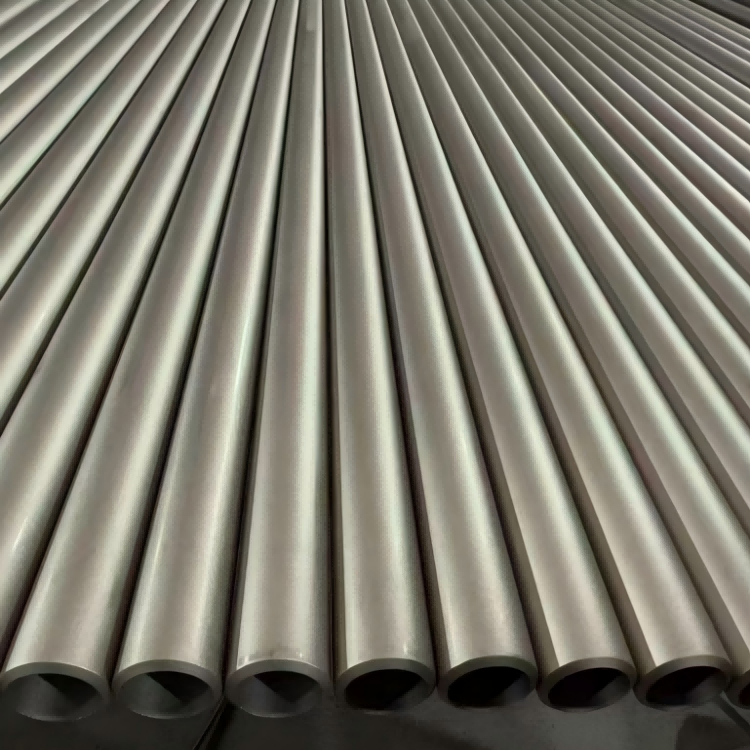
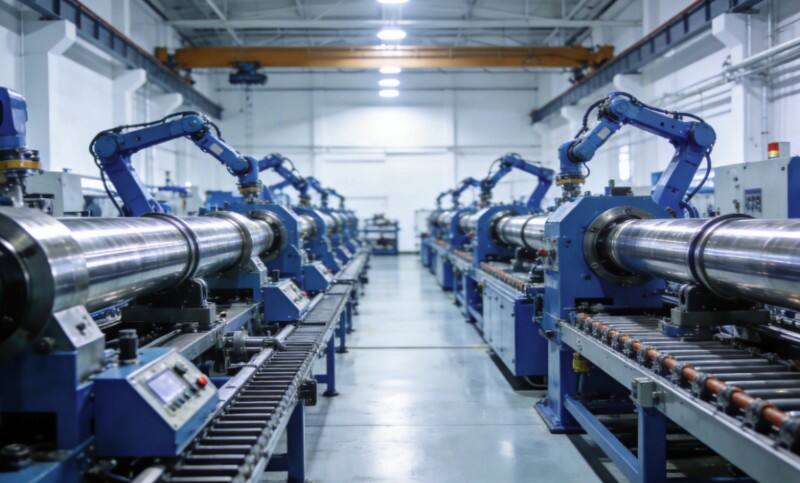
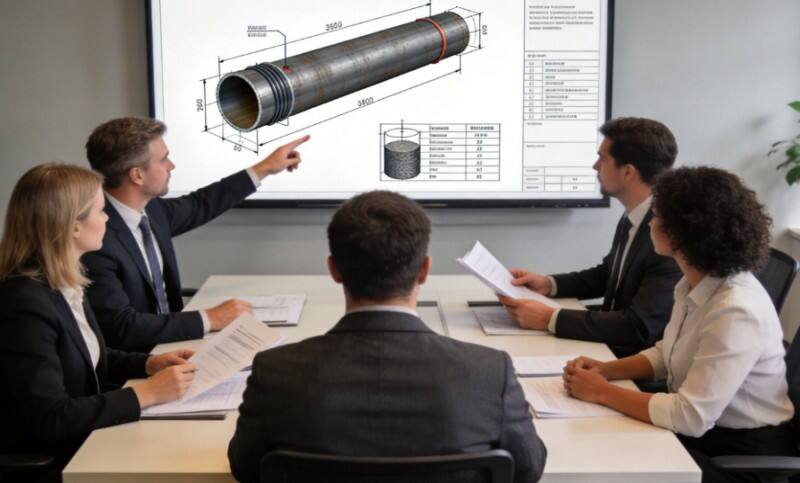
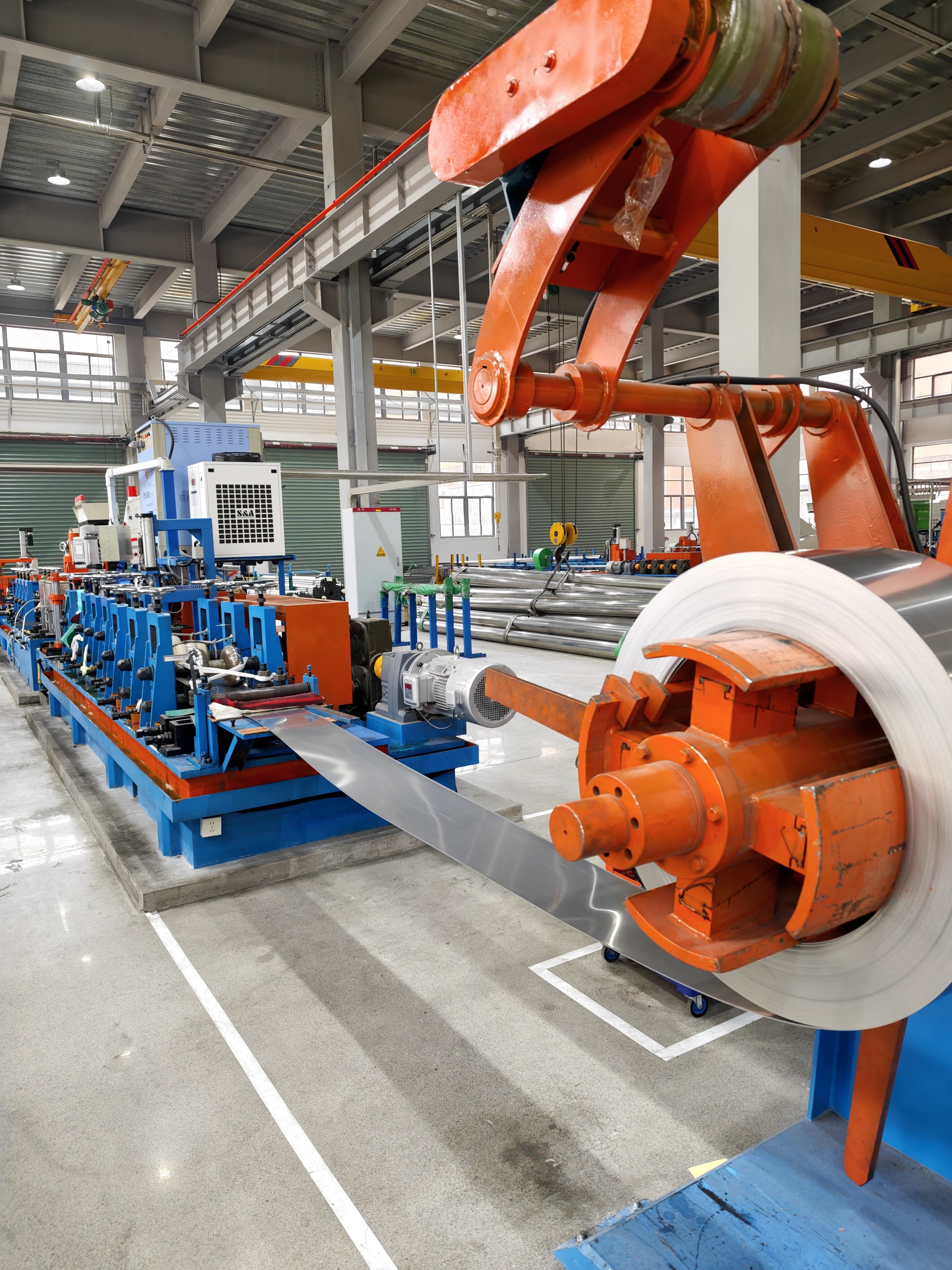
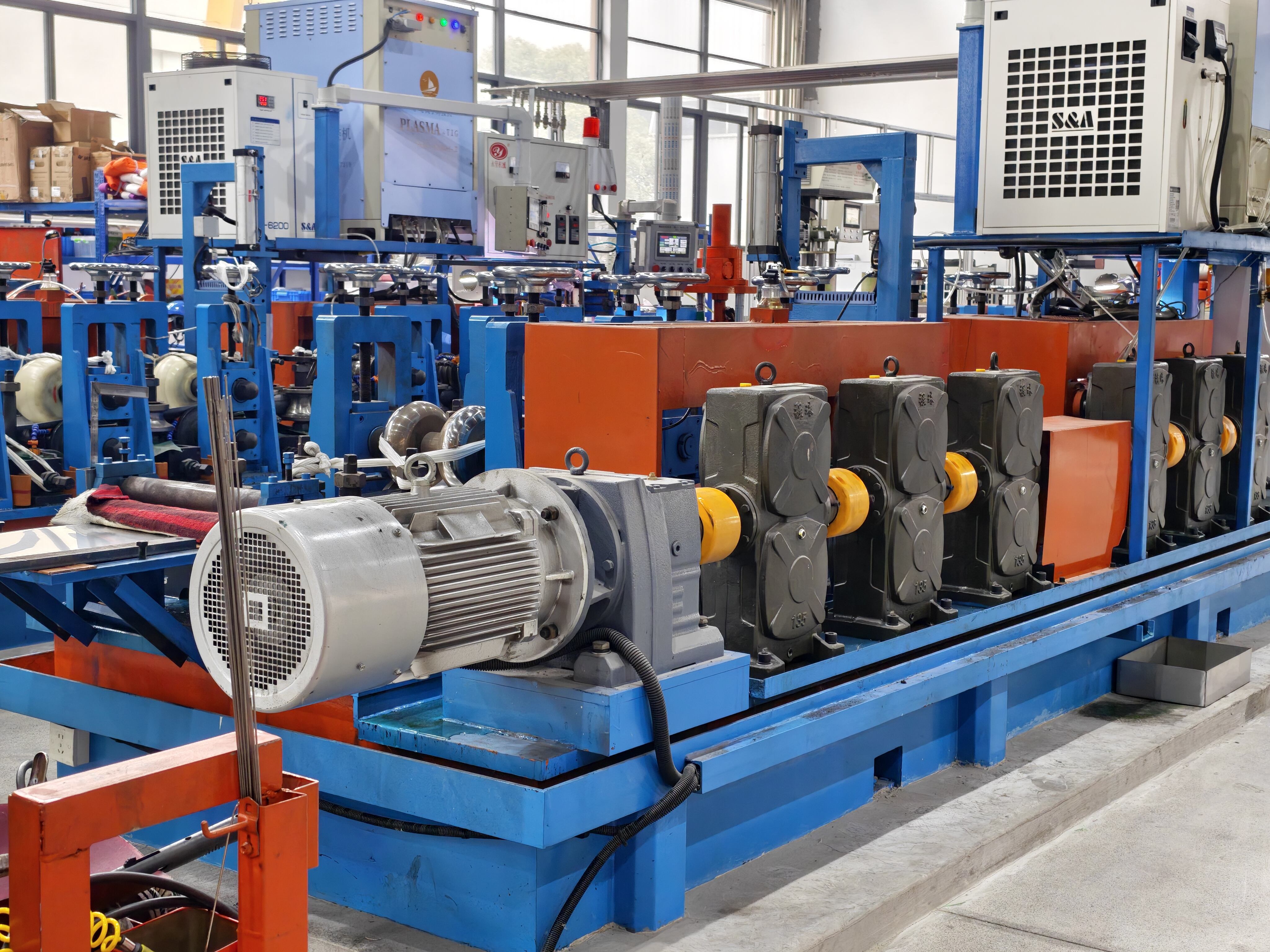
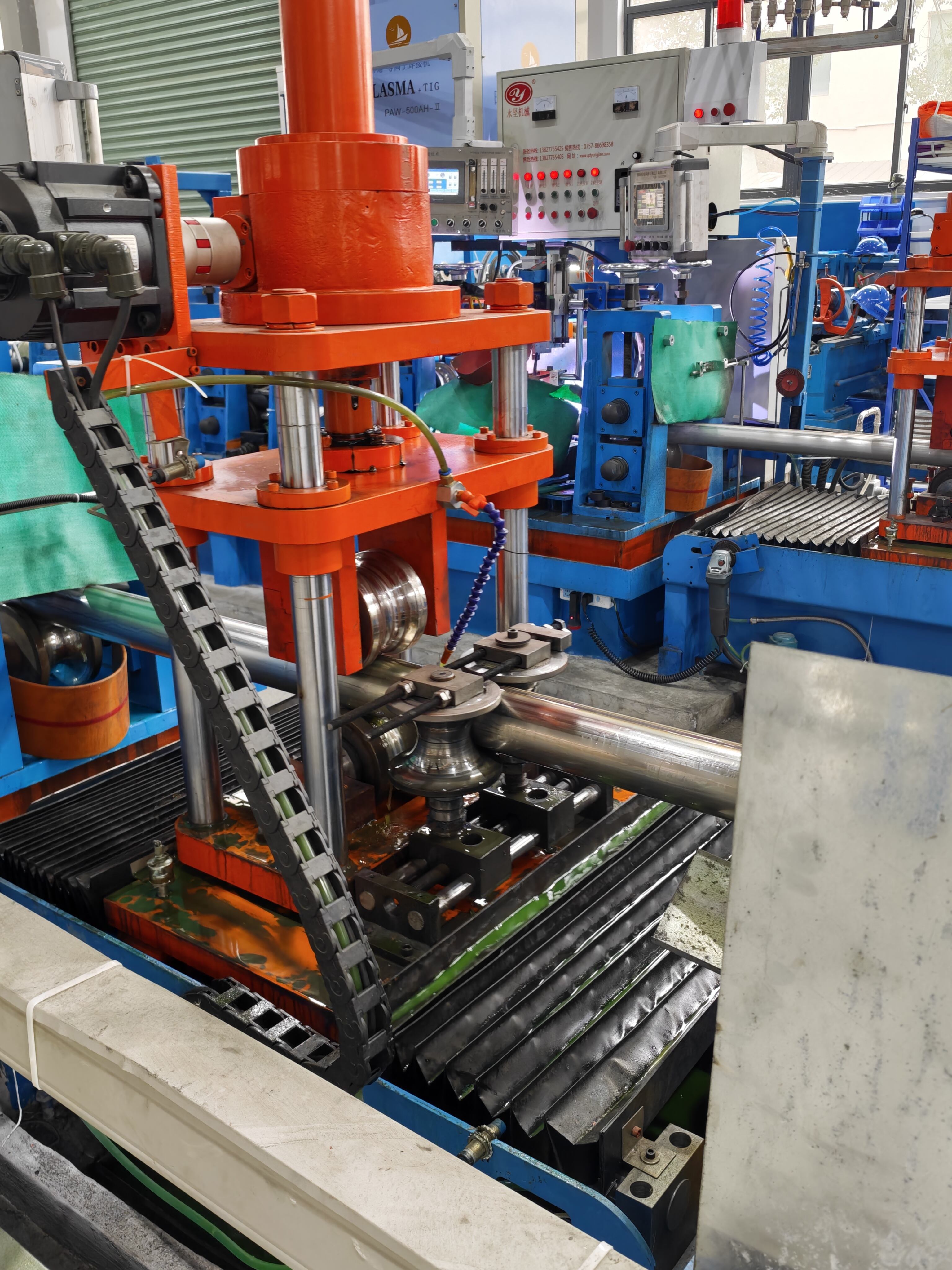
יכולות ייצור של צינורות חסרי מפרקים בעלי קיר דקיק מספקות גמישות ללא תקדים בהיענות לדרישות הלקוחות המגוונות באמצעות مواصفות ניתנות להתאמה, דרגות מיוחדות ותכונות מכניות מותאמות. מתקני הייצור המתקדמים מסוגלים לייצר צינורות חסרי מפרקים בעלי קיר דקיק בקטרים שמתפשטים מצינורות בעלי קוטר קטן ועד לצינורות בעלי קוטר גדול העולה על 24 אינץ', כדי לספק יישומים החל מהתקנים מדויקים ועד פרויקטים גדולים של צינורות. תהליך הייצור מאפשר בקרה מדויקת על עובי הקיר, מה שמאפשר ללקוחות לציין ממדים מדויקים שמממזים את הביצועים תוך מינימיזציה של עלויות החומר והשקול. אפשרויות טיפול حراري לצינורות חסרי מפרקים בעלי קיר דקיק כוללות נורמליזציה, אנילינג, קווינצ'ינג וטמפרטורה, שניתן להתאים כדי להשיג תכונות מכניות ספציפיות הנדרשות ליישומים מסוימים. הגמישות הזו בטיפול الحراري מאפשרת ייצור צינורות בעלי עמידות משופרת לשירות בטמפרטורות נמוכות, חוזק משופר ליישומים בלחצים גבוהים או דוקטיליות מותאמת לפעולת צורה. צינורות חסרי מפרקים בעלי קיר דקיק יכולים ליוצר מטווח רחב של חומרים, כולל פלדת פחמן, פלדות מלוות, פלדות נירוסטה ואLOYות יקרות כמו אינקונל והסטלוי, כדי להבטיח תאימות כמעט עם כל נוזל תהליך או סביבת פעולה. אפשרויות גימור פני השטח לצינורות חסרי מפרקים בעלי קיר דקיק משתרעות מגימור מפעל סטנדרטי ועד לגימור פנימי מדויק שמביא למקסימום את אובדן החיכוך ומונע הצטברות חלקיקים ביישומים רגישים. הכנות קצות מותאמות, כולל חיתוך בזווית, חריטה ותצורות חריצים מיוחדים, יכולות להתבצע במהלך הייצור, מה שמצריך פחות זמן התקנה ומבטיח התאמה מושלמת עם רכיבי המערכת. חבילות מסמכים איכותיות לצינורות חסרי מפרקים בעלי קיר דקיק ניתנות להתאמה כדי לענות על דרישות הלקוחות הספציפיות, כולל אישורים לבדיקת החומר, דוחות ממדיים ומסמכים להזדהות מלאה שמקיימים את דרישות ההתאמה التنظימית. הגמישות בייצור מתפשטת גם לאריזה ולהסדרי משלוח, כאשר צינורות חסרי מפרקים בעלי קיר דקיק זמינים באורכים סטנדרטיים או בחתכים מותאמים שמצריכים פחות בזבוז ופוחתים את דרישות הטיפול באתר ההתקנה. שירותים טכניים לתמיכה שמתלווים להזמנות צינורות חסרי מפרקים בעלי קיר דקיק כוללים סיוע בהנדסת יישומים, הדרכה לבחירת החומר והמלצות להתקנה שמעודדים את הלקוחות לאופטימיזציה של ביצועי המערכת ואמינותה.


 EN
EN