High-Quality Longitudinal Weld Boiler Tubes - Superior Performance and Cost-Effective Solutions

All Categories

Get a Free Quote

Our representative will contact you soon.
Email
Mobile/WhatsApp
Name
Company Name
Message
0/1000

longitudinal weld boiler tube

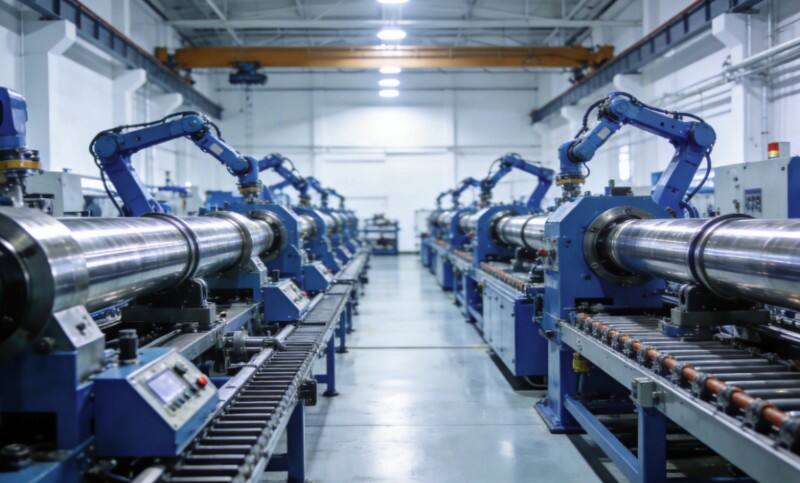
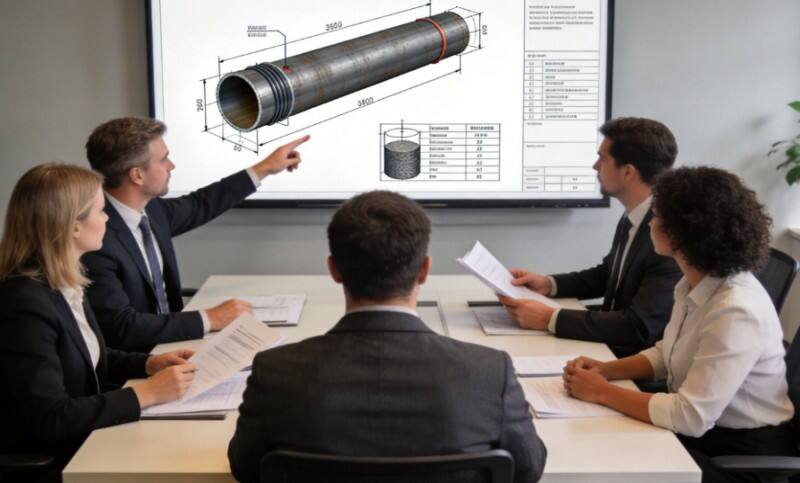
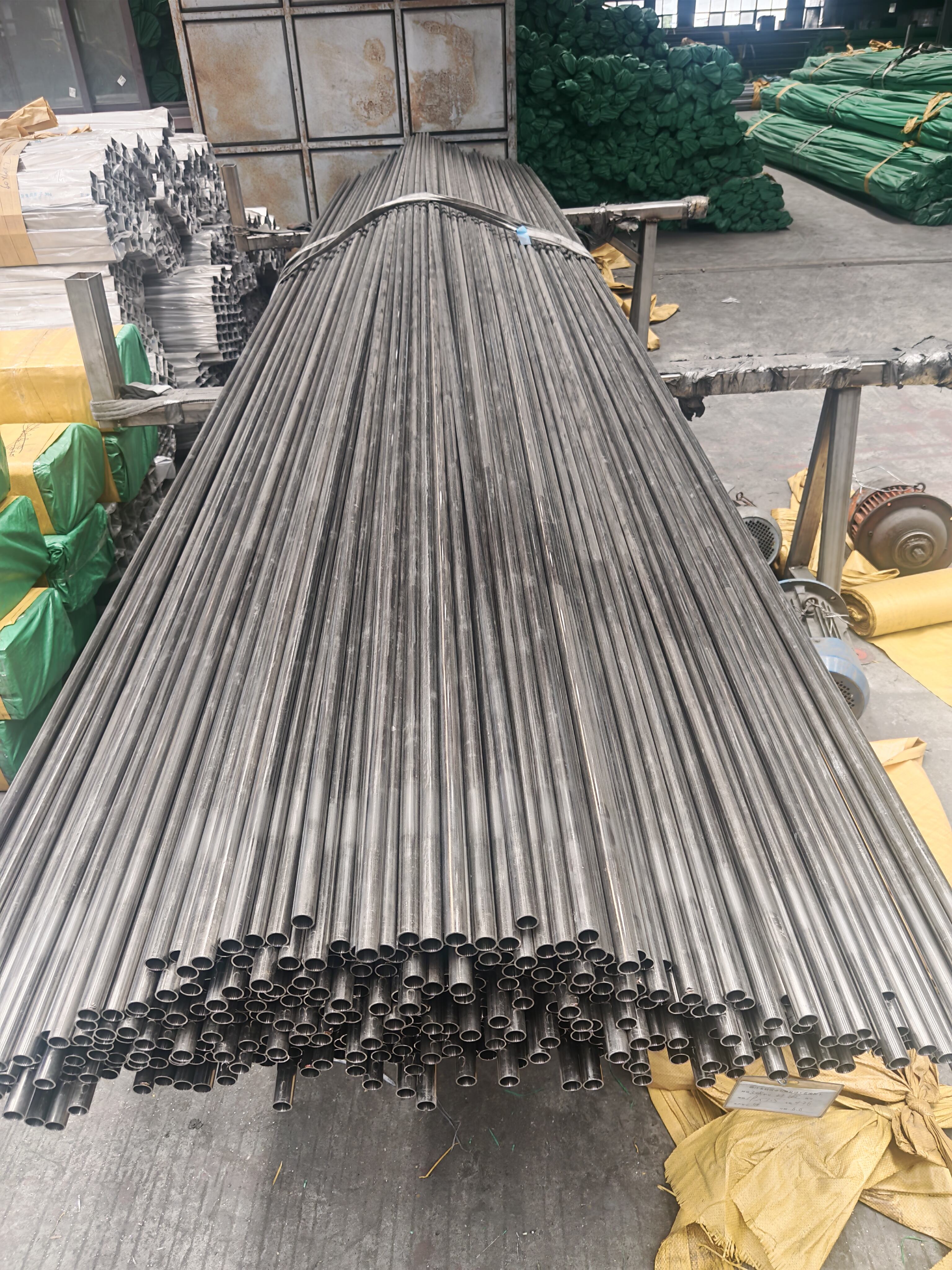
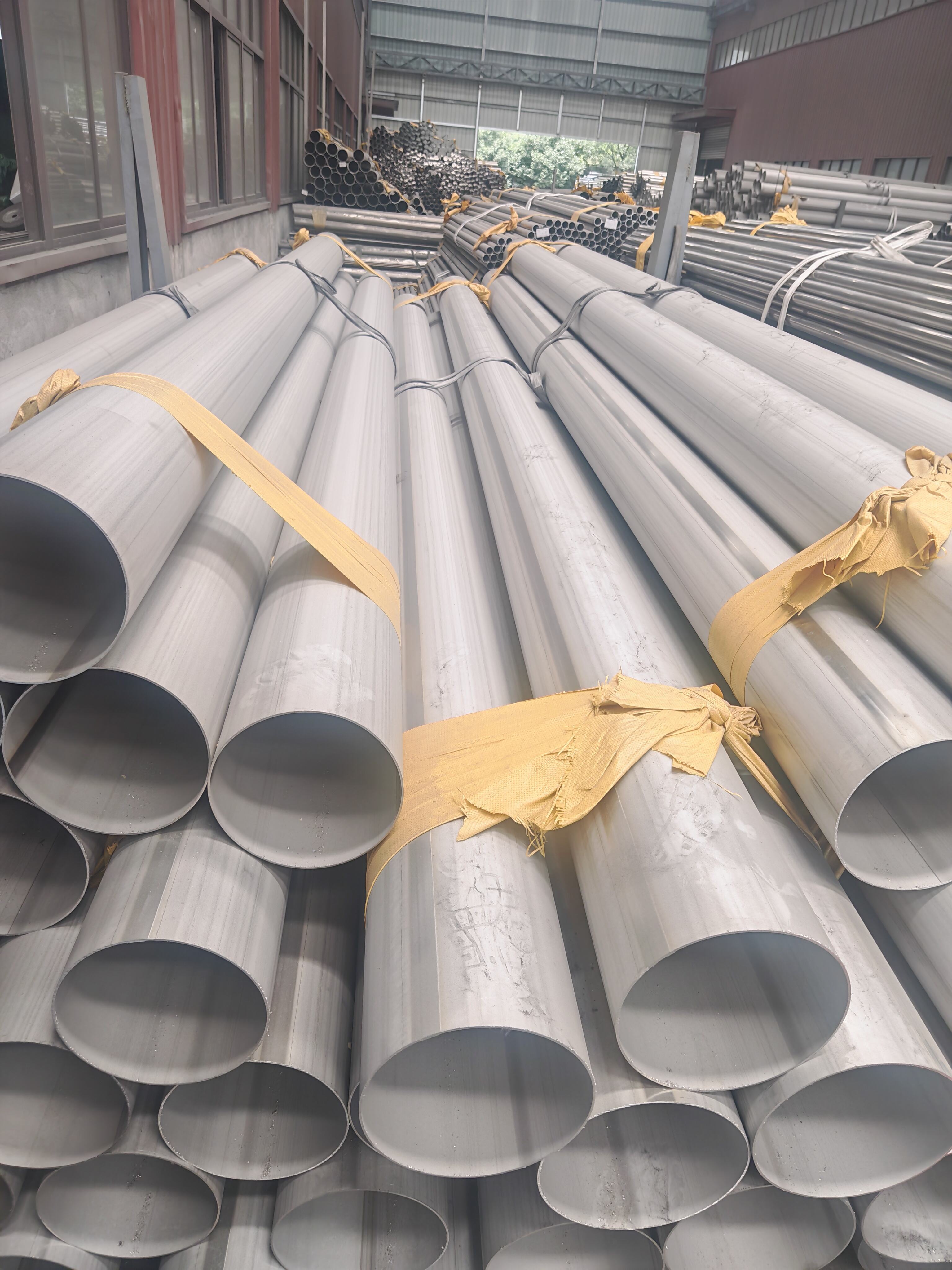
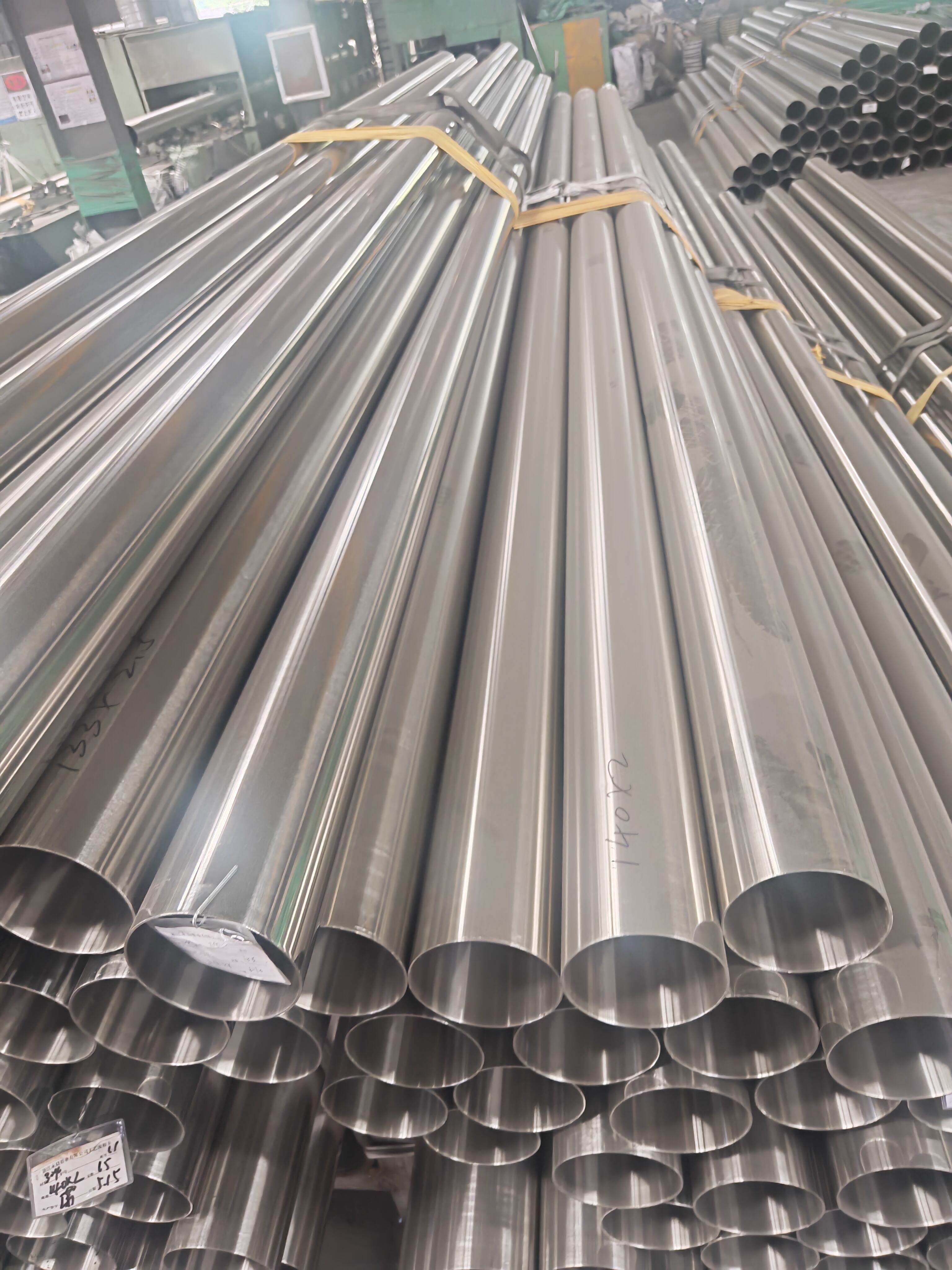
The longitudinal weld boiler tube represents a critical component in modern steam generation systems, engineered to withstand extreme thermal and pressure conditions while maintaining optimal heat transfer efficiency. These specialized tubes are manufactured through a precise welding process where steel strips are formed into cylindrical shapes and joined along their length using advanced welding techniques. The longitudinal weld boiler tube serves as the primary heat exchange medium in various boiler configurations, facilitating the conversion of water into steam through controlled thermal energy transfer. The manufacturing process begins with high-quality steel strips that undergo careful preparation, including surface cleaning and edge conditioning. The strips are then formed into tube shapes using specialized rolling equipment, and the longitudinal seam is welded using either electric resistance welding or submerged arc welding methods. This construction method allows for precise control over tube dimensions and wall thickness, ensuring consistent performance across different operating conditions. The technological features of longitudinal weld boiler tubes include superior mechanical properties, excellent corrosion resistance, and uniform heat distribution characteristics. These tubes are designed to handle high-pressure steam applications, typically operating under pressures ranging from 150 to 3000 PSI, depending on the specific boiler design requirements. The welding technology employed ensures a seamless joint that maintains structural integrity throughout the tube's operational lifespan. Applications for longitudinal weld boiler tubes span across multiple industries, including power generation facilities, petrochemical plants, manufacturing operations, and commercial heating systems. In power plants, these tubes form the backbone of steam boilers that generate electricity through turbine-driven generators. Chemical processing facilities utilize these tubes in various heating applications where precise temperature control is essential for product quality and safety. The versatility of longitudinal weld boiler tube construction makes them suitable for both water-tube and fire-tube boiler designs, providing engineers with flexible options for system optimization and performance enhancement.

Popular Products

Longitudinal weld boiler tubes offer numerous practical benefits that make them the preferred choice for demanding industrial applications. The manufacturing process provides exceptional cost-effectiveness compared to seamless tube alternatives, enabling facility operators to achieve significant savings on initial equipment investments without compromising performance standards. This economic advantage stems from the efficient production methods that minimize material waste and reduce manufacturing time, translating directly into lower procurement costs for end users. The welding technology used in longitudinal weld boiler tube construction creates joints with mechanical properties that match or exceed those of the base material, ensuring reliable performance under extreme operating conditions. The precision welding process eliminates weak points that could lead to premature failure, providing operators with confidence in system reliability and reduced maintenance requirements. Installation flexibility represents another key advantage, as these tubes can be manufactured in various lengths and diameters to meet specific project requirements. This customization capability allows engineers to optimize boiler designs for maximum efficiency while accommodating space constraints and operational parameters. The uniform wall thickness achieved through controlled manufacturing processes ensures consistent heat transfer rates across the entire tube surface, improving overall system efficiency and reducing fuel consumption costs. Quality control measures implemented during production include rigorous testing procedures that verify dimensional accuracy, weld integrity, and material properties. Each longitudinal weld boiler tube undergoes comprehensive inspection using advanced non-destructive testing methods, including ultrasonic examination and radiographic testing, ensuring that only products meeting strict quality standards reach customers. The surface finish quality of these tubes promotes excellent scale resistance and facilitates easier cleaning procedures, reducing maintenance downtime and extending operational lifespan. Thermal expansion characteristics are carefully engineered to minimize stress concentrations during temperature cycling, preventing premature fatigue failures and ensuring long-term reliability. The compatibility with various water treatment systems makes longitudinal weld boiler tubes suitable for diverse water quality conditions, reducing the need for extensive pre-treatment equipment and associated operational costs. These tubes demonstrate excellent performance in both high-temperature and moderate-temperature applications, providing versatility for different industrial processes and operational requirements. The standardized manufacturing processes ensure consistent product availability and shorter delivery times, enabling project managers to maintain construction schedules and meet critical deadlines without compromising quality or performance expectations.

Practical Tips

Strongwin Stainless Steel Group Achieves ISO 90012015 Certification and AD 2000 Merkblatt Approval

28

Feb

Strongwin Stainless Steel Group Achieves ISO 90012015 Certification and AD 2000 Merkblatt Approval

View More
Strongwin Stainless Steel Group Announces Major Production Capacity Expansion to Meet Growing Global Demand

11

Mar

Strongwin Stainless Steel Group Announces Major Production Capacity Expansion to Meet Growing Global Demand

View More
Strongwin Stainless Steel Group Announces Strategic Partnership with Leading European Engineering Firm

11

Mar

Strongwin Stainless Steel Group Announces Strategic Partnership with Leading European Engineering Firm

View More

Get a Free Quote

Our representative will contact you soon.
Email
Mobile/WhatsApp
Name
Company Name
Message
0/1000

longitudinal weld boiler tube

Superior Weld Integrity and Structural Reliability

Superior Weld Integrity and Structural Reliability

The longitudinal weld boiler tube features advanced welding technology that creates exceptionally strong and durable joints, surpassing industry standards for pressure vessel applications. The welding process utilizes high-frequency electric resistance welding or submerged arc welding techniques, both of which produce full-penetration welds with mechanical properties that match the parent material characteristics. This technological approach ensures that the weld zone does not represent a weak point in the tube structure, eliminating concerns about premature failure under high-pressure operating conditions. The weld integrity is verified through comprehensive testing protocols, including hydrostatic pressure testing, ultrasonic examination, and radiographic inspection, guaranteeing that each tube meets stringent quality requirements before shipment. The structural reliability of longitudinal weld boiler tubes is further enhanced by precise control over the welding parameters, including temperature, pressure, and feed rate, which ensures consistent joint quality across the entire production run. The fusion zone created during welding exhibits excellent grain structure refinement, resulting in improved mechanical properties and enhanced resistance to stress corrosion cracking. This superior weld integrity translates into significant operational benefits for facility operators, including reduced risk of unexpected shutdowns, lower maintenance costs, and extended equipment lifespan. The reliability factor becomes particularly important in critical applications where system failure could result in substantial financial losses or safety concerns. Quality assurance measures include statistical process control monitoring during welding operations, ensuring that variations in weld quality are detected and corrected immediately. The longitudinal weld boiler tube design incorporates stress-relief considerations that minimize residual stresses in the weld zone, further contributing to long-term structural integrity and operational reliability. Field performance data consistently demonstrates that properly manufactured longitudinal welded tubes achieve service lives comparable to or exceeding those of seamless alternatives, while providing significant cost advantages. The weld quality is maintained through automated welding processes that eliminate human variability factors, ensuring consistent results regardless of production volume or schedule pressures.
Exceptional Heat Transfer Efficiency and Thermal Performance

Exceptional Heat Transfer Efficiency and Thermal Performance

Longitudinal weld boiler tubes are engineered to deliver optimal thermal performance through carefully designed heat transfer characteristics that maximize energy efficiency while minimizing operational costs. The tube geometry and surface finish are optimized to promote efficient heat exchange between combustion gases and the working fluid, resulting in improved overall system efficiency and reduced fuel consumption. The manufacturing process allows for precise control over internal surface roughness, creating conditions that enhance turbulent flow characteristics and increase the heat transfer coefficient. This improved heat transfer efficiency translates directly into energy savings for facility operators, as less fuel is required to achieve the same steam production rates compared to conventional tube designs. The thermal performance of longitudinal weld boiler tubes is further enhanced by uniform wall thickness distribution, which eliminates hot spots and ensures consistent temperature profiles across the tube surface. This uniformity prevents localized overheating that could lead to material degradation or premature failure, contributing to extended service life and reduced maintenance requirements. The tube design incorporates advanced metallurgical considerations that optimize thermal conductivity while maintaining mechanical strength at elevated temperatures. The longitudinal weld boiler tube construction allows for effective thermal expansion management, accommodating temperature fluctuations without inducing excessive stress concentrations that could compromise structural integrity. Heat transfer calculations demonstrate that these tubes achieve thermal efficiency ratings that meet or exceed industry benchmarks for similar applications, providing facility operators with confidence in system performance and energy utilization. The surface treatment options available for longitudinal weld boiler tubes include specialized coatings that further enhance heat transfer rates while providing additional corrosion protection. These thermal performance advantages result in shorter heating cycles, faster steam generation, and improved response times to load changes, enhancing overall system flexibility and operational efficiency. The optimized heat transfer characteristics also contribute to more stable operating temperatures, reducing thermal cycling stress and extending component longevity throughout the boiler system.
Cost-Effective Manufacturing and Economic Value

Cost-Effective Manufacturing and Economic Value

The longitudinal weld boiler tube manufacturing process represents a pinnacle of cost-effective production technology, delivering exceptional economic value through optimized material utilization and streamlined fabrication techniques. The production method begins with high-quality steel coils that are efficiently converted into finished tubes through a continuous process that minimizes material waste and reduces manufacturing time compared to traditional seamless tube production. This efficiency directly translates into competitive pricing for end users, enabling significant cost savings on initial equipment procurement without sacrificing quality or performance standards. The manufacturing economics are further enhanced by the ability to produce tubes in various sizes and lengths using the same basic production line, providing flexibility to meet diverse customer requirements while maintaining economies of scale. The longitudinal weld boiler tube production process incorporates advanced automation and quality control systems that reduce labor costs and ensure consistent product quality, contributing to overall cost-effectiveness. The standardized manufacturing approach enables predictable production schedules and reliable delivery times, helping project managers maintain construction timelines and avoid costly delays. Material utilization efficiency in the longitudinal welding process approaches optimal levels, with minimal scrap generation and the ability to utilize steel grades that provide the best balance of performance and cost for specific applications. The economic benefits extend beyond initial procurement costs, as the reliable performance and extended service life of longitudinal weld boiler tubes result in lower total cost of ownership over the equipment lifespan. Maintenance cost advantages include easier inspection procedures, simplified replacement processes, and compatibility with standard repair techniques commonly used in industrial facilities. The manufacturing process allows for cost-effective customization options, including special lengths, wall thicknesses, and material grades, enabling engineers to optimize designs for specific applications without incurring excessive premium costs. Quality control measures implemented during production ensure that defect rates remain minimal, reducing the costs associated with field repairs or premature replacements. The economic value proposition of longitudinal weld boiler tubes becomes particularly compelling in large-scale installations where the cost advantages multiply across hundreds or thousands of individual components, resulting in substantial overall project savings while maintaining the highest standards of safety and reliability.

Get a Free Quote

Our representative will contact you soon.
Email
Mobile/WhatsApp
Name
Company Name
Message
0/1000