מבוא: בחירת החומר קובעת את הצלחת הפרויקט
בתעשייה הפטרוכימית, בתחנות ייצור חשמל, בתעשיית התרופות ובתעשיית עיבוד המזון, צינורות נירוסטה מהווים את עמוד השדרה של מערכות תחבורה של נוזלים. הבחירה בין צינורות מובילים לצינורות מוגזרים היא החלטה קריטית המשפיעה על ביצועי המערכת, הבטיחות ועלות הבעלות הכוללת. חברת Zhejiang Wenqiang Stainless Steel Co., Ltd. מביאה למעלה מ-20 שנות ניסיון בתחום והפקה מאושרת לפי תקן ISO 9001 כדי לסייע למפתחים לבצע את הבחירות האופטימליות בחומרים.
תהליך ייצור: ההבדל היסודי
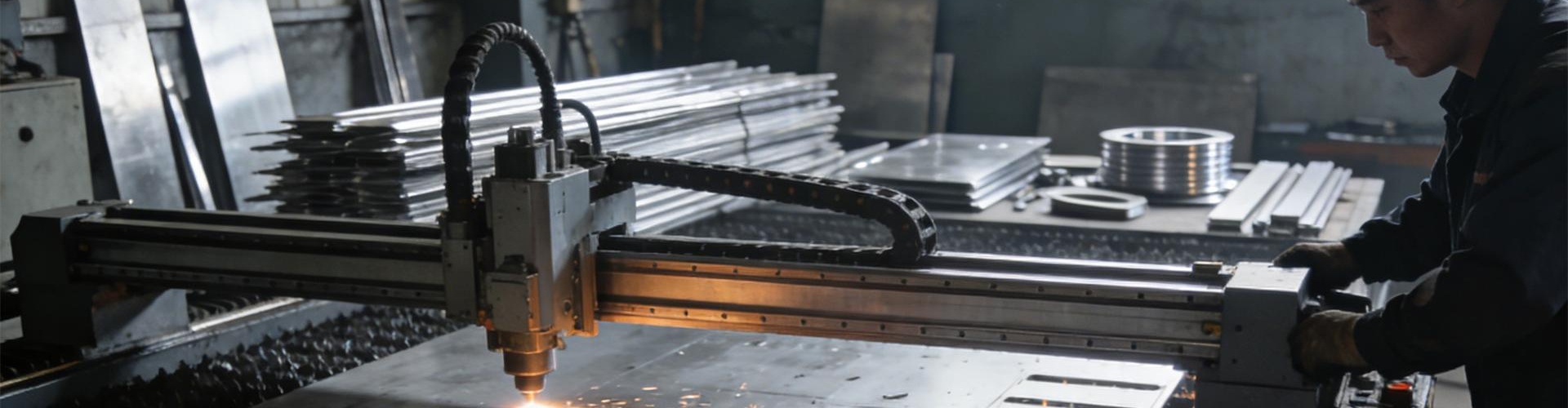
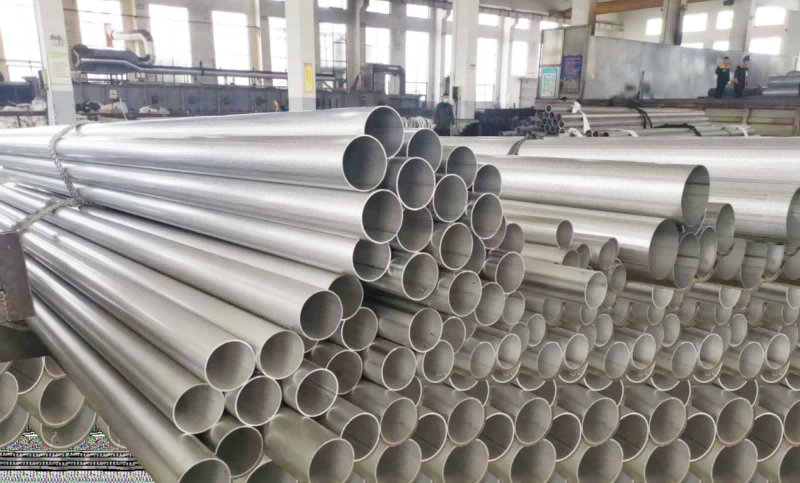
צינורות נירוסטה מובילים מיוצרים על ידי פריצה של בליטה עגולה מוצקה ולאחר מכן גלגול חם או משיכה קרה שלה למבנה צינורי חלול. הצינור המתקבל אינו מכיל אזור ריתוך, מה שמבטיח מיקרו-מבנה אחיד ותכונות מכניות עקביות לאורך כל הצינור.
קו היצור לצלבים חסרי חיבור של וןציאנג מצויד בציוד מתקדם למשיכה קרה ובתנור טיפול حروري רציף, וייצר צלבים בקוטר חיצוני בין 6 מ"מ ל-630 מ"מ ובעובי דופן בין 0.5 מ"מ ל-50 מ"מ.
צלבים מלובנים מפלדת אל חלד נוצרים מרצועת פלדה שטוחה, מתגלגלים לצורה הרצויה ומתחברים על ידי ריתוך אוטומטי מסוג TIG או MIG. מפעל הצלבים המלובנים של וןציאנג משתמש בריתוך אוטומטי מסביבי (orbital) עם בדיקת זרמי עירבוב (ECT) מקוונת כדי להבטיח כי איכות הריתוך זהה לעוצמה של המתכת הבסיסית.
השוואת ביצועים: דרגת לחץ, התנגדות לקורוזיה ויעילות כלכלית
קיבולת הלחץ צינורות חסרי מפרקים מציעים דירוגי לחץ גבוהים ב-30–50% לעומת צינורות מרותכים שקולים, בשל היעדר המפרק הראוי — הנקודה החולשה האפשרית. עבור צינורות סילון בעלי לחץ גבוה (GB/T 5310, ASTM A213) ויישומים של מכלים תחת לחץ, הצינור החסר מפרקים הוא האופציה היחידה.
עמידות בפני קורוזיה בסביבות קורוזיביות כלליות, שני הסוגים מתפקדים באופן דומה. עם זאת, בתווך רגיש לקורוזיה בין גרנולרית, אזור ההשפעה החמה (HAZ) של צינורות מרותכים עלול להפוך לפגיע. ונקיאנג מצמצם את הבעיה הזו באמצעות דרגות נמוכות פחמן (304L/316L) והטיה פתרונית לאחר הרכבה.
הכלכלה המחיר של צינור מרותך נמוך ב-20–40% לעומת צינור ללא חיבור של אותה תצורה, מה שמביא לחיסכון משמעותי בהובלת נוזלים בלחץ נמוך ויישומים אדריכליים.
המלצת המומחה של ונקיאנג
בהתבסס על עשרים שנות ניסיון הנדסי, ונקיאנג ממליץ:
1. לחץ עבודה של 10 MPa או טמפרטורה של 400°C — יש לבחור בצינור ללא חיבור
2. העברת נוזלים בטמפרטורת הסביבה ובלחץ נמוך — צינור מרותך מספק ביצועים מספיקים במחיר נמוך יותר
3. תווך קורוזיבי חזק (HCl, HF) — יש להשתמש בצינור ללא חיבור מסוג סופר דאבלקס (2507) או באשלג ניקל (625/C-276)
4. יישומים בתחום המזון והפרמקולוגיה — צינור ללא חיבור מסוג 316L עם גימור אלקטרופולישי ומחסום פנים של Ra ≤ 0.4μm
וֶנְקְיָאנְג מספקת צינורות לתקנים GB/T, ASTM A312/A213, EN 10216 ו-JIS G3459, וממלאה דרישות בינלאומיות מגוונות.
שאלות נפוצות
שאלה 1: האם ניתן להבחין ויזואלית בין צינור חלול לצינור מרותך?
תשובה: כן. לצינור החולול חתך אחיד ללא קו ריתוך נראה לעין. לצינור המרותך יש שורת ריתוך אורך על המשטח הפנימי או החיצוני. עם זאת, לאחר סילוף שורת הריתוך, עשוי הצינור המרותך להיראות דומה לצינור החולול — יש תמיד לאשר את זה באמצעות תיעוד ואישורי בדיקות.
שאלה 2: מה טווח הטמפרטורות עבור צינור נירוסטה מסוג 304?
תשובה: צינור הנירוסטה מסוג 304 פועל בטמפרטורות שבין 196-°C ל-800°C. לצינור החולול יש ביצועים טובים יותר מצינור המרותך בהתנגדות לדליפת חום בטמפרטורות גבוהות, הודות למיקרו-מבנה האחיד שלו.
שאלה 3: מה הכמות המזערית להזמנה (MOQ) של וֶנְקְיָאנְג?
תשובה: צינור חלול מדרגות סטנדרטיות (304/316L): כמות מזערית להזמנה – 1 טון. צינור מרותך: כמות מזערית להזמנה – 500 ק"ג. לדרגות מיוחדות ולספציפיקציות מותאמות אישית – יש לפנות לצוות הטכני שלנו לפרטים נוספים.
צרו קשר
ליעוץ או הצעת מחיר לבחירת חומר לצינורות נירוסטה, פנו לחברת Wenqiang Steel בטלפון +86 577 8922 2595 או באימייל [email protected]. המהנדסים הטכניים שלנו מספקים הנחיה אישית לבחירת החומר.

כל הזכויות שמורות © 2026 ל-Strongwin Stainless Steel Group Co., Ltd. - מדיניות הפרטיות
 EN
EN
 חדשות חמות