 EN
EN

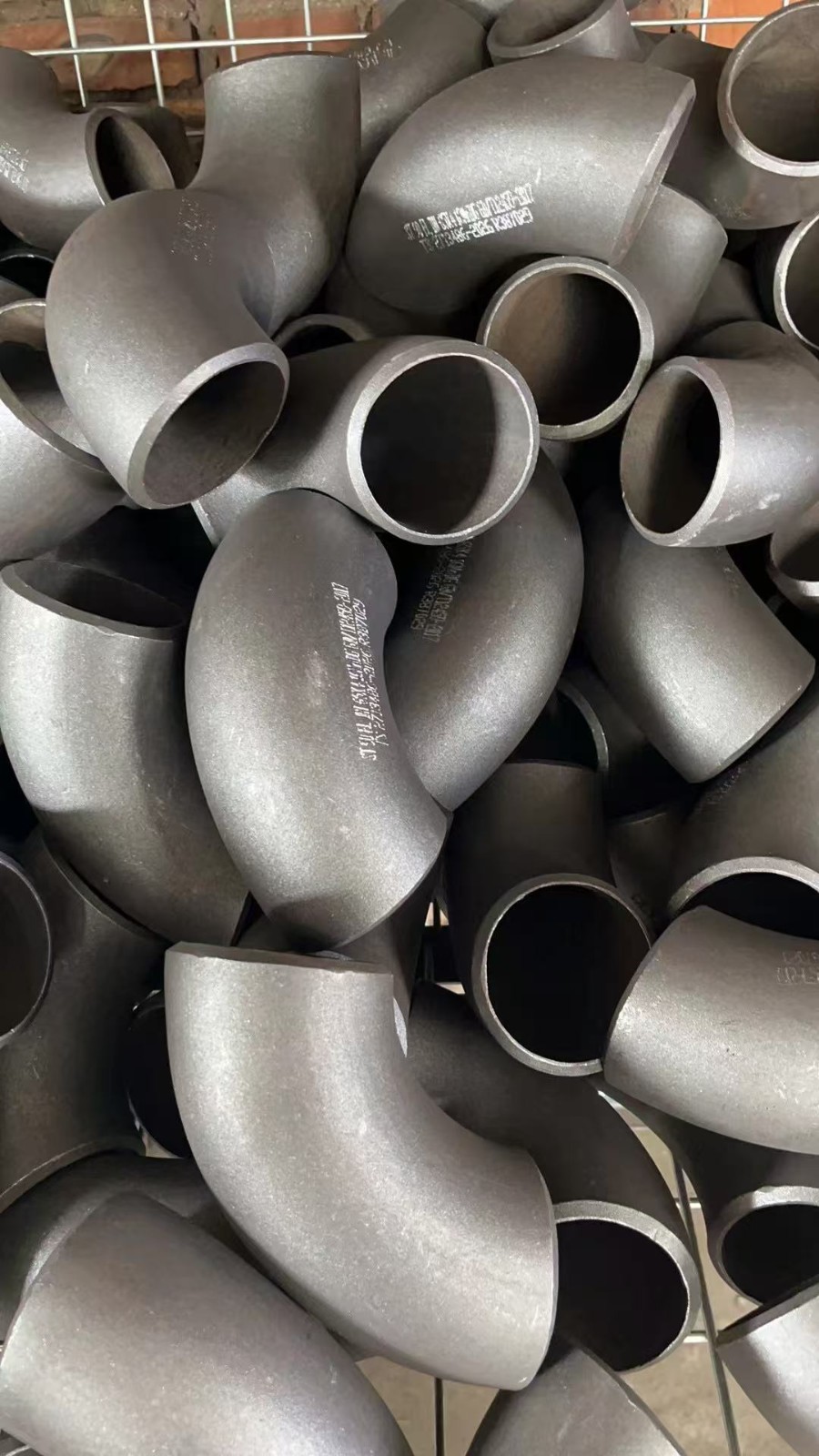
Stainless steel is widely used across modern industries because it combines corrosion resistance, durability, cleanability, and flexible fabrication performance. Among the most commonly used stainless steel families, the 300 series is especially important for applications that require reliable performance in demanding environments.
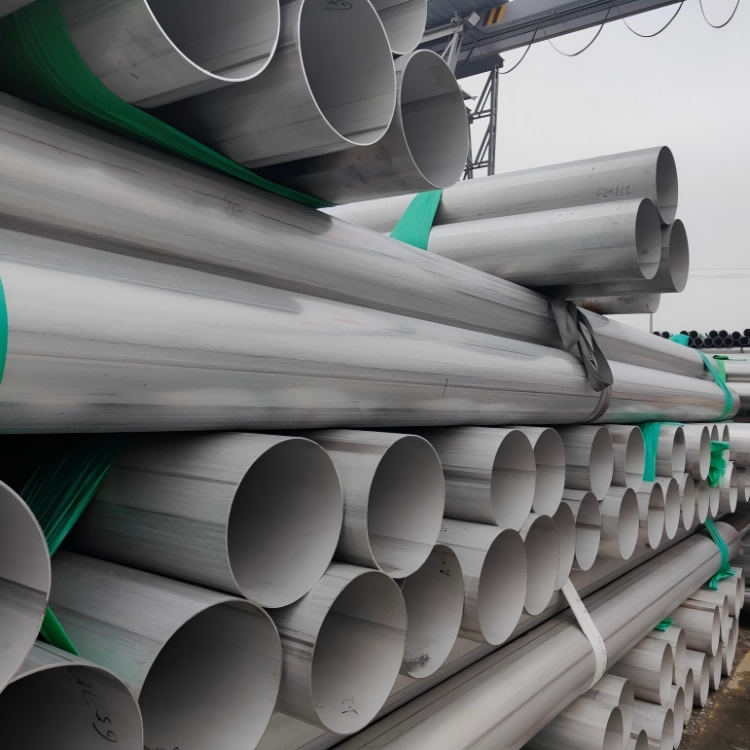
The 300 series includes several austenitic stainless steel grades, such as 301, 302, 304, 304L, 316, 316L, 321, and 347. Although these grades share similar characteristics, each one has a different chemical composition and performance profile.
The suitability of 300 series stainless steel for various industries comes from its balanced combination of corrosion resistance, formability, weldability, strength, temperature performance, and surface quality. The best grade depends on the application, operating conditions, and applicable material standard.
What Is 300 Series Stainless Steel?
300 series stainless steel is a family of austenitic stainless steels that generally contain chromium and nickel as major alloying elements. Some grades also contain molybdenum, titanium, niobium, or other elements to improve specific properties.
The austenitic structure gives many 300 series grades:
- Good ductility
- Excellent formability
- Good toughness
- Strong weldability
- Reliable corrosion resistance
- Good surface finishing potential
- Suitable performance across many temperatures
Most 300 series grades are nonmagnetic in the annealed condition, although cold working may increase magnetic response in certain grades.
The term “300 stainless steel” does not refer to one single material. Buyers should identify the exact grade before purchasing because 304, 316L, 321, and other grades have different chemical limits and application advantages.
1. Corrosion Resistance Supports Long-Term Industrial Use
One of the main reasons 300 series stainless steel is used across industries is its resistance to corrosion.
Chromium in the alloy reacts with oxygen to form a thin passive film on the metal surface. This film helps protect the steel from many common corrosive environments.
Corrosion resistance is valuable in applications involving:
- Moisture
- Atmospheric exposure
- Industrial chemicals
- Food products
- Cleaning agents
- Process water
- Humidity
- Certain marine environments
The level of corrosion resistance depends on the grade and environment. For example, 304 stainless steel is suitable for many general-purpose applications, while 316 and 316L contain molybdenum to improve resistance to certain chloride-related corrosion conditions.
However, 300 series stainless steel is not corrosion-proof. High chloride concentrations, elevated temperatures, stagnant fluids, contamination, and unsuitable chemical exposure may still cause pitting, crevice corrosion, or other forms of attack.
2. Nickel Provides a Stable Austenitic Structure
Nickel is a major component of many 300 series stainless steel grades. It helps stabilize the austenitic structure and contributes to ductility, toughness, and formability.
Nickel supports:
- Good cold-forming performance
- Toughness at low temperatures
- Stable austenitic structure
- Improved fabrication performance
- Resistance to certain corrosive environments
- Consistent mechanical behavior
This makes many 300 series grades suitable for products that must be bent, deep drawn, rolled, stamped, or formed into complex shapes.
Examples include:
- Kitchen equipment
- Automotive components
- Industrial tanks
- Heat exchanger parts
- Medical equipment
- Food processing machinery
- Decorative and architectural products
Nickel content varies between grades, so the exact composition should be checked against the applicable specification.
3. Excellent Formability Supports Complex Product Designs
Many industries require stainless steel components with curved surfaces, narrow profiles, deep-drawn shapes, or complicated geometries. The formability of many 300 series grades makes them suitable for these applications.
Manufacturers can use 300 series stainless steel for:
- Stamping
- Deep drawing
- Bending
- Rolling
- Spinning
- Press forming
- Tube production
- Sheet fabrication
304 and 304L are commonly used for formed products because they provide a useful balance of ductility and corrosion resistance.
Good formability can help manufacturers:
- Produce complex components
- Reduce cracking during fabrication
- Improve material utilization
- Support customized designs
- Reduce the need for multiple assembly parts
- Maintain consistent product appearance
Forming conditions still need to be controlled. Excessive cold working can increase hardness and may affect the material’s magnetic response or subsequent fabrication requirements.
4. Weldability Makes 300 Series Stainless Steel Suitable for Fabricated Equipment
Many industrial products are manufactured by welding individual parts into larger assemblies. Austenitic 300 series stainless steels are widely used for welded structures because of their generally good weldability.
Typical welded applications include:
- Storage tanks
- Process piping
- Food processing equipment
- Pharmaceutical machinery
- Chemical processing systems
- Pressure equipment
- Architectural structures
- Industrial frames
Low-carbon grades such as 304L and 316L are often selected for welded applications because their reduced carbon content helps reduce the risk of chromium carbide precipitation during welding.
This can help maintain corrosion resistance near welded areas when appropriate fabrication procedures are followed.
Weld quality also depends on:
- Joint design
- Welding method
- Heat input
- Filler metal
- Shielding gas
- Surface cleanliness
- Interpass temperature
- Post-weld treatment
The material grade alone cannot guarantee a successful welded assembly.
5. Different Grades Meet Different Corrosion Requirements
The 300 series includes grades designed for different service conditions.
304 Stainless Steel
304 is one of the most widely used stainless steel grades. It provides good general corrosion resistance and is commonly used in:
- Food equipment
- Kitchen equipment
- Architectural products
- General industrial machinery
- Storage tanks
- Consumer and commercial equipment
It is often selected when the environment is moderately corrosive and cost efficiency is important.
304L Stainless Steel
304L has a lower carbon limit than standard 304. It is often preferred for welded structures where improved resistance to sensitization is important.
Typical applications include:
- Welded tanks
- Process equipment
- Piping
- Food processing systems
- Industrial fabrications
316 Stainless Steel
316 contains molybdenum, which generally improves resistance to pitting and crevice corrosion in many chloride-containing environments.
It may be considered for:
- Chemical processing
- Marine equipment
- Pharmaceutical systems
- Water treatment
- Food processing
- Coastal installations
316L Stainless Steel
316L combines the corrosion resistance of the 316 family with a low carbon content. It is frequently used for welded equipment and piping in demanding industrial environments.
321 Stainless Steel
321 is stabilized with titanium. It may be selected for certain elevated-temperature applications where resistance to sensitization is important.
Potential applications include:
- Heat exchangers
- Exhaust systems
- High-temperature equipment
- Industrial furnace components
- Certain aerospace applications
347 Stainless Steel
347 is stabilized with niobium and may be used in selected high-temperature or welded applications.
The final grade should always be chosen according to the actual service environment and applicable design requirements.
6. Temperature Performance Expands Application Possibilities
Many industries operate equipment at elevated or changing temperatures. Stainless steel must maintain suitable mechanical and corrosion performance under those conditions.
300 series grades may be used in:
- Heat exchangers
- Boiler-related equipment
- Industrial ovens
- Thermal processing systems
- Exhaust components
- Chemical process equipment
- Food heating systems
However, temperature performance varies by grade and product form. High temperature can affect:
- Allowable stress
- Oxidation resistance
- Creep behavior
- Thermal expansion
- Corrosion rate
- Sensitization risk
- Fatigue performance
Grades such as 321 and 347 may be considered for specific high-temperature applications because of their stabilization elements. The correct selection requires evaluation of continuous temperature, thermal cycling, pressure, atmosphere, and exposure time.
7. Cleanability Makes 300 Stainless Steel Valuable in Food and Pharmaceutical Industries
Food, beverage, pharmaceutical, and biotechnology facilities require materials that can be cleaned and maintained effectively.
The smooth surface of properly finished stainless steel can help reduce the retention of:
- Food residues
- Dust
- Process chemicals
- Microbial contamination
- Moisture
- Product particles
300 series stainless steel is commonly used for:
- Food processing machinery
- Beverage tanks
- Dairy equipment
- Pharmaceutical vessels
- Transfer piping
- Mixing tanks
- Filling equipment
- Cleanroom components
304 and 316L are frequently considered for these applications. 316L may be preferred where stronger corrosion resistance or more demanding cleaning chemicals are involved.
Surface finish is particularly important. Buyers may need to specify:
- Brushed finish
- Polished finish
- Sanitary finish
- Pickled and passivated surface
- Electropolished surface
- Roughness requirements
Material selection should be combined with suitable hygienic design, cleaning procedures, and industry-specific requirements.
8. Strength and Toughness Support Industrial Reliability
300 series stainless steel offers a useful balance of strength and toughness. Although some other stainless steel families may provide higher yield strength, the 300 series is often selected because it combines mechanical performance with ductility and corrosion resistance.
Toughness is important where equipment may experience:
- Impact
- Vibration
- Pressure changes
- Low temperatures
- Repeated loading
- Mechanical handling
The final strength of a 300 series product depends on:
- Exact grade
- Product form
- Heat treatment
- Cold working
- Wall thickness
- Manufacturing process
- Applicable standard
Cold-rolled or cold-worked products may have higher strength than fully annealed materials, but they may also have different forming characteristics.
For pressure-containing products, buyers should review the specified mechanical properties and design requirements rather than relying only on the grade name.
9. Surface Finish Supports Appearance and Function
300 series stainless steel can be produced with a wide range of surface finishes. This makes it suitable for both functional industrial equipment and visible architectural or commercial products.
Common finishes include:
- Mill finish
- Brushed finish
- Satin finish
- Polished finish
- Mirror finish
- Hairline finish
- Pickled surface
- Electropolished surface
Surface finish can influence:
- Appearance
- Cleanability
- Friction
- Corrosion behavior
- Reflectivity
- Maintenance requirements
- Product branding
For architectural applications, appearance and consistency may be major purchasing factors. For food or pharmaceutical applications, surface cleanliness and roughness may be more important.
Buyers should clearly state the required finish and inspection method in the purchase specification.
10. Recyclability Supports Sustainability Goals
Stainless steel is a durable material that can be recycled at the end of its service life. Its long operating life can also reduce the need for frequent replacement in many applications.
The sustainability benefits of 300 series stainless steel may include:
- Long service life
- Resistance to repeated cleaning
- Reduced maintenance
- Recyclability
- Material recovery at end of life
- Potential reduction in replacement waste
However, sustainability performance depends on the full product life cycle, including raw material production, manufacturing, transportation, maintenance, and recycling.
For B2B procurement, buyers may request information about:
- Recycled content
- Material traceability
- Manufacturing efficiency
- Packaging
- Product durability
- Environmental documentation
The exact environmental performance should be verified rather than assumed from the stainless steel designation alone.
11. Versatility Supports Many Industrial Applications
The combination of corrosion resistance, formability, weldability, strength, and appearance allows 300 series stainless steel to serve many industries.
Food and Beverage
Applications include:
- Food processing equipment
- Storage tanks
- Conveyors
- Mixing systems
- Beverage piping
- Commercial kitchen equipment
Chemical Processing
300 series stainless steel may be used in:
- Process piping
- Storage vessels
- Heat exchangers
- Pumps and fittings
- Chemical handling equipment
The grade must be selected according to the chemical composition, temperature, concentration, and flow conditions.
Pharmaceutical and Medical
Applications may include:
- Pharmaceutical vessels
- Clean process piping
- Medical equipment
- Laboratory furniture
- Sterile processing components
316L is often considered for demanding environments, but the required surface finish and hygienic design are equally important.
Architecture and Construction
300 series stainless steel is used for:
- Handrails
- Building facades
- Decorative panels
- Interior structures
- Doors and fittings
- Elevator components
Appearance, atmospheric corrosion resistance, and surface finish are key considerations.
Automotive and Transportation
Applications may include:
- Exhaust components
- Trim
- Structural parts
- Fasteners
- Fuel and fluid system components
- Vehicle equipment
The correct grade depends on temperature, vibration, corrosion exposure, and forming requirements.
Oil and Gas
Selected 300 series grades may be used in:
- Process equipment
- Piping components
- Valves and fittings
- Storage systems
- Offshore equipment
More severe chloride, sour-service, or high-pressure environments may require specialized materials and additional qualification.
Water Treatment and Marine Applications
316 and 316L may be considered for certain water treatment and marine applications because of their improved resistance to many chloride-related conditions.
However, seawater and concentrated chloride environments can be extremely aggressive. Duplex stainless steel or higher-alloy materials may be required for some applications.
What Should B2B Buyers Consider?
When purchasing 300 series stainless steel products, buyers should evaluate the following factors.
Exact Grade
Specify 304, 304L, 316, 316L, 321, 347, or another exact grade.
Product Form
Identify whether the requirement is for:
- Seamless pipe
- Welded pipe
- Tube
- Sheet
- Plate
- Coil
- Bar
- Fittings
- Flanges
- Fabricated equipment
Applicable Standard
Common specifications may include ASTM, ASME, EN, JIS, or other recognized standards.
Operating Conditions
Provide:
- Pressure
- Temperature
- Process medium
- Chloride concentration
- Cleaning chemicals
- Outdoor or indoor exposure
- Expected service life
Surface Finish
State the required finish, roughness, polishing level, or passivation condition.
Testing and Documentation
Depending on the application, buyers may require:
- Chemical composition report
- Mechanical test results
- Heat-treatment records
- Hydrostatic testing
- Nondestructive testing
- Dimensional inspection
- Material traceability
- Mill test certificate
- Third-party inspection
Customization
Confirm whether the supplier can provide:
- Custom dimensions
- Cut-to-length service
- Special wall thickness
- Surface treatment
- Packaging
- OEM production
- Custom fabrication
Conclusion
300 series stainless steel is suitable for various industries because it offers a balanced combination of corrosion resistance, ductility, toughness, weldability, formability, surface quality, and long-term durability.
Different grades provide different advantages. 304 and 304L are widely used for general industrial, food, architectural, and commercial applications. 316 and 316L are often selected for environments requiring improved resistance to chloride-related corrosion. Stabilized grades such as 321 and 347 may be considered for certain elevated-temperature or welded applications.
For B2B buyers, the most important step is to select the exact grade according to the operating environment, product form, applicable standard, testing requirements, and expected service life. A qualified stainless steel manufacturer should be able to provide accurate material composition, consistent dimensions, suitable surface finishes, inspection documentation, and customized supply solutions.
Table of Contents
- What Is 300 Series Stainless Steel?
- 1. Corrosion Resistance Supports Long-Term Industrial Use
- 2. Nickel Provides a Stable Austenitic Structure
- 3. Excellent Formability Supports Complex Product Designs
- 4. Weldability Makes 300 Series Stainless Steel Suitable for Fabricated Equipment
- 5. Different Grades Meet Different Corrosion Requirements
- 6. Temperature Performance Expands Application Possibilities
- 7. Cleanability Makes 300 Stainless Steel Valuable in Food and Pharmaceutical Industries
- 8. Strength and Toughness Support Industrial Reliability
- 9. Surface Finish Supports Appearance and Function
- 10. Recyclability Supports Sustainability Goals
- 11. Versatility Supports Many Industrial Applications
- What Should B2B Buyers Consider?
- Conclusion