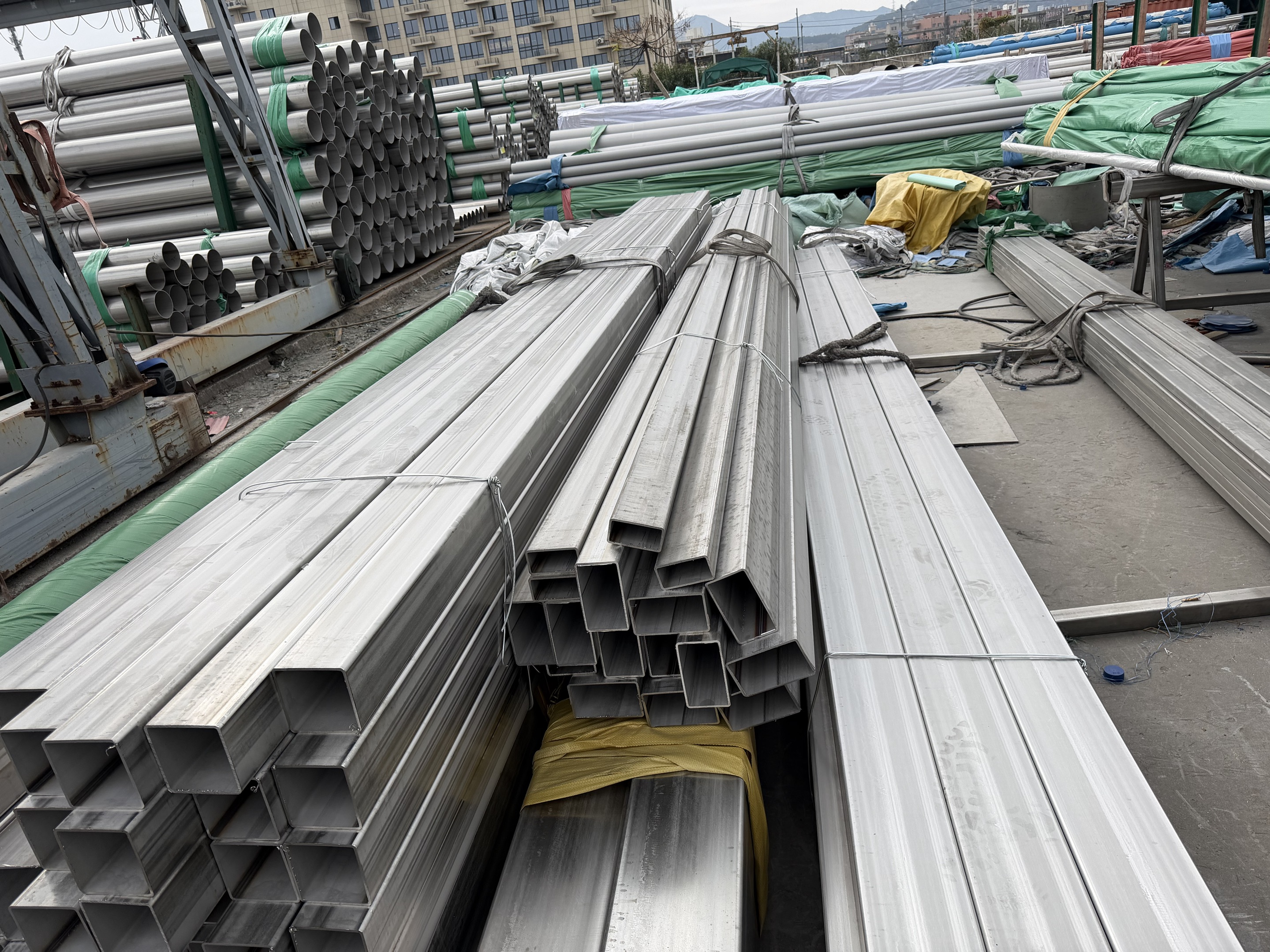
Premium 316 Stainless Steel Tubing - Superior Corrosion Resistance & Performance

All Categories

Get a Free Quote

Our representative will contact you soon.
Email
Mobile/WhatsApp
Name
Company Name
Message
0/1000

316 stainless steel tubing

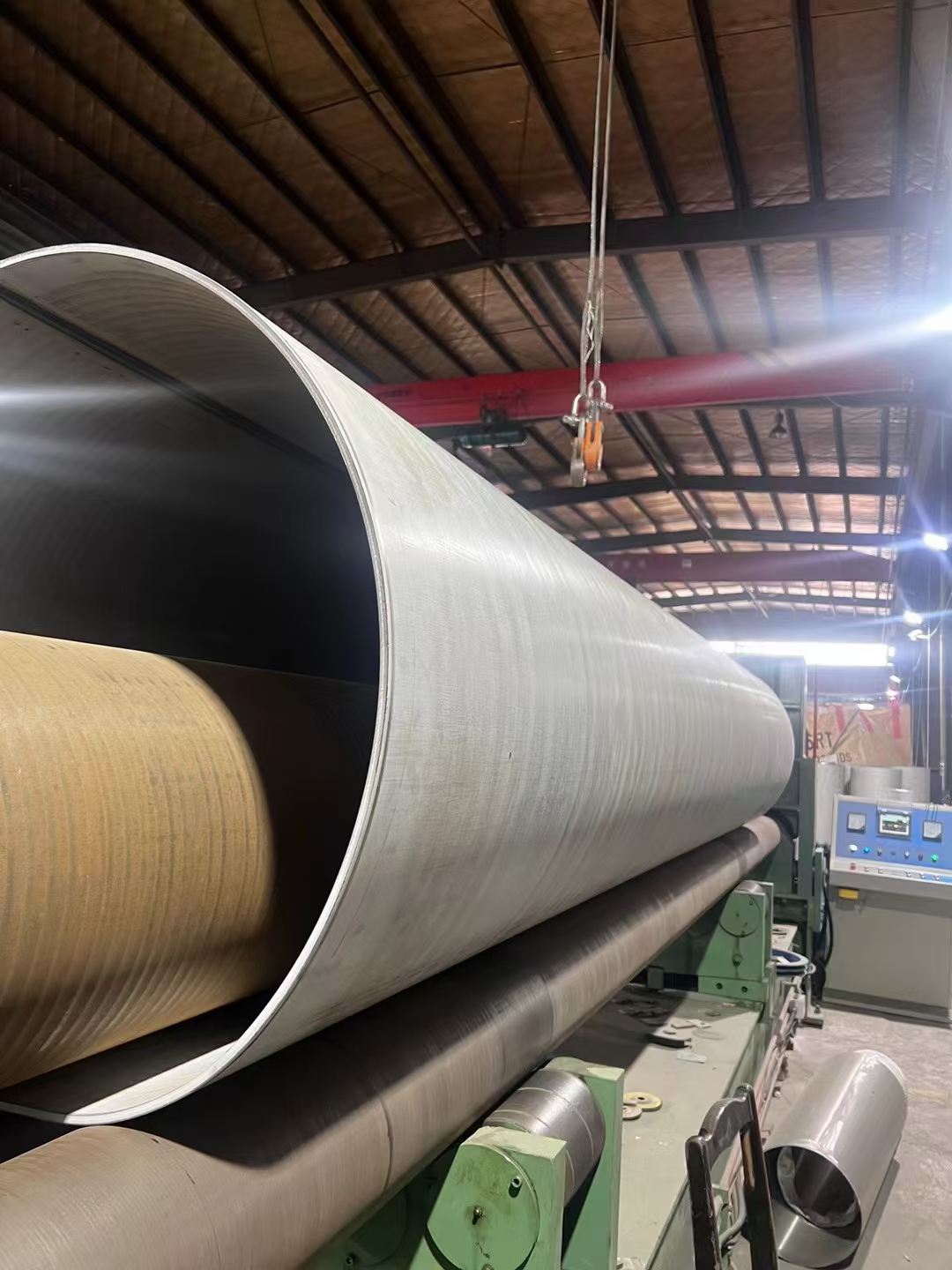
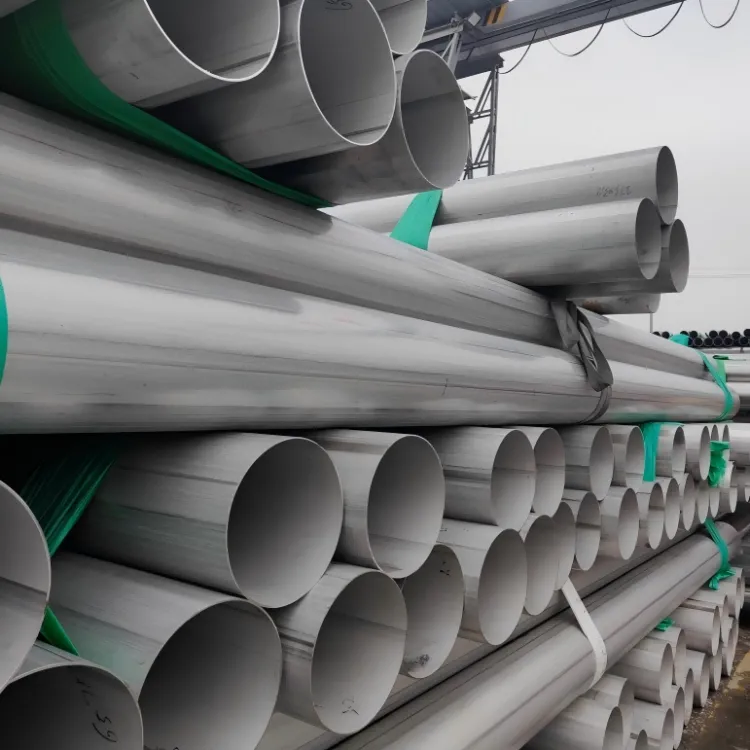
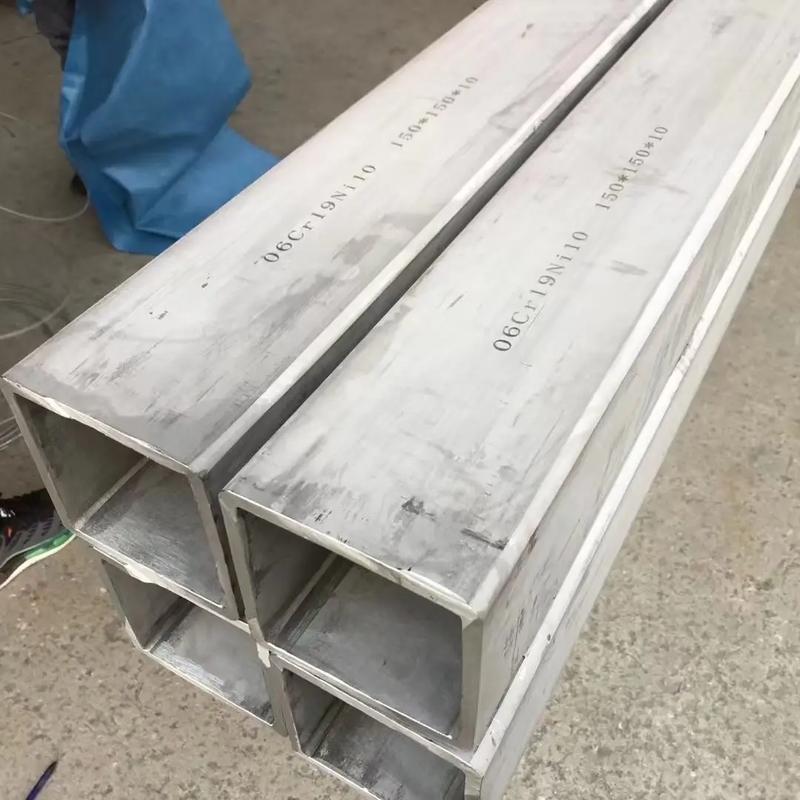
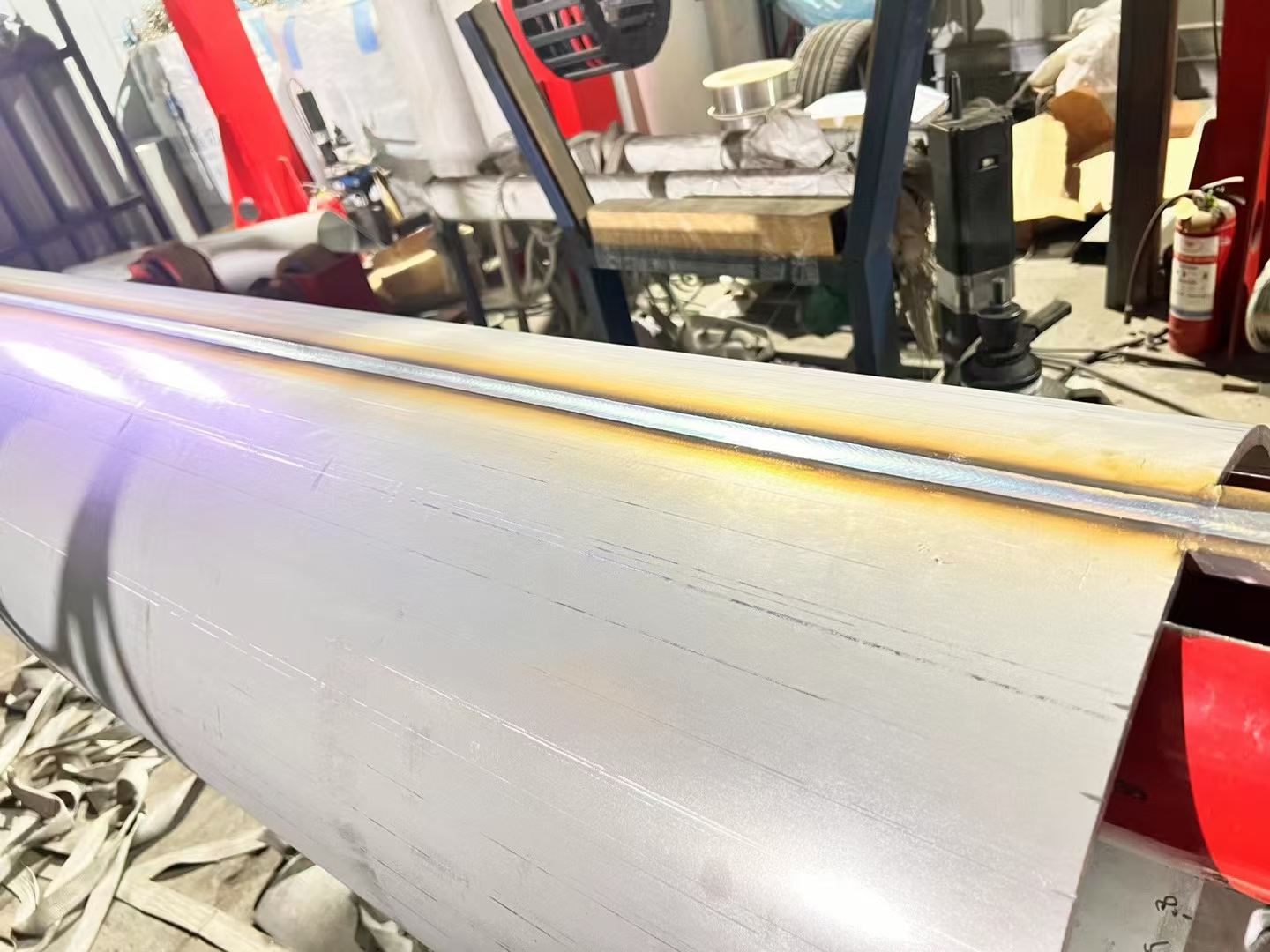
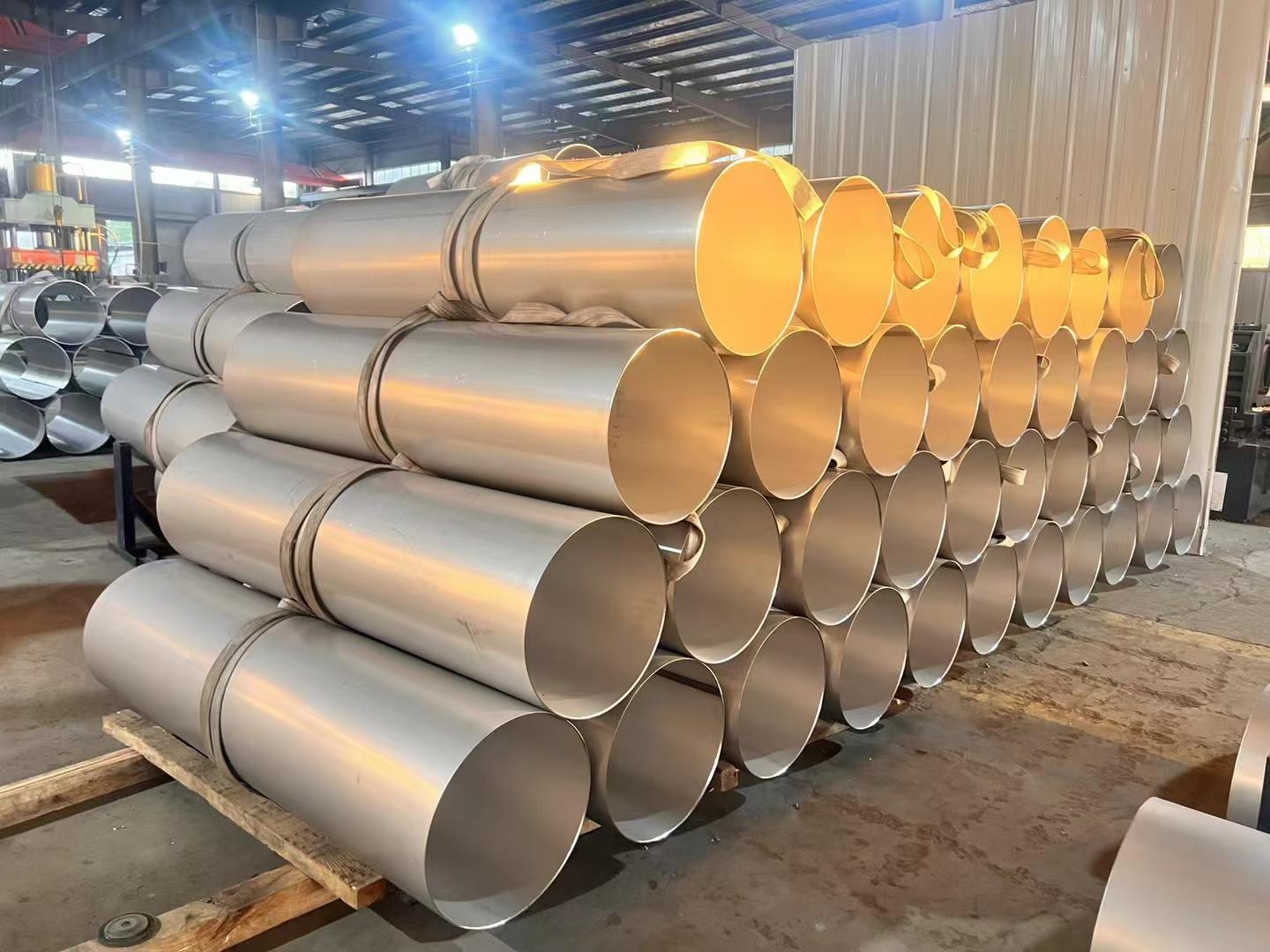
316 stainless steel tubing represents one of the most versatile and reliable piping solutions in modern industrial applications. This premium-grade material combines chromium, nickel, and molybdenum to create an exceptionally durable product that withstands harsh environmental conditions. The 316 stainless steel tubing offers superior corrosion resistance, making it ideal for applications involving chlorides, acids, and marine environments where standard materials would fail. Its technological features include excellent welding characteristics, outstanding formability, and remarkable strength-to-weight ratio that enables efficient installation across diverse projects. The manufacturing process involves precise temperature control and quality testing to ensure consistent performance standards. This tubing maintains structural integrity under extreme temperatures ranging from cryogenic conditions to high-heat applications exceeding 1500 degrees Fahrenheit. The seamless construction eliminates potential weak points while providing smooth internal surfaces that facilitate optimal flow rates. Industries rely on 316 stainless steel tubing for pharmaceutical processing, food production, chemical manufacturing, and aerospace applications where contamination prevention is critical. The non-magnetic properties make it suitable for specialized electronic applications, while its hygienic characteristics meet strict sanitation requirements in medical device manufacturing. Marine applications benefit from its exceptional resistance to saltwater corrosion, extending service life significantly compared to alternative materials. The tubing's dimensional stability ensures precise fitting and reduces maintenance requirements throughout its operational lifespan. Manufacturing standards comply with international specifications including ASTM, ASME, and ISO certifications, guaranteeing quality consistency across global markets. The material's recyclability supports sustainable manufacturing practices while maintaining cost-effectiveness through extended service intervals and reduced replacement frequency.

New Products

316 stainless steel tubing delivers exceptional value through its outstanding corrosion resistance, which dramatically reduces maintenance costs and extends equipment lifespan. This material resists pitting, crevice corrosion, and stress corrosion cracking better than conventional alternatives, saving businesses thousands in replacement and repair expenses. The superior durability means fewer system shutdowns, increased productivity, and improved operational efficiency across manufacturing processes. Installation becomes straightforward due to the tubing's excellent workability and welding properties, reducing labor costs and project timelines significantly. The smooth interior surface prevents bacterial growth and contamination, making it perfect for food processing, pharmaceutical production, and medical applications where hygiene standards are non-negotiable. Temperature resistance capabilities allow 316 stainless steel tubing to perform reliably in both extreme cold and high-heat environments without degradation or structural failure. This versatility eliminates the need for multiple material types, simplifying inventory management and reducing procurement costs for businesses. The material's strength allows for thinner wall construction while maintaining pressure ratings, resulting in weight savings and reduced shipping expenses. Chemical compatibility with a wide range of substances means fewer material restrictions and greater flexibility in process design and modification. The non-reactive surface prevents contamination of transported fluids, ensuring product purity and quality consistency in critical applications. Long-term cost benefits become apparent through reduced insurance premiums, lower safety risks, and minimal environmental impact concerns. The tubing's aesthetic appeal and easy cleaning properties make it ideal for visible applications in food service, architectural projects, and decorative installations. Standardized sizing and availability ensure quick procurement and replacement, minimizing downtime during maintenance operations. The material's proven track record across industries provides confidence and reduces risk for project managers and engineers making material selection decisions.

Latest News

Strongwin Stainless Steel Group Achieves ISO 90012015 Certification and AD 2000 Merkblatt Approval

28

Feb

Strongwin Stainless Steel Group Achieves ISO 90012015 Certification and AD 2000 Merkblatt Approval

View More
Strongwin Stainless Steel Group Announces Major Production Capacity Expansion to Meet Growing Global Demand

11

Mar

Strongwin Stainless Steel Group Announces Major Production Capacity Expansion to Meet Growing Global Demand

View More
Strongwin Stainless Steel Group Announces Strategic Partnership with Leading European Engineering Firm

11

Mar

Strongwin Stainless Steel Group Announces Strategic Partnership with Leading European Engineering Firm

View More

Get a Free Quote

Our representative will contact you soon.
Email
Mobile/WhatsApp
Name
Company Name
Message
0/1000

316 stainless steel tubing

Unmatched Corrosion Resistance for Long-Term Performance

Unmatched Corrosion Resistance for Long-Term Performance

The exceptional corrosion resistance of 316 stainless steel tubing stems from its unique alloy composition, featuring molybdenum addition that significantly enhances protection against chloride-induced corrosion and pitting. This advanced metallurgy creates a passive oxide layer on the surface that self-repairs when damaged, providing continuous protection against environmental attack. In marine environments where saltwater exposure is constant, this tubing maintains structural integrity for decades while standard materials deteriorate rapidly. Chemical processing facilities benefit enormously from this resistance, as the tubing withstands exposure to acids, alkalis, and organic solvents without degradation. The material's ability to resist stress corrosion cracking prevents catastrophic failures that could result in costly spills, production interruptions, and safety hazards. Pharmaceutical and food processing industries rely on this corrosion resistance to maintain product purity and prevent contamination from metal leaching. The economic impact extends beyond initial installation costs, as the extended service life reduces replacement frequency, minimizes maintenance interventions, and decreases total ownership expenses. Environmental factors such as humidity, temperature fluctuations, and atmospheric pollutants have minimal impact on the tubing's performance, ensuring consistent operation across diverse climatic conditions. This reliability translates into improved system uptime, reduced emergency repairs, and enhanced operational predictability for critical infrastructure applications. The corrosion resistance also maintains aesthetic appeal in architectural and decorative applications, preserving the bright, clean appearance that defines quality installations and reducing cleaning and maintenance requirements over time.
Superior Temperature Performance for Extreme Applications

Superior Temperature Performance for Extreme Applications

316 stainless steel tubing excels in extreme temperature applications, maintaining mechanical properties and dimensional stability across a remarkable temperature range from cryogenic conditions to elevated heat applications. This temperature versatility stems from the material's austenitic crystal structure, which remains stable through thermal cycling without brittleness or cracking that affects other materials. Cryogenic applications benefit from the tubing's ability to maintain ductility and toughness at temperatures approaching absolute zero, making it essential for liquefied gas handling, aerospace applications, and scientific research facilities. At elevated temperatures, the tubing retains strength and resists oxidation, enabling reliable operation in steam systems, heat exchangers, and high-temperature chemical processes. The low thermal expansion coefficient minimizes stress buildup during temperature changes, reducing the risk of joint failure and system damage. This thermal stability eliminates the need for expensive expansion joints and complex support systems in many applications. Manufacturing processes involving heating and cooling cycles benefit from the tubing's resistance to thermal fatigue, which extends equipment life and reduces unexpected failures. The material's ability to maintain pressure ratings across temperature extremes ensures safe operation in critical applications where temperature variations are routine. Heat transfer efficiency remains consistent due to the tubing's thermal conductivity properties, optimizing energy usage in heating and cooling systems. Fire resistance characteristics make 316 stainless steel tubing an excellent choice for emergency systems and safety applications where performance during extreme conditions is crucial. The temperature performance also supports sterilization processes in medical and pharmaceutical applications, where high-temperature steam exposure is necessary for contamination control without material degradation.
Exceptional Hygiene and Sanitation Properties for Critical Industries

Exceptional Hygiene and Sanitation Properties for Critical Industries

The hygienic excellence of 316 stainless steel tubing makes it the preferred choice for industries where contamination control and sanitation are paramount, including pharmaceutical manufacturing, food processing, biotechnology, and medical device production. The smooth, non-porous surface finish prevents bacterial adhesion and growth, eliminating potential contamination sources that could compromise product quality or safety. This surface characteristic facilitates thorough cleaning and sterilization using standard industry protocols, including steam sterilization, chemical sanitization, and high-pressure cleaning systems. The inert nature of the material prevents leaching of metallic ions into transported fluids, maintaining product purity and preventing unwanted chemical reactions that could alter product characteristics. Pharmaceutical applications particularly benefit from this purity, as even trace contamination can invalidate entire batches and result in significant financial losses. Food processing operations rely on the tubing's ability to resist staining, odor absorption, and flavor transfer, ensuring that product quality remains consistent throughout production runs. The material's compatibility with cleaning agents and sanitizers allows for aggressive cleaning protocols without surface degradation or contamination concerns. Regulatory compliance becomes straightforward with 316 stainless steel tubing, as it meets FDA, USP, and European Pharmacopoeia standards for materials in contact with food, drugs, and medical devices. The non-reactive surface prevents catalytic reactions that could produce harmful byproducts or compromise product stability during storage and transportation. Easy validation and documentation of cleaning effectiveness support quality assurance programs and regulatory audits. The material's resistance to biofilm formation reduces the risk of persistent contamination and simplifies cleaning validation procedures. Long-term hygiene maintenance requires minimal effort due to the surface's inherent cleanability and resistance to degradation from repeated sanitization cycles.

Get a Free Quote

Our representative will contact you soon.
Email
Mobile/WhatsApp
Name
Company Name
Message
0/1000