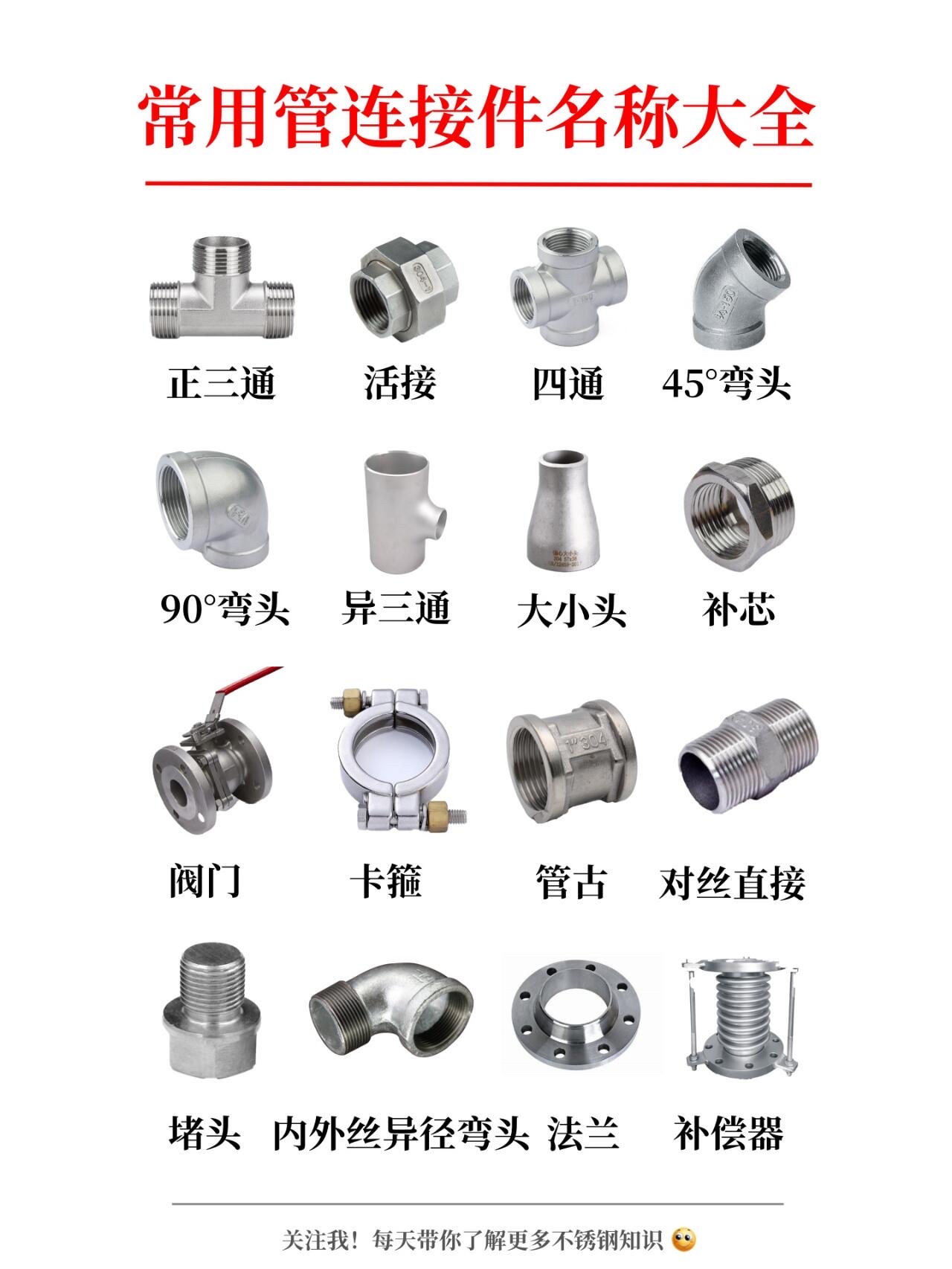
316 Stainless Steel Fittings - Premium Corrosion Resistant Pipe Connections for Industrial Applications

All Categories

Get a Free Quote

Our representative will contact you soon.
Email
Mobile/WhatsApp
Name
Company Name
Message
0/1000

316 stainless steel fittings

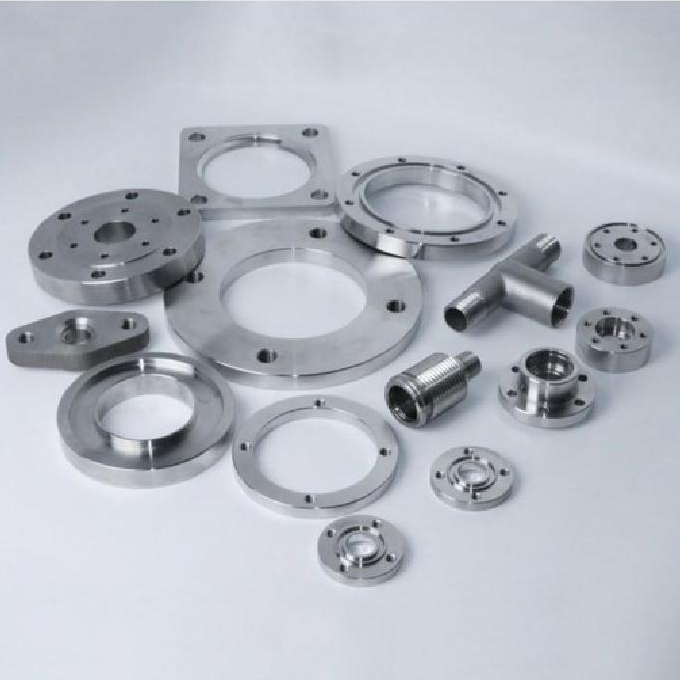
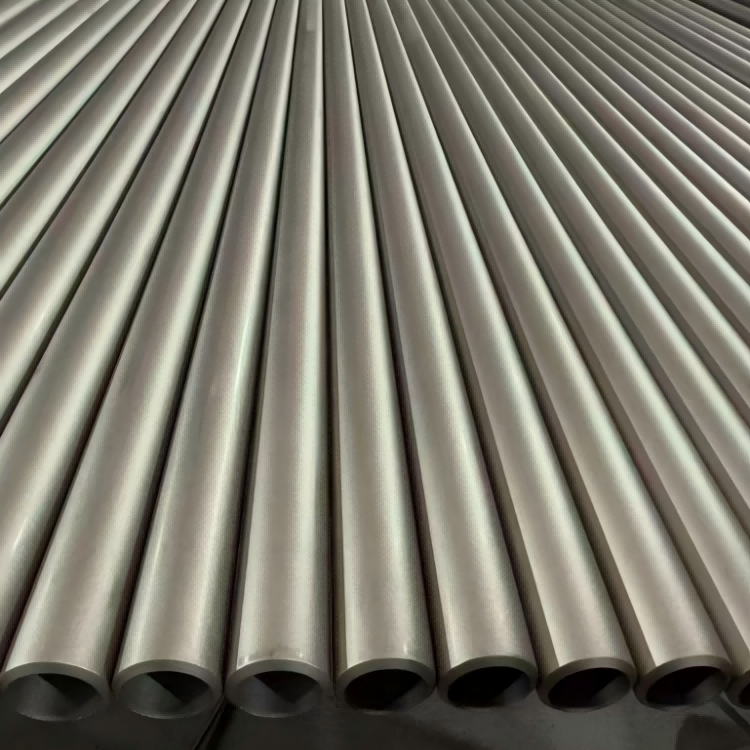
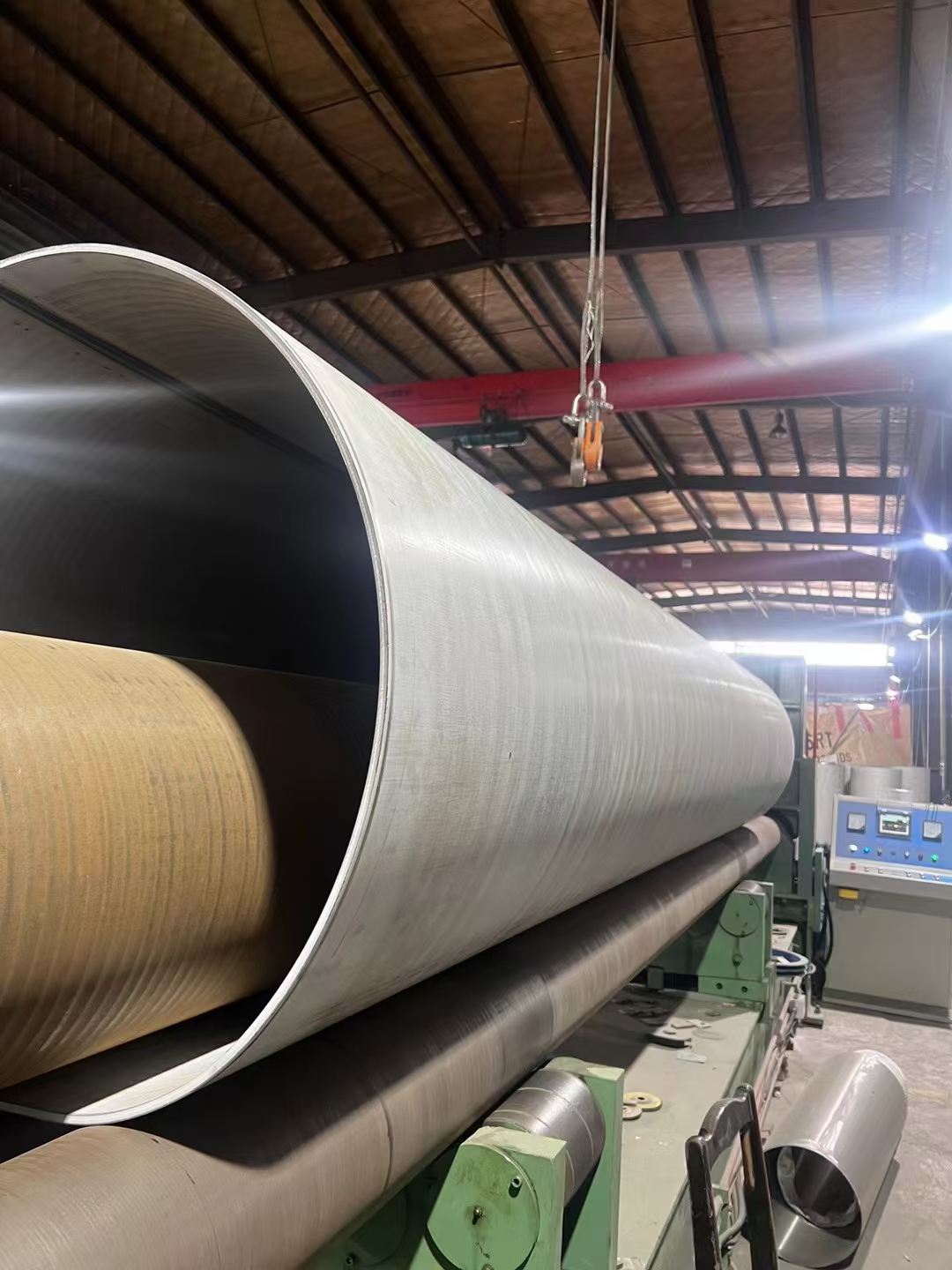
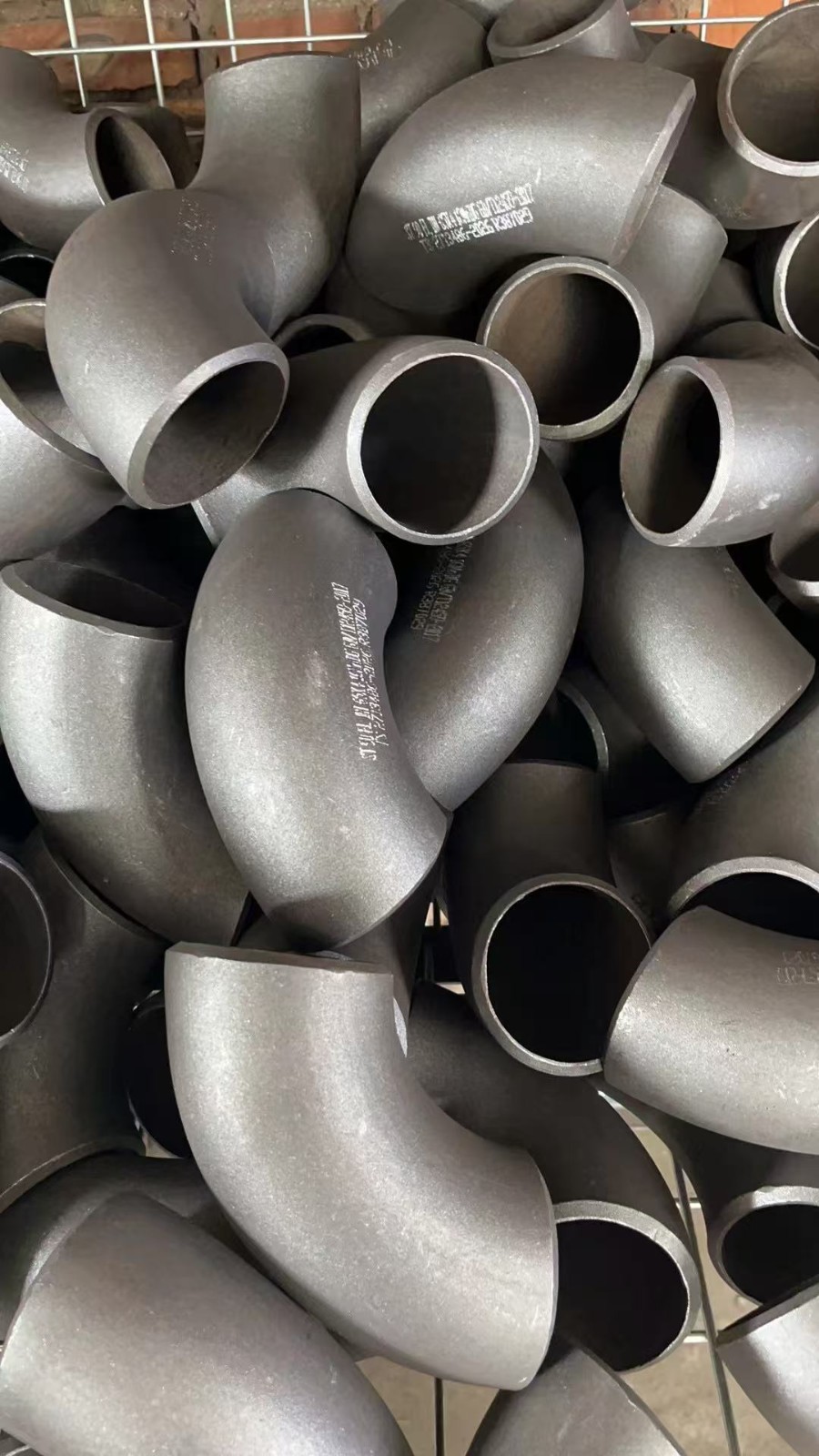
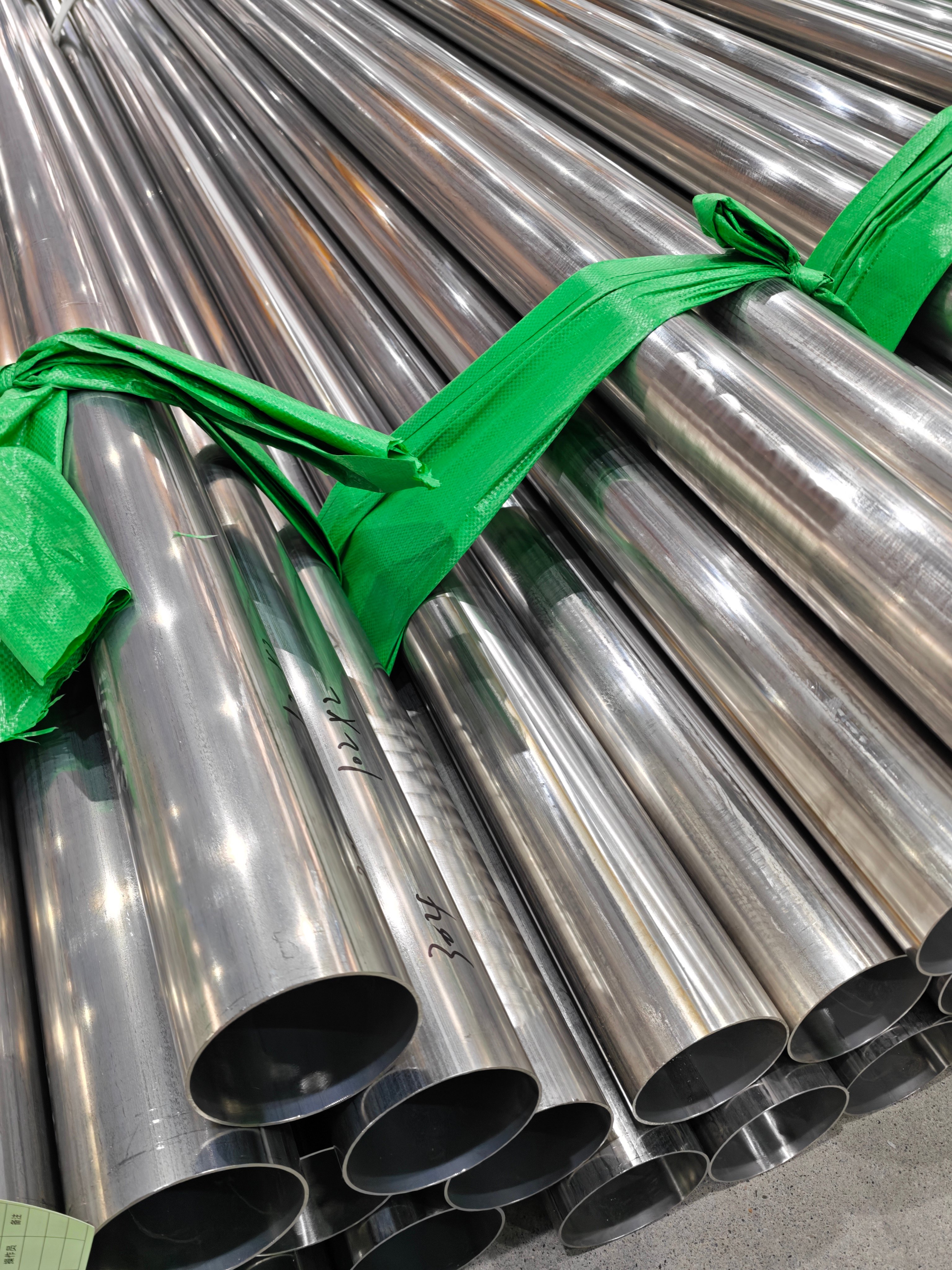
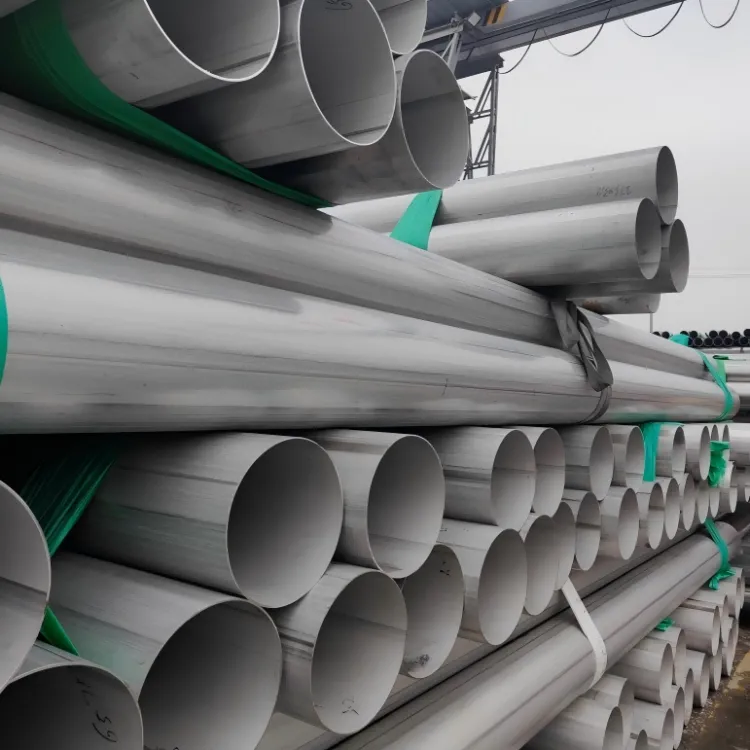
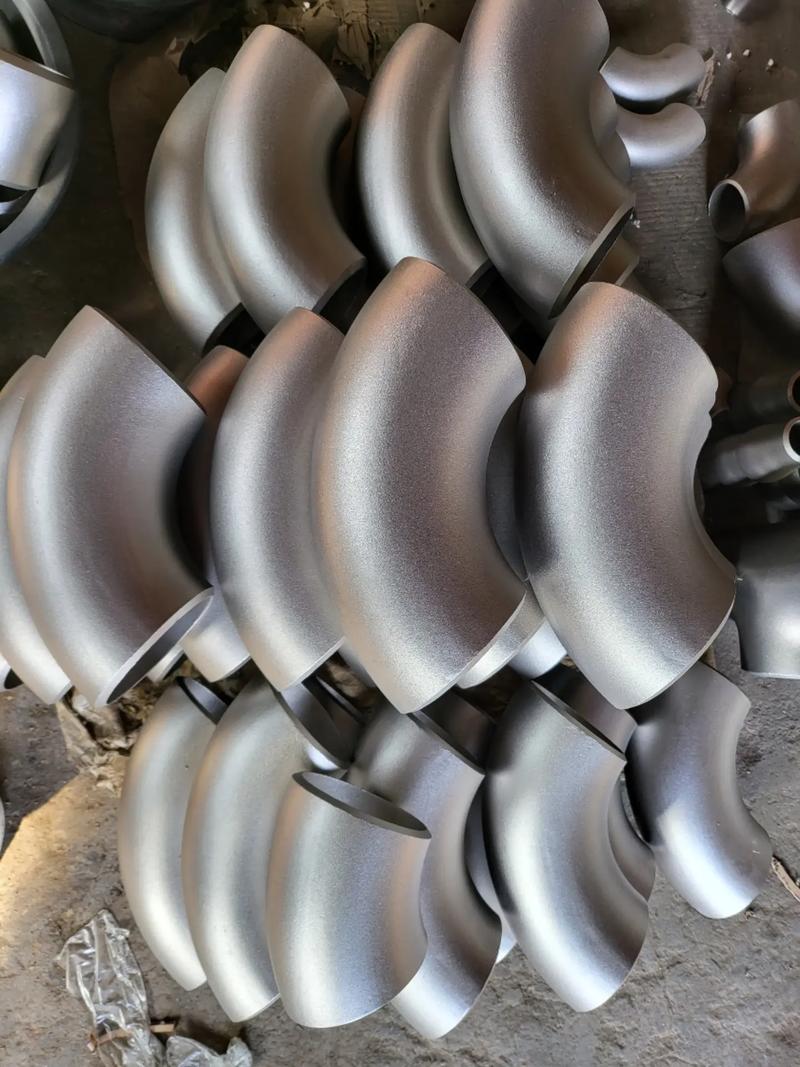
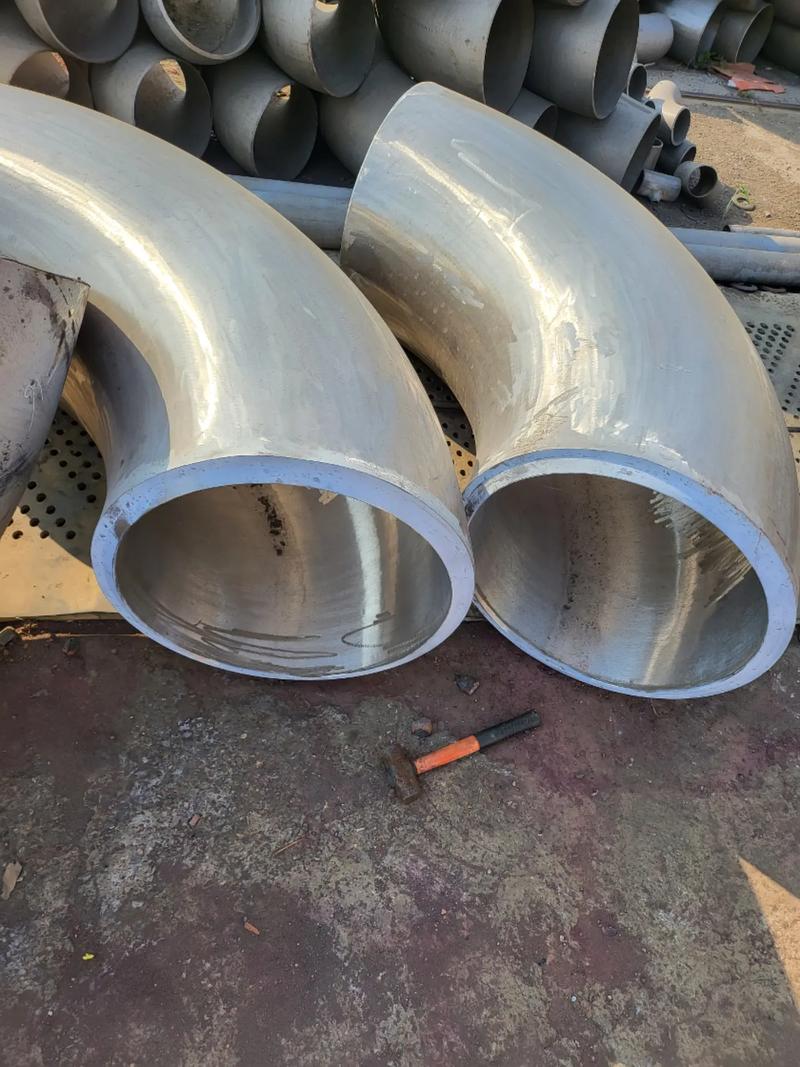
316 stainless steel fittings represent a premium grade of pipe connection components specifically engineered for demanding industrial applications. These specialized fittings serve as critical connectors in piping systems where exceptional corrosion resistance and mechanical strength are paramount. The 316 grade stainless steel composition includes molybdenum as a key alloying element, which significantly enhances the material's resistance to chloride corrosion and pitting in harsh environments. The main functions of 316 stainless steel fittings encompass joining pipes, changing flow directions, reducing or expanding pipe diameters, and providing access points for maintenance and inspection. These components facilitate seamless fluid transfer while maintaining system integrity under extreme conditions. Technological features include precision manufacturing through advanced casting, forging, and machining processes that ensure dimensional accuracy and surface finish quality. The austenitic microstructure provides excellent formability and weldability, enabling complex geometries and custom configurations. Heat treatment processes optimize the mechanical properties, achieving superior tensile strength, yield strength, and impact resistance. The surface finish ranges from standard mill finish to electropolished surfaces for pharmaceutical applications. Applications span across chemical processing plants, marine environments, food and beverage production, pharmaceutical manufacturing, oil and gas refineries, and wastewater treatment facilities. In chemical processing, 316 stainless steel fittings handle aggressive chemicals, acids, and caustic solutions without degradation. Marine applications benefit from the superior saltwater corrosion resistance, making these fittings ideal for offshore platforms, shipbuilding, and coastal installations. Food and beverage industries rely on the hygienic properties and easy cleaning characteristics for sanitary piping systems. The pharmaceutical sector demands the ultra-clean surfaces and non-reactive properties for sterile processing equipment. These fittings maintain structural integrity in temperatures ranging from cryogenic to elevated operating conditions while preserving flow characteristics and system efficiency throughout extended service life.

New Products

316 stainless steel fittings deliver exceptional corrosion resistance that surpasses standard materials in aggressive environments. The molybdenum content creates a protective barrier against chloride attack, preventing costly system failures and maintenance downtime. This superior resistance translates to extended service life, reducing replacement frequencies and associated labor costs. Businesses save thousands of dollars annually by avoiding premature fitting failures that can compromise entire piping systems. The mechanical strength properties ensure reliable performance under high pressure and temperature conditions. These fittings withstand pressure ratings up to several thousand PSI while maintaining structural integrity across temperature ranges from sub-zero to elevated operating conditions. The durability factor means fewer emergency repairs and reduced system shutdowns, directly impacting operational efficiency and profitability. Maintenance requirements decrease significantly compared to carbon steel or lower-grade stainless alternatives. The smooth surface finish resists fouling and buildup, making cleaning procedures faster and more effective. Food processing facilities particularly benefit from the easy sanitization properties, ensuring compliance with strict hygiene standards without extensive cleaning protocols. Installation flexibility allows for various connection methods including welding, threading, and compression fittings, accommodating diverse system requirements and retrofit applications. The material's excellent formability enables custom configurations for unique piping layouts, eliminating the need for multiple adapters and reducing potential leak points. Cost-effectiveness emerges through the total lifecycle value proposition rather than initial purchase price. While the upfront investment may be higher than standard materials, the extended service life, reduced maintenance, and enhanced reliability create substantial long-term savings. Industries report significant reductions in maintenance budgets and unplanned downtime after switching to 316 stainless steel fittings. The recyclability factor adds environmental benefits and potential material recovery value at end-of-life. Quality assurance standards ensure consistent performance across batches, with comprehensive testing protocols verifying pressure ratings, chemical compatibility, and dimensional accuracy. This reliability gives engineers and maintenance teams confidence in system design and operation, reducing safety concerns and liability exposure.

Practical Tips

Strongwin Stainless Steel Group Achieves ISO 90012015 Certification and AD 2000 Merkblatt Approval

28

Feb

Strongwin Stainless Steel Group Achieves ISO 90012015 Certification and AD 2000 Merkblatt Approval

View More
Strongwin Stainless Steel Group Announces Major Production Capacity Expansion to Meet Growing Global Demand

11

Mar

Strongwin Stainless Steel Group Announces Major Production Capacity Expansion to Meet Growing Global Demand

View More
Strongwin Stainless Steel Group Announces Strategic Partnership with Leading European Engineering Firm

11

Mar

Strongwin Stainless Steel Group Announces Strategic Partnership with Leading European Engineering Firm

View More

Get a Free Quote

Our representative will contact you soon.
Email
Mobile/WhatsApp
Name
Company Name
Message
0/1000

316 stainless steel fittings

Superior Corrosion Resistance for Harsh Environments

Superior Corrosion Resistance for Harsh Environments

The outstanding corrosion resistance of 316 stainless steel fittings stems from their unique chemical composition that includes 2-3% molybdenum, significantly enhancing protection against chloride-induced corrosion and pitting. This advanced metallurgy creates an invisible but highly effective protective layer that regenerates automatically when damaged, ensuring continuous protection throughout the fitting's service life. In marine environments where saltwater exposure is constant, these fittings demonstrate remarkable longevity compared to standard materials that quickly succumb to galvanic corrosion and crevice attack. Chemical processing facilities benefit enormously from this resistance when handling aggressive acids, caustic solutions, and chlorinated compounds that would rapidly destroy inferior materials. The molybdenum addition specifically targets chloride stress corrosion cracking, a common failure mode in coastal and industrial environments where chloride concentrations are elevated. Real-world performance data shows 316 stainless steel fittings lasting 10-15 years in applications where carbon steel components fail within 2-3 years, representing substantial cost savings and operational reliability improvements. The passive layer formation occurs naturally in oxygen-rich environments, maintaining protective properties without requiring special coatings or treatments that can wear off over time. This inherent protection extends to crevices and threaded areas where traditional protective measures often fail, ensuring comprehensive system integrity. Industries processing pharmaceuticals, food products, and specialty chemicals rely on this corrosion resistance to prevent contamination and maintain product purity standards. The resistance properties remain stable across wide temperature ranges, from cryogenic applications in liquefied gas systems to elevated temperature processes in chemical reactors. Testing protocols demonstrate excellent performance in salt spray, immersion, and cyclic corrosion tests that simulate decades of real-world exposure in accelerated timeframes.
Exceptional Mechanical Strength and Temperature Stability

Exceptional Mechanical Strength and Temperature Stability

316 stainless steel fittings exhibit remarkable mechanical properties that enable reliable operation under extreme pressure and temperature conditions while maintaining dimensional stability and structural integrity. The austenitic microstructure provides excellent toughness and ductility, allowing these fittings to absorb impact loads and thermal cycling without cracking or permanent deformation. Tensile strengths typically exceed 75,000 PSI with yield strengths around 30,000 PSI, providing substantial safety margins for high-pressure applications in oil and gas, chemical processing, and power generation industries. The temperature stability extends from cryogenic applications at -196°C in liquid nitrogen systems to elevated temperatures up to 870°C in certain atmospheric conditions, making these fittings versatile for diverse industrial processes. Thermal expansion coefficients remain predictable and manageable across this temperature range, enabling accurate system design and preventing stress-related failures at pipe connections. The work-hardening characteristics allow controlled strengthening during forming operations while maintaining adequate ductility for field installation and service. Fatigue resistance properties ensure long-term reliability under cyclic loading conditions common in pumping systems, thermal cycling applications, and vibrating equipment installations. The face-centered cubic crystal structure provides excellent low-temperature toughness, preventing brittle fracture in cryogenic service where other materials become dangerously fragile. Pressure ratings for 316 stainless steel fittings often exceed 6,000 PSI in standard configurations, with specialized designs achieving even higher ratings for extreme applications. The material's ability to retain strength at elevated temperatures makes it suitable for steam systems, heat exchangers, and high-temperature chemical reactors where standard materials would lose structural integrity. Creep resistance ensures dimensional stability during long-term exposure to combined high temperature and stress conditions, preventing gradual deformation that could compromise seal integrity and system performance over extended operating periods.
Hygienic Properties and Easy Maintenance for Sanitary Applications

Hygienic Properties and Easy Maintenance for Sanitary Applications

The hygienic excellence of 316 stainless steel fittings makes them the preferred choice for pharmaceutical, food processing, biotechnology, and healthcare applications where product purity and contamination prevention are critical. The smooth, non-porous surface finish achieved through precision manufacturing and optional electropolishing creates an environment that resists bacterial adhesion and biofilm formation, essential for maintaining sterile processing conditions. The inert chemical nature prevents leaching of metallic ions or compounds that could contaminate sensitive products, ensuring pharmaceutical preparations, food products, and medical solutions maintain their intended properties and safety profiles. Cleaning and sterilization procedures become significantly more effective with 316 stainless steel fittings due to their compatibility with aggressive cleaning agents, high-temperature steam sterilization, and chemical sanitizers without surface degradation or corrosion. The material withstands repeated exposure to sodium hypochlorite solutions, caustic cleaners, and acidic sanitizers commonly used in Clean-in-Place and Sterilize-in-Place systems without compromising surface integrity or introducing contamination risks. Surface roughness values can be controlled to extremely low levels through electropolishing, creating mirror-like finishes that eliminate microscopic crevices where contaminants might accumulate. This surface quality enables visual inspection for cleanliness verification and supports validation protocols required by regulatory agencies like FDA, USDA, and international standards organizations. The non-reactive properties ensure that flavor, color, and chemical composition of processed materials remain unchanged during contact with the fitting surfaces, critical for maintaining product quality in food and pharmaceutical manufacturing. Maintenance intervals extend significantly compared to other materials, as the corrosion resistance and surface stability eliminate the need for frequent replacement or refinishing. The ability to achieve and maintain ultra-clean surfaces supports compliance with Good Manufacturing Practices, HACCP protocols, and pharmaceutical manufacturing standards that demand the highest levels of hygiene and contamination control throughout production processes.

Get a Free Quote

Our representative will contact you soon.
Email
Mobile/WhatsApp
Name
Company Name
Message
0/1000