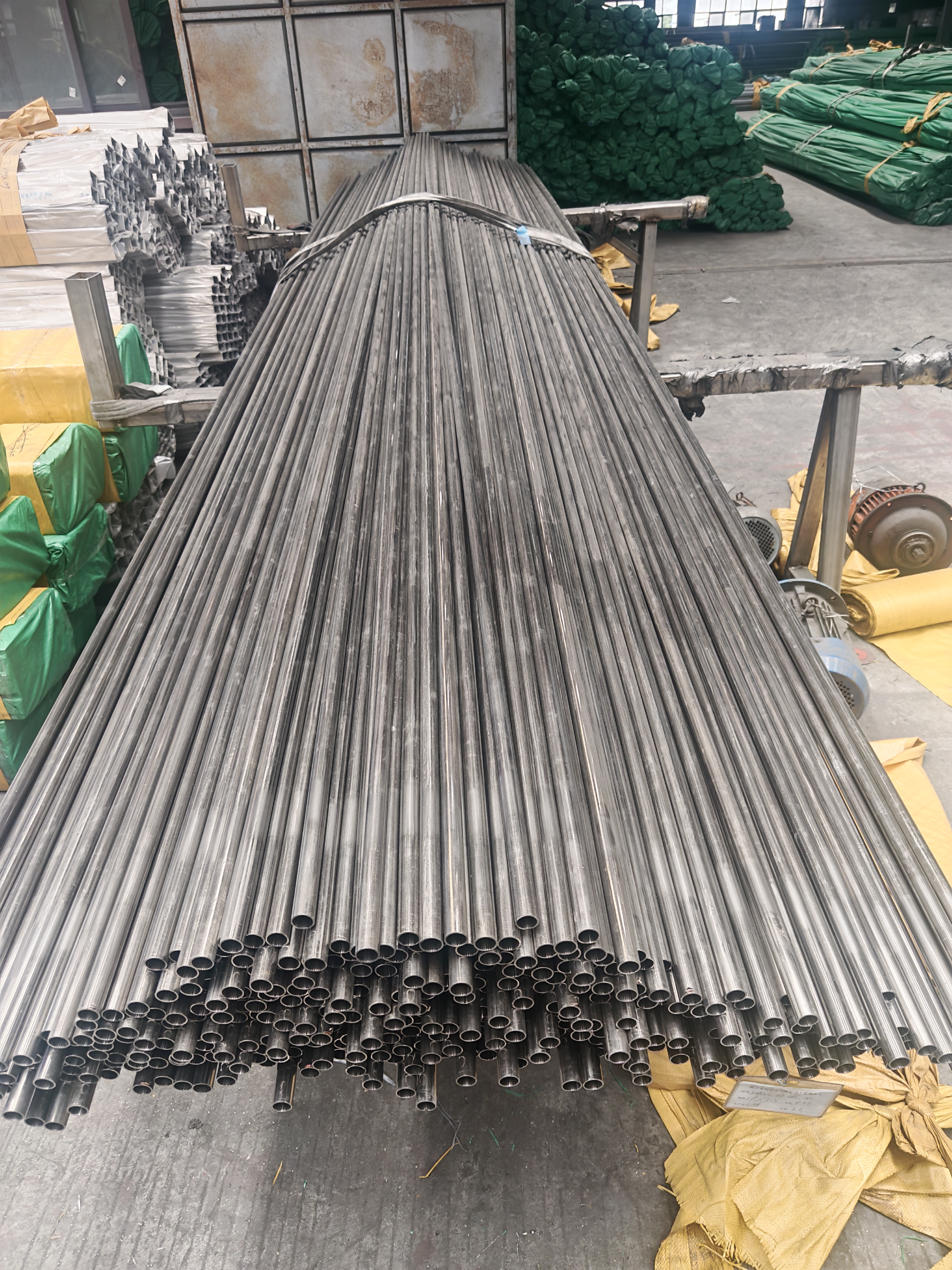
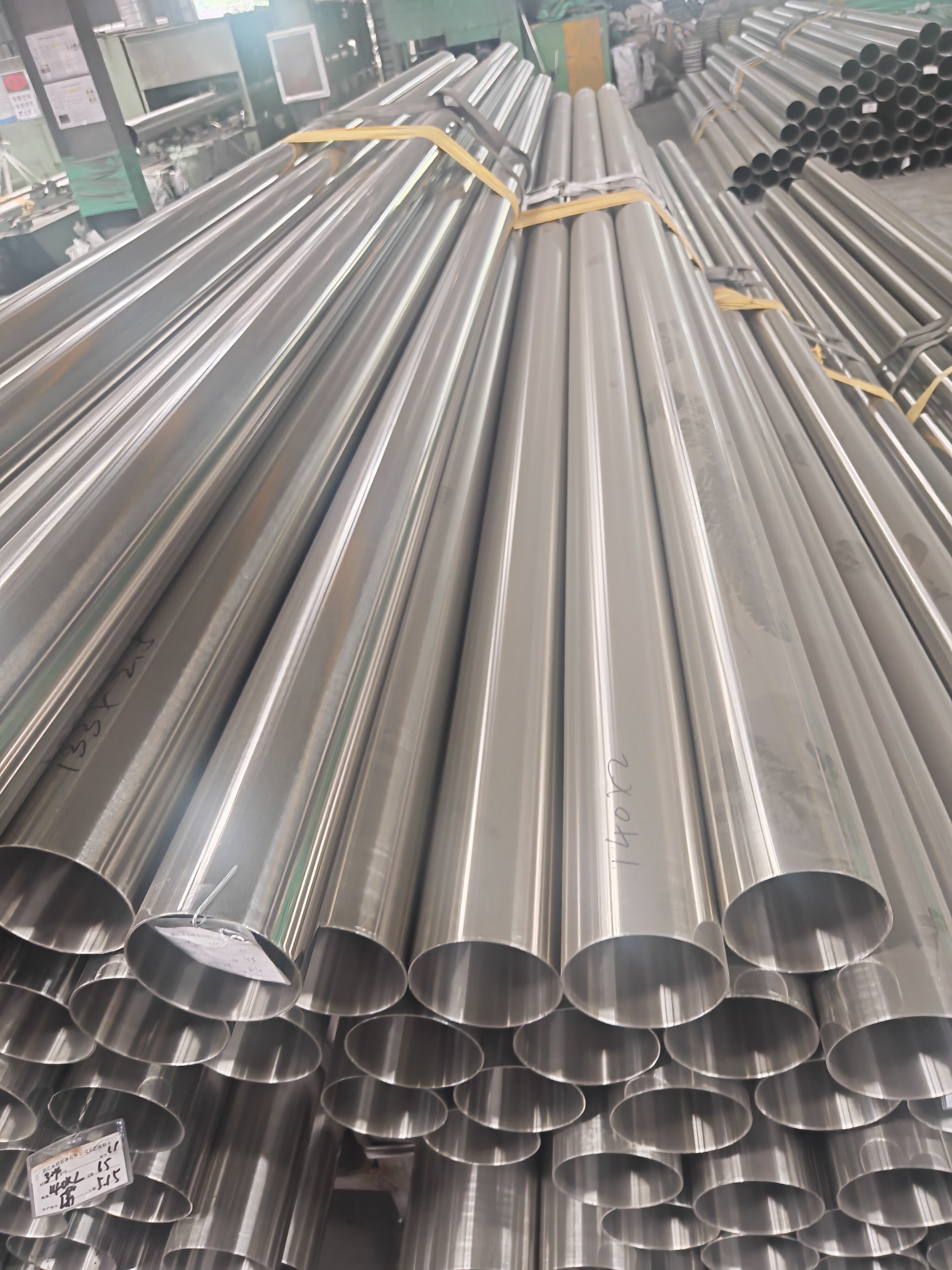
erw galvanized steel pipe
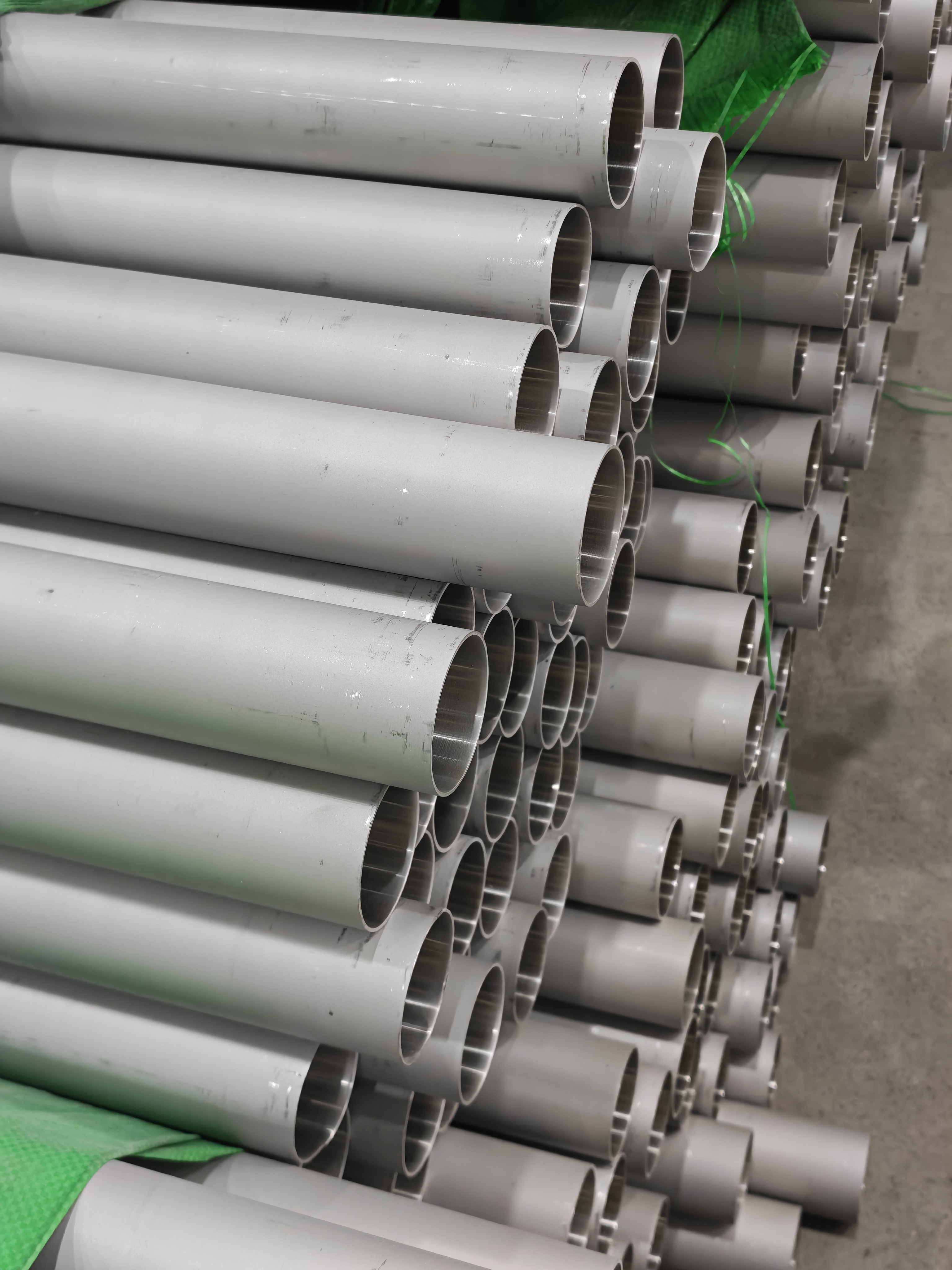
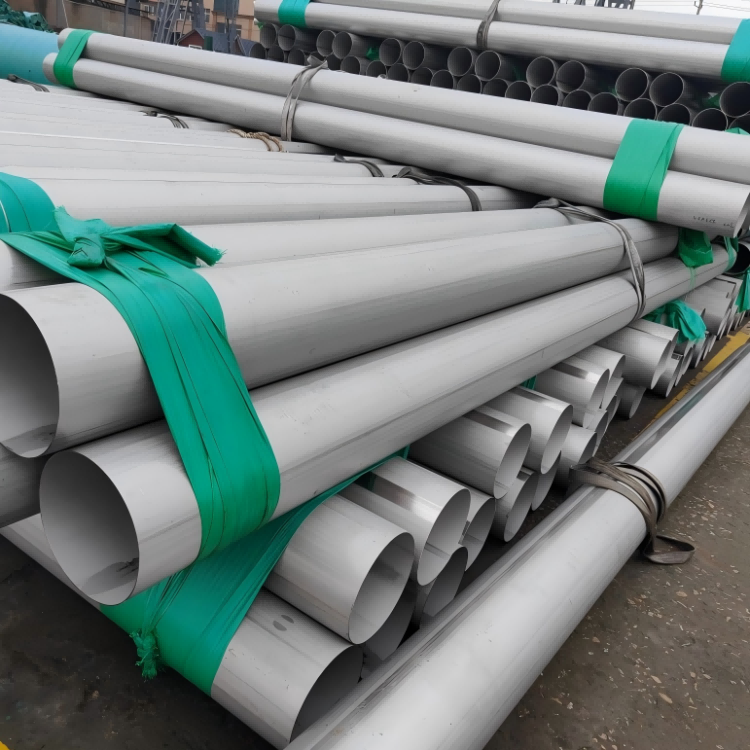
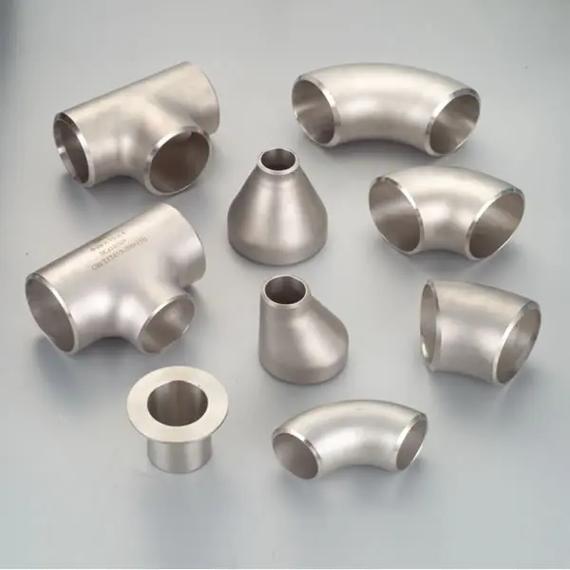
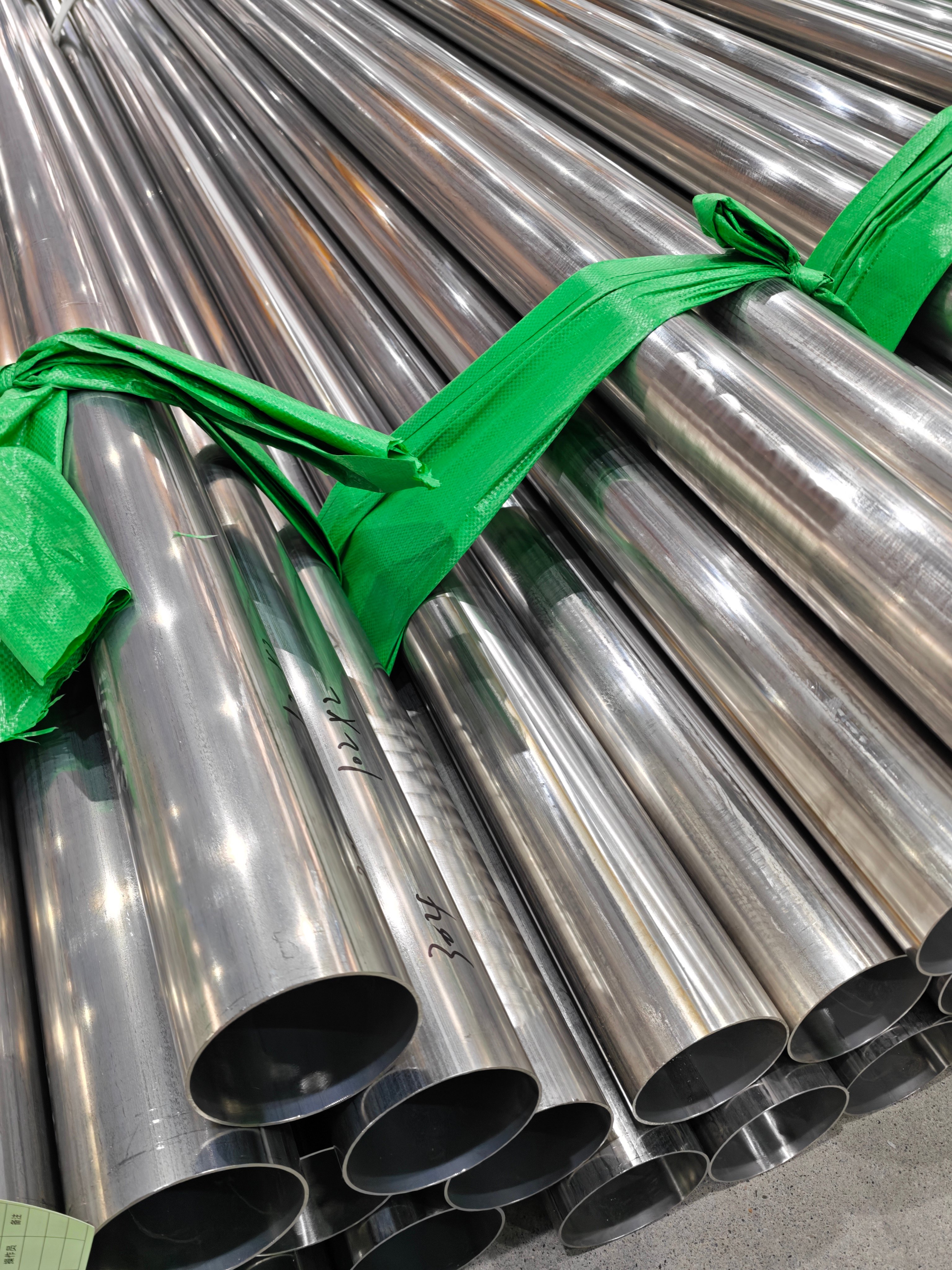
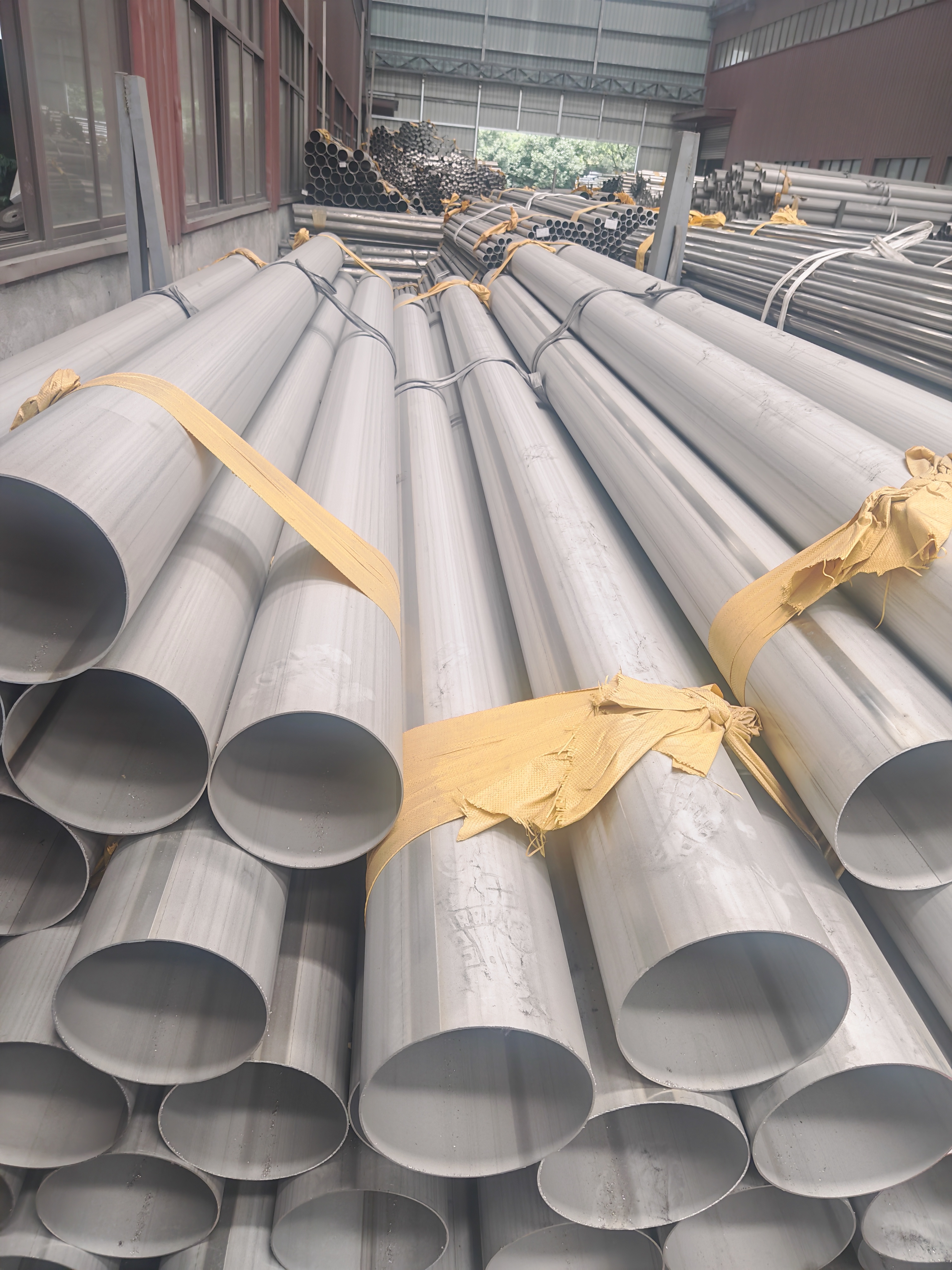
The ERW galvanized steel pipe represents a modern solution for fluid and gas transport applications. ERW stands for Electric Resistance Welding, a manufacturing process that creates seamless-looking joints with exceptional strength. An erw galvanized steel pipe features a zinc coating applied after the welding process, providing outstanding corrosion resistance in diverse environments. This combination makes the erw galvanized steel pipe ideal for both industrial and commercial projects requiring durability and reliability. The manufacturing of an erw galvanized steel pipe involves forming steel strip into a tubular shape, welding the seam using electrical resistance, and then submerging the entire pipe in molten zinc. This process ensures uniform protection across all surfaces. The erw galvanized steel pipe serves multiple functions, including water distribution, structural support, mechanical applications, and chemical transport. Its technological features include high tensile strength, excellent weldability, and superior corrosion protection lasting 50+ years in most environments. The erw galvanized steel pipe maintains consistent internal and external dimensions, ensuring reliable performance in demanding applications. Industries including construction, agriculture, utilities, and manufacturing rely on the erw galvanized steel pipe for mission-critical infrastructure. The affordability and availability of the erw galvanized steel pipe make it a preferred choice for engineers and contractors seeking cost-effective solutions without compromising quality or performance standards.
 EN
EN