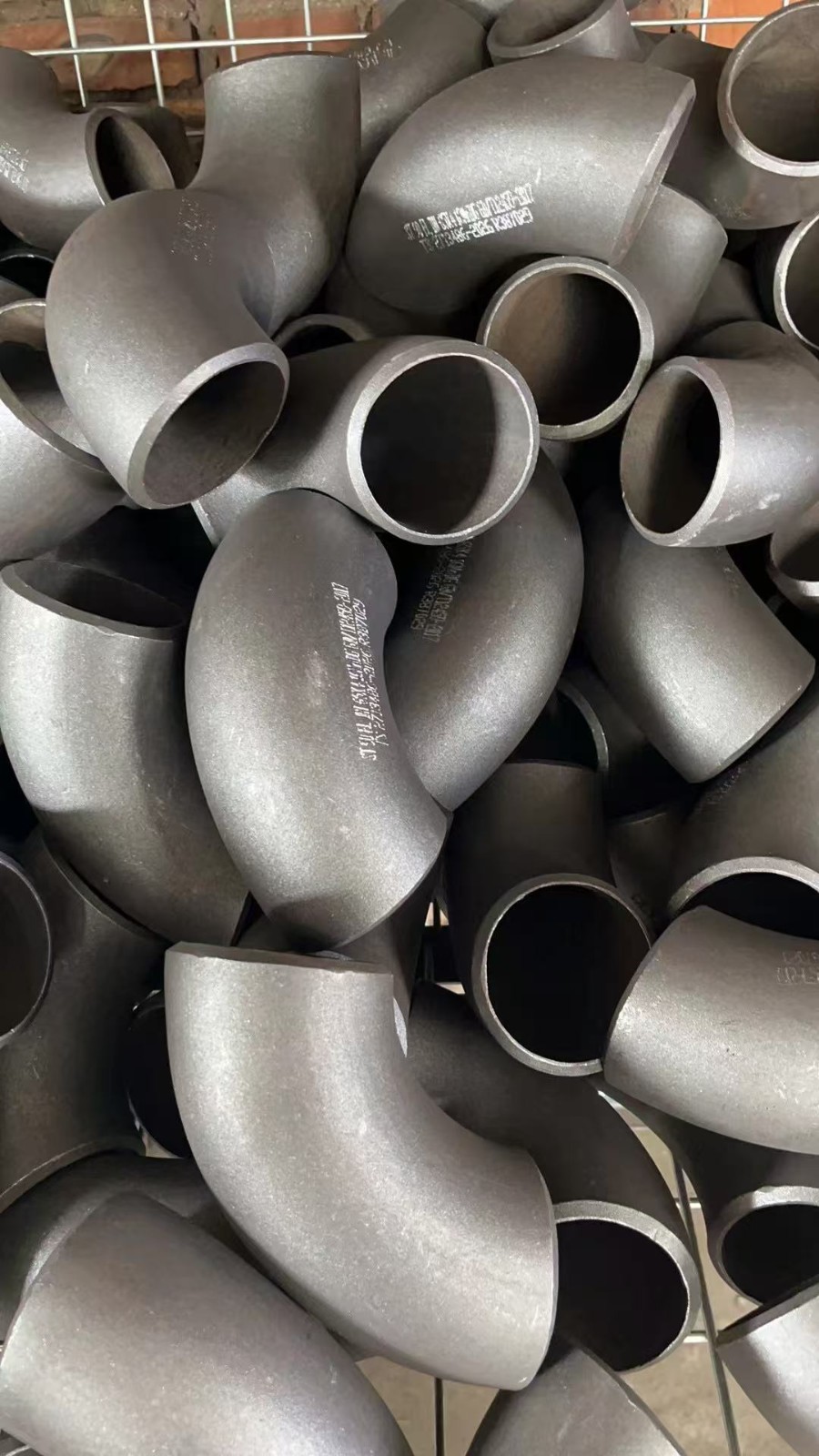
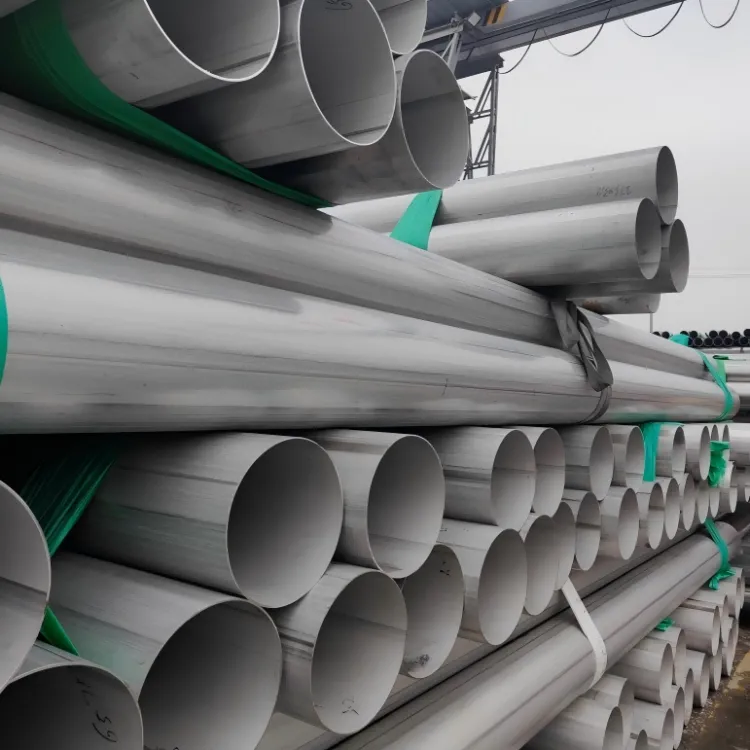
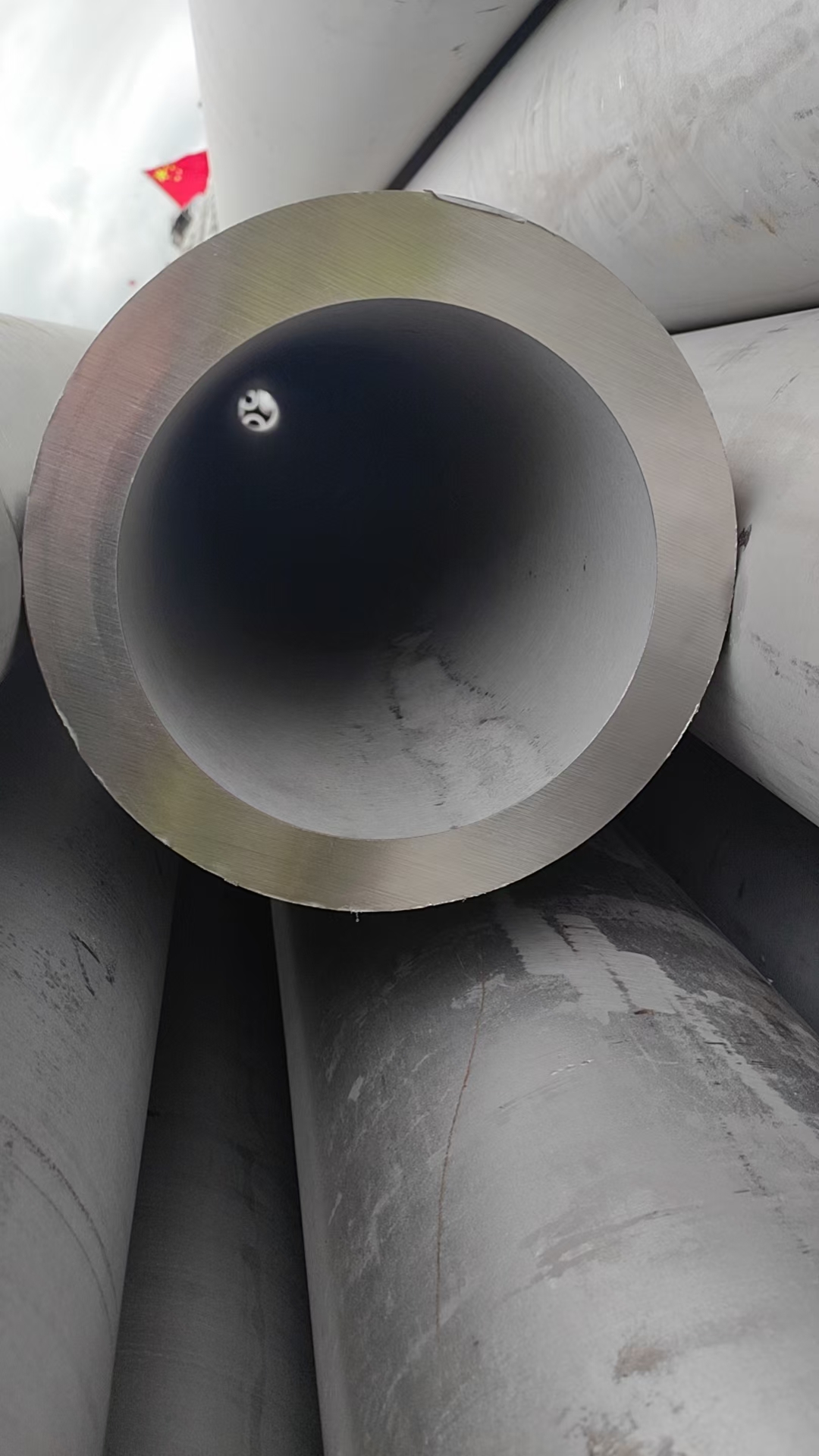
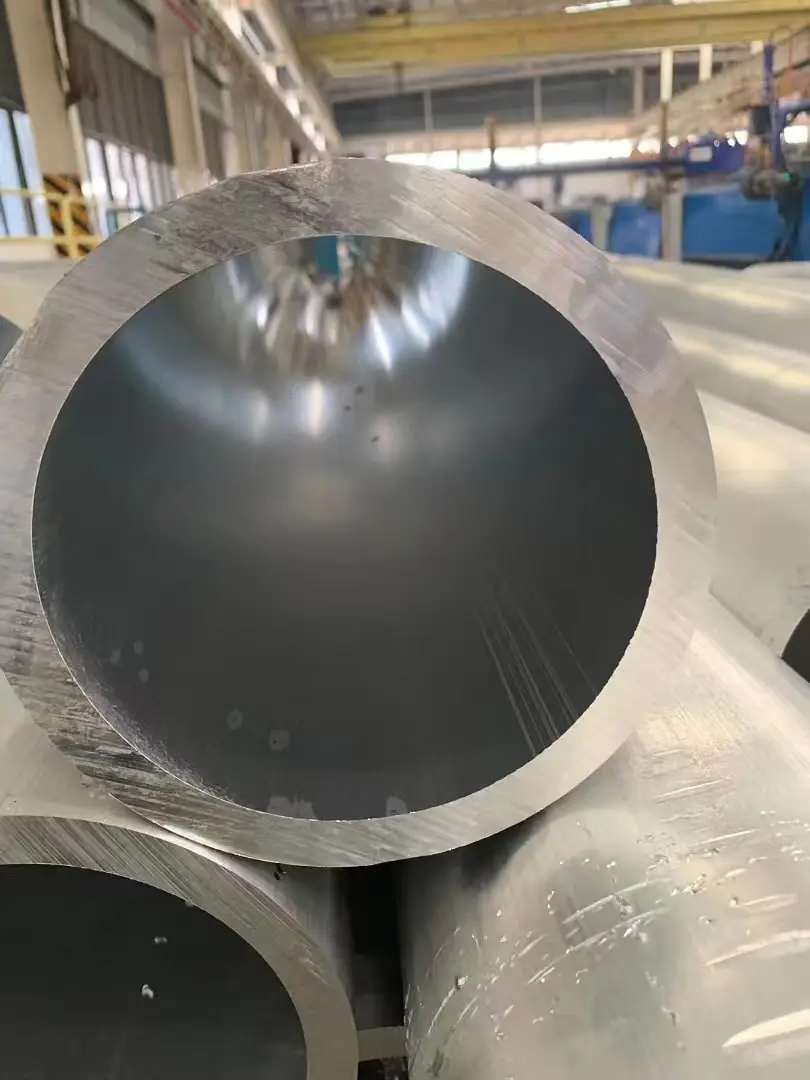
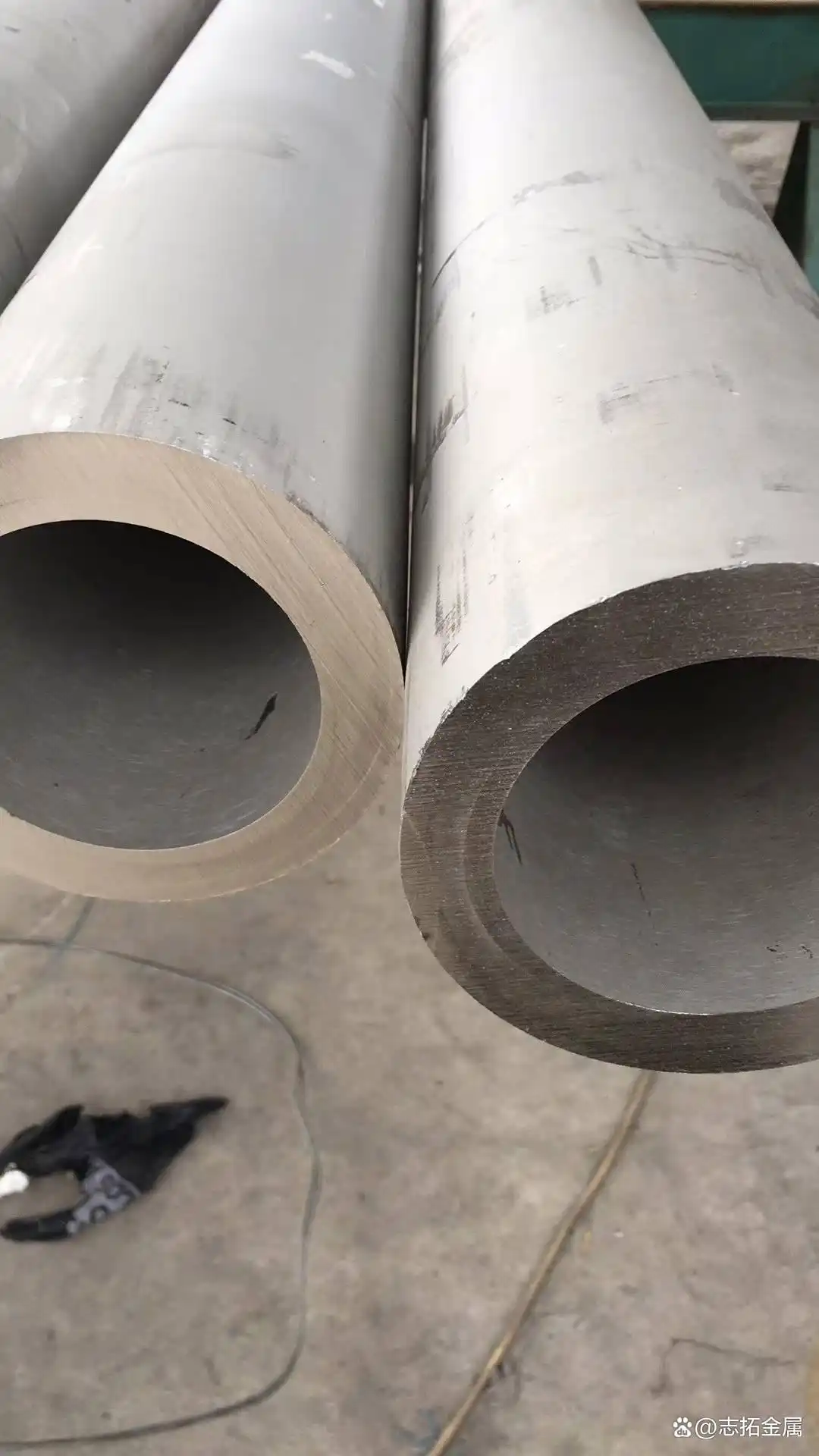
welded and seamless pipe
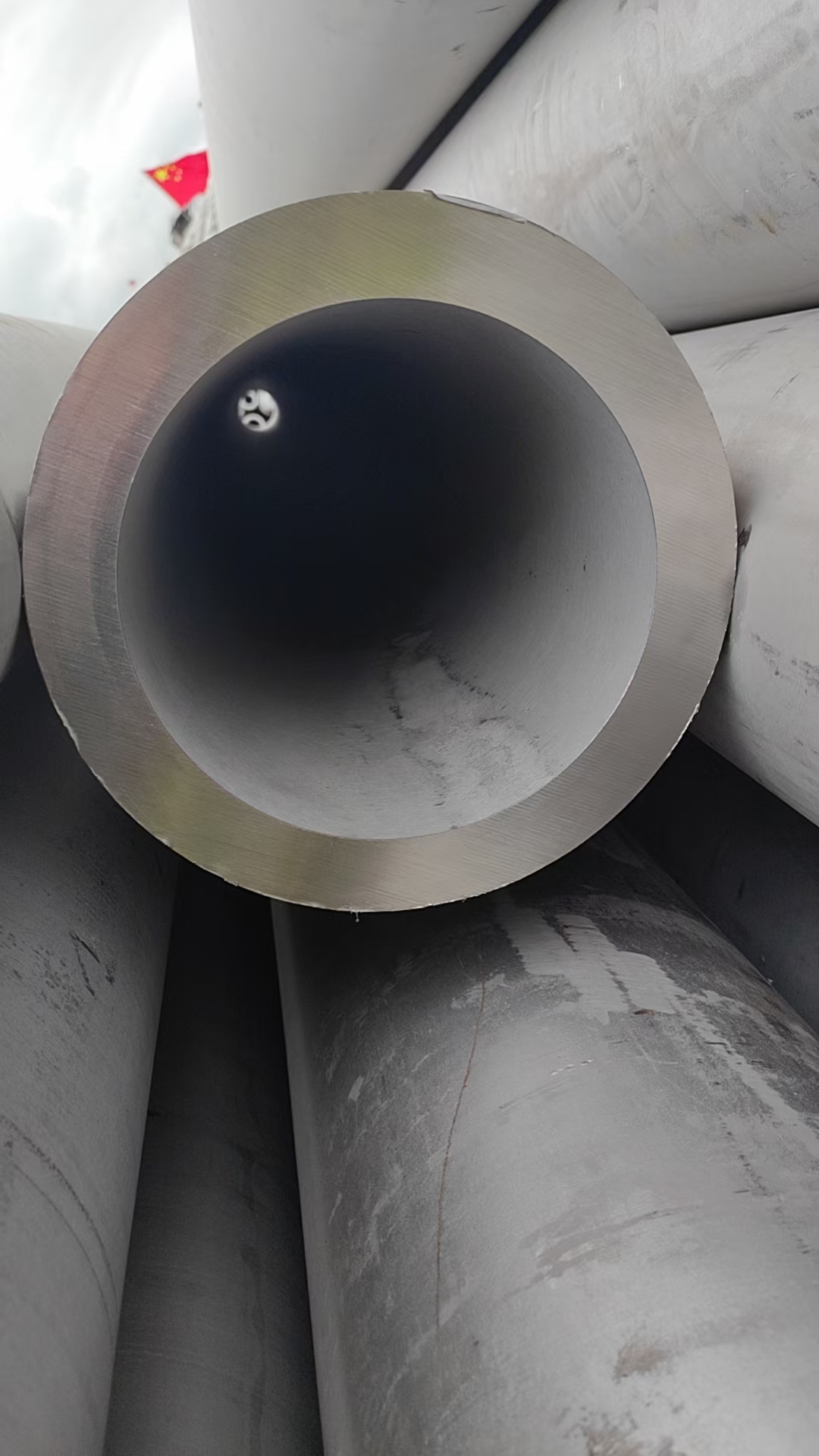
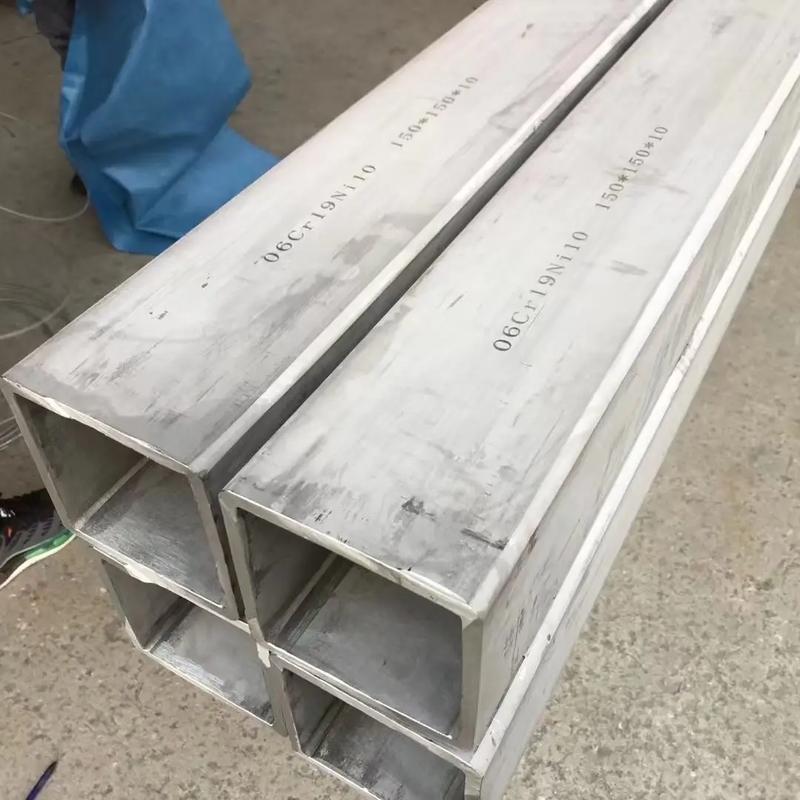
Welded and seamless pipe represents two fundamental categories of tubular products engineered for diverse industrial applications. A welded and seamless pipe differs primarily in manufacturing methodology, with welded variants created by rolling flat steel strips and joining seams through welding processes, while seamless options are produced by piercing solid steel billets. Both welded and seamless pipe types serve critical functions across multiple sectors including oil and gas, construction, automotive, and fluid transport systems.
The welded and seamless pipe technologies incorporate distinct advantages suited to different operational requirements. Seamless variants eliminate joint weaknesses, offering superior pressure handling capabilities and internal flow consistency. Conversely, welded and seamless pipe designs provide cost-effective solutions when seamless options prove economically prohibitive. Modern welded and seamless pipe manufacturing employs advanced quality control measures, including ultrasonic testing and hydrostatic pressure verification.
Technologically, welded and seamless pipe production involves precise dimensional tolerances, metallurgical composition management, and surface finish specifications. The welded and seamless pipe industry maintains strict compliance with international standards including ASTM, API, and ISO certifications. Both categories demonstrate exceptional corrosion resistance when properly treated, durability under extreme temperatures, and reliable performance in challenging environments. Applications range from high-pressure conveying systems to structural frameworks. Understanding the distinctions between welded and seamless pipe options enables informed procurement decisions aligned with specific project requirements and budget constraints.
 EN
EN