 EN
EN

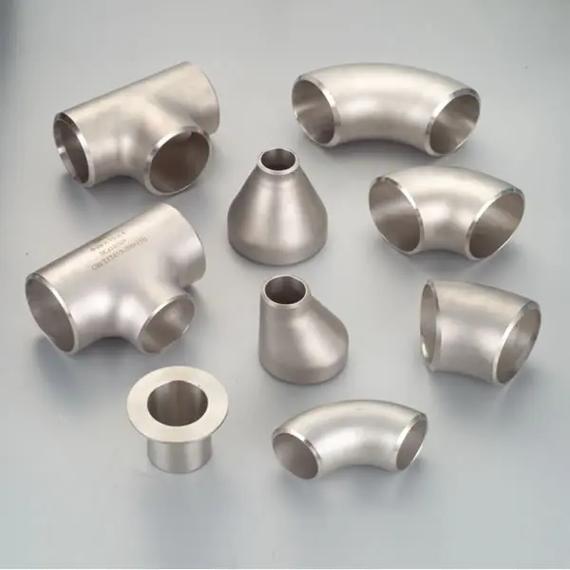
When engineers and procurement specialists evaluate materials for long-lasting industrial applications, 300 stainless steel consistently emerges as one of the most dependable choices available. This family of austenitic alloys offers a remarkable combination of corrosion resistance, mechanical strength, and fabrication versatility that directly translates into extended product service life. Understanding exactly how 300 stainless steel contributes to durability allows manufacturers, designers, and buyers to make more informed material decisions that reduce lifecycle costs and improve end-product reliability.
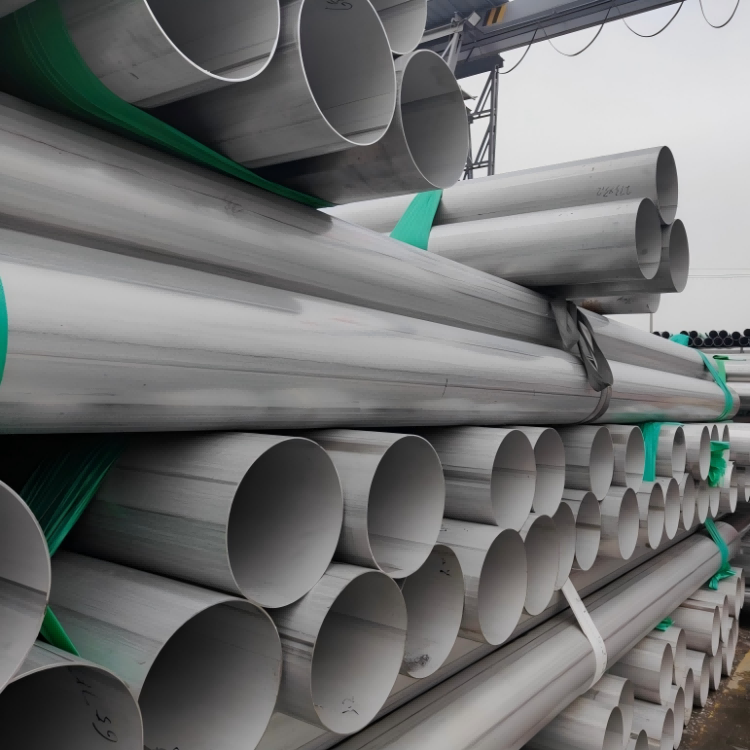
The durability improvements that 300 stainless steel delivers are not accidental. They stem from carefully balanced chemistry, well-understood metallurgical behavior, and decades of proven performance across demanding industrial sectors. From chemical processing pipelines to food-grade handling equipment and precision-engineered components, 300 stainless steel has demonstrated time and again that it can withstand conditions that would rapidly degrade inferior materials. This article examines the specific mechanisms by which 300 stainless steel enhances product durability and explains why it remains the go-to alloy family for applications where longevity is non-negotiable.
The Metallurgical Foundations of 300 Stainless Steel Durability
Austenitic Structure and Its Role in Performance
The 300 series is classified as austenitic stainless steel, meaning its microstructure is face-centered cubic at room temperature. This crystallographic arrangement is fundamentally responsible for several of the material's most valuable mechanical properties. The austenitic structure provides excellent ductility, meaning the material can absorb energy and deform plastically before fracturing, which is a critical factor in avoiding sudden or catastrophic product failure.
Because 300 stainless steel maintains this stable austenitic phase across a wide temperature range, it does not undergo the brittle-to-ductile transition that plagues ferritic or martensitic steels in colder environments. This thermal stability means that products made from 300 stainless steel retain their toughness whether they operate in sub-zero refrigeration systems or high-temperature industrial furnaces. Durability in both thermal extremes is a defining characteristic of the alloy series.
The non-magnetic nature of most 300 stainless steel grades in their annealed condition also indicates the completeness of the austenitic transformation. This is not merely a curiosity; it signals a homogeneous microstructure free from stress-concentrating phase boundaries that could initiate cracks under cyclic loading. Products manufactured from well-processed 300 stainless steel therefore enjoy superior fatigue resistance, which is a direct contributor to long operational lifespans.
Alloying Elements That Drive Longevity
The chromium content in 300 stainless steel, typically ranging from 16 to 26 percent, is the primary driver of corrosion resistance. Chromium reacts with atmospheric oxygen to form a thin, self-repairing passive oxide layer on the surface of the metal. This passive film acts as a molecular-level barrier against corrosive agents, preventing iron oxidation and the rust formation that destroys product integrity over time.
Nickel, present in significant amounts in most 300 series grades, stabilizes the austenitic structure and enhances resistance to both acidic and alkaline environments. The combination of chromium and nickel creates a synergistic protective effect that far exceeds what either element could achieve alone. This is why 300 stainless steel consistently outperforms carbon steels and lower-alloy materials in corrosive service conditions, significantly extending the usable life of finished products.
Molybdenum additions, found in grades such as 316, further enhance the durability of 300 stainless steel by improving resistance to pitting and crevice corrosion in chloride-rich environments. For products deployed in marine, coastal, or chemical processing applications, this molybdenum-enhanced corrosion protection is the difference between years of reliable service and premature failure. Nitrogen additions in some specialty grades within the 300 family additionally boost strength without sacrificing corrosion resistance.
How 300 Stainless Steel Resists Environmental Degradation
Passive Film Regeneration and Self-Healing Behavior
One of the most important durability mechanisms of 300 stainless steel is the self-repairing nature of its chromium oxide passive film. When a product surface is scratched, machined, or otherwise mechanically damaged, the exposed bare metal immediately reacts with oxygen in the environment to reform the protective oxide layer. This autonomous regeneration means that the material continuously maintains its corrosion barrier without requiring external intervention such as painting, coating, or plating.
In practical terms, this self-healing behavior substantially reduces maintenance requirements for products made from 300 stainless steel. Industrial equipment, piping systems, and structural components can operate in corrosive environments for years without requiring surface refinishing or protective coating renewal. The elimination of coating maintenance cycles directly reduces total cost of ownership while sustaining the original protective performance throughout the product lifecycle.
The passive film on 300 stainless steel is only a few nanometers thick but is extraordinarily effective at blocking corrosive ion diffusion. It remains stable across a wide pH range, making 300 stainless steel suitable for products that contact everything from mild acids to alkaline cleaning agents. This chemical stability across diverse exposure conditions is a cornerstone of why the material improves durability across so many different industries and application types.
High-Temperature and Cryogenic Durability
Thermal resilience is another dimension of durability where 300 stainless steel delivers exceptional performance. Many grades within the 300 series retain adequate strength and oxidation resistance at temperatures approaching 900 degrees Celsius, making them appropriate for heat exchangers, exhaust systems, and high-temperature processing equipment. Products designed for elevated operating temperatures benefit enormously from the stable, non-scaling surface behavior that 300 stainless steel provides.
At the opposite end of the thermal spectrum, 300 stainless steel maintains ductility at cryogenic temperatures, a property that many other structural metals cannot match. This makes 300 stainless steel the material of choice for liquefied gas storage vessels, cryogenic transfer lines, and components in low-temperature research equipment. The ability to sustain mechanical performance across this extreme temperature span without phase changes or embrittlement significantly extends the durability of products in demanding thermal environments.
Thermal cycling, the repeated expansion and contraction that products undergo as they heat and cool, is a common cause of fatigue cracking and joint failure in industrial equipment. The consistent thermal expansion coefficient and stable microstructure of 300 stainless steel minimize the differential stresses generated during cycling. Products fabricated from this material therefore exhibit superior resistance to thermal fatigue, which is a critical advantage in applications involving frequent temperature fluctuations.
Mechanical Properties That Translate Directly to Product Longevity
Strength, Toughness, and Work Hardening
300 stainless steel offers a favorable combination of tensile strength and yield strength for structural applications while maintaining the high elongation values that indicate good toughness. Toughness, defined as the ability to absorb energy before fracture, is particularly important for products that experience impact loads or vibration during service. A material that is strong but brittle will fail abruptly under shock conditions, whereas the toughness of 300 stainless steel allows products to survive occasional overloads without catastrophic fracture.
The work hardening behavior of austenitic 300 stainless steel is another property that can enhance product durability in specific applications. When the material is subjected to cold working during manufacturing, its strength increases significantly without a corresponding loss of corrosion resistance. This means that precision-formed components retain excellent mechanical properties even after extensive forming operations, supporting the production of strong, durable parts with complex geometries.
Hardness, while not extremely high in the annealed condition, can be increased in 300 stainless steel through cold working to levels that improve wear resistance in sliding contact applications. Products such as shafts, bushings, and valve components can benefit from this controlled hardening, extending their wear life and reducing replacement frequency. The ability to tailor hardness through processing rather than heat treatment simplifies manufacturing while still delivering durability improvements.
Fatigue Resistance in Cyclic Loading Applications
Many industrial products are subjected to repeated cyclic loading throughout their service lives. Fatigue failure, where cracks initiate and propagate under repeated stress cycles well below the material's ultimate tensile strength, is one of the leading causes of unexpected product failure. The microstructural stability and surface oxide integrity of 300 stainless steel contribute to superior fatigue resistance compared to unprotected carbon steels, which can develop surface pitting and corrosion that act as crack initiation sites.
In environments where both cyclic loading and corrosive media are present simultaneously, the combined damage mechanism known as corrosion fatigue is particularly destructive. 300 stainless steel's passive film continuity significantly reduces corrosion fatigue susceptibility, as it prevents the electrochemical dissolution at crack tips that accelerates propagation in unprotected metals. Products operating in wet, chemically active, or cyclically stressed conditions therefore gain substantial durability advantages by being made from 300 stainless steel.
Precision-engineered tubular products, such as those offered through 300 stainless steel seamless pipe solutions, exemplify how tight dimensional control and material quality work together to support fatigue resistance. Seamless construction eliminates weld seams, which are common sites of stress concentration and reduced corrosion resistance, thereby further enhancing the durability of tubular components in demanding service environments.
Applications Where 300 Stainless Steel Delivers Maximum Durability Gains
Chemical Processing and Fluid Handling Equipment
Chemical processing environments represent some of the most aggressive conditions that industrial products must endure. Exposure to acids, alkalis, solvents, and elevated temperatures would rapidly destroy products made from ordinary carbon steel or even lower-grade alloys. 300 stainless steel was specifically developed to meet these challenges, and its performance in chemical service has been validated through decades of real-world application data.
Pipes, vessels, heat exchangers, and fittings fabricated from 300 stainless steel routinely operate for years or even decades in chemical plants without requiring replacement due to corrosion. This extraordinary service life reduces plant downtime, lowers maintenance labor costs, and minimizes the risk of product contamination or environmental release caused by equipment failure. The durability improvement that 300 stainless steel provides in chemical service is therefore not just a material advantage but a significant operational and safety benefit.
For fluid handling systems where cleanliness is critical, such as in pharmaceutical or food and beverage processing, the smooth, non-reactive surface of 300 stainless steel prevents bacterial adhesion and simplifies sanitary cleaning. Products maintain their surface integrity even after repeated exposure to aggressive cleaning chemicals, ensuring consistent hygienic performance throughout a long service life. This cleanability and chemical resistance combination is uniquely well-suited to industries where product quality and regulatory compliance depend on material durability.
Structural and Architectural Applications
Beyond fluid handling, 300 stainless steel contributes to durability in structural and architectural contexts where long-term appearance retention and mechanical integrity are both essential. Structural components exposed to outdoor environments, including coastal or industrial atmospheres, benefit from the same passive oxide protection that makes 300 stainless steel so effective in chemical service. Unlike painted or coated carbon steel structures that require periodic maintenance, 300 stainless steel structural elements maintain their protective surface condition with minimal intervention.
Architectural cladding, handrails, facades, and support systems made from 300 stainless steel have demonstrated service lives measured in decades even in challenging environments. The combination of aesthetic appeal and genuine structural durability makes 300 stainless steel the preferred material for landmark buildings, infrastructure projects, and public installations where both longevity and visual performance are required. Designers benefit from knowing that the specified material will retain its integrity and appearance over the building's entire expected service life.
The durability of structural products made from 300 stainless steel also contributes to sustainability objectives by reducing the material consumption associated with frequent replacement. Longer-lived products generate less waste, require fewer manufacturing cycles for replacement parts, and reduce the total environmental impact of the built environment. Material durability and environmental responsibility are therefore closely aligned when 300 stainless steel is chosen for long-life structural applications.
FAQ
What makes 300 stainless steel more durable than standard carbon steel?
300 stainless steel is more durable than standard carbon steel primarily because of its chromium-rich passive oxide film, which provides continuous corrosion protection that carbon steel entirely lacks. The austenitic microstructure also delivers better toughness, thermal stability, and fatigue resistance. In corrosive or thermally demanding environments, these differences translate into dramatically longer product service lives and lower maintenance requirements.
Does 300 stainless steel maintain its durability after welding or forming?
Properly performed welding and forming operations preserve the essential durability properties of 300 stainless steel. The passive film reforms spontaneously on exposed surfaces after fabrication, restoring corrosion resistance. For welded assemblies in aggressive environments, using low-carbon grades such as 304L or 316L reduces the risk of sensitization, a condition that can compromise corrosion resistance near welds if standard grades are used without subsequent heat treatment.
Which grades within the 300 stainless steel family offer the best durability in chloride environments?
Within the 300 stainless steel family, grades containing molybdenum, most notably 316 and 316L, offer significantly better durability in chloride-containing environments such as seawater, brine, or marine atmospheres. Molybdenum enhances resistance to pitting and crevice corrosion, which are the primary failure modes in chloride service. For extremely aggressive chloride conditions, higher-alloy variants such as 317L provide additional protection by increasing both molybdenum and chromium content.
How does the seamless construction of 300 stainless steel pipes improve product durability?
Seamless construction eliminates weld seams from tubular products, removing a primary site of stress concentration and reduced corrosion resistance. In seamless 300 stainless steel pipes, the microstructure is continuous and homogeneous throughout the pipe wall, providing uniform mechanical properties and corrosion resistance along the entire length. This makes seamless pipes significantly more reliable in high-pressure, high-temperature, or corrosive fluid service compared to welded alternatives, directly contributing to the durability and safety of systems that incorporate them.
Table of Contents
- The Metallurgical Foundations of 300 Stainless Steel Durability
- How 300 Stainless Steel Resists Environmental Degradation
- Mechanical Properties That Translate Directly to Product Longevity
- Applications Where 300 Stainless Steel Delivers Maximum Durability Gains
-
FAQ
- What makes 300 stainless steel more durable than standard carbon steel?
- Does 300 stainless steel maintain its durability after welding or forming?
- Which grades within the 300 stainless steel family offer the best durability in chloride environments?
- How does the seamless construction of 300 stainless steel pipes improve product durability?