 EN
EN

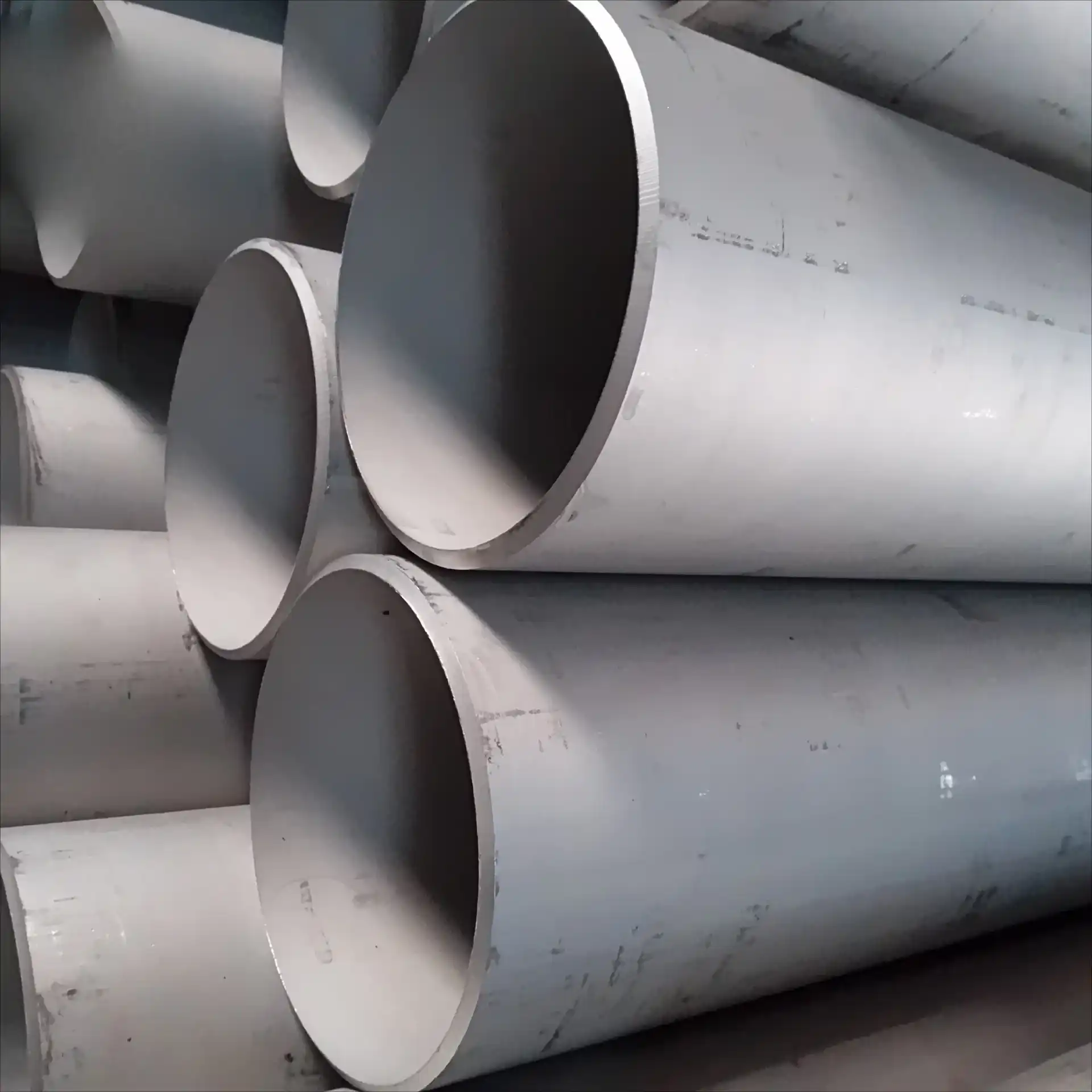
When engineers and procurement professionals talk about corrosion-resistant alloys, 300 stainless steel consistently comes up as one of the most versatile and widely used material families in industrial and commercial applications. This group of austenitic stainless steels is defined by its chromium-nickel composition, which gives it exceptional resistance to oxidation, strong mechanical performance across a broad temperature range, and excellent formability. Understanding what 300 stainless steel actually is — and where it performs best — is essential for anyone selecting materials for demanding environments.
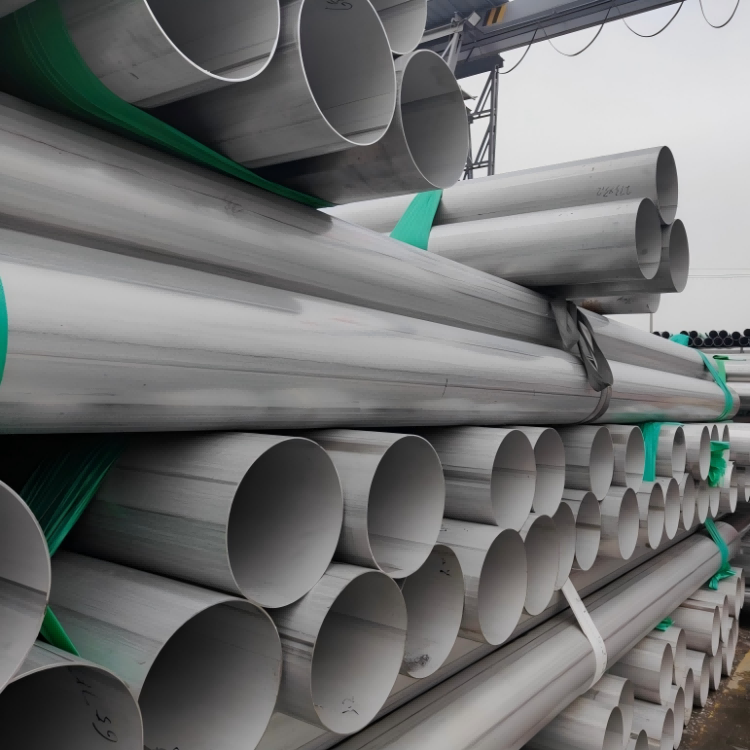
The 300 series stainless steel designation refers to a family of austenitic alloys standardized under the American Iron and Steel Institute (AISI) classification system. Within this series, grades such as 304, 316, 321, and 347 each offer distinct property profiles suited to specific operating conditions. Whether your application demands resistance to chloride corrosion, high-temperature stability, or weldability without sensitization risk, there is a grade within the 300 stainless steel family that fits the requirement. This article breaks down the composition, characteristics, and real-world use cases of this critical alloy group.
Defining the 300 Series: Composition and Metallurgical Basis
The Role of Chromium and Nickel
300 stainless steel is classified as austenitic, meaning its microstructure is face-centered cubic at room temperature — a structure stabilized primarily by nickel. The chromium content in these alloys typically ranges from 16% to 26%, while nickel content ranges from 6% to 22%, depending on the specific grade. This chromium-nickel pairing is what gives 300 stainless steel its defining characteristic: the formation of a passive chromium oxide layer on the surface that self-repairs when damaged in the presence of oxygen.
The austenitic structure also means that 300 stainless steel cannot be hardened through heat treatment — unlike martensitic or ferritic grades — but it can be strengthened through cold working. This makes it highly predictable in manufacturing and fabrication environments where dimensional stability and consistent mechanical properties are required. The non-magnetic nature of most 300 series stainless steel grades (in annealed condition) is another useful feature for certain electrical and electronic applications.
Key Grades Within the 300 Series
Grade 304 is the most commonly specified member of the 300 stainless steel family, containing approximately 18% chromium and 8% nickel. It balances cost-effectiveness with broad corrosion resistance and is suitable for most non-halide environments. Grade 316 adds molybdenum — typically 2% to 3% — which significantly improves resistance to chloride pitting and crevice corrosion, making it the preferred choice for marine and chemical processing applications.
Grade 321 incorporates titanium as a stabilizing element to prevent sensitization during welding or prolonged high-temperature exposure, making it a reliable choice for exhaust systems and aerospace components. Grade 347 uses niobium for the same stabilization purpose and is often preferred in nuclear and refinery applications. Each of these grades shares the foundational austenitic chemistry of 300 stainless steel while optimizing for specific performance requirements. Selecting the correct sub-grade is as important as selecting the series itself.
Mechanical and Physical Properties That Define Performance
Strength, Ductility, and Toughness
300 stainless steel offers a tensile strength typically ranging from 515 MPa to 620 MPa in annealed condition, with yield strengths generally between 205 MPa and 310 MPa depending on the specific grade and processing history. More importantly, these alloys maintain excellent elongation values — often 40% to 60% — which reflects high ductility. This combination of reasonable strength and excellent ductility makes 300 series stainless steel highly formable without cracking during deep drawing, bending, or roll forming operations.
Toughness — the ability to absorb energy without fracturing — is another key advantage of 300 stainless steel. Unlike many ferritic or martensitic alloys that exhibit a ductile-to-brittle transition at low temperatures, austenitic grades retain their impact toughness well below freezing. This makes 300 stainless steel a reliable choice for cryogenic storage vessels, liquefied natural gas (LNG) equipment, and cold-climate infrastructure where brittleness would pose a safety risk.
Thermal and Corrosion Performance
300 stainless steel retains useful mechanical properties at elevated temperatures, with oxidation resistance typically maintained up to 870°C for intermittent service and up to 925°C for continuous service in standard 304 grade. Stabilized grades like 321 and 347 extend high-temperature service life further by preventing carbide precipitation at grain boundaries — a phenomenon known as sensitization that can lead to intergranular corrosion. For applications involving sustained thermal cycling or high-temperature media contact, specifying the correct stabilized grade within the 300 series stainless steel family is critical.
In terms of corrosion, 300 stainless steel resists attack from a wide range of mildly corrosive media including fresh water, organic acids, nitric acid, and most atmospheric conditions. The molybdenum-bearing grade 316 extends this resistance into environments containing chlorides, sulfuric acid at moderate concentrations, and phosphoric acid. However, all grades of 300 stainless steel are susceptible to stress corrosion cracking in high-temperature chloride environments, and designers must account for this when engineering for marine or aggressive chemical service.
Primary Industrial Applications of 300 Stainless Steel
Process Piping and Fluid Handling Systems
One of the most significant uses of 300 stainless steel is in process piping systems across the chemical, petrochemical, pharmaceutical, and food processing industries. Seamless and welded pipes manufactured from 304 and 316 grades carry everything from ultra-pure pharmaceutical fluids to aggressive chemical process streams. The material's combination of corrosion resistance, cleanability, and weldability makes it the default choice for hygienic piping systems where contamination control is paramount. 300 stainless steel seamless pipes in particular are valued for their uniform wall thickness and absence of weld seams, reducing potential leak points in high-pressure applications.
In oil and gas upstream and midstream operations, 300 stainless steel tubing and piping components handle corrosive produced water, sour gas streams, and high-temperature process fluids. The superior toughness of austenitic grades also makes them suitable for subsea applications where both pressure and low-temperature conditions must be simultaneously managed. Flanges, fittings, valves, and heat exchanger tubes fabricated from 300 series stainless steel are ubiquitous in these environments because of their long service life and low maintenance requirements.
Food, Beverage, and Pharmaceutical Equipment
The food and beverage industry is one of the largest consumers of 300 stainless steel globally. Processing equipment including tanks, conveyors, work surfaces, mixers, and filling machines is manufactured almost exclusively from 304 or 316 grade material. The smooth, non-porous surface of 300 stainless steel resists bacterial adhesion, tolerates repeated washdown with caustic cleaning agents, and does not impart taste or odor to food products. Regulatory frameworks in many countries specifically mandate or strongly prefer austenitic stainless steel for direct food contact surfaces.
In pharmaceutical and biotechnology manufacturing, 300 stainless steel — particularly electropolished 316L — is the material of choice for reactors, fermenters, transfer lines, and clean-in-place (CIP) systems. The low carbon 'L' variants of 304 and 316 within the 300 series stainless steel family minimize carbide precipitation risk during welding, ensuring that weld zones maintain the same corrosion resistance as the parent material. This is critical in cleanroom and GMP-regulated environments where any form of surface degradation could compromise product purity.
Architecture, Construction, and Consumer Applications
300 stainless steel has found broad application in architectural and construction contexts where both aesthetics and durability are required. Cladding panels, curtain wall systems, roofing materials, handrails, elevator interiors, and structural facades in coastal or urban environments are routinely fabricated from 304 or 316 grade. The ability to achieve a range of surface finishes — from mirror-polished to brushed, bead-blasted, or patterned — makes 300 series stainless steel highly adaptable to design requirements without sacrificing corrosion performance.
At the consumer level, kitchen appliances, cookware, cutlery, and sink units are manufactured from 300 stainless steel in massive volumes. Grade 304 dominates this segment due to its balance of performance and cost. Automotive exhaust systems, particularly catalytic converter housings and exhaust manifolds, use stabilized grades 321 or 409 from the adjacent ferritic series when high-temperature oxidation resistance is the primary driver, though austenitic 300 stainless steel grades are still widely used in headers and decorative exhaust tips where both heat and appearance matter.
Fabrication, Welding, and Workability Considerations
Machining and Forming Behavior
300 stainless steel is more challenging to machine than carbon steel due to its tendency to work-harden rapidly during cutting operations. This requires sharp tooling, adequate cutting fluid, and controlled feed rates to prevent built-up edge and poor surface finish. Despite this, austenitic grades are considered highly formable in stamping, deep drawing, and roll-forming applications because the high ductility accommodates significant plastic deformation before failure. Cold working intentionally applied to 300 series stainless steel can increase yield strength substantially — a technique used to produce high-strength fasteners, springs, and drawn tubing without alloy additions.
The work-hardening behavior of 300 stainless steel also means that surface grinding, wire brushing, or mechanical finishing will strengthen and slightly harden the surface layer, which can actually improve wear resistance in certain contact applications. For precision components, this behavior must be accounted for in tolerance stack-up calculations, as subsequent forming operations on pre-worked material will behave differently than on fully annealed stock.
Welding and Post-Weld Considerations
Welding 300 stainless steel is generally straightforward with TIG, MIG, and plasma arc processes, though care must be taken to avoid sensitization — the precipitation of chromium carbides at grain boundaries in the heat-affected zone when material is held between 425°C and 870°C. For standard 304 and 316 grades, post-weld solution annealing can restore full corrosion resistance, but this is often impractical for large fabrications. The low-carbon 'L' grades and stabilized grades (321, 347) within the 300 stainless steel family are specifically designed to remain weld-ready without requiring post-weld heat treatment.
Filler metal selection is equally important when welding 300 series stainless steel. Using a filler with slightly higher alloy content than the base metal — a common practice — ensures that the weld deposit maintains adequate corrosion resistance even after dilution. Contamination of the weld zone with carbon steel particles from tooling, fixtures, or grinding discs can introduce rust initiation sites on the otherwise passive surface of 300 stainless steel, so dedicated tooling and work area segregation are standard best practices in quality-controlled fabrication environments.
FAQ
What is the difference between 304 and 316 stainless steel within the 300 series?
Both 304 and 316 are grades within the 300 stainless steel family and share the austenitic chromium-nickel structure. The key difference is that 316 contains 2% to 3% molybdenum, which significantly improves resistance to chloride pitting and crevice corrosion. This makes 316 the preferred choice for marine environments, chemical processing, and pharmaceutical applications where chloride exposure is expected, while 304 is suitable for general-purpose corrosion resistance at lower cost.
Is 300 stainless steel magnetic?
In fully annealed condition, 300 stainless steel is essentially non-magnetic due to its austenitic microstructure. However, cold working — such as bending, drawing, or forming — can induce a partial martensitic transformation in some grades, particularly 301 and 304, making them slightly magnetic. Grade 316 is more stable and retains its non-magnetic character better under deformation. For applications where magnetic permeability must be strictly controlled, specifying the exact grade and limiting cold work are important considerations.
Can 300 stainless steel be used in high-temperature applications?
300 stainless steel performs well at elevated temperatures, with standard 304 maintaining oxidation resistance up to approximately 870°C in intermittent service. For continuous high-temperature service or applications involving thermal cycling, stabilized grades 321 and 347 within the 300 series stainless steel family are preferred because they resist sensitization and intergranular corrosion. High-temperature mechanical properties, including creep resistance, should be evaluated against specific design temperatures when selecting the appropriate grade.
Where is 300 stainless steel not suitable?
300 stainless steel has known limitations in environments with high chloride concentrations at elevated temperatures, where stress corrosion cracking (SCC) is a risk. It is also not ideal for applications requiring high hardness or wear resistance, as austenitic grades cannot be heat-treated for hardness. Strong reducing acids such as concentrated hydrochloric acid can attack 300 series stainless steel even in the standard grades. In such cases, duplex stainless steels, nickel alloys, or other specialty materials may be more appropriate choices.