 EN

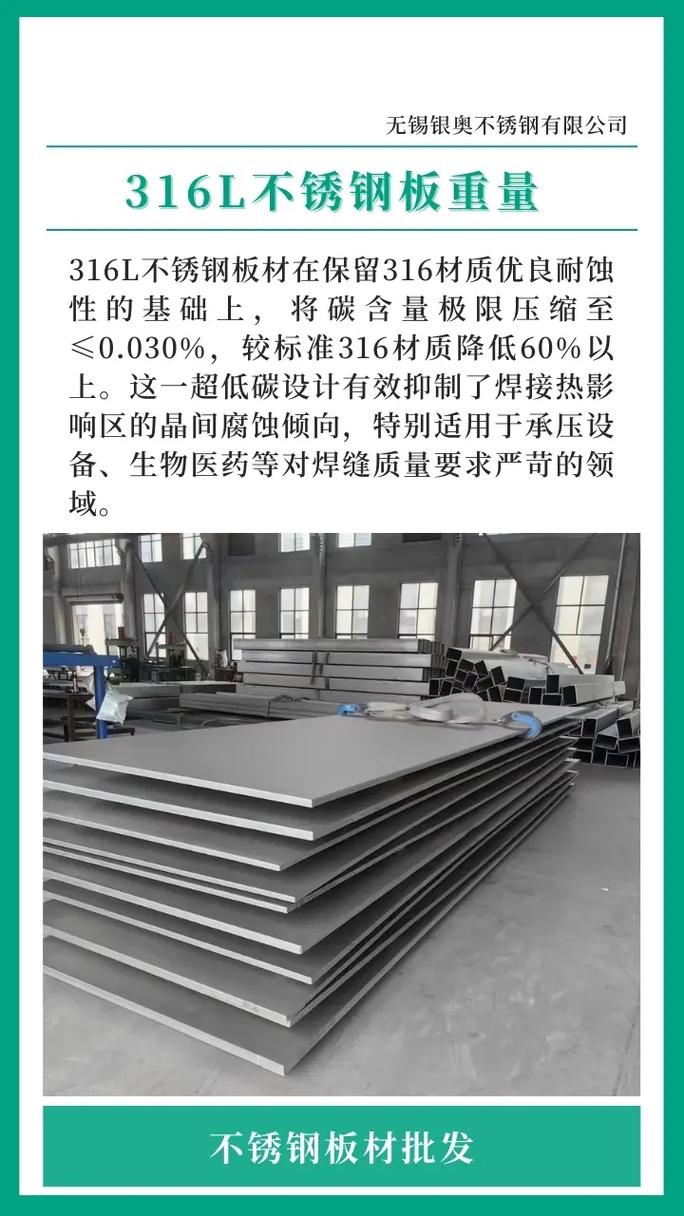
Understanding the relationship between stainless steel 316L composition and material performance is critical for engineers, procurement specialists, and manufacturers selecting alloys for demanding applications. The stainless steel 316L composition defines how the material will behave under extreme conditions, resist corrosion, maintain structural integrity, and perform economically over its service life. This metallurgical foundation determines whether a component will outlast expectations or fail prematurely in harsh industrial environments.
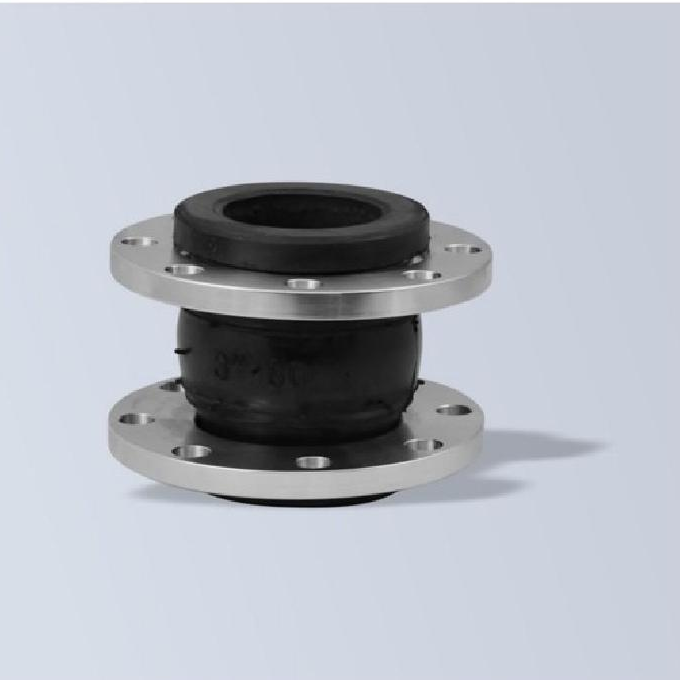
The stainless steel 316L composition represents a carefully balanced blend of elements engineered to provide superior performance where standard stainless grades fall short. Beyond surface-level corrosion resistance, the stainless steel 316L composition delivers enhanced mechanical properties, thermal stability, and chemical compatibility that make it the preferred material in petrochemical plants, pharmaceutical facilities, food processing environments, marine structures, and offshore platforms. Professionals who understand how the stainless steel 316L composition works gain a competitive advantage in material selection and cost optimization.
Alloying Elements in Stainless Steel 316L Composition
Core Metallic Components and Their Roles
The stainless steel 316L composition contains iron as its base element, typically comprising 65 to 70 percent by weight. Chromium content in the stainless steel 316L composition ranges from 16 to 18 percent, creating the passive oxide layer that provides primary corrosion resistance. Nickel, present at 10 to 14 percent in the stainless steel 316L composition, enhances austenitic crystal structure stability and improves toughness at low temperatures. Molybdenum, the distinguishing element in the stainless steel 316L composition compared to 304-grade stainless, contributes 2 to 3 percent and dramatically improves resistance to pitting and crevice corrosion in chloride-containing environments.
Trace Elements and Modification Factors
The stainless steel 316L composition includes manganese at up to 2 percent, which strengthens the material and stabilizes austenitic phase during manufacturing. Carbon content in the stainless steel 316L composition is restricted to a maximum of 0.03 percent, which is the defining characteristic of the 'L' designation meaning 'low carbon.' This low carbon level in the stainless steel 316L composition prevents chromium carbide precipitation during welding, eliminating intergranular corrosion risk in welded joints. Silicon, nitrogen, and phosphorus are carefully controlled in the stainless steel 316L composition to maintain consistent mechanical properties and workability across different production batches and suppliers.
Performance Characteristics Driven by Stainless Steel 316L Composition
Corrosion Resistance and Environmental Durability
The stainless steel 316L composition delivers exceptional resistance to sulfuric acid, acetic acid, and chloride corrosion that attack lower-grade stainless materials. In coastal and offshore applications, the molybdenum content within the stainless steel 316L composition provides critical protection against seawater and saline spray that causes pitting in standard austenitic grades. The stainless steel 316L composition maintains its protective passive layer even in crevices and under deposits, preventing the localized attack that commonly initiates component failure. This superior pitting resistance directly translates to longer service intervals, reduced maintenance costs, and improved safety in food, pharmaceutical, and chemical processing industries.
Mechanical Properties and Strength Profile
The stainless steel 316L composition provides yield strength between 170 and 310 megapascals depending on whether the material is annealed or cold-worked. Tensile strength in the stainless steel 316L composition reaches 485 to 620 megapascals, making it suitable for structural applications requiring both strength and corrosion resistance simultaneously. The stainless steel 316L composition maintains ductility and impact resistance even at subzero temperatures, critical for liquefied gas handling, cryogenic equipment, and arctic offshore platforms. The austenitic crystal structure created by the nickel and manganese elements in the stainless steel 316L composition ensures the material remains non-magnetic, a requirement for certain medical implants, pharmaceutical equipment, and precision instruments.
Processing Effects and Performance Optimization
Welding Behavior and Joint Integrity
The stainless steel 316L composition achieves superior weldability specifically because of its restricted carbon content, which prevents the carbide precipitation that weakens welds in standard 316 grades. When fabricating components using the stainless steel 316L composition, engineers can employ standard welding procedures without requiring post-weld annealing or specialized heat treatments. The stainless steel 316L composition maintains corrosion resistance at and near the heat-affected zone, a critical advantage in pressure vessels, heat exchangers, and pipeline systems where weld joints are common failure points. Multiple passes and complex geometries become feasible with the stainless steel 316L composition because the material retains its protective qualities throughout the welding thermal cycle.
Fabrication and Service Life Implications
The stainless steel 316L composition can be readily formed, machined, and fabricated using conventional equipment and techniques familiar to industrial shops worldwide. Cold working the stainless steel 316L composition increases strength without sacrificing corrosion resistance, enabling designers to optimize wall thickness and weight while maintaining safety margins. The stainless steel 316L composition responds well to passivation treatments that restore and enhance the protective oxide layer after fabrication, welding, or machining operations. This combination of fabrication flexibility and performance retention makes the stainless steel 316L composition the material of choice for custom-engineered components in demanding environments.
Industry Applications and Material Selection Context
Chemical and Petrochemical Industry Requirements
The stainless steel 316L composition is specified for distillation columns, heat exchangers, and storage tanks handling sulfuric acid, formic acid, and other corrosive chemicals that progressively attack lower-grade materials. Refineries depend on the stainless steel 316L composition for equipment handling crude oil streams containing dissolved sulfides and chloride salts that cause rapid corrosion in carbon steel or standard stainless grades. The stainless steel 316L composition's molybdenum content directly addresses the crevice corrosion risk present in flanged joints, pump seals, and heat exchanger tube sheets exposed to aggressive hydrocarbon processing conditions.
Pharmaceutical, Food, and Marine Applications
Pharmaceutical manufacturers select the stainless steel 316L composition for bioreactors, fermentation vessels, and sterile processing equipment because its composition prevents metal ion leaching that could contaminate products. Food processing facilities rely on the stainless steel 316L composition in equipment handling acids, chlorinated water, and salt brines used in preservation and seasoning processes. Marine infrastructure, including subsea piping, deck equipment, and fastening systems, depends on the stainless steel 316L composition to withstand decades of seawater exposure where cost-performance balance is paramount.
FAQ
How does the molybdenum in stainless steel 316L composition improve corrosion performance compared to 304 stainless steel?
Molybdenum in the stainless steel 316L composition significantly improves resistance to pitting and crevice corrosion in chloride-rich environments by strengthening the passive oxide film and narrowing the potential range where localized corrosion initiates. While 304 stainless lacks molybdenum, the stainless steel 316L composition's 2 to 3 percent molybdenum content allows it to withstand seawater, brine, and salt-contaminated processing conditions that would cause rapid pitting failure in 304 grade components.
Why is low carbon content in stainless steel 316L composition critical for welded structures?
The low carbon restriction in the stainless steel 316L composition prevents chromium carbide precipitation at weld heat-affected zones, which would deplete chromium from the surrounding matrix and create paths for intergranular corrosion. This characteristic of the stainless steel 316L composition means welded joints remain as corrosion-resistant as the base material without requiring expensive post-weld annealing or specialized thermal treatments, directly reducing fabrication costs and production time.
Can stainless steel 316L composition be used in subzero temperature applications?
Yes, the nickel and austenitic structure in the stainless steel 316L composition ensure excellent impact strength and ductility at cryogenic temperatures, making it suitable for liquefied natural gas storage, oxygen handling systems, and arctic offshore platforms where temperature-related brittleness failure would occur in ferritic or martensitic stainless steel alternatives.