 EN

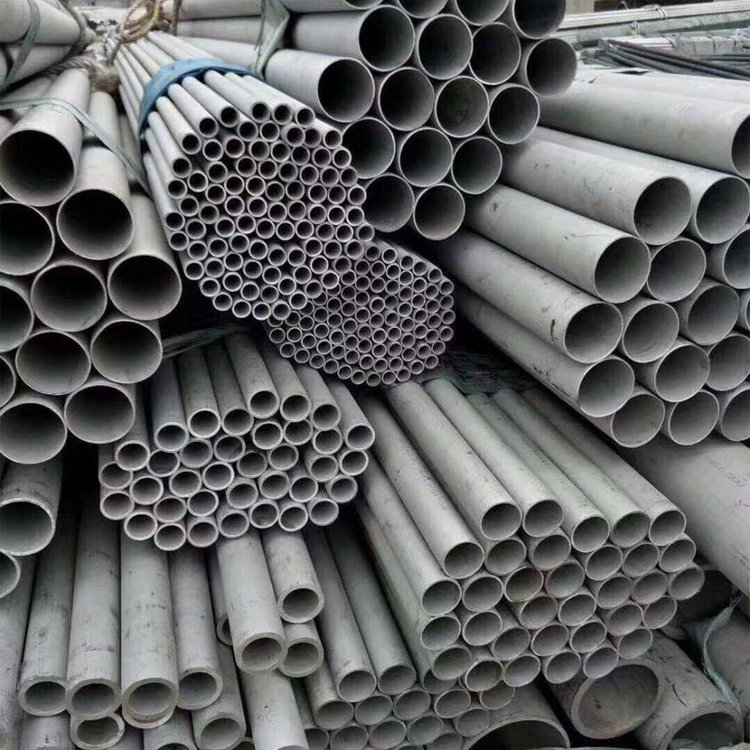
The demand for pickling pipe in industrial manufacturing continues to grow as companies recognize its critical role in achieving superior surface quality and corrosion resistance. Pickling pipe represents a specialized category of steel tubing that undergoes a rigorous chemical treatment process, removing scale and oxides from the metal surface to deliver an exceptionally clean finish. This specialized preparation makes pickling pipe the preferred choice for applications where surface integrity, dimensional accuracy, and long-term durability are non-negotiable requirements in sectors ranging from petrochemical processing to pharmaceutical production.
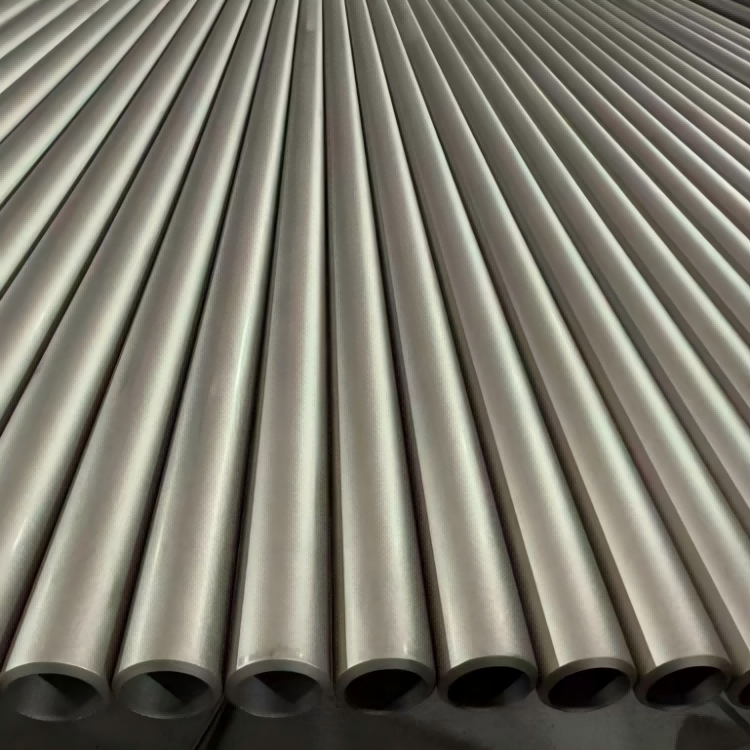
Understanding the specific advantages of pickling pipe enables procurement teams and engineering departments to make informed decisions about material specifications that directly impact product reliability and operational efficiency. When pickling pipe is properly selected and integrated into production workflows, it becomes a foundational element that supports consistent output quality, extends asset lifespan, and reduces maintenance complexity in complex industrial environments.
Surface Preparation and Corrosion Resistance Benefits
Understanding the Pickling Process in Pipe Manufacturing
Pickling pipe achieves its exceptional performance through a controlled acid immersion process that removes mill scale, rust, and surface contaminants that accumulate during initial steel production. The pickling process for pickling pipe typically involves immersion in a mild acid solution, where chemical reaction dissolves oxidized layers while leaving the base steel intact and bright. This treatment transforms pickling pipe from a dull, scale-covered product into a clean, uniform surface that exhibits superior adhesion properties and enhanced corrosion resistance. The resulting pickling pipe surface not only looks pristine but functions more effectively in service, as the absence of scale eliminates potential corrosion initiation sites.
Enhanced Performance in Demanding Industrial Environments
Pickling pipe excels in applications where moisture, chemicals, and thermal cycling accelerate corrosion in conventional piping materials. The clean surface achieved through the pickling process allows protective coatings, heat treatment, and subsequent processing to bond more effectively to pickling pipe, creating robust multi-layered defense systems. Industries relying on pickling pipe for critical infrastructure—including oil and gas, chemical processing, and food production—depend on its proven ability to withstand extended service life while maintaining dimensional stability and structural integrity under stress.
Industrial Applications and Quality Standards
Precision Manufacturing and High-Temperature Service
Pickling pipe serves critical roles in precision manufacturing environments where surface contamination directly impacts product performance and regulatory compliance. Pharmaceutical production facilities routinely specify pickling pipe because the chemically cleaned surface eliminates particle shedding and supports strict cleanliness protocols required for injectable medications and sterile processing equipment. High-temperature boiler systems, heat exchangers, and steam generation equipment utilize pickling pipe because its clean surface reduces fouling, improves heat transfer efficiency, and extends maintenance intervals. The pickling pipe specification ensures that equipment fabricators can consistently meet exacting dimensional tolerances and surface finish requirements that downstream processing demands.
Compliance with International Standards and Certifications
Selecting pickling pipe that meets recognized international standards—including ISO, ASTM, and EN specifications—provides documented assurance that material quality meets regulated industry requirements. Pickling pipe manufacturers who adhere to rigorous quality protocols document the acid treatment parameters, final surface inspection results, and material traceability records that auditors and certification bodies require. Organizations implementing quality management systems such as ISO 9001 benefit from sourcing pickling pipe from suppliers whose production processes incorporate statistical process control and continuous verification testing. This standardized approach to pickling pipe production creates confidence that each lot will perform consistently across multiple production runs and application scenarios.
Selection Criteria and Performance Optimization
Material Grade and Alloy Considerations
Pickling pipe availability spans multiple material grades, from carbon steel to advanced stainless steel alloys, each offering distinct corrosion resistance profiles suited to specific chemical and thermal environments. Austenitic stainless steel pickling pipe provides superior corrosion resistance in acidic and neutral aqueous environments, making it the standard choice for food processing, beverage production, and pharmaceutical manufacturing. Duplex stainless steel pickling pipe combines high strength with corrosion resistance, serving applications involving higher pressures or more aggressive chemical exposure. Understanding which material grade of pickling pipe optimizes performance for your specific service conditions prevents premature failures, reduces unexpected downtime, and extends the total life cycle value of piping systems.
Dimensional Specifications and Integration Planning
Pickling pipe comes in diverse outer diameter, wall thickness, and length combinations, requiring careful coordination between design engineers and material suppliers to ensure seamless integration into existing equipment layouts. Custom dimensioning of pickling pipe for unique applications eliminates adapter components, reduces connection points, and improves system reliability compared to stock sizes that require fabrication modifications. The cleanliness of pickling pipe surfaces also simplifies assembly processes, as technicians encounter no oxide residue that would interfere with welding, threading, or mechanical connection preparation. Planning pickling pipe procurement with sufficient lead time allows suppliers to execute quality control testing and documentation procedures that meet your organization's material certification requirements and delivery schedules.
FAQ
Why should I specify pickling pipe instead of conventional untreated pipe?
Specifying pickling pipe eliminates scale and oxides that initiate corrosion and degrade surface quality, extending system lifespan and reducing maintenance costs significantly. Pickling pipe provides superior coating adhesion, improved heat transfer performance, and greater reliability in applications where surface contamination impacts product quality or regulatory compliance. The upfront investment in pickling pipe typically yields faster payback through reduced downtime, fewer replacements, and extended asset life compared to conventional piping materials.
How does pickling pipe performance compare across different stainless steel grades?
Austenitic stainless steel pickling pipe offers excellent corrosion resistance in neutral and acidic environments at reasonable cost, making it the most common choice for general industrial applications. Duplex stainless steel pickling pipe delivers superior strength and enhanced resistance to chloride-induced stress corrosion cracking, justifying premium pricing for applications involving high pressure or aggressive environments. Selecting the appropriate material grade of pickling pipe requires analysis of expected operating temperature, chemical composition, pressure conditions, and cost constraints to optimize performance and economics for your specific application.
What documentation should I request from pickling pipe suppliers?
Reputable pickling pipe suppliers should provide mill test certificates documenting chemical composition, mechanical properties, and surface finish verification results in compliance with relevant standards. Request pickling pipe traceability documentation, batch identification, and quality control records that demonstrate conformance to specified standards and your organization's material specifications. Suppliers should also provide guidance on proper handling, storage, and installation procedures for pickling pipe to preserve surface quality and ensure optimal performance from production through commissioning.