 EN
EN

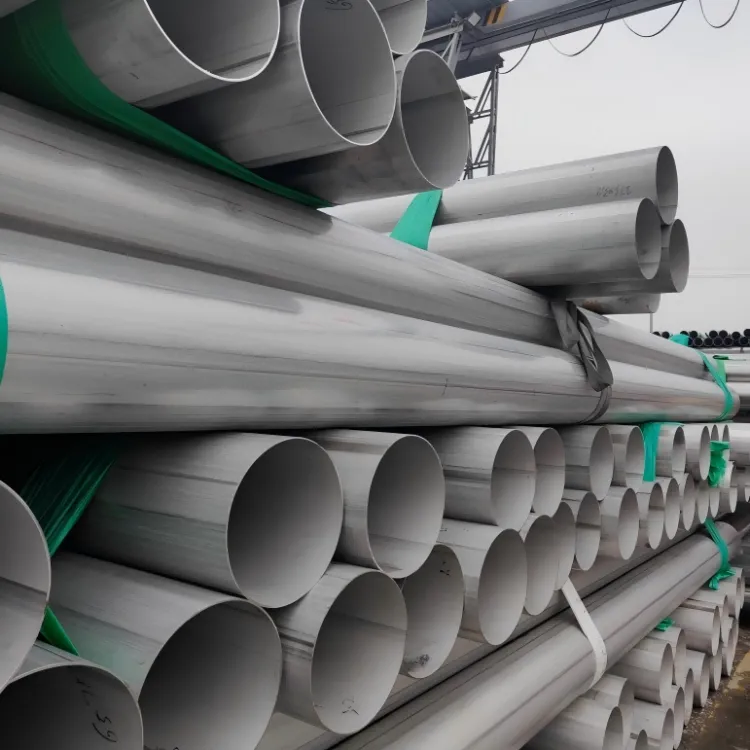
Stainless steel 316L is widely used in chemical processing, food and beverage equipment, pharmaceutical systems, marine applications, medical devices, and industrial piping. Its popularity comes from a combination of corrosion resistance, mechanical performance, weldability, and suitability for demanding service environments.
The performance of 316L stainles
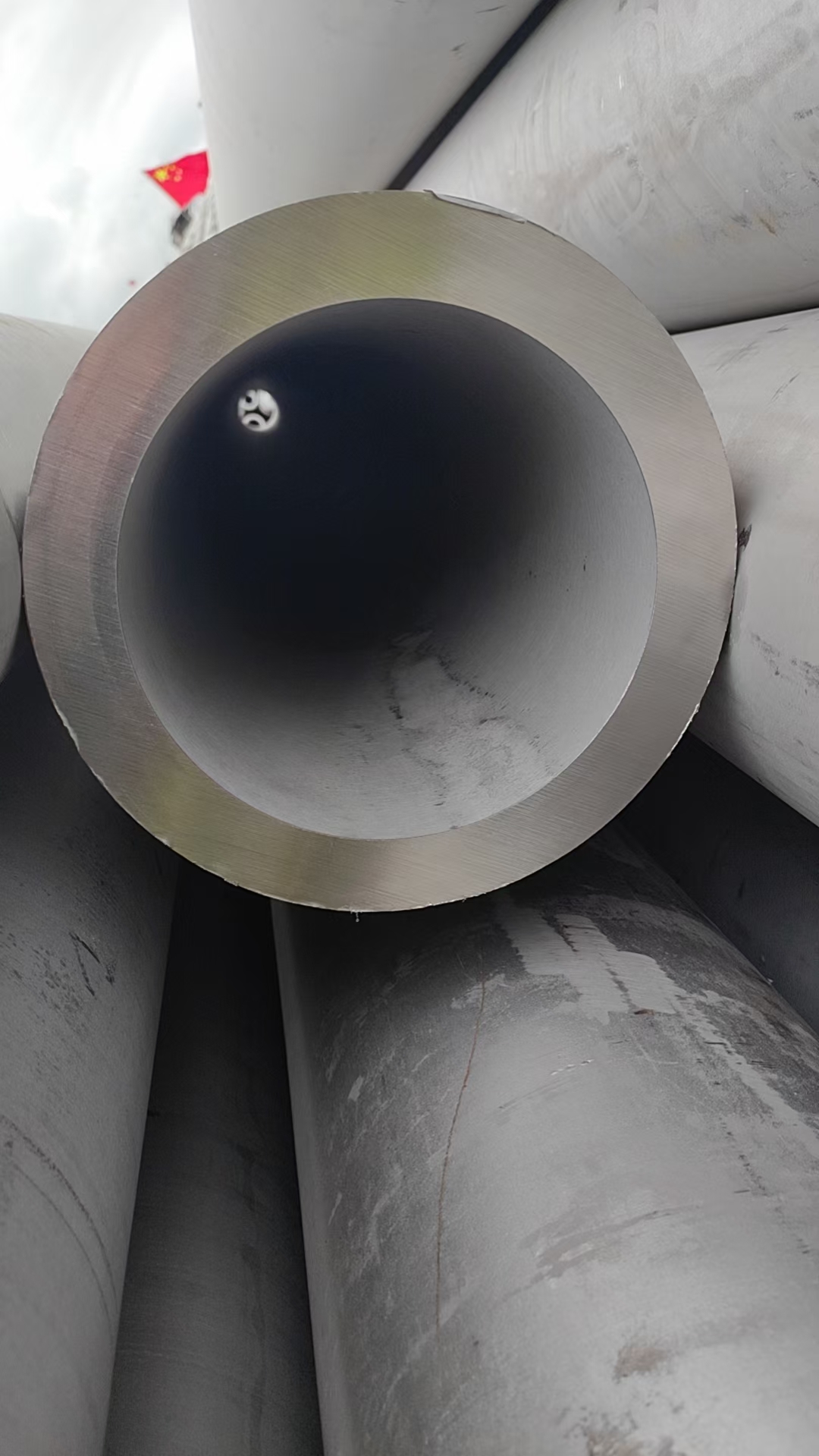 s steel is closely related to its chemical composition. Each major element contributes specific properties, while carefully controlled limits help maintain the balance between corrosion resistance, strength, fabrication performance, and long-term reliability.
Understanding the key elements in 316L composition can help manufacturers, engineers, distributors, and industrial buyers select the right material for their applications.
What Is Stainless Steel 316L?
316L is a low-carbon austenitic stainless steel grade. The “316” designation identifies the basic alloy family, while the “L” means low carbon.
The lower carbon content helps reduce the risk of chromium carbide precipitation during welding. This can improve resistance to certain forms of corrosion near welded areas, especially when the material is properly fabricated and processed.
316L is generally recognized for:
- Good general corrosion resistance
- Improved resistance to many chloride environments compared with 304 stainless steel
- Good weldability
- Good formability
- Suitable toughness
- Good surface finish potential
- Broad industrial application range
The exact chemical limits depend on the applicable product standard, such as ASTM, ASME, EN, or another specification. Buyers should always verify the composition against the standard stated in the purchase order.
1. Chromium Provides Stainless Steel Corrosion Resistance
Chromium is one of the most important elements in 316L stainless steel. It allows the material to form a thin, protective passive oxide film on the surface.
This passive film helps protect the underlying metal from corrosion in many environments. If the surface is damaged, chromium supports the formation of a new passive layer when suitable conditions are present.
Chromium contributes to:
- General corrosion resistance
- Oxidation resistance
- Surface passivation
- Resistance to atmospheric exposure
- Improved durability in industrial environments
316L typically contains approximately 16% to 18% chromium under commonly used specifications. The exact range may vary according to the standard and product form.
Although chromium provides the basic stainless steel protection, it does not make the material immune to corrosion. Severe chloride exposure, stagnant conditions, high temperatures, contamination, and unsuitable chemical environments may still cause corrosion.
2. Nickel Stabilizes the Austenitic Structure
Nickel is another major element in 316L composition. It helps stabilize the austenitic structure of the steel, which contributes to its toughness, ductility, and fabrication performance.
Nickel supports:
- Austenitic microstructure stability
- Good ductility
- Toughness at low temperatures
- Formability
- Weldability
- Resistance to certain corrosive environments
316L commonly contains approximately 10% to 14% nickel, depending on the applicable specification.
The austenitic structure helps 316L maintain good mechanical behavior across a wide range of applications. This is one reason why the grade is often selected for pipes, tanks, fittings, heat exchangers, processing equipment, and fabricated components.
Nickel also affects the cost of the alloy. Changes in nickel prices can influence the market price of 316L stainless steel products.
3. Molybdenum Improves Chloride Resistance
Molybdenum is one of the main features that distinguishes 316L from 304L stainless steel.
316L commonly contains approximately 2% to 3% molybdenum. This element improves resistance to localized corrosion, particularly:
- Pitting corrosion
- Crevice corrosion
- Certain chloride-containing environments
- Some chemical processing conditions
- Marine-related exposure
Pitting occurs when small areas of the passive surface break down and develop localized corrosion. Crevice corrosion may occur in narrow gaps, joints, gaskets, or areas where oxygen circulation is limited.
Molybdenum helps improve the stability of the passive film in many chloride environments. However, 316L is not suitable for every saltwater or high-chloride application. Severe conditions may require duplex stainless steel, super duplex stainless steel, nickel alloys, or other specialized materials.
The actual performance depends on chloride concentration, temperature, oxygen levels, fluid movement, surface condition, and exposure time.
4. Carbon Is Controlled to Improve Weldability
The “L” in 316L refers to its low carbon content. Common specifications limit carbon to approximately 0.03% maximum.
Carbon is useful in steel because it contributes to strength and hardness. However, excessive carbon in austenitic stainless steel can create problems during welding.
At certain temperatures, carbon may combine with chromium to form chromium carbides along grain boundaries. This can reduce the chromium available near those areas and increase the risk of intergranular corrosion.
The low carbon content of 316L helps reduce this risk during common welding operations.
Benefits of low carbon content include:
- Improved weld-area corrosion resistance
- Reduced risk of sensitization
- Better suitability for welded structures
- Reduced need for certain post-weld treatments
- Improved performance in fabricated equipment
316L is often preferred over standard 316 when the product will be welded extensively. Nevertheless, welding procedures, heat input, joint design, filler metal, cleaning, and post-weld treatment remain important.
5. Manganese Supports Manufacturing and Deoxidation
Manganese is normally present in controlled amounts in 316L stainless steel. It contributes to the steelmaking process and can help with deoxidation and sulfur control.
Manganese may support:
- Manufacturing stability
- Deoxidation during steel production
- Hot-working performance
- Certain mechanical properties
- Sulfur control
Common specifications may allow manganese up to approximately 2.00%, although the exact limit depends on the standard.
Manganese is not the primary reason for 316L’s corrosion resistance. Its role is more closely related to metallurgy, processing, and the balance of mechanical properties.
6. Silicon Helps with Deoxidation
Silicon is generally present in a limited amount in 316L stainless steel. It is commonly used as a deoxidizing element during steel production.
Silicon can contribute to:
- Steelmaking control
- Deoxidation
- Manufacturing consistency
- Certain high-temperature properties
Many common specifications limit silicon to approximately 1.00% maximum.
Although silicon has useful metallurgical functions, excessive silicon may affect certain fabrication or corrosion-related properties. Therefore, it is controlled within the limits of the applicable material standard.
7. Nitrogen Can Support Strength and Structure
Nitrogen may be present in small quantities in 316L stainless steel. It can influence the austenitic structure and contribute to mechanical strength.
Nitrogen may support:
- Austenitic phase stability
- Yield strength
- Resistance to certain localized corrosion mechanisms
- Microstructural balance
The permitted nitrogen level depends on the product specification. In standard 316L, nitrogen is normally controlled rather than added at the higher levels used in some duplex or high-nitrogen stainless steels.
The effect of nitrogen must be evaluated together with chromium, nickel, molybdenum, and other alloying elements.
8. Phosphorus and Sulfur Are Controlled Impurities
Phosphorus and sulfur are usually present in small amounts and are subject to maximum limits.
Phosphorus
Phosphorus can affect:
- Hot-working behavior
- Toughness
- Weldability
- Certain corrosion-related properties
For this reason, it is generally controlled at a low level.
Sulfur
Sulfur can improve machinability in some steel grades, but excessive sulfur may negatively affect:
- Weldability
- Corrosion resistance
- Toughness
- Surface quality
- Cleanliness
316L is commonly specified with low sulfur content. The exact maximum depends on the applicable standard and product form.
For critical industrial applications, buyers should review the mill test certificate to confirm the actual chemical composition.
Typical 316L Chemical Composition
The following table provides commonly used composition ranges for 316L stainless steel. These values are representative and should not replace the exact limits of the selected standard.
| Element | Typical Requirement or Range | Main Function |
|---|---|---|
| Chromium | 16%–18% | Forms protective passive film |
| Nickel | 10%–14% | Stabilizes austenitic structure |
| Molybdenum | 2%–3% | Improves pitting and crevice corrosion resistance |
| Carbon | 0.03% maximum | Reduces sensitization during welding |
| Manganese | 2.00% maximum | Supports steelmaking and deoxidation |
| Silicon | 1.00% maximum | Supports deoxidation |
| Nitrogen | Controlled low amount | Supports structure and strength |
| Phosphorus | Controlled low amount | Limits adverse metallurgical effects |
| Sulfur | Controlled low amount | Controls cleanliness and corrosion-related performance |
| Iron | Balance | Main base metal |
The composition may vary slightly between ASTM, ASME, EN, JIS, and other standards. Product form, manufacturing route, and customer requirements may also affect the permitted limits.
How Composition Affects 316L Performance
The elements in 316L work together rather than acting independently.
Corrosion Resistance
Chromium forms the passive film, while molybdenum improves resistance to localized corrosion. Nickel helps maintain the austenitic structure and contributes to overall corrosion performance.
Weldability
Low carbon content helps reduce chromium carbide precipitation and supports better corrosion resistance in welded areas.
Formability
The austenitic structure created largely through the chromium-nickel balance gives 316L good ductility and forming performance.
Mechanical Strength
Strength is influenced by the alloy composition, cold working, heat treatment, product form, and manufacturing process. Nitrogen and other elements may contribute to strength, but composition alone does not determine final mechanical properties.
Temperature Performance
316L can be used in various temperature environments, but allowable stress, oxidation, creep, thermal cycling, and corrosion behavior must be evaluated for the actual application.
Why 316L Is Used in Industrial Piping
316L stainless steel is commonly considered for industrial piping because it combines corrosion resistance with good fabrication performance.
Typical applications include:
- Chemical processing lines
- Food and beverage piping
- Pharmaceutical equipment
- Water treatment systems
- Marine equipment
- Heat exchangers
- Storage tanks
- Industrial machinery
- Medical equipment
- Clean process systems
For piping applications, buyers should specify more than the material grade. The complete purchase specification may include:
- ASTM or EN standard
- Pipe size
- Wall thickness
- Seamless or welded construction
- Heat treatment
- Surface finish
- Hydrostatic testing
- Nondestructive testing
- Dimensional tolerances
- Pickling and passivation
- Material certificates
- Packaging requirements
The selected 316L pipe must also be compatible with the operating pressure, temperature, fluid chemistry, and installation method.
316L Compared with 304L
316L and 304L are both low-carbon austenitic stainless steels, but their compositions are different.
The most important distinction is that 316L contains molybdenum, while 304L generally does not contain the same level of molybdenum.
As a result, 316L is often preferred for applications involving:
- Chloride exposure
- Marine environments
- Chemical processing
- Salt-containing fluids
- Certain pharmaceutical and food processing conditions
304L may be a more economical choice for less aggressive environments. However, neither grade should be selected solely based on price or general corrosion resistance.
A material compatibility review should consider the actual process conditions.
What Should Buyers Check on a Mill Test Certificate?
When purchasing 316L stainless steel pipe, sheet, fittings, or other products, buyers should review the mill test certificate.
Important information may include:
- Material grade
- Applicable standard
- Heat number
- Chemical composition
- Tensile strength
- Yield strength
- Elongation
- Hardness where required
- Heat-treatment condition
- Product dimensions
- Inspection results
- Manufacturer information
The chemical composition should fall within the limits of the specified standard. If the material will be used in pressure equipment, chemical processing, or other critical applications, buyers may also require third-party inspection or additional testing.
Conclusion
The key elements in stainless steel 316L composition include chromium, nickel, molybdenum, carbon, manganese, silicon, nitrogen, phosphorus, and sulfur. Each element plays a different role in determining the material’s corrosion resistance, structure, weldability, strength, and manufacturing performance.
Chromium provides the basic stainless steel passive film, nickel stabilizes the austenitic structure, and molybdenum improves resistance to pitting and crevice corrosion. The low carbon content helps reduce sensitization during welding, making 316L suitable for many fabricated industrial products.
For B2B buyers, the correct selection should be based on the complete chemical composition, applicable material standard, operating environment, dimensions, testing requirements, and intended service. A qualified stainless steel manufacturer should be able to provide consistent material quality, traceability, inspection documentation, and customized product specifications.
.
Table of Contents
- What Is Stainless Steel 316L?
- 1. Chromium Provides Stainless Steel Corrosion Resistance
- 2. Nickel Stabilizes the Austenitic Structure
- 3. Molybdenum Improves Chloride Resistance
- 4. Carbon Is Controlled to Improve Weldability
- 5. Manganese Supports Manufacturing and Deoxidation
- 6. Silicon Helps with Deoxidation
- 7. Nitrogen Can Support Strength and Structure
- 8. Phosphorus and Sulfur Are Controlled Impurities
- Typical 316L Chemical Composition
- How Composition Affects 316L Performance
- Why 316L Is Used in Industrial Piping
- 316L Compared with 304L
- What Should Buyers Check on a Mill Test Certificate?
- Conclusion