 EN
EN

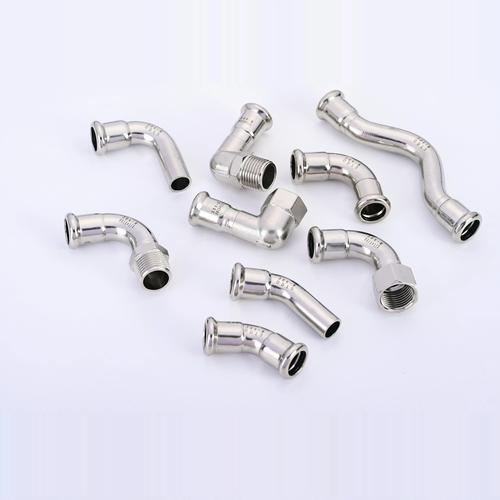
In modern manufacturing, material selection is one of the most consequential decisions an engineer or procurement specialist will make. Among the many alloy families available today, 300 series stainless steel has earned a position of remarkable dominance across a wide range of industrial applications. From food processing equipment to chemical plant piping, from medical instruments to architectural facades, this family of austenitic alloys appears again and again — not by coincidence, but because of a deeply practical set of properties that align with what manufacturers genuinely need.
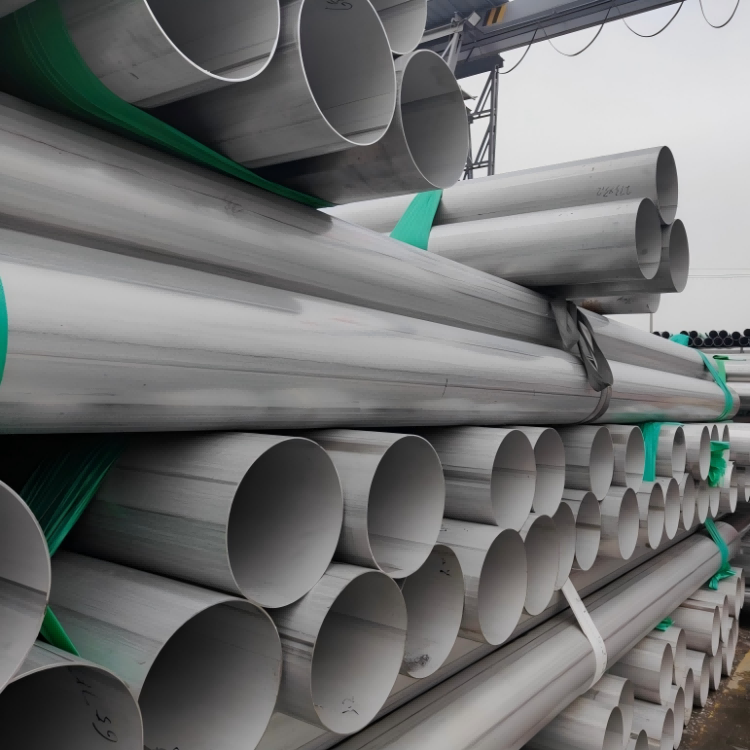
Understanding why manufacturers continue to specify 300 series stainless steel requires looking beyond surface-level material charts and into the real operational pressures of industrial production. Cost efficiency, corrosion resistance, formability, hygiene compliance, and long-term lifecycle value all play a role. This article explores the specific reasons that make 300 series stainless steel the material of choice for so many sectors, and what manufacturers should understand when evaluating it for their own applications.
The Metallurgical Foundation of 300 Series Stainless Steel
Austenitic Structure and What It Means for Production
300 series stainless steel belongs to the austenitic family of stainless alloys, which means its microstructure is defined by a face-centered cubic crystal arrangement. This structure is achieved and stabilized primarily through the addition of nickel, which works alongside chromium to produce an alloy that behaves differently from ferritic or martensitic grades at nearly every level of processing and use.
The austenitic structure gives 300 series stainless steel its characteristic non-magnetic behavior in the annealed state, and more importantly, it is directly responsible for the material's exceptional ductility and toughness. Manufacturers working with thin-walled tubing, complex formed components, or deep-drawn parts find this combination especially valuable, since the material can undergo significant deformation without cracking or losing structural integrity.
From a production standpoint, this means fewer material failures during forming operations, less scrap, and greater design freedom. For high-volume manufacturers, those factors translate directly into cost savings and schedule reliability — both of which matter enormously in competitive industrial supply chains.
The Role of Chromium and Nickel in Corrosion Resistance
The defining feature of all stainless steel is the passive oxide layer that forms on the surface when chromium content exceeds approximately 10.5%. In 300 series stainless steel, chromium content typically sits between 16% and 26%, depending on the specific grade, which means this protective layer is robust and self-repairing. When the surface is scratched or damaged, the chromium-rich oxide reforms spontaneously in the presence of oxygen.
Nickel content, which ranges from roughly 6% to 22% across the 300 series grades, further stabilizes this passive layer and enhances resistance to acids and chloride-containing environments. The combination of these two elements is what separates 300 series stainless steel from lower-grade alternatives that may perform adequately in dry or mild conditions but fail prematurely when exposed to moisture, cleaning chemicals, or corrosive process fluids.
Manufacturers in chemical processing, marine equipment, and food production rely on this chemistry not just for component longevity, but because corrosion-related contamination can compromise product quality and regulatory compliance. Choosing 300 series stainless steel is therefore as much a quality decision as it is an engineering one.
Why Corrosion Performance Drives Material Specification
Resistance to a Broad Range of Corrosive Environments
One of the primary reasons manufacturers choose 300 series stainless steel is its ability to perform reliably across a broad spectrum of corrosive conditions. Unlike carbon steel or lower-alloy alternatives, the 300 series maintains its integrity when exposed to oxidizing acids, organic acids, and many industrial cleaning agents that are standard in process manufacturing environments.
Grade 304, the most widely used member of the 300 series stainless steel family, offers solid resistance to atmospheric corrosion, freshwater, mild chemicals, and food-grade acids. Grade 316, which adds molybdenum to the alloy composition, extends this resistance significantly into chloride-heavy environments such as saltwater exposure, marine atmospheres, and certain pharmaceutical or chemical process streams where pitting and crevice corrosion are real concerns.
This range of corrosion performance within a single material family gives manufacturers flexibility. They can standardize their procurement and fabrication processes around 300 series stainless steel while choosing the specific grade that matches the actual service environment — rather than switching to entirely different alloy families with different machining, welding, and finishing characteristics.
Long-Term Reliability and Reduced Maintenance Burden
For manufacturers producing equipment that will be installed in the field, sold to end users, or incorporated into process systems with long service lives, the durability of 300 series stainless steel carries significant economic weight. Corrosion failures are expensive — not just in replacement material costs, but in labor, downtime, and potential liability if a failure occurs in a critical system.
Components made from 300 series stainless steel consistently demonstrate service lives measured in decades when properly specified and maintained. This long-term reliability reduces the total cost of ownership for end users, which in turn strengthens the market position of manufacturers who specify it. In competitive industrial markets, the ability to offer equipment with documented durability is a genuine differentiator.
Maintenance teams also benefit because 300 series stainless steel surfaces are easy to clean, resistant to scale buildup, and do not require protective coatings or cathodic protection systems that add complexity and ongoing cost. For manufacturers designing systems that need to meet hygiene standards or operate in environments where maintenance access is difficult, this low-maintenance profile is a strong argument for material selection.
Fabrication Advantages That Support Manufacturing Efficiency
Weldability Across Common Industrial Processes
Weldability is a critical factor in material selection for any manufacturer that assembles components rather than machining from solid stock. 300 series stainless steel is widely recognized for its excellent weldability using standard industrial processes including TIG, MIG, and resistance welding. The austenitic structure minimizes the risk of heat-affected zone cracking, which is a common concern with ferritic and martensitic grades.
Low-carbon variants within the 300 series stainless steel family — designated with an 'L' suffix, such as 304L and 316L — were specifically developed to reduce carbide precipitation during welding, which can otherwise create sensitized zones vulnerable to intergranular corrosion. This makes them particularly well-suited for welded assemblies that will be used in corrosive service without post-weld heat treatment.
For manufacturers running high-throughput fabrication lines, the predictable weld performance of 300 series stainless steel means fewer rejected joints, more consistent quality, and reduced need for post-weld rework. Over large production volumes, that consistency has a measurable impact on yield and cost per unit.
Formability and Surface Finish Options
The ductility of 300 series stainless steel makes it well-suited to a wide range of forming operations, including bending, deep drawing, roll forming, and hydroforming. Manufacturers producing enclosures, tanks, vessels, tubes, and structural profiles benefit from the material's ability to be shaped into complex geometries without requiring excessive force or specialized tooling beyond what standard industrial metalworking equipment can provide.
Surface finish options for 300 series stainless steel are also extensive, ranging from hot-rolled and pickled finishes suitable for structural or hidden components, through to mirror-polished finishes used in architectural, pharmaceutical, and food-contact applications. This versatility allows a single material family to serve both functional and aesthetic requirements, which simplifies supply chain management for manufacturers producing diverse product lines.
The ability to achieve hygienic surface finishes is especially important in regulated industries. 300 series stainless steel can be polished to surface roughness values that meet international hygiene standards for food, beverage, and pharmaceutical equipment, which is a fundamental requirement for market access in those sectors.
Regulatory Compliance and Hygiene Requirements
Meeting Food, Pharmaceutical, and Chemical Industry Standards
Regulatory compliance is not optional in most of the industries where 300 series stainless steel is dominant. Food contact materials must meet standards such as FDA 21 CFR and EU Regulation 10/2011. Pharmaceutical manufacturing equipment must comply with current Good Manufacturing Practice guidelines. Chemical handling equipment must satisfy pressure vessel codes and material compatibility requirements under standards like ASME and PED.
300 series stainless steel is explicitly recognized and approved in virtually all of these regulatory frameworks. Its chemical inertness, non-reactivity with most food and pharmaceutical substances, and ability to be cleaned and sterilized without degradation make it the default material of choice in these environments. Specifying it simplifies the compliance documentation process and reduces regulatory risk.
For manufacturers supplying into regulated industries, using 300 series stainless steel is often not just a preference but a practical prerequisite. Customers in these sectors routinely require material certifications and traceability documentation that confirm the alloy grade, chemical composition, and mechanical properties — all of which are readily available for 300 series stainless steel from established mill supply chains.
Hygiene and Cleanability in Demanding Production Environments
Beyond formal regulatory requirements, the hygiene performance of 300 series stainless steel matters enormously in daily production operations. Surfaces that are difficult to clean accumulate biofilm, harbor contamination, and create quality risks that can be costly to manage. The smooth, non-porous surface of properly finished 300 series stainless steel resists bacterial adhesion and tolerates aggressive cleaning protocols including caustic wash, steam sterilization, and chlorine-based sanitizers.
This cleanability is a practical advantage for manufacturers whose customers operate in environments where production hygiene is audited regularly. Equipment built from 300 series stainless steel consistently passes hygiene audits more reliably than alternatives made from coated carbon steel or lower-grade alloys whose surfaces can deteriorate over time under repeated cleaning cycles.
The combination of regulatory recognition and operational hygiene performance is one of the strongest arguments for 300 series stainless steel in B2B manufacturing decisions, because it simultaneously satisfies the technical, commercial, and compliance needs of both the manufacturer and their end customers.
Economic Logic Behind Choosing 300 Series Stainless Steel
Lifecycle Cost Versus Initial Material Cost
A common objection to 300 series stainless steel is its higher initial cost compared to carbon steel or lower-alloy alternatives. This objection is technically accurate but economically incomplete. The full cost of a material decision includes not just the purchase price of raw stock, but fabrication costs, maintenance costs, replacement frequency, and the cost of failures — both direct and consequential.
When these factors are included in a lifecycle cost analysis, 300 series stainless steel frequently proves more economical than alternatives over typical equipment service lives. Carbon steel equipment in corrosive environments requires protective coatings that must be inspected and reapplied. It corrodes, requires more frequent replacement, and can introduce contamination risks that create quality costs. 300 series stainless steel avoids most of these ongoing costs entirely.
Experienced procurement specialists and engineers in industries with high equipment utilization rates have learned to frame material decisions in lifecycle terms rather than unit price terms. This shift in perspective is one of the key reasons why 300 series stainless steel continues to gain specification share even in cost-sensitive industrial markets.
Supply Chain Maturity and Global Availability
300 series stainless steel benefits from one of the most mature and globally distributed supply chains of any engineered alloy. It is produced in large volumes by mills worldwide, available in virtually every standard product form — sheet, plate, coil, bar, pipe, tube, fittings, and structural sections — and stocked by distributors on every major continent. This availability reduces lead times, simplifies sourcing, and gives manufacturers negotiating leverage that is simply not available for specialty or niche alloys.
For manufacturers operating global supply chains or serving customers in multiple regions, the standardization benefit of 300 series stainless steel is substantial. Engineering teams can design to a single material specification, procurement teams can source locally in each market, and quality teams can rely on internationally consistent material standards such as ASTM, EN, and JIS that apply to 300 series stainless steel across different producing countries.
This combination of availability, standardization, and supply chain depth makes 300 series stainless steel a lower-risk material choice from a supply continuity perspective, which matters increasingly to manufacturers who have experienced the vulnerability of specialized material supply chains in recent years.
FAQ
What is the difference between grade 304 and grade 316 within the 300 series stainless steel family?
Grade 304 is the most widely used member of the 300 series stainless steel family, offering excellent corrosion resistance in most standard environments along with good formability and weldability. Grade 316 adds molybdenum to the alloy, which significantly improves resistance to chloride-induced pitting and crevice corrosion. Manufacturers typically choose 316 when equipment will be exposed to seawater, marine atmospheres, or process chemicals that contain chlorides, and use 304 for less demanding environments where the additional alloy cost of 316 is not justified by the service conditions.
Is 300 series stainless steel suitable for high-temperature applications?
300 series stainless steel performs well at elevated temperatures, retaining useful mechanical properties up to approximately 870°C for standard grades such as 304 and 316 in intermittent service. For continuous high-temperature service, higher-alloy grades within the series such as 309 and 310 are specifically designed with increased chromium and nickel content to improve oxidation resistance and high-temperature strength. Manufacturers specifying 300 series stainless steel for thermal environments should always confirm the service temperature against the specific grade's published properties.
Why do some manufacturers specify the 'L' grades such as 304L or 316L instead of standard 304 or 316?
The 'L' designation within 300 series stainless steel indicates a low-carbon variant with a maximum carbon content of 0.03%, compared to 0.08% for the standard grade. This lower carbon content reduces the risk of carbide precipitation in the heat-affected zone during welding, which can otherwise create sensitized areas prone to intergranular corrosion. Manufacturers producing welded assemblies that will be used in corrosive service without post-weld heat treatment routinely specify 304L or 316L to preserve corrosion resistance across the entire fabricated component, not just the base material.
How does 300 series stainless steel compare to duplex stainless steel for industrial applications?
Duplex stainless steels offer higher strength and better chloride stress corrosion cracking resistance than standard 300 series stainless steel, which makes them attractive for highly demanding environments such as offshore oil and gas or high-concentration chloride chemical service. However, duplex grades are generally more expensive, less readily available, more challenging to weld and form, and require more careful heat treatment control during fabrication. For the majority of industrial manufacturing applications, 300 series stainless steel provides an optimal balance of corrosion performance, fabricability, regulatory compliance, and supply chain accessibility that duplex grades do not improve upon in a cost-justified way.
Table of Contents
- The Metallurgical Foundation of 300 Series Stainless Steel
- Why Corrosion Performance Drives Material Specification
- Fabrication Advantages That Support Manufacturing Efficiency
- Regulatory Compliance and Hygiene Requirements
- Economic Logic Behind Choosing 300 Series Stainless Steel
-
FAQ
- What is the difference between grade 304 and grade 316 within the 300 series stainless steel family?
- Is 300 series stainless steel suitable for high-temperature applications?
- Why do some manufacturers specify the 'L' grades such as 304L or 316L instead of standard 304 or 316?
- How does 300 series stainless steel compare to duplex stainless steel for industrial applications?