 EN
EN

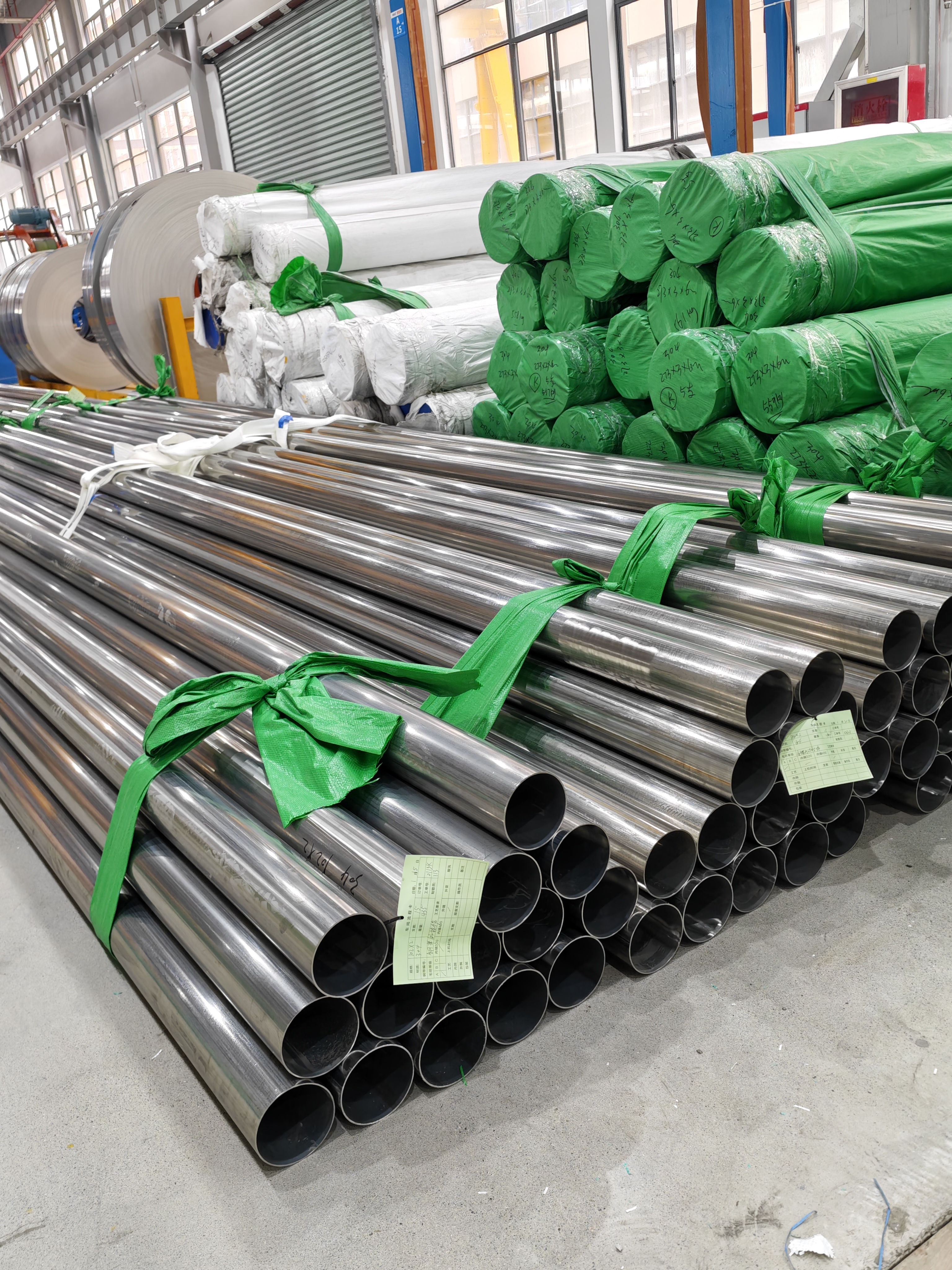
When engineers, procurement specialists, and fabricators evaluate materials for demanding industrial applications, ASTM 304 stainless steel consistently emerges as one of the most trusted and versatile choices available. Its well-documented combination of corrosion resistance, mechanical strength, and fabrication flexibility makes it a preferred specification across sectors ranging from petrochemical processing and food manufacturing to construction and medical device production. Understanding exactly what benefits this grade delivers helps decision-makers justify material selection, reduce lifecycle costs, and ensure long-term structural integrity.
The ASTM A240 and related ASTM specifications define ASTM 304 stainless steel as an austenitic chromium-nickel alloy containing roughly 18% chromium and 8% nickel. This composition is the foundation of nearly every performance advantage the material offers. As industries continue pushing for materials that perform reliably under chemical exposure, temperature variation, and mechanical stress, ASTM 304 stainless steel remains a benchmark grade that meets a remarkably broad set of engineering requirements without excessive cost or processing complexity.
The Metallurgical Foundation Behind Its Performance
Composition and Microstructure
ASTM 304 stainless steel belongs to the austenitic family of stainless alloys, meaning its microstructure is face-centered cubic at room temperature. This crystal structure is directly responsible for several key mechanical and physical properties, including excellent ductility, toughness at cryogenic temperatures, and non-magnetic behavior in the annealed state. The controlled addition of chromium and nickel locks the austenite phase stable even after significant cold working or thermal cycling.
Chromium is the critical element that forms a self-healing passive oxide layer on the surface of ASTM 304 stainless steel. When the surface is exposed to oxygen, this thin chromium oxide film regenerates spontaneously, providing continuous protection against oxidation and many corrosive media. Nickel stabilizes the austenitic phase and contributes to improved toughness and weldability. The interplay between these two alloying elements gives ASTM 304 stainless steel its signature balance of corrosion resistance and ductility.
Consistency Through ASTM Standardization
One of the often-overlooked benefits of specifying ASTM 304 stainless steel is the assurance that comes from adherence to rigorous ASTM International standards. ASTM specifications govern the chemical composition ranges, mechanical property minimums, test methods, and permissible surface conditions for this grade. Procurement teams and quality engineers can rely on these standards to verify incoming material, reducing variability in fabrication outcomes and long-term performance.
This standardization also simplifies global sourcing. Because ASTM 304 stainless steel is recognized internationally and cross-referenced to equivalent grades such as EN 1.4301 and JIS SUS304, buyers operating across supply chains in multiple regions can maintain consistent material quality without requalifying vendors from scratch. The traceability inherent in ASTM-certified material reduces risk in regulated industries such as pharmaceuticals, food processing, and pressure vessel manufacturing.
Corrosion Resistance as a Primary Benefit
Performance in Atmospheric and Aqueous Environments
ASTM 304 stainless steel demonstrates excellent resistance to general atmospheric corrosion, including exposure to moisture, urban pollutants, and mild chemical contaminants. This makes it highly suitable for architectural cladding, structural supports, railings, and exterior fixtures where aesthetic durability and low maintenance are valued. Unlike carbon steel, it does not require paint or galvanizing to resist rusting in typical outdoor environments.
In aqueous environments, ASTM 304 stainless steel resists a wide range of organic acids, dilute mineral acids, and many industrial process fluids at moderate temperatures and concentrations. This corrosion resistance significantly extends service life in piping systems, heat exchangers, storage tanks, and process vessels. Industries such as food and beverage, dairy, brewing, and pharmaceutical manufacturing rely on this grade because it neither contaminates product streams nor degrades rapidly under frequent cleaning and sanitizing cycles.
Limitations and Context for Selection
It is important to understand that while ASTM 304 stainless steel delivers broad corrosion resistance, it is not universally immune to all corrosive conditions. In environments with elevated chloride concentrations — such as seawater, deicing salt exposure, or high-chloride process streams — pitting and crevice corrosion can occur. In such cases, engineers may upgrade to grade 316 or duplex stainless alloys. Understanding this boundary allows materials engineers to deploy ASTM 304 stainless steel precisely where it excels without over-engineering or under-specifying.
The distinction between sensitization and full annealing is also relevant when ASTM 304 stainless steel is welded and exposed to intergranular corrosion risk. For critical weld-zone corrosion applications, specifying the low-carbon variant 304L is a well-established engineering practice. This nuanced understanding of the material's behavior allows procurement and engineering teams to extract maximum value while maintaining system reliability.
Mechanical Properties That Support Structural Reliability
Strength, Ductility, and Toughness
ASTM 304 stainless steel offers a favorable combination of tensile strength, yield strength, and elongation that supports its use in structural and pressure-bearing applications. Typical annealed properties include a minimum tensile strength of around 515 MPa and yield strength of approximately 205 MPa, with elongation values often exceeding 40%. This high ductility means the material absorbs significant energy before fracture, making it inherently safe in applications where unexpected loading may occur.
Toughness is maintained even at cryogenic temperatures, which is a critical advantage in liquefied gas handling, cold storage infrastructure, and aerospace applications. Unlike many ferritic or martensitic stainless grades, ASTM 304 stainless steel does not undergo a sharp ductile-to-brittle transition, meaning it retains its impact resistance across a wide service temperature range. This temperature versatility simplifies material selection for systems operating across wide temperature spectrums.
Work Hardening and Surface Hardness Improvement
A notable mechanical characteristic of ASTM 304 stainless steel is its capacity to work harden significantly during cold forming, drawing, and rolling processes. As the material deforms plastically, its tensile strength and hardness increase substantially, which can be exploited in applications requiring hardened surfaces or higher strength in the finished component without the need for heat treatment. This allows manufacturers to tailor mechanical properties through process parameters rather than alloying changes.
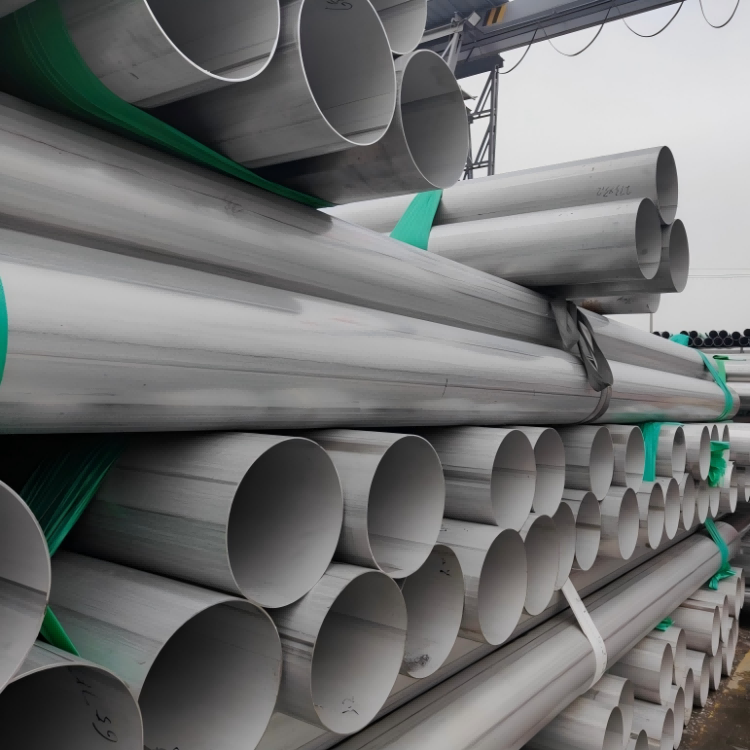
Work hardening also contributes to the structural performance of seamless tubes, cold-drawn sections, and precision-formed components made from ASTM 304 stainless steel. Fabricators producing high-tolerance parts for hydraulic, pneumatic, or instrumentation systems benefit from this behavior because it enables dimensional precision alongside improved surface hardness. For those sourcing precision pipe products, ASTM 304 stainless steel seamless pipe solutions offer customizable dimensional and mechanical specifications to match exact application requirements.
Fabrication Advantages and Industrial Versatility
Weldability and Formability
ASTM 304 stainless steel is among the most weldable of all stainless grades, compatible with most standard welding processes including TIG, MIG, resistance welding, and laser welding. It does not require preheating or post-weld heat treatment under most conditions, which simplifies fabrication workflows and reduces production costs. This weldability accelerates manufacturing timelines for complex assemblies, pressure vessels, structural frames, and process piping systems.
The formability of ASTM 304 stainless steel is equally important in industrial fabrication. It can be readily deep-drawn into sinks, bowls, and housings; roll-formed into structural sections; bent, punched, and stamped into precision components; and hydroformed into complex geometries. This versatility allows a single material specification to serve across many product forms and manufacturing methods, reducing the complexity of material management programs.
Surface Finish Options and Hygienic Applications
ASTM 304 stainless steel is available in a broad range of surface finishes, from mill-finished No. 1 plate through to highly polished No. 8 mirror finishes. This range of surface conditions supports both functional and aesthetic applications. Smooth, polished surfaces are critical in hygienic industries because they minimize bacterial harboring sites and facilitate effective cleaning and sterilization. Food-grade processing equipment, pharmaceutical reactors, and beverage contact surfaces routinely specify ASTM 304 stainless steel for this reason.
Electropolishing and passivation treatments further enhance the corrosion resistance and cleanliness of ASTM 304 stainless steel surfaces, particularly for medical device manufacturing and ultra-pure fluid handling. The material's inherent compatibility with these surface treatment processes adds another layer of application flexibility, allowing engineers to specify the material confidently across demanding hygienic and regulatory environments where surface integrity is monitored and validated.
Long-Term Cost Efficiency and Sustainability Value
Lifecycle Cost Advantages
Although ASTM 304 stainless steel carries a higher initial material cost compared to carbon steel, its total lifecycle economics are frequently superior in corrosive, high-temperature, or high-cycle environments. Reduced maintenance frequency, longer replacement intervals, and lower cleaning and inspection costs contribute to meaningful total cost of ownership advantages. Industries that have shifted from carbon steel or coated alternatives to ASTM 304 stainless steel often report substantial reductions in unplanned downtime and maintenance expenditure over multi-year operational periods.
The durability of ASTM 304 stainless steel also reduces the need for protective coatings or lining systems that require periodic reapplication or inspection. In process piping, food handling equipment, and architectural applications, this translates to lower labor costs, fewer scheduled shutdowns, and reduced waste disposal from coating maintenance. Lifecycle analysis consistently supports the specification of ASTM 304 stainless steel when the full cost picture is evaluated rather than initial material price alone.
Recyclability and Environmental Profile
ASTM 304 stainless steel is fully recyclable at end of life, and a substantial portion of stainless steel produced globally incorporates recycled scrap. The high recoverable value of stainless scrap means that residual material value offsets initial investment, improving economic performance over the asset's life. From an environmental perspective, the longevity of ASTM 304 stainless steel components reduces the volume of replacement materials required, lowering the embedded carbon footprint associated with repeated manufacturing cycles.
For organizations operating under environmental, social, and governance commitments or facing regulatory pressure to reduce industrial waste, the recyclability and durability of ASTM 304 stainless steel align well with sustainability objectives. Specifying long-lived, recyclable materials supports circular economy principles and positions industrial buyers favorably in supply chain audits and environmental reporting frameworks. This aspect of the material's value proposition is increasingly influential in procurement decisions across the manufacturing, construction, and process industries.
FAQ
What is the main difference between ASTM 304 stainless steel and grade 316?
The primary difference is that grade 316 contains an addition of molybdenum, typically 2–3%, which significantly enhances resistance to chloride pitting and crevice corrosion. ASTM 304 stainless steel performs excellently in most atmospheric, aqueous, and chemical environments but can be vulnerable to pitting in high-chloride conditions such as marine or seawater exposure. Grade 316 is therefore specified when chloride resistance is a critical design requirement, while ASTM 304 stainless steel remains the cost-efficient choice for the majority of less aggressive environments.
Can ASTM 304 stainless steel be used in high-temperature applications?
ASTM 304 stainless steel maintains good mechanical properties and oxidation resistance at elevated temperatures, generally up to around 870°C in continuous service and up to 925°C intermittently. However, prolonged exposure in the temperature range of 425–860°C can cause sensitization, where chromium carbides precipitate at grain boundaries, reducing intergranular corrosion resistance. For applications requiring frequent thermal cycling in this sensitization range, the low-carbon 304L variant or stabilized grades such as 321 are typically preferred.
Is ASTM 304 stainless steel magnetic?
In the fully annealed condition, ASTM 304 stainless steel is essentially non-magnetic due to its austenitic microstructure. However, cold working such as drawing, rolling, or forming can induce a small amount of martensite in the microstructure, imparting a weak magnetic response. This is a normal metallurgical phenomenon and does not indicate a defective or incorrect material. For applications where strict non-magnetic properties are required, such as certain medical imaging environments, material selection should account for the degree of cold work the component will undergo.
What product forms is ASTM 304 stainless steel available in for industrial procurement?
ASTM 304 stainless steel is produced in an extensive range of product forms to support virtually all industrial fabrication requirements. These include hot-rolled and cold-rolled flat products such as sheet, strip, and plate; long products including bar, rod, and structural sections; and tubular products such as seamless and welded pipe, tubing, and hollow sections. Precision seamless pipe products made from ASTM 304 stainless steel are widely used in hydraulic systems, instrumentation, heat exchangers, and high-pressure process lines where dimensional accuracy, surface cleanliness, and consistent mechanical properties are essential.