 EN
EN

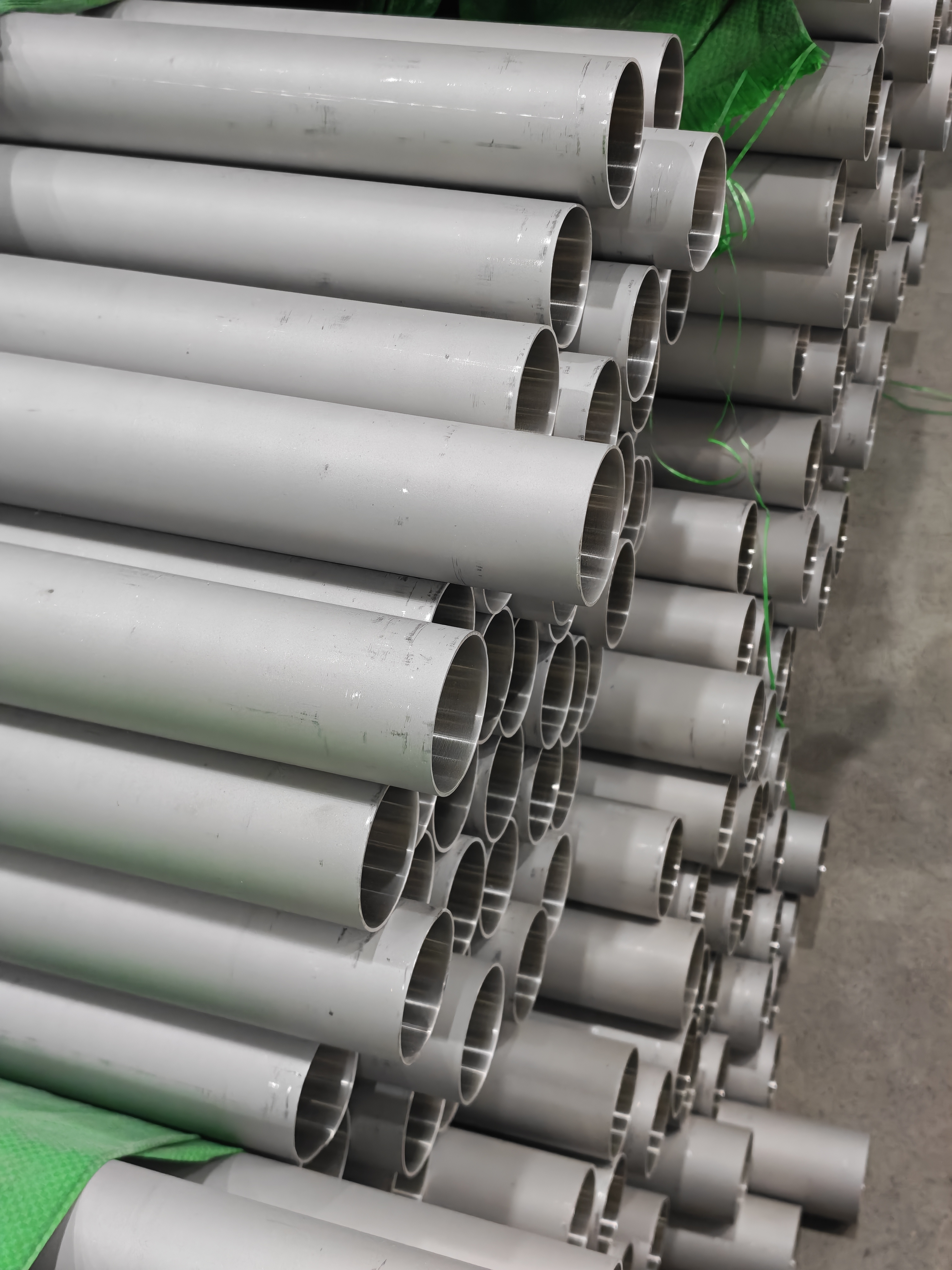
When engineers, procurement specialists, and fabricators discuss corrosion-resistant metals for industrial and commercial applications, ASTM 304 stainless almost inevitably enters the conversation. This grade of stainless steel is among the most recognized and thoroughly tested alloys in global manufacturing, carrying a reputation built on decades of reliable performance across industries ranging from food processing to petrochemicals. Understanding exactly what ASTM 304 stainless is, how it is defined, and why it commands such widespread adoption requires a closer look at its chemistry, mechanical properties, and the real-world conditions where it consistently outperforms alternatives.
ASTM 304 stainless is defined under the ASTM International standards framework, specifically falling within the austenitic family of stainless steels. Its composition is tightly governed, ensuring that end users and engineers can rely on consistent mechanical and chemical behavior regardless of where the material is sourced or processed. This article explores the defining characteristics of ASTM 304 stainless, explains what makes it so broadly applicable, and addresses the practical questions that buyers and engineers most frequently encounter when specifying this material for critical applications.
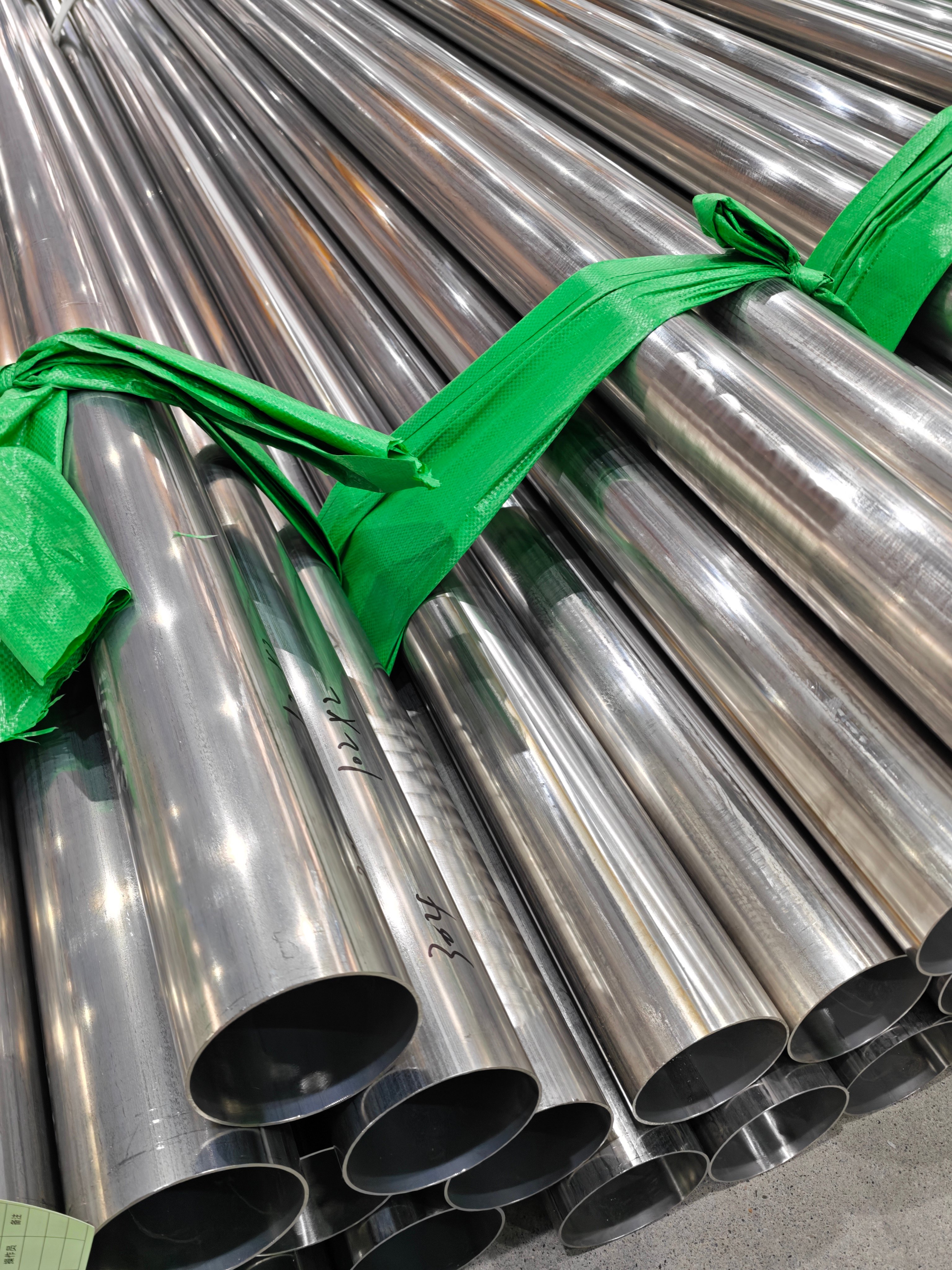
Defining ASTM 304 Stainless: Composition and Classification
The Chemical Makeup That Defines the Grade
ASTM 304 stainless is classified as an austenitic stainless steel, which means its microstructure is face-centered cubic and non-magnetic in the annealed condition. The defining chemical elements are chromium and nickel. Standard ASTM 304 stainless contains approximately 18% chromium and 8% nickel, which is why it is also commonly referred to as 18/8 stainless steel. These two elements work in combination to provide the alloy's signature corrosion resistance and ductility.
Chromium is the element primarily responsible for corrosion resistance. When exposed to oxygen, chromium forms a thin, self-repairing passive oxide layer on the steel's surface. This invisible protective film prevents moisture, acids, and atmospheric contaminants from penetrating the base metal. Nickel stabilizes the austenitic structure and significantly improves the material's toughness, formability, and weldability. The result is an alloy that is simultaneously strong, flexible, and highly resistant to oxidation.
Carbon content in ASTM 304 stainless is kept at a maximum of 0.08%, which is a deliberate design choice. Lower carbon levels reduce the risk of carbide precipitation during welding, a phenomenon that can lead to sensitization and intergranular corrosion in the heat-affected zone. This controlled carbon ceiling is one of the reasons ASTM 304 stainless remains so weldable and fabrication-friendly across diverse manufacturing environments.
How ASTM Standards Govern This Grade
The American Society for Testing and Materials, now operating as ASTM International, sets the performance and compositional standards that define what qualifies as legitimate ASTM 304 stainless. These standards cover everything from acceptable ranges of alloying elements to required mechanical property minimums such as tensile strength, yield strength, and elongation. ASTM A240 governs flat products like sheet and plate, while ASTM A312 applies to seamless and welded austenitic stainless steel pipes.
This standardization is critically important for procurement and engineering teams. When a specification calls for ASTM 304 stainless, buyers can trust that the material delivered will meet a defined minimum performance threshold. This consistency reduces engineering risk, simplifies cross-supplier qualification, and supports regulatory compliance in industries where traceability matters, such as pharmaceuticals, food processing, and pressure vessel fabrication.
Key Physical and Mechanical Properties
Strength, Ductility, and Temperature Performance
ASTM 304 stainless offers a minimum tensile strength of approximately 515 MPa and a minimum yield strength of 205 MPa in the annealed condition. These values make it suitable for structural and pressure-bearing applications where both strength and deformability matter. Its elongation at break typically exceeds 40%, which reflects excellent ductility and means the material can absorb significant mechanical stress without fracturing.
One of the less frequently discussed advantages of ASTM 304 stainless is its behavior across a wide temperature range. The alloy maintains acceptable mechanical integrity at cryogenic temperatures down to around -196°C, making it suitable for liquefied natural gas equipment and cold storage infrastructure. At elevated temperatures, it retains usable strength up to approximately 870°C for intermittent service, though sustained high-temperature exposure may require consideration of scaling resistance and thermal fatigue.
The work-hardening rate of ASTM 304 stainless is relatively high compared to carbon steels. When cold-worked, the alloy can develop substantially higher strength levels, which is exploited in the manufacture of fasteners, springs, and drawn components where both strength and formability are needed in sequence during production.
Corrosion Resistance in Practical Environments
ASTM 304 stainless performs exceptionally well in a broad range of corrosive environments. It resists oxidation at high temperatures, withstands many organic and inorganic chemicals, and is highly resistant to food-grade acids and alkaline cleaning agents used in hygiene-critical industries. The passive chromium oxide layer that forms on its surface is essentially self-healing — minor abrasions or surface scratches do not result in permanent degradation because the oxide film reforms spontaneously in the presence of oxygen.
However, ASTM 304 stainless is not universally corrosion-proof. It is vulnerable to chloride-induced stress corrosion cracking, particularly in warm, concentrated chloride environments such as coastal marine applications or environments with high salt concentrations. For these scenarios, engineers typically specify 316-grade stainless steel, which contains molybdenum for enhanced chloride resistance. Understanding this limitation is as important as appreciating the material's strengths when making informed specification decisions.
Why ASTM 304 Stainless Is So Widely Used
Versatility Across Industries and Applications
The widespread adoption of ASTM 304 stainless is not accidental. Its balanced combination of corrosion resistance, mechanical strength, ease of fabrication, and reasonable cost positions it as the default choice across an extraordinarily broad range of industries. In food and beverage processing, it meets hygiene standards while withstanding regular steam and chemical cleaning cycles. In architectural applications, it offers aesthetic appeal and durability in exterior cladding, railings, and structural supports exposed to weather.
The chemical processing industry relies on ASTM 304 stainless for heat exchangers, tanks, and piping systems that handle dilute acids, caustic solutions, and organic solvents. In the pharmaceutical and biotechnology sectors, it forms the backbone of sterile processing equipment where surface cleanliness and chemical neutrality are non-negotiable. In oil and gas upstream operations, ASTM 304 stainless appears in instrumentation tubing, fittings, and structural components where non-corrosive behavior in atmospheric and mildly aggressive fluid environments is required.
For piping systems specifically, ASTM 304 stainless seamless pipes offer the added advantage of no longitudinal weld seam, reducing potential failure points under cyclic pressure and providing superior dimensional precision for tight-tolerance assembly. This makes them a preferred option in precision fluid conveyance, hydraulic systems, and instrumentation lines.
Fabrication Friendliness and Cost Efficiency
ASTM 304 stainless is one of the most fabrication-friendly stainless alloys available. It can be cut, bent, rolled, drawn, stamped, and welded using standard industrial equipment and conventional techniques. Common welding processes including TIG, MIG, and resistance welding are all suitable without requiring pre-heating or post-weld heat treatment in most standard thickness ranges, which reduces production time and cost.
From a cost perspective, ASTM 304 stainless occupies a practical middle ground. It is significantly less expensive than high-alloy or specialty grades such as duplex, super duplex, or nickel alloys, yet offers substantially superior corrosion resistance and longevity compared to carbon steel in corrosive environments. Over the full lifecycle of equipment and infrastructure, the lower maintenance burden, longer service intervals, and reduced replacement frequency of ASTM 304 stainless typically deliver compelling total cost of ownership advantages.
The global availability of ASTM 304 stainless in a wide variety of product forms — sheet, plate, coil, bar, tube, pipe, and fittings — further contributes to its dominance in industrial procurement. Engineers do not have to design around material availability constraints, and procurement teams can source across multiple qualified suppliers with confidence that the ASTM standard ensures consistent performance.
Common Product Forms and Industrial Applications
Pipes, Tubes, and Hollow Sections
ASTM 304 stainless pipes and tubes are among the most frequently ordered product forms in industrial procurement. These hollow sections are produced in both seamless and welded configurations, with seamless versions offering superior mechanical uniformity and pressure ratings due to the absence of a weld seam. They are used extensively in chemical plants, food processing facilities, dairy operations, beverage production lines, and pharmaceutical manufacturing where both hygiene and pressure integrity matter.
The dimensional range available in ASTM 304 stainless pipes is extensive, covering small-bore instrumentation tubing through large-diameter industrial pipe. Surface finish options range from hot-rolled mill finishes through to highly polished electropolished surfaces required for sanitary applications. This adaptability allows a single material grade to serve radically different end-use environments with appropriate surface and dimensional specifications.
Sheet, Plate, and Structural Uses
ASTM 304 stainless sheet and plate are foundational materials for fabricated equipment such as tanks, vessels, enclosures, and structural supports across nearly every major industry sector. In architectural and construction applications, the material's aesthetic finish options — brushed, mirror-polished, or patterned — make it suitable for visible structural and decorative elements that must also survive atmospheric exposure without degrading over time.
In industrial fabrication, ASTM 304 stainless plate forms the shell, heads, and nozzle pads of pressure vessels, heat exchanger channels, and storage tanks. Its weldability and post-fabrication surface treatment options make it compatible with the full range of vessel fabrication standards, including ASME pressure vessel code requirements when the appropriate ASME-equivalent grade is specified alongside the ASTM designation.
FAQ
What is the difference between ASTM 304 stainless and 316 stainless steel?
The primary difference is chemical composition. ASTM 304 stainless contains chromium and nickel as its main alloying elements, while 316 stainless steel also includes molybdenum, typically around 2 to 3%. This addition of molybdenum gives 316 significantly enhanced resistance to chloride-induced corrosion and pitting, making it the preferred choice in marine environments, chloride-rich processing environments, and certain chemical service applications. ASTM 304 stainless remains the more cost-effective and commonly specified option where chloride exposure is not a primary design concern.
Is ASTM 304 stainless magnetic?
In its annealed or solution-treated condition, ASTM 304 stainless is essentially non-magnetic. However, when cold-worked through processes such as drawing, rolling, or forming, the austenitic microstructure can partially transform into martensite, which is magnetic. The degree of magnetic response depends on the amount of cold work applied. This is a metallurgical reality rather than a defect, and it does not affect the alloy's corrosion resistance or mechanical suitability for most applications.
Can ASTM 304 stainless be used for high-temperature service?
ASTM 304 stainless can be used at elevated temperatures for many applications. It maintains oxidation resistance up to approximately 870°C in intermittent service and around 925°C in continuous service. However, prolonged exposure in the 425°C to 860°C sensitization range should be avoided because it can cause carbide precipitation along grain boundaries, which reduces corrosion resistance. For continuous high-temperature applications within this sensitization range, the low-carbon variant — typically designated as 304L — or stabilized grades may be more appropriate choices.
What does the ASTM designation mean when specifying 304 stainless steel products?
The ASTM designation indicates that the material complies with the compositional, mechanical, and testing requirements set by ASTM International, a globally recognized standards organization. When specifying ASTM 304 stainless, engineers reference a specific ASTM standard depending on the product form — for example, ASTM A240 for flat products and ASTM A312 for seamless and welded pipes. The designation provides a standardized basis for material qualification, inspection, and traceability, which is essential in regulated industries and for engineering designs that must meet code compliance requirements.