 EN
EN

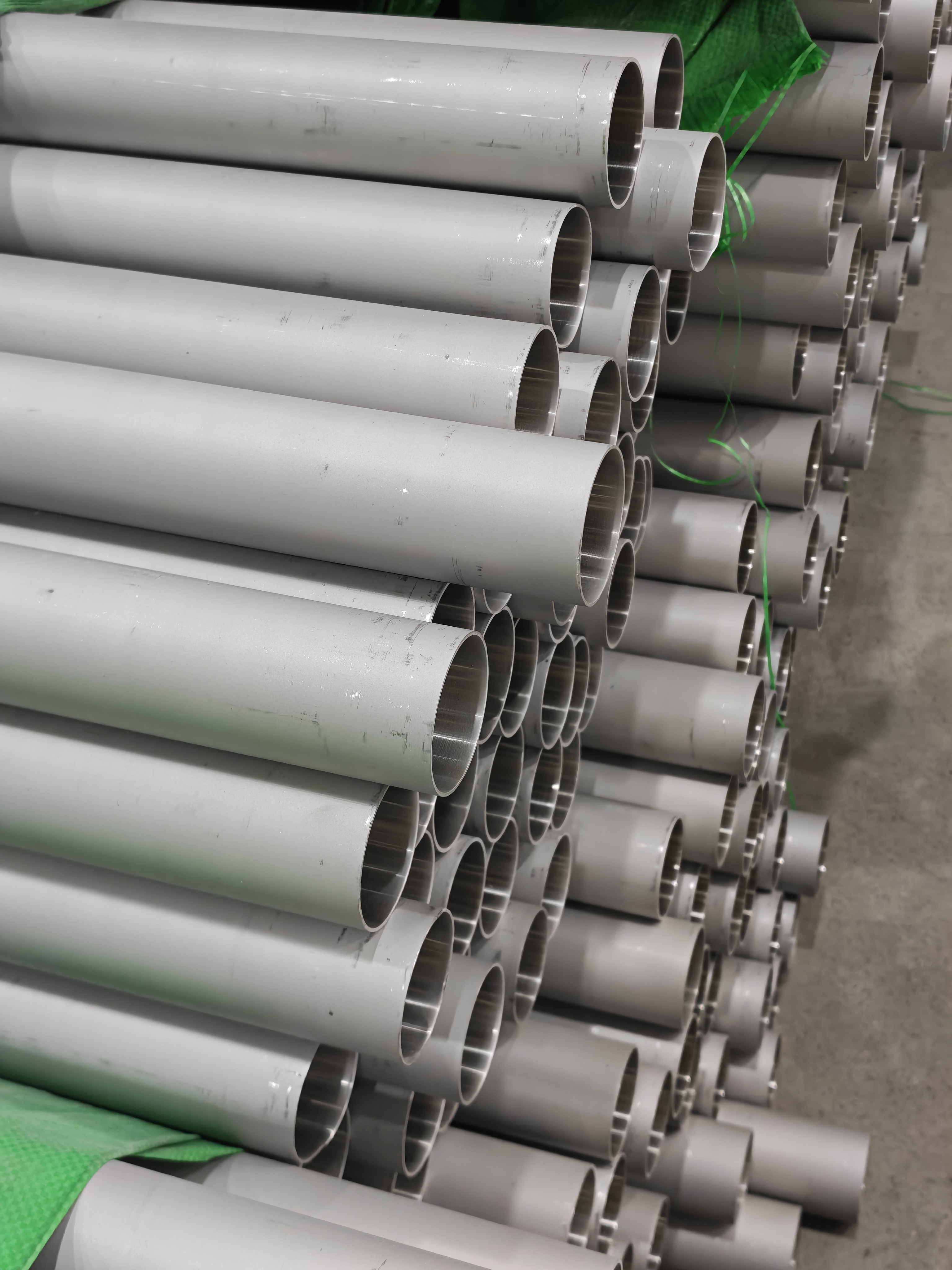
Understanding the properties and applications of 300 stainless steel is essential for engineers, procurement specialists, and industrial decision-makers who need to select materials that deliver exceptional corrosion resistance, durability, and performance across demanding environments. This austenitic stainless steel family represents one of the most widely used material categories in modern manufacturing, valued for its unique combination of mechanical strength, thermal stability, and resistance to oxidation. As industries continue to push boundaries in process efficiency and product longevity, 300 stainless steel remains a cornerstone material solution that addresses critical challenges in chemical processing, food production, medical device manufacturing, and architectural applications.
The designation 300 stainless steel refers to a specific series of austenitic chromium-nickel alloys standardized under the AISI numbering system, encompassing grades such as 304, 316, 321, and 347. What distinguishes this series from other stainless steel families is its face-centered cubic crystal structure stabilized by nickel content, which imparts superior toughness, excellent formability, and the ability to maintain structural integrity across a wide temperature range. The chromium content typically ranges from sixteen to twenty-six percent, while nickel content varies between eight and twenty-two percent, depending on the specific grade. This careful balance of alloying elements creates a passive chromium oxide layer on the surface that self-heals when damaged, providing the material with its renowned resistance to rust, staining, and chemical attack in both atmospheric and immersed conditions.
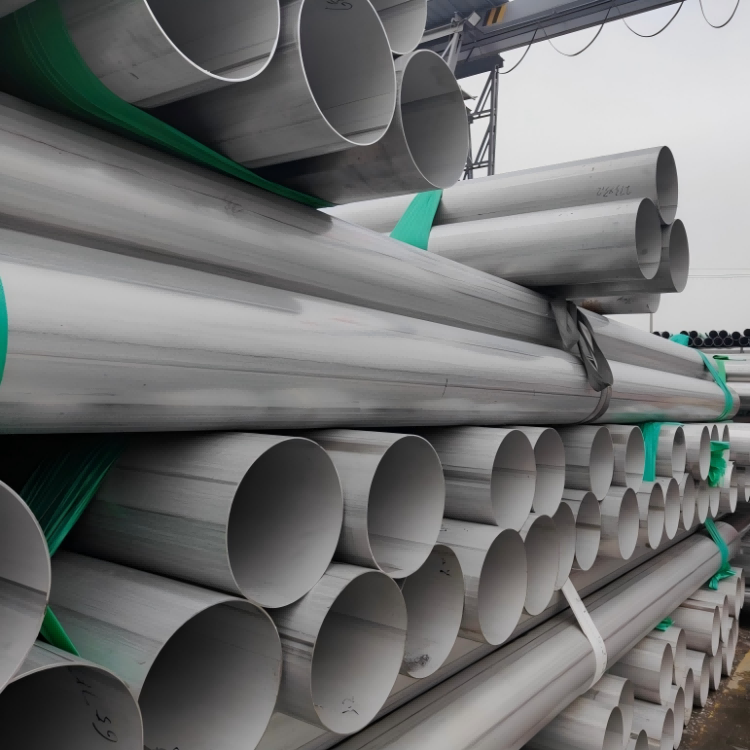
Material Composition and Metallurgical Characteristics
Alloying Elements and Their Functions
The foundation of 300 stainless steel performance lies in its carefully engineered chemical composition, where chromium serves as the primary corrosion-resistant element by forming a stable passive oxide film that protects the underlying metal from environmental attack. Nickel plays an equally critical role by stabilizing the austenitic phase at room temperature, preventing the formation of brittle martensitic structures that would compromise mechanical properties and corrosion resistance. Additional elements such as molybdenum, titanium, and niobium are introduced in specific grades to enhance particular characteristics, with molybdenum improving resistance to pitting corrosion in chloride environments, while titanium and niobium act as stabilizing agents that prevent chromium carbide precipitation during welding operations.
The carbon content in 300 stainless steel typically remains below 0.08 percent in standard grades and below 0.03 percent in low-carbon variants, which minimizes the risk of sensitization during thermal processing. Manganese and silicon are present as deoxidizing agents and contribute to hot working properties, while sulfur and phosphorus are kept at minimal levels to preserve corrosion resistance and toughness. The precise balance of these elements determines not only the corrosion resistance profile but also the mechanical strength, magnetic properties, and fabrication characteristics that make each grade suitable for specific industrial applications. Understanding this compositional framework enables material specifiers to select the optimal 300 stainless steel grade that aligns with operational requirements, environmental exposures, and performance expectations.
Crystal Structure and Phase Stability
The austenitic crystal structure of 300 stainless steel distinguishes it fundamentally from ferritic and martensitic stainless steel families, providing a unique combination of properties that cannot be replicated by other alloy systems. This face-centered cubic lattice arrangement allows for exceptional ductility and formability, enabling complex fabrication operations such as deep drawing, spinning, and roll forming without inducing work hardening to levels that would compromise manufacturing efficiency. The austenitic structure remains stable across a broad temperature range, from cryogenic conditions approaching absolute zero to elevated service temperatures exceeding 800 degrees Celsius, making 300 stainless steel suitable for applications involving extreme thermal cycling or sustained high-temperature exposure.
Phase stability in 300 stainless steel is maintained through sufficient nickel content, which suppresses the transformation to ferrite or martensite that would otherwise occur during cooling or cold working. This stability contributes to the non-magnetic nature of most austenitic grades, a critical property for applications in electromagnetic equipment, medical imaging devices, and electronic component manufacturing. However, cold working can induce limited martensitic transformation in certain grades, resulting in slight magnetic permeability and increased yield strength, a phenomenon that material engineers must account for when specifying 300 stainless steel for precision applications requiring strict magnetic neutrality or dimensional stability under mechanical stress.
Corrosion Resistance Properties and Environmental Performance
Passive Film Formation and Self-Healing Mechanisms
The exceptional corrosion resistance of 300 stainless steel stems from the spontaneous formation of a chromium-rich oxide layer on exposed surfaces, a passive film typically only a few nanometers thick yet remarkably effective at isolating the base metal from corrosive environments. This film forms instantaneously when fresh metal surfaces are exposed to oxygen, whether in atmospheric conditions, aqueous solutions, or oxidizing chemical environments. The self-healing nature of this passive layer represents a critical advantage, as minor scratches or surface damage automatically regenerate the protective oxide film provided sufficient oxygen is available, ensuring continuous protection throughout the service life of components manufactured from 300 stainless steel.
The stability and effectiveness of the passive film depend on environmental factors including pH levels, chloride concentration, temperature, and oxidizing potential, with optimal performance achieved in neutral to slightly alkaline conditions with low halide content. In aggressive environments containing high chloride concentrations or reducing acids, the passive film may become compromised, leading to localized corrosion phenomena such as pitting or crevice corrosion. Molybdenum-bearing grades within the 300 stainless steel family, particularly 316 and 316L, demonstrate superior resistance to chloride-induced pitting through the formation of molybdenum-enriched oxide films that provide enhanced protection in marine environments, chemical processing applications, and pharmaceutical manufacturing facilities where exposure to chlorinated cleaning solutions is routine.
Resistance to Specific Corrosion Mechanisms
Different grades within the 300 stainless steel series exhibit varying resistance profiles to specific corrosion mechanisms encountered in industrial service, requiring careful grade selection based on anticipated exposure conditions. Intergranular corrosion, caused by chromium depletion adjacent to grain boundaries during improper heat treatment, can be effectively prevented through the use of low-carbon grades or stabilized grades containing titanium or niobium that preferentially form carbides, leaving chromium available for passive film formation. Stress corrosion cracking represents another failure mode of concern in chloride-containing environments under tensile stress, with 300 stainless steel grades showing susceptibility at elevated temperatures, necessitating stress relief heat treatment or selection of alternative alloy systems for critical pressure vessel applications in aggressive chemical service.
Pitting corrosion resistance varies significantly among 300 stainless steel grades, with the Pitting Resistance Equivalent Number serving as a useful comparative metric based on chromium, molybdenum, and nitrogen content. Standard 304 grade provides adequate resistance in mildly corrosive atmospheres and fresh water applications, while 316 grade with its molybdenum addition offers substantially improved performance in brackish water, coastal environments, and process streams containing moderate chloride levels. For the most aggressive conditions involving hot chloride solutions, seawater immersion, or acidic process environments, specialty grades within the 300 stainless steel family such as 317 or superaustenitic variants with enhanced chromium, molybdenum, and nitrogen content may be required to ensure long-term material integrity and avoid premature component failure.
Mechanical Properties and Structural Performance
Strength and Ductility Characteristics
The mechanical property profile of 300 stainless steel reflects the inherent characteristics of its austenitic microstructure, combining moderate strength levels with exceptional ductility and toughness that remain stable across a wide temperature range. In the annealed condition, 300 stainless steel typically exhibits yield strengths between 200 and 300 megapascals and ultimate tensile strengths ranging from 500 to 700 megapascals, values that position this material family as suitable for structural applications requiring good formability rather than maximum strength. The elongation at fracture commonly exceeds forty percent, indicating excellent plastic deformation capacity that facilitates complex fabrication operations and provides superior impact resistance compared to higher-strength alloy systems.
Cold working significantly increases the strength of 300 stainless steel through strain hardening mechanisms, with yield strength potentially doubling or tripling depending on the degree of reduction applied during forming operations. This work hardening behavior must be carefully managed during multi-stage fabrication processes, as excessive hardening can compromise further formability and may necessitate intermediate annealing treatments to restore ductility. The absence of a ductile-to-brittle transition temperature distinguishes 300 stainless steel from ferritic and martensitic grades, making it the preferred choice for cryogenic applications in liquefied gas storage, aerospace systems, and scientific instrumentation where material toughness at extremely low temperatures is essential for safe and reliable operation.
High-Temperature Strength and Creep Resistance
At elevated temperatures, 300 stainless steel maintains adequate strength for many industrial applications, though careful consideration of temperature limits and stress levels is required to prevent excessive creep deformation or premature failure. The austenitic structure remains stable and does not undergo phase transformations that would compromise mechanical integrity, allowing continuous service at temperatures up to 800 degrees Celsius for standard grades and potentially higher for specialty compositions. However, prolonged exposure to temperatures above 550 degrees Celsius can result in chromium carbide precipitation along grain boundaries, a phenomenon known as sensitization that depletes chromium from adjacent regions and increases susceptibility to intergranular corrosion in corrosive environments.
Creep resistance, the ability to resist time-dependent deformation under sustained load at elevated temperature, varies among 300 stainless steel grades based on their specific compositions and microstructural features. Solid solution strengthening from elements such as molybdenum and nitrogen improves creep performance, while stabilized grades containing titanium or niobium form fine dispersions of carbide or carbonitride precipitates that impede dislocation movement and enhance high-temperature strength. For applications involving sustained mechanical loading at temperatures approaching or exceeding 600 degrees Celsius, such as furnace components, heat exchanger tubing, or industrial boiler systems, material selection must account for the cumulative effects of thermal exposure, stress magnitude, and environmental conditions to ensure adequate service life and prevent unexpected failure modes related to creep rupture or excessive dimensional changes.
Industrial Applications Across Key Sectors
Chemical and Petrochemical Processing
Within chemical and petrochemical industries, 300 stainless steel serves as the material of choice for process equipment handling corrosive chemicals, elevated temperatures, and challenging operating conditions that would rapidly degrade carbon steel or other structural metals. Storage tanks, reactor vessels, heat exchangers, and piping systems fabricated from 300 stainless steel provide reliable containment for organic solvents, weak to moderate strength acids, alkaline solutions, and mixed chemical streams that define modern chemical manufacturing operations. The material's resistance to a broad spectrum of chemical environments reduces maintenance requirements, extends equipment service life, and minimizes the risk of product contamination from corrosion products that could compromise product quality or introduce safety hazards.
The selection of specific 300 stainless steel grades within chemical processing facilities depends on process fluid composition, operating temperature, and the presence of specific corrosive species such as chlorides or sulfur compounds. Standard 304 grade finds extensive use in atmospheric storage tanks, low-pressure vessels, and ambient-temperature piping systems handling non-chlorinated chemicals, while 316 and 316L grades are specified for equipment exposed to chloride-bearing process streams, coastal atmospheric conditions, or elevated temperature service where enhanced corrosion resistance justifies the additional material cost. Stabilized grades such as 321 and 347 are employed in welded constructions subjected to elevated temperatures where sensitization risk must be minimized, particularly in heat exchanger fabrication and high-temperature process piping where post-weld heat treatment may be impractical or economically prohibitive.
Food and Beverage Production
The food and beverage industry relies heavily on 300 stainless steel for processing equipment, storage vessels, conveying systems, and packaging machinery due to its hygienic properties, ease of cleaning, and complete resistance to corrosion from food acids, sugars, and cleaning solutions. The smooth surface finish achievable on 300 stainless steel components minimizes bacterial adhesion and facilitates thorough cleaning through automated clean-in-place systems, essential requirements for maintaining food safety standards and regulatory compliance in dairy processing, beverage production, meat processing, and prepared food manufacturing facilities. The material's non-reactive nature ensures that no metallic ions leach into food products, preserving flavor profiles and preventing discoloration or taste contamination that could compromise product quality and consumer acceptance.
Dairy equipment represents one of the largest application segments for 300 stainless steel within the food industry, with milk storage silos, pasteurization systems, homogenizers, and filling machines constructed entirely from austenitic grades to withstand repeated exposure to hot cleaning solutions and acidic dairy products without degradation. Brewery and winery operations utilize 300 stainless steel fermentation vessels, aging tanks, and transfer piping to prevent oxidation and maintain the precise flavor characteristics demanded by discerning consumers. Commercial kitchen equipment including preparation tables, sinks, cooking appliances, and refrigeration systems incorporates 300 stainless steel for its durability, aesthetic appeal, and ability to maintain sanitary conditions throughout years of intensive use, demonstrating the material's versatility across diverse food processing and service applications.
Medical and Pharmaceutical Manufacturing
Medical device manufacturing and pharmaceutical production operations depend on the purity, biocompatibility, and sterilization compatibility of 300 stainless steel for instruments, implantable devices, and process equipment that must meet stringent regulatory requirements for material safety and performance. Surgical instruments fabricated from 300 stainless steel withstand repeated sterilization cycles through autoclaving, chemical disinfection, or radiation treatment without corrosion or degradation that could compromise sterility or introduce particulate contamination. Implantable medical devices including orthopedic fixation hardware, cardiovascular stents, and dental implants utilize specific 300 stainless steel grades selected for their biocompatibility, mechanical properties, and corrosion resistance in bodily fluids, though other materials such as titanium alloys may be preferred for permanent implants requiring superior biocompatibility.
Pharmaceutical manufacturing facilities incorporate 300 stainless steel throughout process equipment including reaction vessels, mixing tanks, piping systems, and filtration assemblies where material purity and resistance to cleaning chemicals are paramount considerations. The electropolished surface finishes commonly applied to pharmaceutical-grade 300 stainless steel equipment eliminate microscopic surface irregularities that could harbor bacterial contamination or cause product holdup, while the smooth, passive surface resists attack from acidic or alkaline cleaning solutions used to validate system cleanliness between production campaigns. Cleanroom construction extensively employs 300 stainless steel for wall panels, ceiling grids, furniture, and equipment surfaces that must maintain particulate control, withstand frequent disinfection, and provide long-term dimensional stability in controlled environmental conditions essential for sterile product manufacturing.
Architectural and Structural Applications
The architectural sector utilizes 300 stainless steel for both functional and aesthetic applications where corrosion resistance, low maintenance requirements, and visual appeal justify the material premium over conventional structural metals. Building facades, roofing systems, decorative panels, and sculptural elements fabricated from 300 stainless steel provide lasting beauty with minimal maintenance, resisting atmospheric corrosion, staining, and weathering effects that degrade painted or coated carbon steel installations. The range of surface finishes available on 300 stainless steel, from mirror polish to brushed satin and textured patterns, offers architects and designers extensive creative flexibility while ensuring that aesthetic characteristics remain stable throughout the building's service life with only periodic cleaning to remove accumulated dirt and environmental deposits.
Structural applications of 300 stainless steel in architecture include handrails, balustrades, columns, beams, and tension cables where strength, corrosion resistance, and visual consistency are simultaneously required. Coastal construction projects particularly benefit from 300 stainless steel's resistance to salt-laden atmospheres that cause rapid deterioration of carbon steel and aluminum alloys, making it the economically optimal choice despite higher initial material costs when lifecycle costs including maintenance, repainting, and replacement are considered. Transportation infrastructure such as bridges, pedestrian walkways, and transit station fixtures increasingly incorporate 300 stainless steel components where durability, vandalism resistance, and low maintenance requirements outweigh material cost considerations, demonstrating the expanding recognition of 300 stainless steel's long-term value proposition across diverse built environment applications.
Material Selection Guidance and Grade Comparison
Evaluating Grade Options Within the Series
Selecting the appropriate grade within the 300 stainless steel family requires systematic evaluation of service conditions, performance requirements, fabrication processes, and economic constraints that define each application's unique material needs. Grade 304 serves as the baseline option offering excellent general corrosion resistance, good formability, and competitive pricing for applications involving atmospheric exposure, fresh water contact, and mildly corrosive environments without significant chloride content. When enhanced corrosion resistance is required, particularly in marine environments, chemical processing applications, or pharmaceutical manufacturing, grade 316 with its molybdenum addition provides substantially improved pitting resistance and stress corrosion cracking resistance that justify its material cost premium.
Low-carbon variants designated with the L suffix, such as 304L and 316L, minimize carbon content below 0.03 percent to prevent sensitization during welding operations, making them the preferred choices for welded constructions that cannot be solution annealed after fabrication. Stabilized grades 321 and 347 incorporate titanium or niobium respectively to tie up carbon as stable carbides, preventing chromium depletion at grain boundaries during elevated temperature exposure and providing an alternative approach to sensitization control in welded assemblies subjected to service temperatures between 400 and 850 degrees Celsius. Understanding these fundamental differences among 300 stainless steel grades enables informed material selection that balances performance requirements against material and fabrication costs while ensuring adequate service life under anticipated operating conditions.
Cost-Performance Optimization Strategies
Optimizing material selection within the 300 stainless steel family involves balancing initial material costs against long-term performance, maintenance requirements, and service life expectations to minimize total cost of ownership rather than simply selecting the lowest-cost grade. In many applications, specifying 304 grade where 316 grade is unnecessary results in significant material savings without compromising performance, as the enhanced corrosion resistance of molybdenum-bearing grades provides no measurable benefit in non-chloride environments or applications without elevated temperature exposure. Conversely, selecting 304 grade for marginal chloride-exposed applications may result in premature failure, unexpected replacement costs, and potential safety or environmental consequences that far exceed the material cost savings achieved through initial grade selection.
Fabrication considerations significantly influence the cost-effectiveness of different 300 stainless steel grades, with low-carbon variants eliminating the need for post-weld heat treatment in many applications despite their slight material cost premium. The work hardening characteristics of different grades affect manufacturing costs through their influence on tooling life, forming loads, and the need for intermediate annealing during multi-stage fabrication operations, factors that may outweigh raw material cost differences in complex formed components. Surface finish requirements similarly impact total component cost, with electropolished or highly polished finishes adding substantial processing costs that should be specified only where functional requirements such as cleanability, particle control, or aesthetic appearance justify the additional expense rather than defaulting to premium surface finishes as a general practice across all 300 stainless steel applications.
FAQ
What is the primary difference between 304 and 316 grades of 300 stainless steel?
The fundamental difference lies in the addition of molybdenum to 316 grade, typically at levels between two and three percent, which significantly enhances resistance to pitting corrosion and crevice corrosion in chloride-containing environments. This compositional modification makes 316 grade substantially more resistant to attack in marine atmospheres, brackish water, chemical processing environments with chloride exposure, and pharmaceutical applications involving halogenated cleaning solutions. While 304 grade provides excellent general corrosion resistance in atmospheric conditions and fresh water, 316 grade's superior chloride resistance justifies its higher material cost in applications where chloride-induced corrosion represents a realistic failure mode that could compromise component integrity or service life.
Can 300 stainless steel be magnetic after cold working?
Although 300 stainless steel in the fully annealed condition is essentially non-magnetic due to its austenitic crystal structure, cold working through bending, forming, or machining operations can induce partial transformation of austenite to martensite, particularly in grades with marginal austenite stability. This strain-induced martensite exhibits ferromagnetic behavior, resulting in slight magnetic permeability that may be detected with sensitive instruments or strong permanent magnets. The degree of magnetic response depends on the amount of cold work, the specific grade composition, and the working temperature, with higher nickel grades showing greater resistance to martensitic transformation. For applications requiring strict magnetic neutrality such as MRI equipment housings or precision electronic devices, high-nickel stabilized grades or avoidance of heavy cold working may be necessary to maintain non-magnetic properties throughout component fabrication and service life.
What temperature limitations should be considered for 300 stainless steel?
While 300 stainless steel maintains its austenitic structure and mechanical integrity across a broad temperature range from cryogenic conditions to approximately 800 degrees Celsius, several temperature-related phenomena impose practical service limitations. Prolonged exposure to temperatures between 425 and 815 degrees Celsius can cause sensitization through chromium carbide precipitation, increasing susceptibility to intergranular corrosion unless low-carbon or stabilized grades are employed. Above 550 degrees Celsius, oxidation rates accelerate and scaling may occur depending on atmospheric composition, while creep deformation becomes significant under sustained loading above 600 degrees Celsius, requiring careful stress analysis and potential material upgrade to creep-resistant variants. At cryogenic temperatures approaching absolute zero, 300 stainless steel maintains excellent toughness without ductile-to-brittle transition, making it suitable for liquefied gas applications, though thermal contraction and reduced yield strength must be accommodated in design calculations.
How does surface finish affect the corrosion resistance of 300 stainless steel?
Surface finish quality significantly influences the practical corrosion resistance of 300 stainless steel by affecting the uniformity and stability of the passive chromium oxide film that provides corrosion protection. Rough surfaces with deep scratches, embedded contamination, or scale from hot working operations create local variations in passivation quality and may harbor crevices that promote localized corrosion initiation. Smooth, electropolished surfaces facilitate uniform passive film formation, minimize crevice sites, and reduce the adhesion of corrosive deposits or bacterial colonization in hygienic applications. In aggressive chloride environments, surface roughness can decrease pitting resistance by creating preferred initiation sites, while highly polished finishes improve resistance by eliminating surface discontinuities that would otherwise serve as stress concentrators or sites of preferential attack. For critical corrosion service, specifying appropriate surface finish requirements and implementing proper surface preparation procedures before equipment commissioning ensures that the full corrosion resistance potential of 300 stainless steel is realized throughout the component's intended service life.