 EN
EN

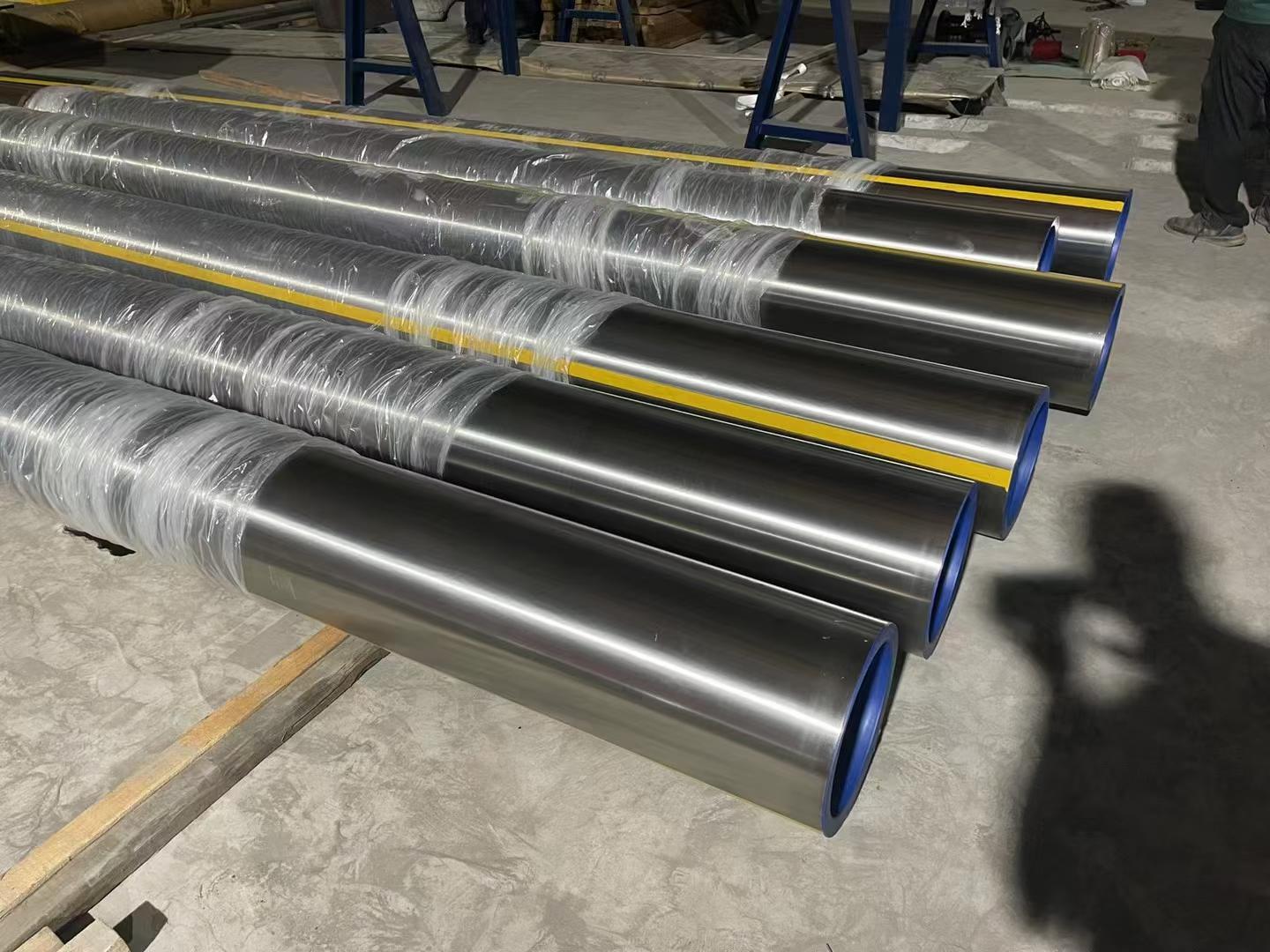
When engineers and procurement professionals face material selection decisions, understanding the nuanced differences within stainless steel families becomes critical to project success. The comparison of 304 stainless steel vs stainless steel often emerges during specification development, yet this phrase itself reveals a common misconception: 304 is not separate from stainless steel but rather one specific grade within a vast family of iron-chromium alloys. This distinction fundamentally impacts how material selection proceeds, influencing everything from corrosion resistance requirements to budget allocation and long-term performance expectations in industrial applications.
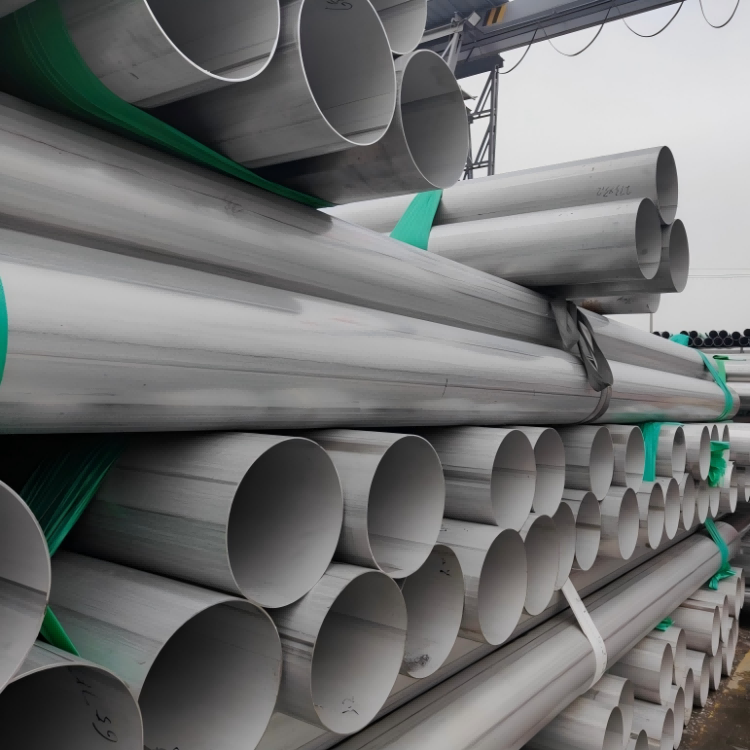
The material selection process becomes exponentially more complex when stakeholders fail to recognize that stainless steel encompasses over 150 distinct grades, each engineered for specific performance characteristics. When comparing 304 stainless steel vs stainless steel in practical terms, decision-makers are actually weighing one austenitic grade against alternative stainless options like 316, 430, or duplex variants. This article clarifies how this comparison truly impacts material selection methodology, examining the chemical composition differences, performance trade-offs, cost implications, and application-specific suitability factors that should drive specification decisions in manufacturing, construction, and processing industries.
Understanding the Fundamental Classification Framework
The Stainless Steel Family Structure
Stainless steel represents a broad category of iron-based alloys containing a minimum of 10.5 percent chromium, which forms a passive oxide layer that provides corrosion resistance. Within this family, five primary categories exist: austenitic, ferritic, martensitic, duplex, and precipitation-hardening grades. Each category exhibits distinct crystalline structures and mechanical properties that emerge from varying alloy compositions and heat treatment processes. The 304 grade falls within the austenitic category, which accounts for approximately 70 percent of all stainless steel production globally due to its balanced combination of formability, weldability, and corrosion resistance.
When examining 304 stainless steel vs stainless steel alternatives, recognizing these categorical divisions provides the essential framework for meaningful comparison. Austenitic grades like 304 contain significant nickel content, typically 8 to 10.5 percent, which stabilizes the austenitic phase at room temperature and contributes to superior ductility. In contrast, ferritic stainless steels such as 430 contain minimal nickel, relying instead on higher chromium levels for corrosion protection while exhibiting magnetic properties and lower toughness. This fundamental structural difference creates divergent performance profiles that material selectors must evaluate against specific application requirements rather than treating all stainless steel options as functionally equivalent.
Chemical Composition as a Selection Driver
The composition of 304 stainless steel typically includes 18 to 20 percent chromium and 8 to 10.5 percent nickel, with carbon content limited to 0.08 percent maximum. This specific formulation delivers excellent general-purpose corrosion resistance, particularly in atmospheric conditions and mild chemical environments. When comparing 304 stainless steel vs stainless steel grades like 316, the critical differentiator emerges in the addition of 2 to 3 percent molybdenum in 316, which significantly enhances resistance to chloride pitting and crevice corrosion in marine and chemical processing applications.
Material selection impact becomes immediately apparent when project specifications fail to account for these compositional nuances. A specification calling generically for stainless steel without grade designation creates procurement ambiguity that can lead to either over-specification with unnecessary cost premiums or under-specification with premature material failure. The 304 stainless steel vs stainless steel decision framework must therefore begin with translating environmental exposure conditions, mechanical stress profiles, and temperature ranges into compositional requirements that match grade capabilities to operational demands.
Performance Characteristics Across Application Scenarios
The practical impact of selecting 304 versus alternative stainless steel grades manifests most clearly in field performance under specific service conditions. In food processing environments where frequent washdowns with mild detergents occur, 304 demonstrates excellent longevity and maintains sanitary surface conditions that meet regulatory requirements. However, in coastal installations or chemical plants handling chloride-bearing solutions, the same grade may experience localized corrosion that 316 or duplex grades would resist more effectively, directly impacting maintenance cycles and asset lifecycle costs.
Temperature performance further differentiates 304 stainless steel vs stainless steel alternatives in material selection logic. While 304 maintains adequate strength and oxidation resistance up to approximately 870 degrees Celsius in intermittent service, applications involving sustained elevated temperatures may require stabilized grades like 321 or high-temperature grades like 310 that incorporate titanium or increased chromium-nickel ratios. The selection impact extends beyond immediate functional adequacy to encompass long-term dimensional stability, scaling resistance, and retention of mechanical properties through thermal cycling that influences structural integrity over operational lifetimes spanning decades.
Cost-Performance Trade-Offs in Material Decision-Making
Direct Material Cost Considerations
The economic dimension of comparing 304 stainless steel vs stainless steel alternatives fundamentally shapes material selection outcomes, particularly in price-sensitive projects or high-volume production scenarios. Grade 304 typically positions in the mid-range of stainless steel pricing, offering favorable cost-performance balance for general applications. Ferritic grades like 430 may present lower initial material costs due to reduced nickel content, potentially delivering 15 to 25 percent savings on raw material expenditure. However, this apparent advantage disappears when fabrication complexity increases, as ferritic grades exhibit inferior formability and weldability that drive up labor and processing costs.
Conversely, upgrading from 304 to molybdenum-bearing grades like 316 typically adds 20 to 40 percent to material costs depending on market conditions for nickel and molybdenum. This premium creates tension in specification development when project budgets constrain material choices. The 304 stainless steel vs stainless steel selection impact extends beyond purchase price to encompass total cost of ownership calculations that factor in expected service life, maintenance frequency, and replacement costs. In corrosive environments where 304 might require replacement after 10 years while 316 delivers 25-year service life, the lifecycle cost advantage shifts dramatically despite higher initial investment.
Fabrication and Processing Implications
Material selection impact extends significantly into fabrication operations where grade-specific characteristics affect manufacturing efficiency, tooling costs, and quality outcomes. The austenitic structure of 304 stainless steel provides excellent cold-working properties, allowing complex forming operations like deep drawing, spinning, and roll forming without intermediate annealing in many applications. This fabrication advantage becomes particularly valuable in high-mix production environments where tooling changeovers and setup complexity drive overhead costs that can eclipse raw material expenses.
When evaluating 304 stainless steel vs stainless steel alternatives from a fabrication perspective, welding characteristics often emerge as decisive factors. Grade 304 exhibits excellent weldability across common processes including TIG, MIG, and resistance welding, with minimal sensitization risk when proper techniques and filler materials are employed. Ferritic grades present greater challenges with weld zone grain growth and reduced ductility, while martensitic stainless steels require preheating and post-weld heat treatment that substantially increase production cycle times. These processing differences create hidden costs that material selection frameworks must capture through comprehensive manufacturability assessments rather than focusing narrowly on material purchase prices.
Availability and Supply Chain Factors
The ubiquity of 304 in global markets creates supply chain advantages that materially impact project timelines and procurement risk. As the most widely produced stainless steel grade, 304 enjoys broad availability across product forms including sheet, plate, bar, tube, and specialty profiles. This market depth translates to shorter lead times, multiple sourcing options, and competitive pricing dynamics that benefit buyers. When comparing 304 stainless steel vs stainless steel specialty grades with narrower production volumes, availability constraints can extend procurement timelines by weeks or months, potentially delaying project commissioning and creating costly schedule impacts.
Material selection decisions must therefore incorporate supply chain resilience considerations alongside technical performance requirements. Specifying an exotic stainless grade that offers marginal performance advantages over 304 but requires single-source procurement from distant suppliers introduces vulnerability to supply disruptions, price volatility, and quality consistency issues. The selection impact becomes particularly acute in industries with just-in-time manufacturing models or projects in remote locations where material logistics complexity amplifies cost and schedule risks associated with less common stainless steel grades.
Application-Specific Selection Criteria and Decision Logic
Environmental Exposure Assessment
Translating operational environments into appropriate material specifications represents the most critical competency in comparing 304 stainless steel vs stainless steel alternatives. Atmospheric corrosion in rural and urban environments typically presents minimal challenge to 304, which develops stable passive films that protect underlying substrate. However, industrial atmospheres containing sulfur compounds or coastal locations with salt-laden air introduce corrosive species that accelerate attack, particularly in crevices and under deposits where localized chemistry becomes more aggressive than bulk environment conditions.
The material selection impact of environmental assessment manifests through systematic evaluation of exposure factors including chloride concentration, pH levels, temperature ranges, and contact duration with corrosive media. In pharmaceutical manufacturing where process streams maintain neutral pH and moderate temperatures with minimal chloride presence, 304 delivers reliable long-term performance at optimal cost. Conversely, pulp and paper applications involving bleaching stages with chlorine dioxide or hypochlorite solutions demand molybdenum-enhanced grades to prevent rapid pitting failure. This application-specific selection logic requires detailed environmental characterization that moves beyond generic stainless steel specifications to grade-specific matching of alloy capabilities with service demands.
Mechanical Performance Requirements
Structural and load-bearing applications introduce mechanical property requirements that significantly influence the 304 stainless steel vs stainless steel selection calculus. Grade 304 in annealed condition provides minimum yield strength of approximately 205 MPa and tensile strength around 515 MPa, adequate for many architectural, food equipment, and light structural applications. However, components experiencing high stress concentrations, fatigue loading, or cryogenic temperatures may require alternative grades with superior strength, toughness, or low-temperature ductility retention.
The selection impact becomes particularly pronounced in applications combining corrosion exposure with demanding mechanical service. Duplex stainless steels offer roughly double the yield strength of 304 while maintaining good corrosion resistance, enabling downgauging that reduces material mass and associated costs in pressure vessels, piping systems, and structural members. However, duplex grades sacrifice some formability and weldability compared to 304, creating fabrication trade-offs that must be evaluated holistically. Material selection frameworks addressing 304 stainless steel vs stainless steel alternatives must therefore integrate mechanical loading analysis with environmental assessment to identify the minimum grade specification that satisfies all performance requirements without unnecessary over-specification.
Hygienic and Regulatory Compliance Factors
Industries subject to sanitary design requirements and regulatory oversight face additional selection criteria that favor certain stainless steel grades over alternatives. Food, beverage, pharmaceutical, and biotechnology applications demand materials that resist bacterial harboring, withstand aggressive cleaning and sanitization protocols, and avoid metallic contamination of products. Grade 304 has achieved widespread acceptance in these sectors due to its smooth surface finish capability, resistance to common sanitizers, and extensive regulatory approvals including FDA compliance for food contact applications.
When comparing 304 stainless steel vs stainless steel options in hygienic applications, the selection impact extends beyond material properties to encompass surface finishing requirements and validation documentation. While 316 offers enhanced corrosion resistance beneficial in high-chloride cleaning scenarios, the cost premium may be unjustified in applications with mild sanitizer exposure where 304 performs adequately. Conversely, ferritic grades despite lower material costs face adoption barriers due to limited regulatory precedent and inferior surface finish characteristics. This creates strong inertia favoring 304 as the default hygienic application material unless specific environmental challenges clearly necessitate upgraded specifications.
Strategic Considerations for Engineering Specification Development
Standardization Versus Optimization Approaches
Organizations face fundamental strategic choices between standardizing on limited stainless steel grades to capture economies of scale versus optimizing material selection for each application to minimize lifecycle costs. A standardization strategy centering on 304 as the default grade for most applications simplifies procurement, reduces inventory complexity, and enables volume pricing negotiations that lower material costs. This approach proves particularly effective for companies with diverse product portfolios where engineering resources for detailed material optimization are limited and where modest performance compromises are acceptable.
Alternatively, application-specific optimization comparing 304 stainless steel vs stainless steel alternatives for each use case can deliver substantial cost savings and performance improvements in demanding environments. Industries like chemical processing, offshore oil and gas, and desalination where material failures create severe safety and financial consequences justify the engineering investment required for rigorous material selection. The strategic impact of this choice cascades through organization operations, influencing not only procurement costs but also maintenance planning, spare parts inventory management, and technical competency requirements for engineering and maintenance personnel.
Design for Manufacturability Integration
Effective material selection processes integrate manufacturability considerations early in design development rather than treating fabrication as a downstream constraint. When evaluating 304 stainless steel vs stainless steel alternatives, involving fabrication expertise during specification development reveals opportunities for grade selection that optimizes total manufacturing cost rather than minimizing only material purchase price. Complex geometries requiring extensive forming may favor 304 over higher-strength grades that would enable downgauging but create forming challenges outweighing material savings.
The selection impact extends to joining technology choices where material properties interact with fabrication methods to influence quality and cost outcomes. Grade 304 enables use of resistance spot welding in thin-gauge assemblies, providing rapid automated joining with minimal heat input and distortion. Alternative grades requiring fusion welding increase cycle times and introduce quality risks that manifest as higher scrap rates and inspection requirements. Comprehensive material selection frameworks therefore evaluate grade options within complete manufacturing process contexts, recognizing that optimal specifications emerge from balancing material performance, fabricability, and quality assurance requirements rather than isolated consideration of technical properties.
Lifecycle Asset Management Perspectives
Long-term asset owners in sectors like infrastructure, marine, and industrial facilities increasingly adopt lifecycle cost analysis methodologies that fundamentally alter material selection priorities. Traditional approaches focusing on minimizing initial capital expenditure often default to 304 stainless steel as a cost-effective general-purpose option. However, lifecycle analysis incorporating maintenance costs, downtime impacts, and replacement expenses over 20 to 50-year service horizons frequently justifies premium materials that deliver extended durability.
The 304 stainless steel vs stainless steel decision framework shifts substantially under lifecycle perspectives. In seawater cooling systems, the incremental cost premium for super-austenitic or duplex grades may represent only 2 to 3 percent of total installed system cost while extending maintenance intervals from 5 years to 15 years and doubling component service life. These lifecycle economics favor upgraded specifications despite higher material costs. Conversely, in applications with planned 10-year operating horizons and benign environments, lifecycle analysis validates 304 as optimal by demonstrating that more expensive alternatives provide performance capabilities exceeding operational requirements without commensurate economic return.
Implementation Best Practices for Material Selection Processes
Developing Comprehensive Material Specifications
Translating the 304 stainless steel vs stainless steel comparison into actionable procurement specifications requires structured documentation that captures both minimum acceptable requirements and preferred characteristics. Effective specifications define grade designation, applicable standards such as ASTM A240 or EN 10088, mechanical property requirements, surface finish specifications, and any special testing or certification requirements. This specificity eliminates procurement ambiguity that creates quality risks and enables meaningful supplier competition based on clearly defined deliverables.
The material selection impact extends to establishing approved alternates that provide specification flexibility without compromising performance. Rather than rigidly specifying 304 with no substitution permitted, well-crafted specifications may identify 304L as an acceptable low-carbon alternative offering improved weld zone corrosion resistance, or 316 as an approved upgrade for enhanced performance. This structured flexibility enables suppliers to propose value engineering alternatives while maintaining technical oversight through pre-approved substitution criteria that ensure any changes satisfy application requirements.
Cross-Functional Collaboration Frameworks
Optimal material selection outcomes emerge from collaborative processes engaging engineering, procurement, manufacturing, and maintenance stakeholders whose diverse perspectives illuminate different aspects of the 304 stainless steel vs stainless steel decision. Engineering focuses on technical performance and regulatory compliance, procurement emphasizes cost and supply chain considerations, manufacturing highlights fabricability implications, and maintenance contributes operational experience with long-term material performance under actual service conditions.
Formal design review processes incorporating these perspectives systematically evaluate material specifications against multidimensional success criteria before finalizing selections. This collaborative approach surfaces potential issues early when specification changes impose minimal cost, avoiding expensive redesign or field modifications discovered after procurement commitments are made. The selection impact multiplies in complex projects where material choices cascade through multiple assemblies and systems, making early cross-functional alignment essential for avoiding specification conflicts and ensuring integrated system performance.
Continuous Improvement Through Performance Feedback
Organizations achieving sustained material selection excellence establish closed-loop feedback systems that capture field performance data and incorporate lessons learned into updated specification standards. Tracking actual service life, failure modes, and maintenance requirements for 304 versus alternative stainless steel grades builds empirical evidence bases that refine selection criteria over time. This performance intelligence proves particularly valuable for identifying application categories where standard material selections prove suboptimal, triggering specification reviews that align grade choices with actual operational demands.
The implementation of such feedback systems transforms 304 stainless steel vs stainless steel decisions from one-time specification exercises into ongoing optimization processes. Regular specification reviews informed by accumulated performance data enable organizations to capture cost savings by downgrading overspecified applications to 304 where field experience demonstrates adequate performance, while simultaneously upgrading underspecified applications experiencing premature failures to more resistant grades. This dynamic approach to material selection maximizes value by continuously aligning specifications with demonstrated needs rather than relying on static design assumptions that may not accurately reflect operational realities.
FAQ
What is the main difference between 304 stainless steel and other stainless steel grades?
The primary difference lies in chemical composition, particularly nickel and molybdenum content, which influences corrosion resistance and mechanical properties. Grade 304 contains 18-20% chromium and 8-10.5% nickel, providing excellent general-purpose corrosion resistance suitable for most atmospheric and mild chemical environments. Other common grades like 316 add 2-3% molybdenum for enhanced chloride resistance, while ferritic grades like 430 reduce nickel content for cost savings but with lower toughness and formability. These compositional variations create distinct performance profiles that make certain grades more suitable for specific applications.
When should I choose 316 stainless steel instead of 304 for my project?
Select 316 over 304 when applications involve regular exposure to chlorides, marine environments, de-icing salts, or chemical processing with acidic or chloride-bearing solutions. The molybdenum addition in 316 significantly improves resistance to pitting and crevice corrosion that would attack 304 in these environments. Additionally, choose 316 for pharmaceutical and medical applications where enhanced corrosion resistance justifies the cost premium, or in coastal architectural installations where long-term aesthetic appearance is critical. However, in mild atmospheric conditions or food processing with standard cleaning protocols, 304 typically provides adequate performance at lower cost.
Does 304 stainless steel work for outdoor architectural applications?
Grade 304 performs well in many outdoor architectural applications, particularly in non-marine urban and suburban environments with regular rainwater washing that removes surface contaminants. However, performance depends significantly on specific environmental conditions and maintenance practices. In rural or low-pollution areas with moderate humidity, 304 delivers excellent long-term aesthetics. Coastal locations within direct salt spray zones require 316 for reliable performance. Industrial areas with sulfur compounds or locations using de-icing salts also challenge 304 durability. Proper surface finish selection, with finer finishes like 2B or polished surfaces resisting corrosion better than coarse finishes, significantly impacts outdoor performance regardless of grade selection.
How does material cost compare between 304 and other common stainless steel grades?
Grade 304 typically positions in the mid-range of stainless steel pricing, with ferritic grades like 430 offering 15-25% cost savings due to lower nickel content, while 316 commands 20-40% premiums reflecting molybdenum additions and lower production volumes. However, direct material cost comparisons often mislead because total project costs depend on fabrication complexity, where 304's superior formability and weldability may offset apparent material savings from ferritic alternatives. Similarly, lifecycle cost analysis frequently justifies 316 premiums in corrosive environments through extended service life and reduced maintenance. Meaningful cost comparisons must therefore evaluate total installed cost and lifecycle expenses rather than focusing narrowly on material purchase prices.
Table of Contents
- Understanding the Fundamental Classification Framework
- Cost-Performance Trade-Offs in Material Decision-Making
- Application-Specific Selection Criteria and Decision Logic
- Strategic Considerations for Engineering Specification Development
- Implementation Best Practices for Material Selection Processes
-
FAQ
- What is the main difference between 304 stainless steel and other stainless steel grades?
- When should I choose 316 stainless steel instead of 304 for my project?
- Does 304 stainless steel work for outdoor architectural applications?
- How does material cost compare between 304 and other common stainless steel grades?