 EN
EN

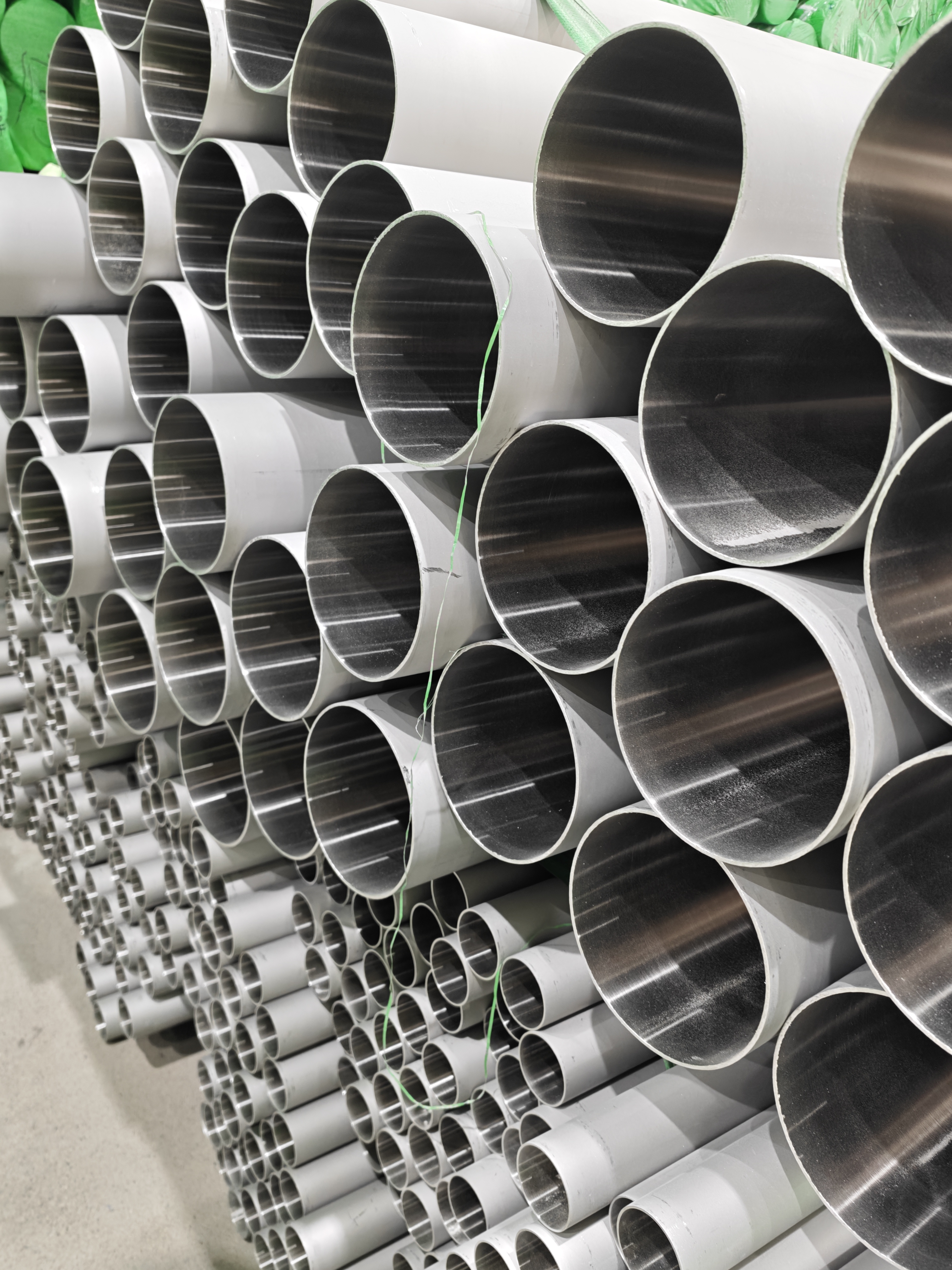
304 stainless steel is one of the most widely used stainless steel grades in the world. It is popular because it offers a balanced combination of corrosion resistance, strength, formability, weldability, surface quality, and cost efficiency.
However, 304 stainless steel is not suitable for every industrial environment. Other grades, including 304L, 316, 316L, 321, 430, 410, duplex stainless steel, and super duplex stainless steel, may provide better performance for specific applications.
Understanding which industries use 304 stainless steel compared with other grades can help manufacturers, engineers, distributors, and B2B buyers select the correct material for their products and projects.
What Is 304 Stainless Steel?
304 stainless steel is an austenitic stainless steel grade containing chromium and nickel as its main alloying elements. It is often described as an 18-8 stainless steel because its typical composition contains approximately 18% chromium and 8% nickel, although exact chemical limits depend on the applicable standard.
304 stainless steel is commonly used because it provides:
- Good general corrosion resistance
- Good formability
- Reliable weldability
- Suitable mechanical strength
- Good toughness
- Attractive surface appearance
- Easy cleaning and maintenance
- Broad product availability
- Competitive cost compared with higher-alloy grades
It is available in many product forms, including:
- Seamless pipe
- Welded pipe
- Stainless steel tube
- Sheet
- Plate
- Coil
- Bar
- Wire
- Fittings
- Flanges
- Fabricated equipment
The best grade depends on the actual environment, not simply the industry name.
1. Food and Beverage Industry
The food and beverage industry is one of the most common application areas for 304 stainless steel. Food processing equipment requires materials that are corrosion-resistant, easy to clean, and suitable for repeated contact with water, food ingredients, and cleaning solutions.
Typical applications include:
- Food processing machinery
- Commercial kitchen equipment
- Food storage tanks
- Beverage equipment
- Conveyors
- Sinks and worktables
- Mixing equipment
- Food preparation surfaces
- Piping for less aggressive products
- Bakery and dairy equipment
304 stainless steel is often selected because its smooth surface can be cleaned efficiently and maintained over long operating periods.
However, 316L may be preferred when the equipment is exposed to higher chloride levels, more aggressive cleaning chemicals, or demanding sanitary conditions.
304 vs. 316L in Food Processing
304 is often suitable for general food processing and kitchen equipment. 316L may be more appropriate for:
- Salt-containing products
- Brine systems
- Coastal food plants
- Aggressive cleaning environments
- Pharmaceutical-style sanitary systems
- Applications with increased corrosion risk
The final decision should consider the food ingredients, cleaning chemicals, temperature, and exposure time.
2. Commercial Kitchen and Catering Equipment
304 stainless steel is widely used in restaurants, hotels, catering facilities, commercial kitchens, and food service equipment.
Common products include:
- Worktables
- Food preparation counters
- Sinks
- Shelving
- Storage cabinets
- Cooking equipment
- Exhaust hoods
- Food carts
- Refrigeration components
- Kitchen splashbacks
The material is valued for its appearance, cleanability, and resistance to normal indoor moisture.
304 is often more economical than 316L for general commercial kitchen applications. If the equipment is used near seawater, high salt exposure, or highly aggressive cleaning chemicals, a more corrosion-resistant grade may be necessary.
3. Chemical Processing Industry
304 stainless steel is used in selected chemical processing applications where the process medium is not excessively aggressive.
Possible applications include:
- Storage tanks
- Transfer piping
- Process equipment
- Mixing vessels
- Industrial platforms
- Chemical handling components
- Heat exchanger parts
- General utility systems
However, chemical compatibility is critical. Some acids, chlorides, solvents, and high-temperature chemicals may attack 304 stainless steel.
304 vs. 316 and 316L
316 and 316L contain molybdenum, which generally improves resistance to pitting and crevice corrosion in many chloride-containing environments.
316L may be selected instead of 304 when the process involves:
- Chloride-containing chemicals
- Salt solutions
- Marine-related chemicals
- More aggressive cleaning agents
- Certain pharmaceutical chemicals
- Corrosive process water
For highly aggressive chemicals, neither 304 nor 316L may be sufficient. Duplex stainless steel, super duplex stainless steel, nickel alloys, or specialized materials may be required.
Material selection should be based on chemical concentration, temperature, pressure, fluid velocity, and exposure duration.
4. Pharmaceutical and Biotechnology Industry
304 stainless steel is used in pharmaceutical and biotechnology facilities for general equipment, structural components, and utility systems.
Potential applications include:
- Equipment frames
- Storage cabinets
- General process equipment
- Utility piping
- Laboratory furniture
- Cleanroom accessories
- Non-critical tanks
- Material handling equipment
316L is often preferred for product-contact surfaces and more demanding sanitary applications because it offers improved corrosion resistance and is widely used in hygienic equipment.
304 vs. 316L in Pharmaceutical Applications
304 may be suitable for:
- General facility equipment
- External machine structures
- Non-critical support components
- Certain utility applications
316L may be preferred for:
- Product-contact surfaces
- High-purity process piping
- Pharmaceutical vessels
- Sterile processing equipment
- Aggressive cleaning environments
- Systems requiring electropolishing or high surface quality
Surface finish, weld quality, passivation, cleanability, and hygienic design are important in addition to the stainless steel grade.
5. Architecture and Construction
304 stainless steel is widely used in architecture and construction because it combines appearance, corrosion resistance, fabrication flexibility, and durability.
Typical applications include:
- Handrails
- Decorative panels
- Interior wall panels
- Elevator components
- Door hardware
- Kitchen installations
- Building fixtures
- Architectural trims
- Canopies
- Interior structures
304 is often suitable for indoor and moderately corrosive outdoor environments.
For coastal buildings or areas with high salt exposure, 316 or 316L may provide better resistance to chloride-related corrosion.
304 vs. 316 in Construction
304 is commonly used for:
- Indoor architectural components
- Commercial interiors
- General building fixtures
- Low-corrosion environments
316 may be selected for:
- Coastal buildings
- Marine facilities
- Outdoor structures near seawater
- Swimming pool environments
- Salt-exposed architectural components
The correct grade also depends on surface finish, cleaning practices, atmospheric pollution, and local climate.
6. Automotive Industry
304 stainless steel is used in selected automotive components because of its corrosion resistance, formability, and ability to maintain an attractive appearance.
Possible applications include:
- Exhaust components
- Decorative trim
- Brackets
- Fasteners
- Heat shields
- Fluid system components
- Structural details
- Vehicle accessories
However, high-temperature exhaust systems may require other grades depending on the temperature and service conditions.
304 vs. 321 in High-Temperature Automotive Applications
321 stainless steel is stabilized with titanium and may be considered for certain elevated-temperature applications. It can be useful where resistance to sensitization and thermal exposure is important.
304 may be suitable for moderate-temperature components, while 321 or specialized heat-resistant grades may be preferred for:
- High-temperature exhaust parts
- Thermal equipment
- Components exposed to repeated heating
- Certain engine-related applications
The final selection should consider temperature, thermal cycling, oxidation, vibration, and fatigue.
7. Industrial Machinery Manufacturing
304 stainless steel is widely used in machinery and equipment manufacturing. It can be formed, welded, machined, polished, and fabricated into many different components.
Applications include:
- Machine covers
- Equipment frames
- Hoppers
- Tanks
- Conveyors
- Guarding
- Brackets
- Industrial cabinets
- Material handling equipment
- Processing machinery
304 is often chosen when the equipment requires general corrosion resistance and good appearance without the higher cost of more specialized alloys.
For high-wear, high-temperature, or high-strength applications, other grades may be more suitable.
304 vs. 410 Stainless Steel
410 stainless steel is a martensitic grade that can provide higher hardness and wear resistance after heat treatment. It may be considered for:
- Shafts
- Valves
- Mechanical parts
- Cutting components
- Wear-resistant parts
304 generally provides better corrosion resistance and formability, while 410 may provide better hardness and mechanical wear performance.
The choice depends on whether corrosion resistance, ductility, hardness, or wear resistance is the primary requirement.
8. Water Treatment and Utility Systems
304 stainless steel is used in certain water treatment and utility applications, especially where the water is relatively low in chlorides and the environment is not highly corrosive.
Potential applications include:
- Water tanks
- Utility piping
- Pump components
- Filtration equipment
- Treatment plant structures
- Water handling equipment
- General plant fabrication
However, water chemistry must be carefully evaluated. Chlorides, temperature, stagnant conditions, and disinfectants may increase corrosion risk.
304 vs. 316L in Water Systems
304 may be suitable for general water service with moderate corrosion exposure. 316L may be preferred for:
- Chloride-containing water
- Coastal facilities
- Certain wastewater environments
- More aggressive treatment chemicals
- Marine-related systems
For seawater, concentrated brine, or highly aggressive wastewater, duplex stainless steel, super duplex, titanium, or nonmetallic materials may be considered.
9. Marine and Coastal Applications
304 stainless steel can be used in some marine-related applications, but it is not always the best choice for direct seawater exposure.
Possible limited applications include:
- Indoor marine equipment
- Sheltered components
- Decorative fittings
- Low-exposure hardware
- General equipment away from saltwater contact
316 and 316L are generally more suitable for many marine and coastal applications because molybdenum improves resistance to certain chloride-related corrosion mechanisms.
Even 316L may experience corrosion in severe seawater conditions, particularly in crevices, stagnant areas, and poorly maintained surfaces.
For demanding marine infrastructure, buyers may need to consider:
- 316L
- Duplex stainless steel
- Super duplex stainless steel
- Titanium
- Nickel alloys
- Protective coatings
- Cathodic protection
10. Oil and Gas Industry
304 stainless steel is used in selected oil and gas equipment, particularly in less aggressive utility, structural, and general industrial applications.
Potential uses include:
- Equipment housings
- General plant structures
- Utility lines
- Storage components
- Instrumentation supports
- Non-critical fittings
- Processing equipment in suitable environments
For more demanding oil and gas service, 316L, duplex, super duplex, alloy steel, or carbon steel may be selected depending on the pressure, temperature, and fluid composition.
Important factors include:
- Chloride exposure
- Hydrogen sulfide
- Carbon dioxide
- Pressure
- Temperature
- Erosion
- Stress corrosion cracking
- Required toughness
- Applicable industry standards
304 should not be selected for sour service or high-pressure applications without a complete engineering assessment.
304 Stainless Steel Compared with Other Common Grades
| Stainless Steel Grade | Main Characteristics | Typical Applications |
|---|---|---|
| 304 | General corrosion resistance, formability, weldability, cost efficiency | Food equipment, architecture, machinery, kitchen equipment |
| 304L | Low carbon, suitable for many welded structures | Welded tanks, piping, food equipment, fabrication |
| 316 | Improved chloride resistance due to molybdenum | Chemical processing, marine equipment, water systems |
| 316L | Low carbon with improved corrosion resistance | Pharmaceutical equipment, sanitary piping, chemical processing |
| 321 | Titanium-stabilized for selected high-temperature service | Heat exchangers, exhaust systems, thermal equipment |
| 347 | Niobium-stabilized for selected high-temperature applications | High-temperature equipment and welded components |
| 430 | Ferritic stainless steel, lower nickel content, good appearance | Appliances, decorative panels, indoor equipment |
| 410 | Martensitic grade with higher hardness potential | Shafts, valves, mechanical and wear-resistant parts |
| Duplex Stainless Steel | High strength and improved resistance to certain corrosion mechanisms | Offshore, chemical, desalination, demanding industrial systems |
| Super Duplex | Very high strength and strong corrosion resistance for severe environments | Marine, offshore, seawater, oil and gas |
Why Do Industries Choose 304 Stainless Steel?
304 stainless steel remains popular because it provides a practical balance of performance and cost.
Good General Corrosion Resistance
304 performs well in many atmospheric, food, commercial, and industrial environments.
Excellent Formability
It can be bent, stamped, deep drawn, rolled, and fabricated into complex shapes.
Reliable Weldability
304 and 304L are widely used in welded equipment and structures when suitable welding procedures are followed.
Broad Product Availability
304 is available from many manufacturers in different dimensions, finishes, and product forms.
Attractive Surface Finish
The material can be polished, brushed, satin-finished, or processed for decorative applications.
Easy Maintenance
Properly finished 304 stainless steel is relatively easy to clean and maintain.
Competitive Total Cost
304 may provide sufficient performance without the higher alloy cost associated with 316L, duplex stainless steel, or nickel alloys.
What Should B2B Buyers Consider?
When purchasing 304 stainless steel products, buyers should confirm the following details.
Exact Material Grade
Specify whether the requirement is 304, 304L, 316, 316L, 321, or another grade.
Product Form
Clarify whether the product is:
- Seamless pipe
- Welded pipe
- Tube
- Sheet
- Plate
- Coil
- Bar
- Fitting
- Flange
- Custom-fabricated equipment
Applicable Standard
Common standards may include ASTM, ASME, EN, JIS, or other recognized specifications.
Operating Environment
Provide information about:
- Temperature
- Pressure
- Chemical exposure
- Chloride concentration
- Moisture
- Cleaning chemicals
- Outdoor or indoor use
- Expected service life
Surface Finish
Specify whether the product requires:
- Mill finish
- Brushed finish
- Polished finish
- Mirror finish
- Pickled surface
- Passivation
- Electropolishing
Testing and Documentation
Depending on the application, buyers may require:
- Chemical composition
- Mechanical properties
- Heat-treatment records
- Hydrostatic testing
- Nondestructive testing
- Dimensional inspection
- Surface inspection
- Material certificates
- Heat number traceability
- Third-party inspection
Conclusion
304 stainless steel is used across many industries because it offers a balanced combination of corrosion resistance, formability, weldability, strength, surface quality, and cost efficiency. It is commonly found in food and beverage equipment, commercial kitchens, architecture, machinery, automotive components, water systems, and general industrial products.
Compared with other stainless steel grades, 304 is often the practical choice for moderate corrosion environments and general fabrication. 316 and 316L may be better for chloride exposure and more demanding chemical or sanitary applications. 321 and 347 may be considered for selected high-temperature services, while 410, duplex, and super duplex grades provide different advantages for hardness, strength, or severe corrosion resistance.
For B2B buyers, the correct material should be selected according to the actual application rather than the industry name alone. A qualified stainless steel supplier should be able to provide the required grade, dimensions, surface finish, testing, traceability, and customized manufacturing support.
Table of Contents
- What Is 304 Stainless Steel?
- 1. Food and Beverage Industry
- 2. Commercial Kitchen and Catering Equipment
- 3. Chemical Processing Industry
- 4. Pharmaceutical and Biotechnology Industry
- 5. Architecture and Construction
- 6. Automotive Industry
- 7. Industrial Machinery Manufacturing
- 8. Water Treatment and Utility Systems
- 9. Marine and Coastal Applications
- 10. Oil and Gas Industry
- 304 Stainless Steel Compared with Other Common Grades
- Why Do Industries Choose 304 Stainless Steel?
- What Should B2B Buyers Consider?
- Conclusion