 EN
EN

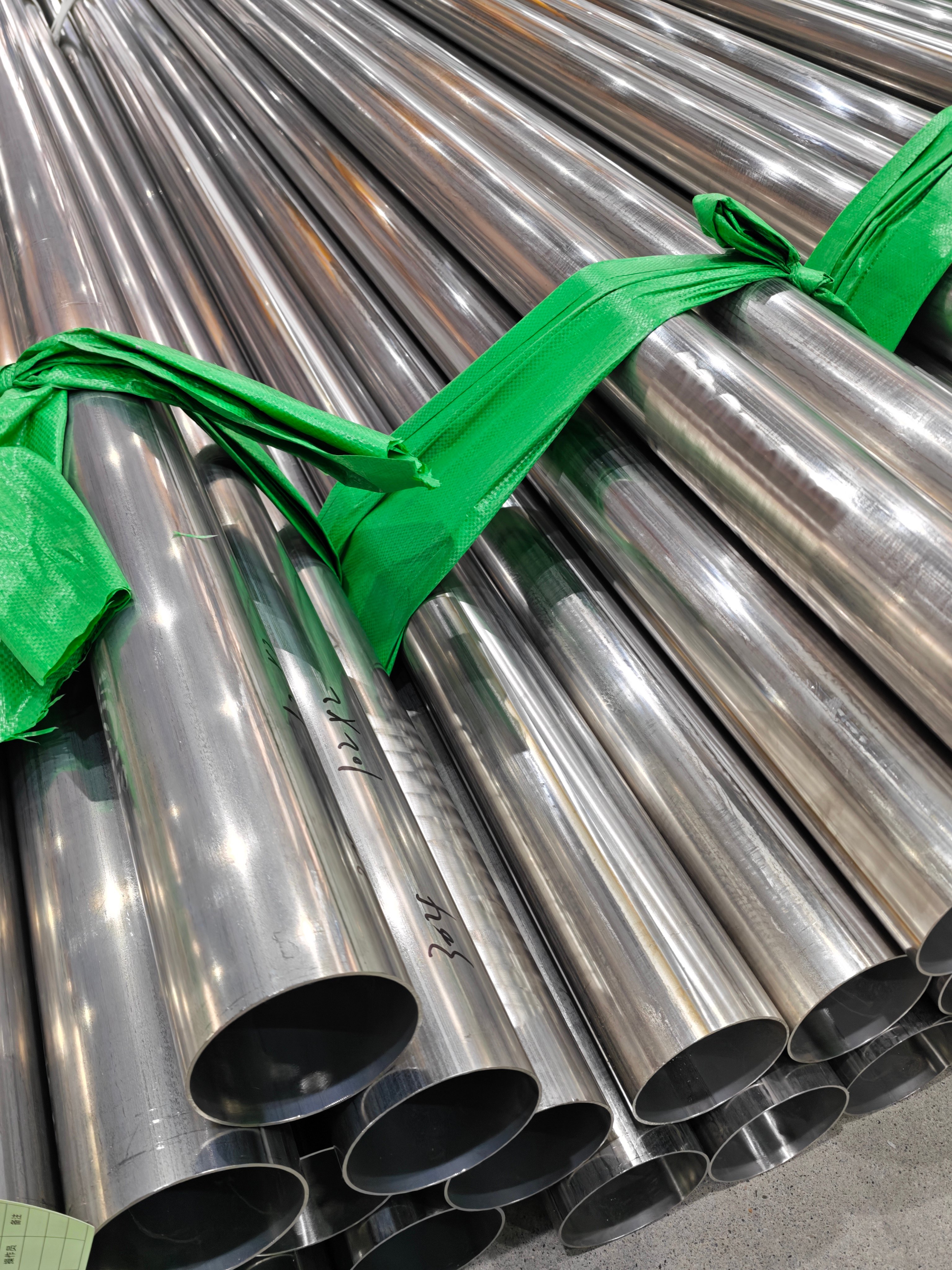
The choice between 304 stainless steel vs stainless steel fundamentally shapes how industrial equipment performs across decades of service. While all 304 stainless steel vs stainless steel comparisons begin with the assumption that both are 'stainless,' the reality is far more nuanced. Understanding 304 stainless steel vs stainless steel distinctions is critical for engineers, procurement teams, and manufacturers who must select materials that withstand corrosion, temperature extremes, and mechanical stress. This article explores the material science behind 304 stainless steel vs stainless steel, their real-world performance differences, and how these differences drive application suitability across industries.
The distinction of 304 stainless steel vs stainless steel matters because 'stainless steel' is actually a family of alloys, each engineered for specific environmental and operational demands. Not all stainless steel grades offer identical corrosion resistance, tensile strength, or cost efficiency. When you evaluate 304 stainless steel vs stainless steel in practical terms, you are comparing one of the most widely used austenitic stainless steel grades against broader families of materials that include ferritic, martensitic, duplex, and precipitation-hardening variants. This distinction becomes critical in chemical processing plants, pharmaceutical manufacturing, marine environments, and food production where material failure can compromise product integrity or create safety risks.
Composition and Material Properties
Understanding 304 Stainless Steel Composition
The 304 stainless steel vs stainless steel comparison starts with metallurgical composition. 304 stainless steel contains approximately 18 percent chromium and 8 percent nickel, which creates an austenitic crystal structure that remains non-magnetic at room temperature. This specific 304 stainless steel vs stainless steel formulation delivers superior corrosion resistance in oxidizing environments because the chromium forms a protective passive oxide layer on the surface. The nickel content in 304 stainless steel vs stainless steel enhances ductility and formability, making this grade ideal for applications requiring both strength and workability. The balance of chromium and nickel in 304 stainless steel vs stainless steel also improves resistance to chloride stress corrosion cracking, a failure mode that affects many other stainless steel grades in marine and chemical applications.
General Stainless Steel Grade Variations
When contrasting 304 stainless steel vs stainless steel broadly, you encounter grades with dramatically different compositions. Ferritic stainless steels, such as 430 grade, contain only 16 to 18 percent chromium and minimal nickel, resulting in a magnetic microstructure with lower ductility but superior resistance to stress corrosion cracking. Martensitic stainless steels like 410 grade offer higher hardness and strength but reduced corrosion resistance and weldability. The 304 stainless steel vs stainless steel comparison reveals that austenitic grades like 304 rank highest for overall corrosion resistance, formability, and weldability, which explains their prevalence in food processing, chemical handling, and pharmaceutical applications. Duplex and super-duplex stainless steels combine ferritic and austenitic phases, offering higher yield strength than 304 but at increased material cost and reduced formability.
Corrosion Resistance and Environmental Performance
304 Stainless Steel Corrosion Behavior
The 304 stainless steel vs stainless steel analysis reveals significant differences in corrosion performance across different environments. 304 stainless steel vs stainless steel ferric grades demonstrates that 304 performs exceptionally well in most industrial water systems, dilute organic acids, and mild chemical exposure. The chromium content creates a self-healing oxide film that protects against general corrosion and pitting in neutral pH environments. However, 304 stainless steel vs stainless steel comparisons in chloride-rich settings reveal a critical limitation: 304 grade remains vulnerable to localized pitting corrosion when chloride ion concentration exceeds critical thresholds, particularly in hot seawater or de-icing salt spray conditions. The nickel content, while beneficial for formability, does not sufficiently improve chloride resistance in harsh marine exposures, making 304 stainless steel vs stainless steel selection challenging for coastal applications.
Performance of Alternative Stainless Steel Grades
When evaluating 304 stainless steel vs stainless steel alternatives in aggressive environments, higher-alloy grades demonstrate superior performance. 316 stainless steel, which contains 2 to 3 percent molybdenum, significantly improves pitting and crevice corrosion resistance compared to 304 stainless steel vs stainless steel standard grades. Super-austenitic grades like 6Mo and duplex stainless steels show even greater chloride resistance, making them preferred choices for subsea pipelines and splash-zone marine structures. The 304 stainless steel vs stainless steel comparison in freshwater environments favors 304 grade due to lower material cost and adequate corrosion protection for non-aggressive applications. Ferritic stainless steels like 430 offer acceptable corrosion resistance in outdoor atmospheric exposures at lower cost than 304, but their limited weldability and reduced ductility restrict their use in complex fabrications.
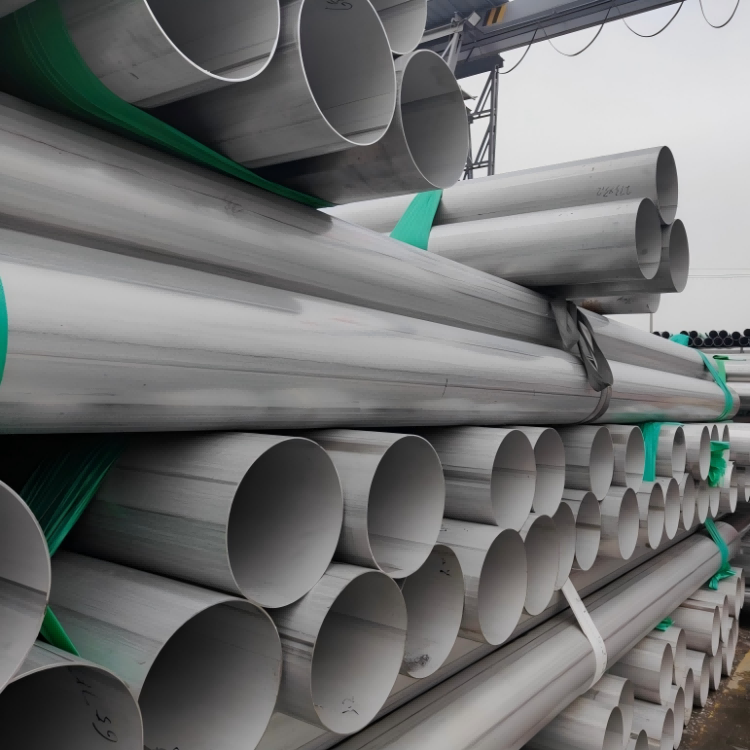
Mechanical Properties and Application Fit
Strength and Formability Characteristics
The 304 stainless steel vs stainless steel mechanical comparison shows that 304 delivers moderate tensile strength in the range of 515 to 620 MPa in the annealed condition. This tensile strength rating sits above ferritic stainless steels but below martensitic and duplex grades. The 304 stainless steel vs stainless steel advantage emerges in ductility and formability: 304 maintains elongation values above 40 percent, allowing complex deep drawing, bending, and expansion operations that would crack more brittle ferritic or martensitic alternatives. The work-hardening behavior of 304 stainless steel vs stainless steel austenitic structure makes this grade ideal for seamless tubing production, where material must survive multiple forming passes without fracture. Heat treatment response differs fundamentally when comparing 304 stainless steel vs stainless steel martensitic grades: 304 cannot be hardened through conventional quenching and tempering, but it can be strengthened through cold work and precipitation hardening modifications like 304L or 304H variants.
Thermal and Weldability Performance
When assessing 304 stainless steel vs stainless steel in high-temperature service, 304 maintains superior strength retention up to approximately 400 degrees Celsius, above which strength begins declining more rapidly than higher-nickel austenitic grades. The 304 stainless steel vs stainless steel weldability advantage is significant: 304 welds without post-weld heat treatment requirements in most applications, whereas martensitic stainless steels require careful preheat and tempering to prevent brittle cracking. The 304 stainless steel vs stainless steel susceptibility to carbide precipitation during welding exists but remains manageable through standard welding practices or selection of stabilized variants like 304L. Ferritic stainless steels present greater weldability challenges due to grain coarsening and embrittlement in the heat-affected zone, making 304 stainless steel vs stainless steel selection preferable for welded assemblies requiring reliability and ease of fabrication.
Industrial Application Scenarios
Food and Pharmaceutical Processing
The 304 stainless steel vs stainless steel selection criteria in food production emphasize passive corrosion resistance and cleanability. Food processing equipment must resist organic acid attack from fruits, vegetables, and fermentation processes while remaining non-toxic and easily sanitized. 304 stainless steel vs stainless steel advantages here include excellent formability for creating seamless tubing, excellent weldability for fabricating complex piping networks, and predictable corrosion resistance in dilute acid environments. Pharmaceutical applications similarly demand the 304 stainless steel vs stainless steel combination of corrosion resistance and fabrication ease: reactors, heat exchangers, and fluid lines must maintain product purity while withstanding repeated cleaning cycles with hot water and mild cleaning agents. The cost efficiency of 304 stainless steel vs stainless steel premium alternatives makes this grade the industry standard for non-aggressive pharmaceutical applications.
Chemical Processing and Oil Refining
Chemical plants present more complex 304 stainless steel vs stainless steel decision scenarios because chemical composition, temperature, and concentration vary significantly between processes. Dilute sulfuric acid service at temperatures below 50 degrees Celsius favors 304 stainless steel vs stainless steel selection due to excellent corrosion resistance and fabricability. However, 304 stainless steel vs stainless steel performance degrades rapidly in hot concentrated sulfuric acid, where only specialized grades like 316L or higher-alloy austenitic materials survive. Oil refining applications involving chloride-bearing crude fractions often require upgrade from 304 stainless steel vs stainless steel to 316 or super-austenitic grades to mitigate pitting risk. The 304 stainless steel vs stainless steel cost advantage becomes less relevant when material failure would halt production or contaminate product, making higher-alloy selections economically justified despite premium pricing.
Marine and Architectural Exposure
Marine applications create the most stringent 304 stainless steel vs stainless steel decision framework. Atmospheric zones away from salt spray may perform adequately with 304 stainless steel vs stainless steel specification, but splash zones and submerged environments demand superior pitting resistance. Coastal architectural applications frequently upgrade from 304 stainless steel vs stainless steel to 316 or 6Mo grades because visible pitting and staining damage brand reputation even when structural integrity remains intact. The 304 stainless steel vs stainless steel comparison in sheltered freshwater environments like lakes and rivers shows acceptable long-term performance, whereas 304 stainless steel vs stainless steel performance near ocean terminals or de-icing salt storage areas becomes unreliable. Duplex stainless steels offer the best cost-benefit for demanding marine service, although they sacrifice some of the formability advantages inherent to 304 stainless steel vs stainless steel austenitic grades.
FAQ
Why does 304 stainless steel cost less than 316 stainless steel?
304 stainless steel contains less molybdenum and lower nickel content compared to 316 grade, which reduces raw material expense and alloying costs. Because 304 stainless steel vs stainless steel 316 variant requires more expensive nickel and additional molybdenum for superior chloride resistance, 316 commands a market premium of 15 to 30 percent depending on market conditions and supplier. The 304 stainless steel vs stainless steel cost difference justifies material downgrade only when application environment definitively does not require the enhanced pitting resistance of 316 grade.
Can 304 stainless steel be used in seawater applications?
304 stainless steel demonstrates inadequate pitting resistance in direct seawater exposure, particularly in splash zones where salt concentration increases through evaporation cycles. While 304 stainless steel vs stainless steel performance in sheltered brackish water may prove acceptable for temporary service, permanent seawater immersion and active marine splash zones require upgrade to 316, super-duplex, or higher-alloy austenitic grades. The 304 stainless steel vs stainless steel pitting initiation threshold exists below seawater chloride levels, meaning material failure is not a question of 'if' but 'when' under sustained marine exposure.
Which stainless steel grade offers the best formability for seamless pipe manufacturing?
304 stainless steel delivers superior formability for seamless pipe production due to its high elongation, excellent work-hardening behavior, and ability to survive multiple forming operations without fracture or annealing interruption. Ferritic stainless steels lack the ductility required for deep drawing and expansion steps, while martensitic grades become brittle during cold work. The 304 stainless steel vs stainless steel austenitic structure allows continuous forming with minimal intermediate annealing, reducing manufacturing cycle time and cost compared to lower-ductility alternative grades.