 EN
EN

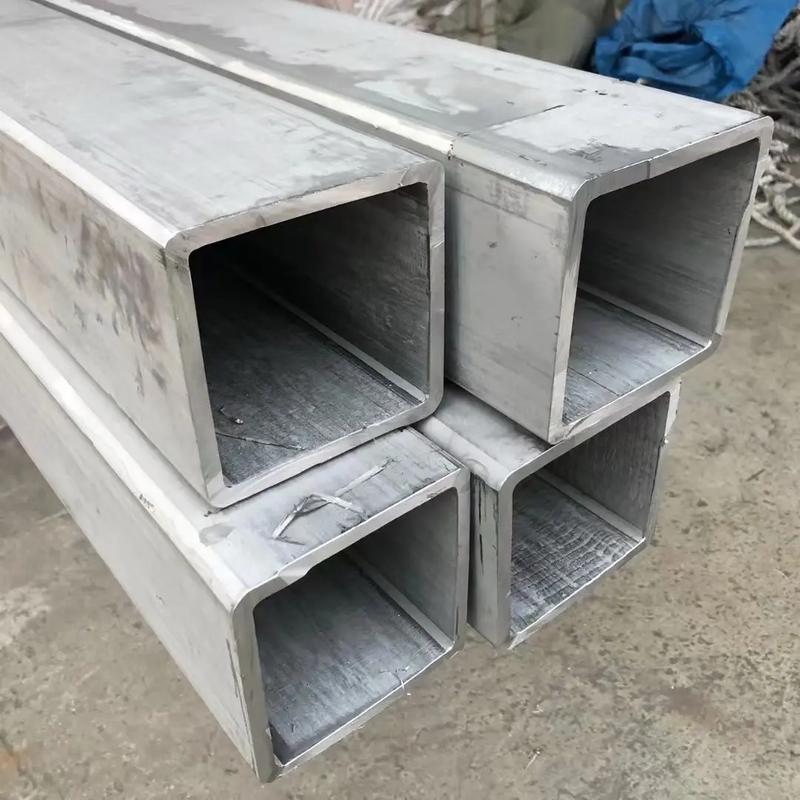
Industrial packaging plays a critical role in protecting products during storage, transportation, and distribution. For manufacturers, exporters, logistics providers, and industrial suppliers, packaging must do more than contain a product. It should improve handling efficiency, reduce shipping risks, optimize warehouse space, and support consistent packaging operations.
Square shipping tubes have become an increasingly practical option for many industrial packaging applications. Compared with traditional round tubes, square tubes provide a more stable shape, improved stacking performance, and better space utilization. These advantages make them suitable for shipping documents, technical drawings, posters, long components, rolled materials, and other products that require rigid protection.
This article explains why square shipping tubes are preferred for industrial packaging and what buyers should consider when selecting them for bulk procurement.
What Are Square Shipping Tubes?
Square shipping tubes are rigid packaging containers with a square or rectangular cross-section. They are commonly manufactured from durable paperboard, kraft board, corrugated fiberboard, or other protective materials.
Unlike round mailing tubes, square shipping tubes have flat sides and defined edges. Their structure allows them to remain stable when placed on shelves, pallets, trucks, and warehouse floors.
Depending on the application, square shipping tubes may include:
- Square paper mailing tubes
- Rectangular shipping tubes
- Heavy-duty industrial paper tubes
- Corrugated square packaging tubes
- Custom printed shipping tubes
- Telescopic square tubes
- Tubes with end caps or locking closures
- Custom-sized tubes for long products
The size, wall thickness, material, closure style, and surface finish can be customized according to product requirements and transportation conditions.
1. Better Space Utilization During Shipping
One of the main reasons industrial buyers choose square shipping tubes is their efficient use of space.
Round tubes create empty areas when packed together. These gaps reduce the number of packages that can fit inside a carton, pallet, truck, or storage rack. Square shipping tubes can be placed directly next to one another, allowing more efficient use of available space.
This can provide several operational benefits:
- More packages per shipping carton
- Improved pallet utilization
- Less unused space in delivery vehicles
- Easier warehouse organization
- Reduced need for additional void filling
- More consistent carton packing
For businesses shipping large quantities of long or rolled products, even a small improvement in packaging efficiency can affect total logistics costs.
Square shipping tubes are especially useful when packaging dimensions need to remain consistent across large production batches. Standardized dimensions make it easier for warehouse teams to plan storage and for logistics departments to calculate shipment volume.
2. Improved Stacking Stability
Round tubes can roll or shift when stacked. This creates handling difficulties and may increase the risk of package movement during transportation.
Square shipping tubes have flat surfaces that allow them to remain in place more easily. Their shape supports more stable stacking in:
- Warehouses
- Distribution centers
- Shipping cartons
- Pallet loads
- Delivery vehicles
- Retail backrooms
- Industrial storage areas
Better stacking stability helps reduce package movement and makes loading and unloading more predictable.
For industrial packaging operations, stability is particularly important when products are shipped over long distances or handled multiple times. A package that remains in a fixed position is less likely to roll off a pallet or become displaced during transportation.
3. Strong Protection for Long and Narrow Products
Many industrial products are long, narrow, flat, or rolled. These products may be difficult to package using standard rectangular cartons or flexible bags.
Square shipping tubes provide a rigid protective structure around the product. They can help protect against:
- Bending
- Crushing
- Scratching
- Surface contamination
- Moisture exposure
- Friction during handling
- Damage caused by pressure from nearby packages
Typical applications include:
- Technical drawings
- Architectural plans
- Engineering documents
- Posters and banners
- Maps
- Textile rolls
- Film materials
- Labels
- Long components
- Samples
- Industrial parts
- Construction documents
The rigid tube wall helps maintain the shape of the package and creates a protective barrier between the product and external handling conditions.
For sensitive products, buyers may also specify inner wrapping, protective liners, foam inserts, end caps, or additional corrugated layers.
4. Reduced Rolling During Transportation
Rolling is a common problem with round packaging tubes. When a round tube moves inside a truck or carton, it may collide with other packages or shift away from its original position.
Square shipping tubes reduce this problem because their flat sides resist rolling. This is useful during:
- Truck transportation
- Container shipping
- Conveyor handling
- Warehouse transfers
- Pallet movement
- Manual loading and unloading
Reduced movement can help protect both the package and the product inside. It may also reduce the amount of additional packaging material needed to hold the tube in place.
For high-volume industrial shipments, minimizing movement can improve handling efficiency and reduce the risk of repeated package adjustment.
5. More Efficient Warehouse Storage
Warehouse space is expensive, especially for manufacturers and distributors managing large inventories. Packaging that uses space efficiently can help improve storage capacity.
Square shipping tubes can be placed on shelves or stacked in organized rows without the rolling issues associated with round tubes. Their shape is suitable for:
- Vertical shelf storage
- Horizontal stacking
- Palletized inventory
- Bulk packaging areas
- Order fulfillment stations
- Document storage systems
Square tubes can also be labeled on their flat surfaces. Product information, SKU codes, barcodes, handling instructions, and customer details can be printed or applied more easily.
This makes inventory identification faster and supports more organized warehouse operations.
6. Easier Labeling and Branding
The flat sides of square shipping tubes provide more practical surfaces for printing and labeling.
Compared with round tubes, square tubes offer a more stable printing area for:
- Company logos
- Product names
- Barcodes
- Batch numbers
- Shipping instructions
- Handling symbols
- Product specifications
- Customer branding
- Recycling information
For B2B packaging buyers, this is valuable because industrial packaging often needs to support product identification and traceability.
Custom printing can also improve brand consistency. Manufacturers, distributors, and exporters can use the outer surface to communicate product information while maintaining a professional appearance.
Depending on the packaging material and printing process, buyers may request:
- Flexographic printing
- Digital printing
- Offset printing
- One-color logo printing
- Multi-color artwork
- Custom patterns
- Matte or glossy finishes
- Kraft paper appearance
When ordering customized packaging, buyers should confirm the printable area, color requirements, artwork format, and proofing process before production.
7. Lower Risk of Packaging Damage
Packaging damage can lead to product returns, customer complaints, repacking costs, and delivery delays. Square shipping tubes can help reduce certain common packaging problems.
Their rigid structure and stable shape may help prevent:
- Tube deformation
- Rolling-related impact
- Cornerless surface damage
- Unstable pallet loads
- Excessive movement inside cartons
- Crushing caused by improper stacking
However, packaging performance depends on the complete design. A square tube with insufficient wall thickness may not provide enough protection for heavy products. Similarly, unsuitable end closures can reduce overall package strength.
Industrial buyers should evaluate the full packaging system, including:
- Tube material
- Wall thickness
- Internal diameter
- Tube length
- End-cap design
- Product weight
- Stacking conditions
- Transportation distance
- Humidity exposure
- Handling methods
A properly designed square shipping tube can provide a more reliable balance between protection and packaging efficiency.
8. Custom Dimensions for Different Industrial Products
Industrial products are rarely identical in size. A standard tube may not fit every product, especially when products are long, oversized, delicate, or unusually shaped.
Square shipping tubes can be customized according to specific product dimensions. Common customization options include:
- Tube length
- Width
- Height
- Wall thickness
- Material grade
- Internal lining
- Closure type
- Printing design
- Color
- Surface treatment
- Reinforcement structure
Custom dimensions help reduce unnecessary empty space inside the package. A better fit can reduce product movement and limit the need for additional protective materials.
For OEM and industrial packaging projects, buyers should provide accurate product dimensions and specify whether the measurements refer to the internal or external size of the tube.
It is also important to consider clearance. The product should fit securely without being compressed or difficult to remove.
9. Suitable for Multiple Industrial Applications
Square shipping tubes are not limited to document packaging. Their rigid and space-efficient structure makes them useful across multiple industries.
Printing and Publishing
Printing companies can use square tubes for:
- Posters
- Calendars
- Advertising materials
- Technical drawings
- Maps
- Printed banners
- Large-format documents
The tube helps protect printed surfaces from folding, creasing, and contamination.
Construction and Engineering
Construction companies and engineering firms may use square tubes to ship:
- Architectural drawings
- Blueprints
- Project documents
- Survey maps
- Technical plans
- Long samples
The rigid package helps keep documents organized and protected during project delivery.
Textile and Flexible Materials
Square tubes may also be suitable for rolled textile materials, films, labels, and other flexible products. Depending on the material, the tube can help prevent excessive bending or compression during shipment.
Industrial Manufacturing
Manufacturers may use customized square tubes for:
- Long components
- Product samples
- Small tools
- Industrial accessories
- Cable-related materials
- Precision parts
- Replacement components
The exact design should be selected according to product weight, shape, fragility, and required protection level.
Marketing and Display Products
Advertising suppliers and display manufacturers can use square shipping tubes for:
- Exhibition graphics
- Banner systems
- Display materials
- Promotional posters
- Retail signage
- Event decorations
Custom printing can support both product protection and brand presentation.
10. Better Compatibility with Automated Packaging Operations
Large industrial packaging operations often rely on standardized handling procedures. Packaging with consistent dimensions can be easier to process through sorting, storage, and shipment preparation systems.
Square shipping tubes may support:
- More predictable carton packing
- Easier barcode scanning
- Stable conveyor movement
- Consistent pallet arrangement
- Faster manual handling
- Standardized warehouse procedures
The actual suitability for automation depends on the equipment and packaging dimensions. Buyers should confirm whether the tube size, surface finish, closure type, and weight are compatible with their existing systems.
For large-volume procurement, it may be useful to conduct a packaging trial before placing a full production order.
11. Flexible Closure and Opening Options
Square shipping tubes can be supplied with different closure solutions depending on the product and handling requirements.
Possible options include:
- Plastic end caps
- Paper end caps
- Push-in closures
- Locking tabs
- Adhesive closures
- Self-locking ends
- Removable lids
- Telescopic structures
A permanent closure may be suitable for one-way shipping, while a removable or reusable closure may be better for products that require repeated access.
The closure should provide a secure fit without damaging the product during insertion or removal. For long-distance transportation, buyers should also consider whether the closure can withstand vibration, pressure, and repeated handling.
12. Potentially Lower Packaging and Logistics Costs
Square shipping tubes may contribute to cost control through better space utilization, improved stacking, and reduced need for additional stabilization materials.
Potential savings may come from:
- More efficient carton packing
- Higher pallet capacity
- Reduced void filling
- Lower movement during transportation
- Faster warehouse handling
- Better product protection
- Less repacking caused by package damage
The final cost depends on material selection, tube dimensions, order quantity, printing requirements, closure type, and shipping destination.
A low unit price does not always mean lower total packaging cost. Buyers should evaluate the complete cost of ownership, including:
- Product damage
- Storage space
- Labor
- Shipping volume
- Packaging assembly
- Returns
- Replacement costs
For industrial procurement, a slightly stronger or better-designed tube may provide better long-term value than a cheaper package with poor protection.
What Should Industrial Buyers Consider Before Ordering?
Before selecting square shipping tubes, procurement teams should review the following factors.
Product Dimensions
Confirm the length, width, height, and shape of the product. Include any protective wrapping or inserts in the size calculation.
Product Weight
Heavy products may require thicker walls, stronger paperboard, reinforced ends, or additional internal support.
Transportation Conditions
Consider whether the package will be shipped by courier, truck, rail, air freight, or sea freight. Long-distance transportation may require stronger construction and better moisture protection.
Stacking Requirements
If packages will be stacked on pallets or in cartons, confirm the expected stacking height and compression conditions.
Material Selection
Choose the material according to the required strength, appearance, sustainability goals, and budget. Kraft paperboard and corrugated materials may be suitable for different applications.
Printing and Labeling
Confirm logo placement, artwork requirements, barcode readability, color expectations, and printing durability.
Closure Design
Select an end-cap or closure system that matches the product’s weight, access requirements, and transportation conditions.
Order Quantity
Ask the supplier about bulk pricing, sample availability, production lead time, packaging methods, and delivery arrangements.
Quality Control
For industrial packaging, buyers should request information about material consistency, dimensional accuracy, closure fit, printing quality, and packaging inspection procedures.
Why Choose a Professional Square Shipping Tube Supplier?
A professional packaging supplier can help industrial buyers develop a packaging solution that balances protection, cost, appearance, and logistics efficiency.
An experienced supplier should be able to support:
- Custom tube dimensions
- Material recommendations
- Structural design
- Printing customization
- Closure selection
- Prototype or sample production
- Bulk manufacturing
- Quality inspection
- Export packaging
- Delivery coordination
For OEM and private-label packaging projects, buyers should also confirm whether the supplier can provide custom artwork, branded packaging, product-specific packaging solutions, and consistent quality across repeat orders.
Clear communication is important throughout the process. Product drawings, size specifications, artwork files, packaging requirements, and inspection standards should be confirmed before mass production.
Conclusion
Square shipping tubes are preferred for many industrial packaging applications because they combine rigid product protection with practical logistics advantages. Their flat sides improve stacking stability, reduce rolling, and make better use of warehouse and transportation space. They also provide convenient surfaces for labeling, branding, and product identification.
For manufacturers, exporters, distributors, and industrial buyers, square shipping tubes can be a useful solution for packaging long, narrow, rolled, or sensitive products. Their effectiveness depends on selecting the correct material, dimensions, wall thickness, closure system, and protective structure.
When evaluating suppliers, buyers should focus not only on unit price but also on packaging performance, customization capability, quality consistency, production capacity, and total logistics value. With the right design, square shipping tubes can help improve industrial packaging efficiency while reducing handling risks and supporting reliable product delivery.
Table of Contents
- What Are Square Shipping Tubes?
- 1. Better Space Utilization During Shipping
- 2. Improved Stacking Stability
- 3. Strong Protection for Long and Narrow Products
- 4. Reduced Rolling During Transportation
- 5. More Efficient Warehouse Storage
- 6. Easier Labeling and Branding
- 7. Lower Risk of Packaging Damage
- 8. Custom Dimensions for Different Industrial Products
- 9. Suitable for Multiple Industrial Applications
- 10. Better Compatibility with Automated Packaging Operations
- 11. Flexible Closure and Opening Options
- 12. Potentially Lower Packaging and Logistics Costs
- What Should Industrial Buyers Consider Before Ordering?
- Why Choose a Professional Square Shipping Tube Supplier?
- Conclusion