 EN
EN

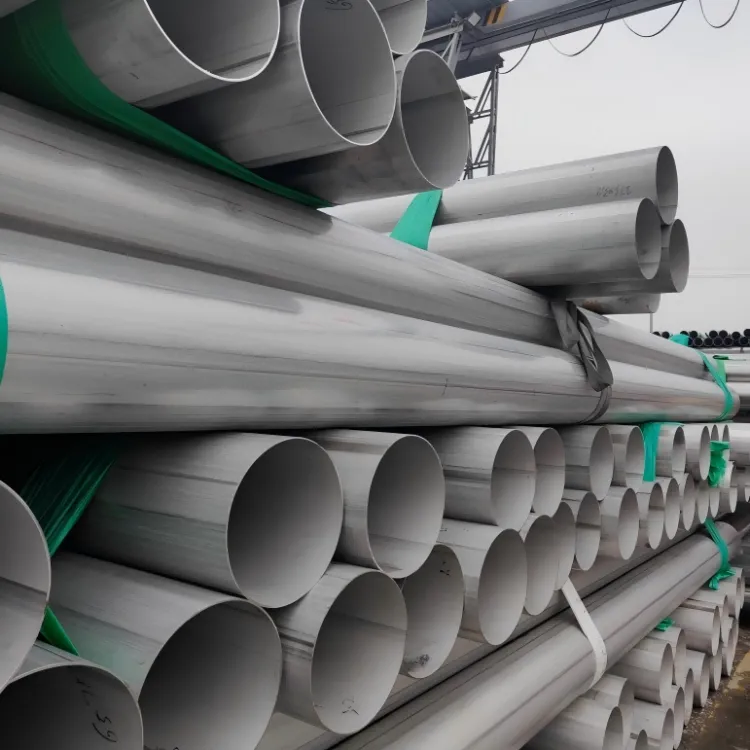
When industrial buyers evaluate piping materials, one critical decision emerges repeatedly: choosing between 304 stainless steel vs stainless steel. This comparison matters because not all stainless steel grades deliver the same performance, cost profile, or suitability for specific environments. Understanding the distinction between 304 stainless steel vs stainless steel helps procurement teams avoid costly specification errors and select materials that align with operational demands and budget constraints. The confusion often stems from the fact that 304 stainless steel vs stainless steel represents a broader category choice rather than two completely separate material families.
The relationship between 304 stainless steel vs stainless steel is hierarchical rather than competitive. Stainless steel functions as a broad umbrella category encompassing many grades, while 304 stainless steel vs stainless steel discussions typically center on 304 as one of the most common industrial-grade options. When buyers compare 304 stainless steel vs stainless steel, they are often evaluating whether 304 meets their requirements or whether alternative grades within the stainless steel family offer better value or performance. This article explains the technical, economic, and practical distinctions that drive these comparisons.
Understanding Stainless Steel Grades and 304 Classification
What Makes Stainless Steel a Distinct Material Category
Stainless steel defines a family of iron-based alloys engineered to resist corrosion through elevated chromium content, typically exceeding 10.5 percent by weight. This chromium addition creates a passive oxide film on the material surface, preventing rust and oxidation under most atmospheric and aqueous conditions. The term 'stainless steel' encompasses over 100 different grades, each formulated to excel in specific industrial contexts. When engineers and buyers reference stainless steel without specifying a grade, they often default to common industrial standards, but this generalization masks significant performance and cost variations across the family.
304 Stainless Steel vs Stainless Steel Grade Composition
304 stainless steel vs stainless steel distinctions become clear when examining alloy composition. The 304 grade contains approximately 18 percent chromium and 8 percent nickel, making it part of the austenitic stainless steel family. This specific composition delivers superior corrosion resistance compared to lower-alloy stainless steel variants like ferritic grades, which contain chromium but minimal nickel. When buyers evaluate 304 stainless steel vs stainless steel options, they are often comparing this higher-nickel austenitic composition against lower-cost alternatives such as 430 or 409 grades. The nickel content in 304 stainless steel vs stainless steel grades fundamentally alters mechanical properties, weldability, and long-term durability in challenging environments.
Performance and Durability Advantages of 304 Stainless Steel vs Stainless Steel
Corrosion Resistance in Industrial Environments
304 stainless steel vs stainless steel performance divergence becomes pronounced in corrosive environments. The 304 grade demonstrates exceptional resistance to acidic, neutral, and mildly alkaline solutions, making it the preferred choice for chemical processing, food production, and marine applications. When comparing 304 stainless steel vs stainless steel in saltwater exposure or high-chloride industrial settings, 304 provides significantly longer service life before pitting or crevice corrosion initiates. Lower-grade stainless steel alternatives may exhibit surface degradation within months under identical conditions where 304 stainless steel vs stainless steel materials would remain unaffected. This durability advantage directly impacts maintenance cycles, replacement frequency, and total cost of ownership across multi-year operational horizons.
Mechanical Strength and Temperature Tolerance
304 stainless steel vs stainless steel exhibits superior tensile strength and impact resistance, especially at elevated temperatures. The austenitic structure of 304 stainless steel vs stainless steel maintains ductility even when heated to 800 degrees Celsius, enabling continued operation in thermal cycling scenarios where ferritic grades would embrittle. When industrial applications involve repeated thermal shock or sustained high-temperature exposure, the comparison between 304 stainless steel vs stainless steel becomes economically critical. Lower-grade stainless steel alternatives degrade more rapidly under thermal stress, necessitating accelerated replacement schedules. The mechanical consistency of 304 stainless steel vs stainless steel grade materials justifies premium pricing for demanding applications requiring decades of reliable performance.
Cost Considerations and Application Suitability in 304 Stainless Steel vs Stainless Steel Decisions
Price Differential and Budget Trade-offs
When buyers evaluate 304 stainless steel vs stainless steel specifications, material cost represents a significant consideration. The 304 grade commands higher per-unit pricing due to elevated nickel content and more complex alloy chemistry. However, the decision framework should account for lifecycle economics rather than initial material expense alone. A procurement team comparing 304 stainless steel vs stainless steel must balance the premium cost of 304 against extended service intervals, reduced maintenance labor, fewer emergency replacements, and uninterrupted production continuity. Industries such as pharmaceuticals, food processing, and semiconductor manufacturing typically favor 304 stainless steel vs stainless steel alternatives because production downtime costs vastly exceed material price differentials. For applications with shorter operational lifespans or lower environmental severity, lower-cost stainless steel grades may deliver acceptable value despite reduced durability.
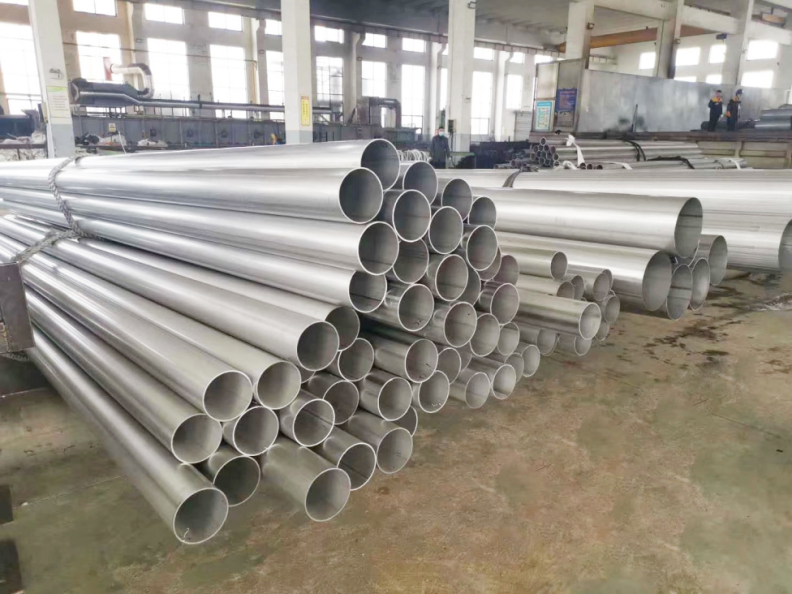
Industry-Specific Selection Between 304 Stainless Steel vs Stainless Steel
Different industrial sectors employ distinct logic when deciding between 304 stainless steel vs stainless steel materials. The food and beverage industry consistently specifies 304 stainless steel vs stainless steel lower-grade options because FDA compliance and washdown environment demands require robust corrosion resistance and cleanability. Petrochemical refineries evaluate 304 stainless steel vs stainless steel choices based on hydrocarbon composition and temperature profiles, often selecting 304 for reliability in harsh downstream applications. Oil and gas production environments frequently compare 304 stainless steel vs stainless steel specifications against more exotic nickel-molybdenum grades, yet 304 often emerges as the cost-effective sweet spot balancing performance and budget. Architectural and automotive sectors may prioritize aesthetic retention and surface finish, making 304 stainless steel vs stainless steel comparisons favor 304's superior ability to maintain polished appearance under oxidative stress. Understanding industry-specific demands clarifies why 304 stainless steel vs stainless steel decisions vary significantly across market segments.
FAQ
Why do industrial buyers prefer 304 stainless steel vs stainless steel lower grades?
Buyers select 304 stainless steel vs stainless steel alternatives when corrosion resistance, extended service life, and production reliability outweigh the material cost premium. The 304 grade's superior nickel content and austenitic structure deliver predictable performance in aggressive environments where lower-grade stainless steel would fail prematurely. For applications where replacement downtime imposes substantial costs, the comparison between 304 stainless steel vs stainless steel strongly favors 304 despite higher initial material expenses. The decision ultimately reflects total cost of ownership rather than purchase price alone.
Can lower-cost stainless steel grades substitute for 304 in most applications?
Some lower-cost stainless steel options can substitute for 304 stainless steel vs stainless steel in specific low-stress environments, such as dry indoor applications with minimal chemical exposure. However, when evaluating 304 stainless steel vs stainless steel alternatives for wet environments, saltwater proximity, or thermal cycling conditions, lower-grade materials demonstrate significantly shorter functional lifespans. The comparison between 304 stainless steel vs stainless steel reveals that cost savings on material procurement often reverse into higher maintenance and replacement expenses within 2-5 years of operation. Engineering teams must verify that alternative grades meet all performance requirements before approving substitutions in the comparison between 304 stainless steel vs stainless steel specifications.
How does 304 stainless steel vs stainless steel performance differ in high-temperature applications?
When comparing 304 stainless steel vs stainless steel in thermal environments exceeding 400 degrees Celsius, the 304 grade maintains austenitic crystal structure and mechanical ductility, enabling reliable performance. Lower-grade stainless steel options, particularly ferritic types, experience scaling, oxidation, and mechanical property degradation at these temperatures. The distinction between 304 stainless steel vs stainless steel becomes increasingly pronounced as operational temperatures rise, with 304 remaining functional where alternatives would fail. Applications involving steam generation, heat exchanger tubes, or exhaust system components consistently favor 304 stainless steel vs stainless steel alternatives due to this superior thermal performance profile.