 EN
EN

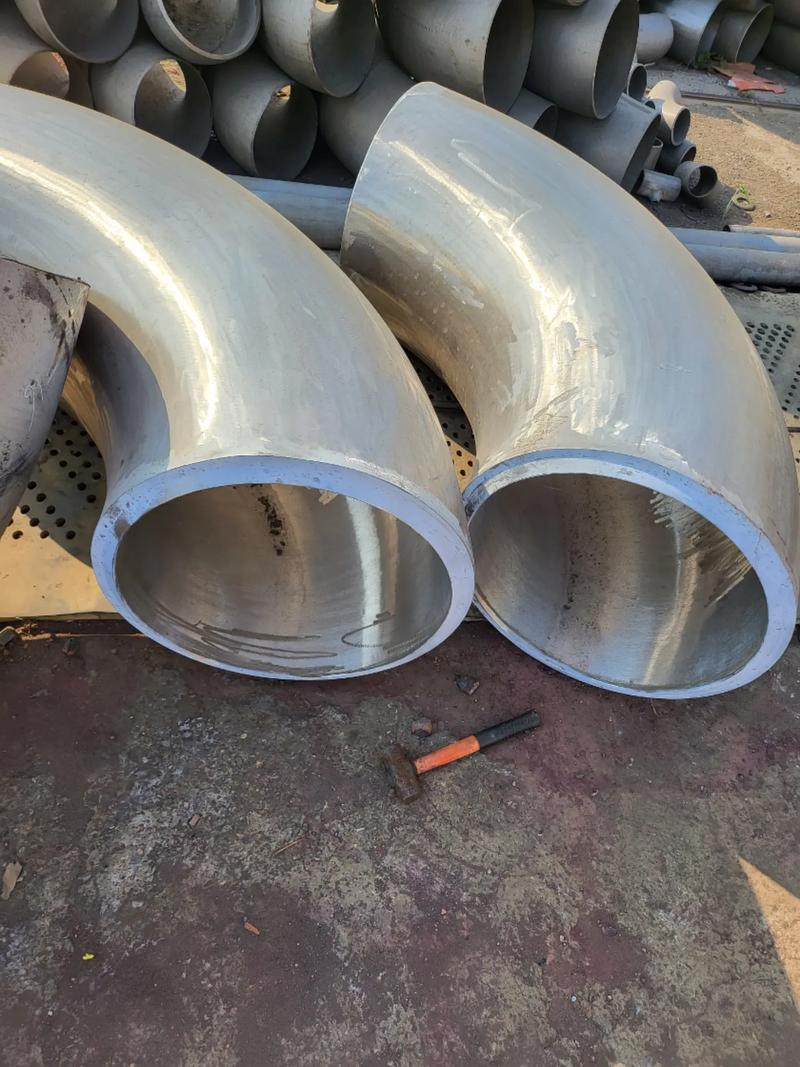
Engineers working in structural design and fluid transport systems face a critical decision when selecting piping materials: whether to specify seamless or welded seam pipe configurations. While both categories serve essential industrial functions, seam pipe—produced through welding processes that join metal edges—has emerged as the preferred choice across construction, petrochemical, water treatment, and manufacturing sectors. This preference stems from a combination of economic efficiency, manufacturing scalability, dimensional versatility, and performance reliability that aligns with modern engineering requirements. Understanding why engineers systematically choose seam pipe for both load-bearing structural applications and pressurized fluid conveyance requires examining the technical, operational, and financial factors that influence specification decisions in professional practice.
The engineering rationale behind seam pipe selection extends beyond simple cost considerations to encompass manufacturing precision, quality control capabilities, material property optimization, and project-specific performance requirements. Modern welding technologies—including electric resistance welding, submerged arc welding, and high-frequency induction welding—produce seam pipe with mechanical properties that meet or exceed the demands of rigorous structural codes and fluid system standards. Engineers recognize that when properly manufactured and inspected, seam pipe delivers predictable performance characteristics while offering procurement advantages that seamless alternatives cannot match in many application contexts. The following analysis explores the fundamental reasons driving this engineering preference across diverse industrial sectors.
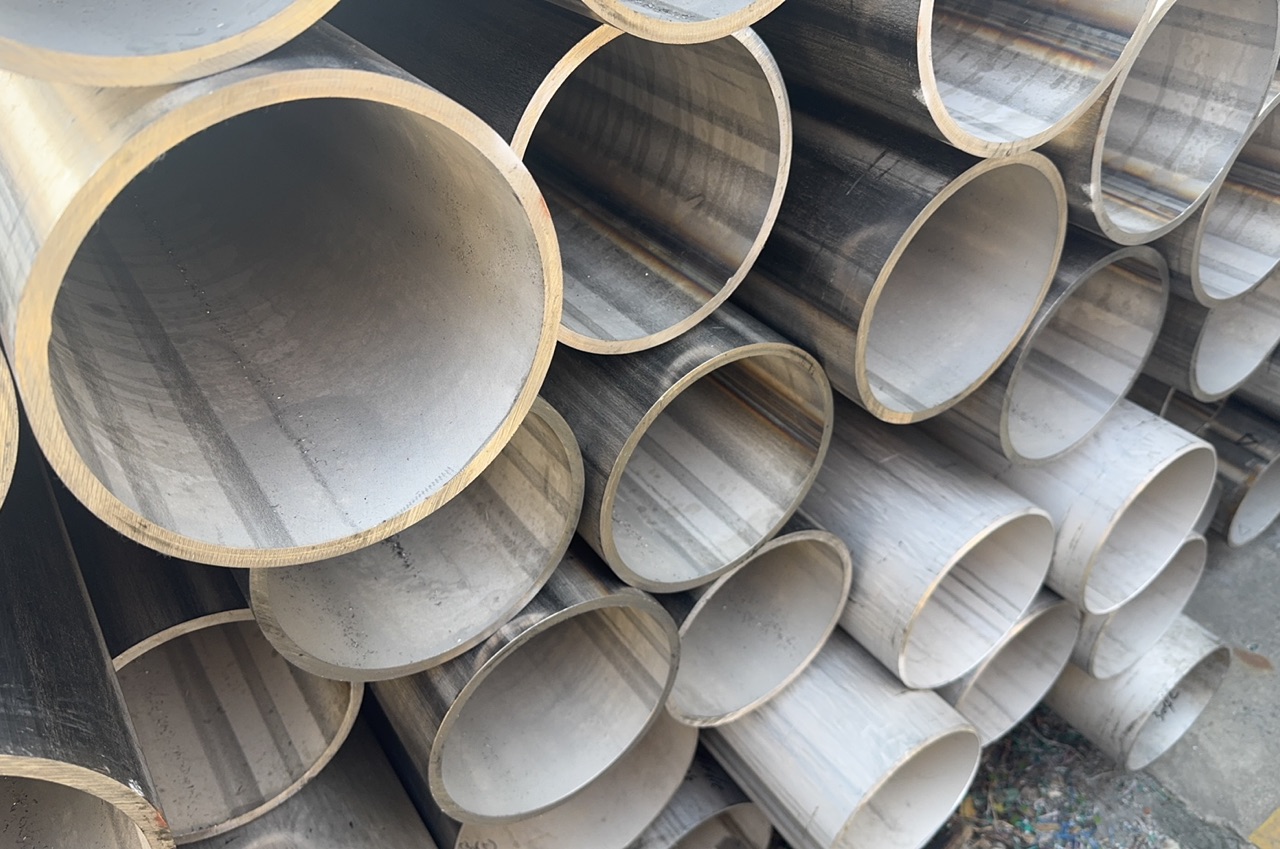
Cost Efficiency and Manufacturing Economics
Material Utilization and Production Process Advantages
The manufacturing process for seam pipe inherently delivers superior material utilization compared to seamless pipe production methods. While seamless pipe requires piercing and elongating solid billets—a process that generates significant material waste and demands specialized equipment—seam pipe production begins with flat-rolled steel coil or plate that can be precisely dimensioned. This flat-stock approach allows manufacturers to optimize material yield while maintaining consistent wall thickness throughout the pipe body. Engineers appreciate that this manufacturing efficiency translates directly into lower raw material costs without compromising structural integrity or fluid containment capability. The welding process that creates the longitudinal seam adds minimal material while establishing a metallurgical bond that, when properly executed, matches or exceeds the strength of the parent metal.
Production scalability represents another critical economic advantage that influences engineering specifications. Seam pipe manufacturing lines can produce a broader range of diameters and wall thicknesses with faster changeover times than seamless pipe mills, which require different mandrel sizes and piercing equipment for diameter variations. This flexibility enables manufacturers to respond quickly to project-specific requirements while maintaining competitive pricing across diverse size ranges. For engineers managing procurement timelines and budget constraints, the ability to source seam pipe in non-standard dimensions without incurring premium pricing or extended lead times provides significant project planning advantages. The cumulative effect of these manufacturing economics makes seam pipe the rational choice when performance requirements fall within its technical capabilities.
Lifecycle Cost Analysis and Total Ownership Value
Beyond initial procurement costs, engineers evaluate seam pipe through comprehensive lifecycle cost analysis that accounts for installation expenses, maintenance requirements, and long-term durability. The dimensional consistency achievable in seam pipe production facilitates easier fitting alignment and welded joint preparation during field installation, reducing labor costs and improving construction schedule performance. Modern seam pipe manufactured to recognized standards exhibits predictable corrosion behavior and mechanical aging characteristics that enable accurate service life projections. When specified with appropriate coatings or corrosion-resistant alloys, seam pipe delivers decades of reliable performance in both structural and fluid transport applications. This predictability allows engineers to develop confident total cost of ownership models that justify initial material selection decisions over project lifecycles extending twenty to fifty years.
Maintenance accessibility and repair economics further reinforce the engineering preference for seam pipe in many applications. The uniform geometry and consistent material properties of quality seam pipe simplify inspection protocols and enable standardized maintenance procedures across extensive piping systems. When repairs become necessary, the availability of matching seam pipe sections and the straightforward nature of welded joint preparation reduce downtime and maintenance costs compared to alternatives requiring specialized joining techniques. For industrial facilities where operational continuity directly impacts profitability, these maintenance considerations significantly influence material specification decisions. Engineers responsible for long-term facility operation increasingly recognize that the total economic value proposition of seam pipe extends well beyond initial purchase price to encompass the entire operational lifecycle.
Structural Performance and Load-Bearing Capabilities
Mechanical Property Optimization Through Controlled Processing
The manufacturing processes used to produce modern seam pipe enable precise control over mechanical properties that structural engineers require for load-bearing applications. During seam pipe fabrication, the forming and welding operations can be optimized to achieve specific yield strength, tensile strength, and ductility characteristics that match design requirements. The longitudinal seam orientation in seam pipe actually provides advantages in certain structural applications where primary loads act perpendicular to the seam direction, as the continuous base metal sections carry the majority of stress without interruption. Heat treatment processes applied after welding can further enhance mechanical properties and relieve residual stresses, producing seam pipe with uniform strength characteristics throughout the cross-section.
Structural engineers working with seam pipe benefit from extensive testing data and established design methodologies that account for weld seam characteristics in load calculations. International standards including ASTM, API, and EN specifications provide detailed guidance for incorporating seam pipe into structural designs with appropriate safety factors and performance verification protocols. The weld seam itself, when produced using qualified procedures and inspected according to standard requirements, demonstrates mechanical properties equivalent to or exceeding those of the base metal. Modern non-destructive testing methods—including ultrasonic inspection, radiographic examination, and electromagnetic testing—verify weld integrity with confidence levels that satisfy the most demanding structural applications. This combination of controlled manufacturing and rigorous quality verification gives engineers the assurance needed to specify seam pipe for critical load-bearing functions.
Dimensional Precision and Structural Integration
The geometric precision achievable in seam pipe manufacturing directly supports structural engineering requirements for dimensional accuracy and connection reliability. Seam pipe production processes maintain tight tolerances on outside diameter, wall thickness variation, and straightness—parameters that critically influence structural performance and connection integrity. This dimensional consistency simplifies structural detailing and fabrication, as engineers can design connections with confidence that actual pipe geometry will match drawing specifications. For structural frameworks incorporating seam pipe as columns, bracing members, or tension elements, this geometric reliability reduces field fitting problems and ensures that load transfer mechanisms function as designed. The ability to produce seam pipe with precisely controlled ovality and wall thickness uniformity particularly benefits applications where accurate load distribution depends on consistent cross-sectional properties.
Connection design flexibility represents another structural advantage that engineers value when specifying seam pipe. The uniform cylindrical geometry and predictable material properties enable diverse connection methods including welded, bolted, grooved, and threaded configurations appropriate for different structural applications. Seam pipe accommodates both moment-resisting and simple shear connections with well-established design procedures that account for stress concentrations and load transfer paths. For engineers designing structural systems that must accommodate thermal expansion, seismic loads, or dynamic forces, the availability of proven connection details for seam pipe applications streamlines the design process while ensuring reliable structural performance. This design flexibility, combined with the material's inherent strength and ductility, positions seam pipe as a versatile structural element capable of serving diverse load-bearing functions across building, infrastructure, and industrial facility applications.
Fluid System Performance and Transport Reliability
Pressure Containment and Flow Characteristics
Engineers selecting piping for fluid transport systems evaluate seam pipe based on its pressure containment capability and internal flow characteristics. Modern seam pipe manufactured according to recognized standards demonstrates pressure ratings suitable for applications ranging from low-pressure drainage systems to moderate-pressure process piping and pressurized water distribution networks. The longitudinal weld seam, when properly fabricated and inspected, withstands internal pressure loads without representing a weak point in the pipe body. Design codes such as ASME B31.3 for process piping and ASME B31.1 for power piping provide explicit guidance for calculating allowable pressures in seam pipe based on material grade, wall thickness, and weld joint efficiency factors. These established design methodologies enable engineers to specify seam pipe with confidence for fluid systems operating across a broad pressure spectrum.
Internal surface finish quality in seam pipe directly influences flow efficiency and system performance in fluid transport applications. The manufacturing process for seam pipe produces smooth internal surfaces with minimal irregularities that could increase friction losses or create turbulence in flowing media. For water distribution, chemical process lines, and petroleum product transport, this surface smoothness translates into lower pumping energy requirements and reduced operational costs over system lifecycles. Engineers conducting hydraulic calculations appreciate that seam pipe exhibits friction factors comparable to seamless pipe, allowing standard flow equations and pressure drop correlations to apply without special adjustments. The absence of internal obstructions or weld protrusions—achieved through proper welding technique and, when necessary, internal weld bead removal—ensures that seam pipe maintains consistent flow cross-sections and predictable hydraulic performance throughout its service life.
Corrosion Resistance and Material Compatibility
Material selection flexibility inherent in seam pipe manufacturing enables engineers to optimize corrosion resistance for specific fluid system environments. Seam pipe can be produced from diverse base materials including carbon steel, stainless steel alloys, duplex stainless grades, and specialty corrosion-resistant alloys, with welding procedures qualified for each material system. This material versatility allows engineers to match pipe material properties precisely to the corrosive characteristics of transported fluids, whether handling potable water, aggressive chemicals, high-chloride industrial effluents, or corrosive petroleum products. The weld seam region receives particular attention during manufacturing, with filler metal selection and post-weld treatment designed to ensure corrosion resistance equivalent to the base material. For stainless steel seam pipe applications, proper welding procedures and subsequent passivation treatments produce weld zones with corrosion resistance matching or exceeding that of the parent metal.
Engineers designing fluid systems for long-term reliability increasingly specify seam pipe with protective coatings or linings tailored to specific service conditions. The uniform cylindrical geometry of seam pipe facilitates the application of internal linings—including cement mortar, epoxy, and polyethylene—that provide barrier protection against corrosive fluids. External coating systems ranging from fusion-bonded epoxy to polyurethane and tape wraps adhere reliably to the consistent surface geometry of seam pipe, providing durable corrosion protection in buried, submerged, or atmospheric exposure conditions. The availability of these protective systems, combined with the base corrosion resistance of properly selected pipe materials, enables engineers to design fluid transport systems with service life expectations matching or exceeding those of facility infrastructure. This long-term durability consideration weighs heavily in material selection decisions, particularly for municipal water systems, industrial process plants, and infrastructure projects where replacement costs and service disruption impacts are substantial.
Manufacturing Quality Control and Performance Verification
Inspection Protocols and Quality Assurance Systems
The manufacturing environment for seam pipe enables comprehensive quality control and inspection protocols that give engineers confidence in material performance. Unlike seamless pipe production, where internal defects may remain undetected without sophisticated inspection methods, the external longitudinal seam in seam pipe provides a defined location for focused quality verification. Modern seam pipe manufacturing incorporates inline non-destructive testing systems that inspect one hundred percent of the weld seam length using ultrasonic, electromagnetic, or radiographic methods. These automated inspection systems detect weld discontinuities, lack of fusion, porosity, and other defects with sensitivity levels that exceed manual inspection capabilities. Engineers specifying seam pipe benefit from this systematic quality verification, as manufacturing records document that every foot of delivered pipe has undergone rigorous inspection to defined acceptance standards.
Material traceability and certification documentation represent additional quality assurance advantages that influence engineering specifications. Seam pipe manufacturers maintain comprehensive records linking each pipe length to specific steel coil heat numbers, welding parameters, heat treatment cycles, and inspection results. This traceability enables engineers to verify that delivered materials meet specification requirements and provides documentation for regulatory compliance in industries subject to code jurisdiction. Mill test reports accompanying seam pipe shipments detail chemical composition, mechanical properties, dimensional characteristics, and inspection results—information that engineers require for design verification and project quality management. For critical applications in power generation, petrochemical processing, and municipal infrastructure, this documented quality assurance provides essential confidence that installed piping will perform reliably throughout its design service life.
Standard Compliance and Code Recognition
Engineers preferentially specify seam pipe because established industry standards and design codes explicitly recognize and provide guidance for its application. Standards organizations including ASTM International, the American Petroleum Institute, and European standardization bodies publish detailed specifications for seam pipe covering dimensions, materials, manufacturing processes, testing requirements, and marking conventions. These standards enable engineers to communicate precise requirements through specification references rather than developing custom procurement documents for each project. Design codes such as ASME Boiler and Pressure Vessel Code Section VIII, ASME B31 pressure piping codes, and international standards including ISO and EN publications provide explicit design rules, allowable stress values, and joint efficiency factors for seam pipe applications. This code recognition streamlines the engineering design process while ensuring that specified materials meet safety and performance requirements established through decades of industry experience.
The regulatory acceptance of seam pipe across diverse industries reflects its proven performance history and the confidence that code-writing bodies place in properly manufactured welded pipe products. Jurisdictional authorities having oversight for pressure vessels, piping systems, structural frameworks, and public infrastructure recognize seam pipe as an acceptable material when manufactured and applied according to relevant standards. This regulatory acceptance eliminates uncertainty in the approval process and reduces project risk for engineers responsible for obtaining permits and demonstrating code compliance. For projects subject to third-party inspection or insurance requirements, the established track record and code recognition of seam pipe simplifies verification procedures and documentation requirements. These regulatory and compliance advantages reinforce the engineering preference for seam pipe in applications where alternative materials might face scrutiny or require special approval processes.
Application Versatility and Specification Flexibility
Size Range Availability and Custom Dimensions
The manufacturing flexibility inherent in seam pipe production enables engineers to source sizes spanning from small-diameter tubing to large-diameter pipe exceeding sixty inches in diameter. This broad size range availability from a single manufacturing process simplifies procurement and ensures material consistency across piping systems incorporating diverse line sizes. Unlike seamless pipe, where manufacturing equipment limitations constrain available sizes and wall thicknesses, seam pipe production accommodates custom dimensions without requiring specialized tooling investments. Engineers designing systems with non-standard size requirements benefit from this flexibility, as manufacturers can produce seam pipe matching specific dimensional needs without the premium pricing typically associated with custom seamless pipe orders. For projects incorporating large-diameter pipe where seamless production becomes technically challenging or economically prohibitive, seam pipe represents the practical solution that balances performance requirements with commercial reality.
Wall thickness optimization represents another specification advantage that engineers gain when selecting seam pipe for fluid systems or structural applications. The manufacturing process allows precise wall thickness control across the full size range, enabling engineers to specify exactly the wall thickness needed to satisfy stress calculations without over-designing for material availability constraints. This optimization capability reduces material costs and system weight while maintaining required safety margins and performance characteristics. For structural applications where weight minimization impacts foundation design and erection costs, the ability to specify optimized wall thickness in seam pipe delivers system-level economic benefits. Similarly, in fluid transport systems where excessive wall thickness increases material costs without improving performance, the dimensional flexibility of seam pipe enables engineers to achieve efficient designs that balance first cost against performance requirements.
Material Grade Selection and Property Customization
Engineers specifying seam pipe access a comprehensive range of material grades and mechanical property options that enable precise matching of material characteristics to application requirements. Carbon steel seam pipe is available in multiple strength grades from standard structural steel through high-strength low-alloy compositions offering yield strengths exceeding seventy thousand pounds per square inch. Stainless steel seam pipe encompasses austenitic, ferritic, duplex, and super duplex grades, each offering distinct combinations of corrosion resistance, strength, and temperature capability. This material variety enables engineers to optimize specifications for specific service conditions rather than accepting the limitations of available seamless pipe grades. For applications requiring enhanced toughness, seam pipe can be produced from impact-tested steel grades with verified Charpy values at specified temperatures, ensuring reliable performance in low-temperature service or dynamic loading conditions.
Property customization through heat treatment and manufacturing process control provides additional specification flexibility that engineers value in demanding applications. Seam pipe can be supplied in normalized, quenched and tempered, or solution-annealed conditions depending on the desired combination of strength, ductility, and toughness. Post-weld heat treatment eliminates residual stresses and optimizes microstructure in the weld-affected zone, producing uniform mechanical properties throughout the pipe cross-section. For engineers designing systems subject to cyclic loading, thermal cycling, or seismic demands, these processing options enable specification of seam pipe with mechanical properties tailored to specific performance requirements. The ability to customize material properties while maintaining the economic and manufacturing advantages of welded construction represents a compelling combination that drives engineering preference across diverse industrial sectors.
FAQ
What pressure ratings can seam pipe handle in fluid transport applications?
Seam pipe pressure ratings depend on material grade, wall thickness, diameter, and weld joint quality, but properly manufactured seam pipe routinely handles pressures from low-pressure drainage systems up to several thousand pounds per square inch in process piping applications. Design codes provide explicit formulas for calculating allowable pressure based on these parameters, with weld joint efficiency factors typically ranging from 0.85 to 1.0 depending on inspection level and manufacturing quality. For most industrial fluid systems operating below 600 psi, standard seam pipe grades provide adequate pressure capability with appropriate wall thickness selection. Higher-pressure applications may require enhanced inspection protocols or heavier wall thickness but remain within seam pipe capability for many service conditions. Engineers should consult applicable design codes such as ASME B31.3 or B31.1 for specific allowable pressure calculations based on project parameters.
How does the weld seam affect structural load-bearing capacity compared to seamless pipe?
When properly manufactured and inspected according to recognized standards, the weld seam in quality seam pipe exhibits mechanical properties matching or exceeding the base metal, resulting in structural capacity essentially equivalent to seamless pipe of the same dimensions and material grade. Structural design codes account for weld seam characteristics through joint efficiency factors and allowable stress values that ensure adequate safety margins. The longitudinal orientation of the seam actually provides advantages in applications where primary loads act perpendicular to the seam, as continuous base metal sections carry most of the stress. Modern welding processes and inspection techniques produce weld joints with full penetration and fusion, eliminating concerns about reduced capacity at the seam location. Engineers should verify that specified seam pipe meets applicable structural standards and that manufacturing includes appropriate inspection protocols for the intended application.
Can seam pipe be used in corrosive environments or with aggressive fluids?
Seam pipe demonstrates excellent corrosion resistance in diverse environments when manufactured from appropriate base materials and with proper weld procedures. Stainless steel seam pipe, including duplex and super duplex grades, provides corrosion resistance suitable for highly aggressive chemical process environments, seawater service, and chloride-containing fluids. The weld seam region receives particular attention during manufacturing, with filler metal selection and post-weld treatment ensuring corrosion resistance equivalent to the parent material. For carbon steel seam pipe in corrosive service, internal linings and external coatings provide effective barrier protection extending service life to decades. Engineers should specify material grades appropriate for the specific corrosive media and consider protective coatings or linings when base material corrosion resistance may be insufficient. Proper material selection and surface protection enable seam pipe to perform reliably in environments ranging from potable water systems to aggressive industrial process applications.
What are the dimensional tolerance advantages of seam pipe for construction and installation?
Seam pipe manufacturing processes maintain tighter dimensional tolerances on outside diameter, wall thickness uniformity, and straightness compared to many seamless pipe production methods, facilitating easier field installation and connection alignment. The controlled forming process produces consistent ovality and wall thickness distribution around the circumference, eliminating the eccentric wall thickness variations sometimes found in seamless pipe. This dimensional precision simplifies fitting preparation, reduces field cutting and grinding, and improves welded joint quality during construction. For grooved or threaded connections, the tight diameter tolerances of seam pipe ensure proper engagement and seal integrity. Engineers benefit from reduced installation time and improved construction quality when specifying seam pipe for projects where dimensional consistency directly impacts field productivity and connection reliability.
Table of Contents
- Cost Efficiency and Manufacturing Economics
- Structural Performance and Load-Bearing Capabilities
- Fluid System Performance and Transport Reliability
- Manufacturing Quality Control and Performance Verification
- Application Versatility and Specification Flexibility
-
FAQ
- What pressure ratings can seam pipe handle in fluid transport applications?
- How does the weld seam affect structural load-bearing capacity compared to seamless pipe?
- Can seam pipe be used in corrosive environments or with aggressive fluids?
- What are the dimensional tolerance advantages of seam pipe for construction and installation?