 EN
EN
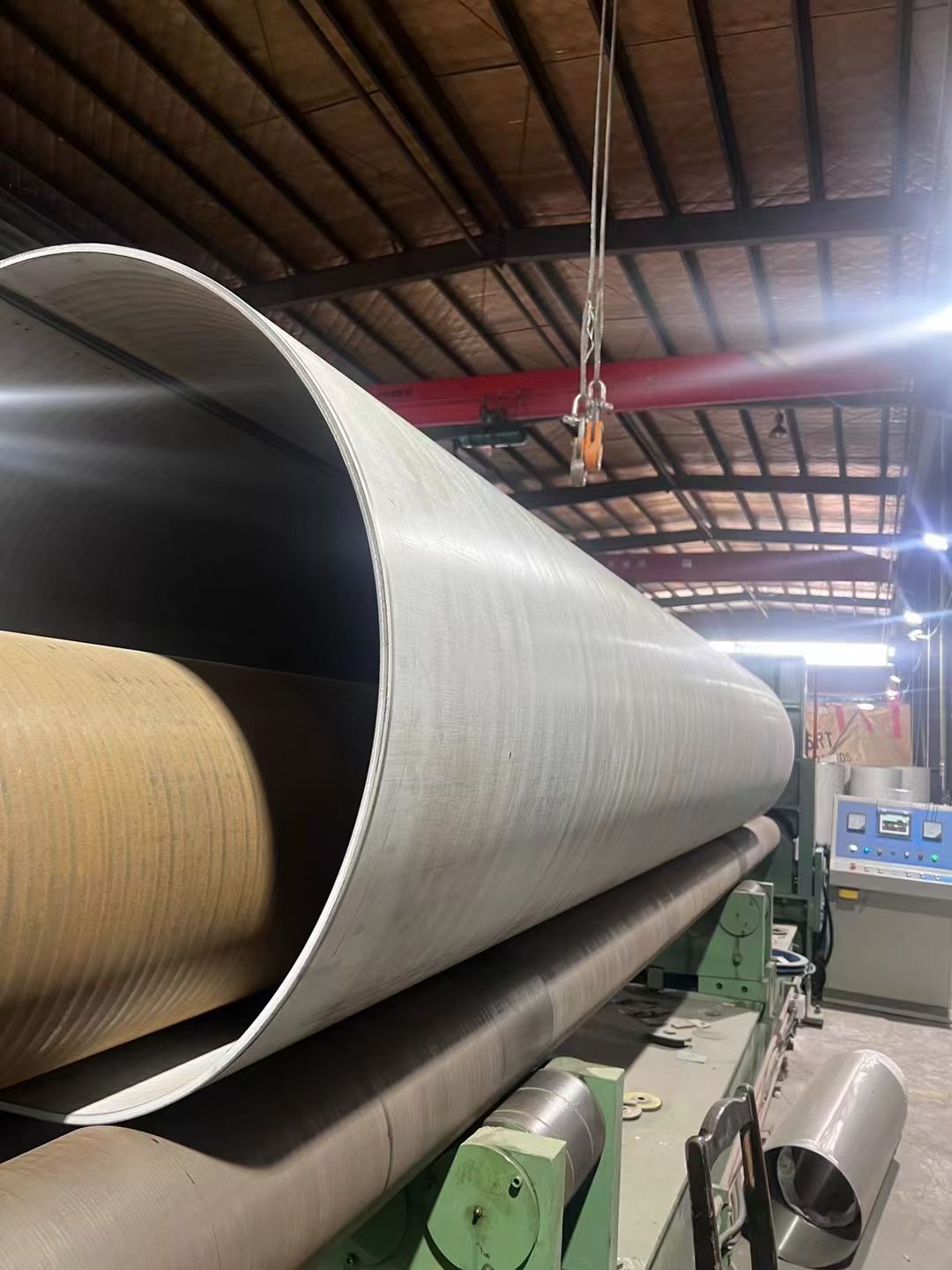
In industrial piping systems, the integrity of every joint, weld, and connection determines the overall performance, safety, and longevity of the entire infrastructure. Among the critical design features that influence these outcomes, the piped seam stands out as a fundamental component that directly impacts structural reliability, leak prevention, and operational efficiency. Understanding why the piped seam matters is essential for engineers, procurement specialists, and facility managers who are responsible for selecting, installing, and maintaining pipe systems in demanding industrial environments.
The piped seam serves as the longitudinal bond that holds the pipe structure together, especially in welded pipe manufacturing processes. This seam is not merely a cosmetic or secondary feature—it represents the zone where material continuity, metallurgical bonding, and mechanical strength must be precisely controlled to ensure the pipe can withstand internal pressure, thermal expansion, external loads, and corrosive conditions. When the piped seam is properly designed, executed, and inspected, it contributes to the overall durability and compliance of the piping system. Conversely, a poorly executed piped seam can become a point of failure, leading to leaks, ruptures, contamination, and costly downtime. This article explores the multiple reasons why the piped seam is critically important in industrial pipe applications, examining its role in structural integrity, quality assurance, regulatory compliance, and long-term operational performance.
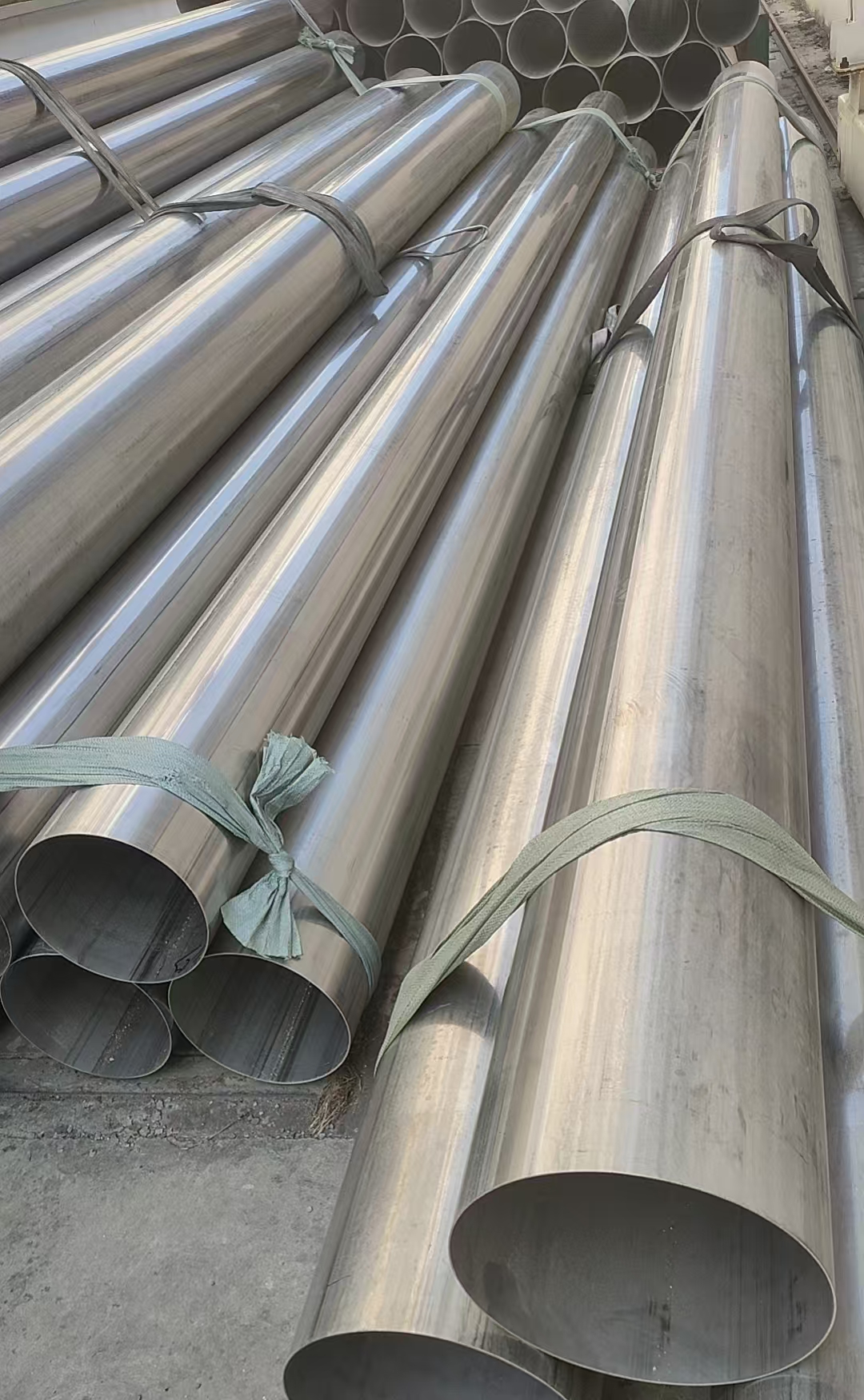
Structural Integrity and Mechanical Performance
Load-Bearing Capacity and Stress Distribution
The piped seam plays a crucial role in determining how effectively a pipe can distribute mechanical stresses under various operating conditions. In industrial applications, pipes are subjected to internal pressure from fluids or gases, external loads from soil or structural supports, and dynamic forces from thermal expansion or vibration. The piped seam must exhibit mechanical properties comparable to the base material to ensure uniform stress distribution along the pipe length. When the seam is properly welded and heat-treated, it maintains the same tensile strength, yield strength, and ductility as the surrounding pipe wall, preventing localized stress concentrations that could lead to premature failure.
In high-pressure systems such as steam lines, hydraulic circuits, and chemical processing pipelines, the piped seam becomes a critical zone where any weakness or discontinuity can trigger catastrophic failure. Engineers must verify that the seam weld has achieved full penetration, proper fusion, and adequate reinforcement to handle the design pressure with appropriate safety margins. The seam quality directly influences the pipe's ability to withstand pressure surges, cyclic loading, and fatigue conditions over extended service life. For these reasons, the piped seam is inspected using non-destructive testing methods such as radiography, ultrasonic testing, and eddy current examination to confirm its structural soundness before the pipe is placed into service.
Resistance to Crack Propagation and Fracture
Another fundamental reason the piped seam is important lies in its influence on fracture mechanics and crack propagation behavior. In welded pipes, the seam region undergoes thermal cycles during manufacturing that can alter the microstructure and introduce residual stresses. If these factors are not properly controlled, the piped seam may become a preferential path for crack initiation and growth. Industrial environments often expose pipes to aggressive conditions such as corrosive media, hydrogen embrittlement, and low-temperature brittleness, all of which can accelerate crack development in susceptible zones.
High-quality piped seam fabrication involves careful selection of welding parameters, filler materials, and post-weld heat treatment to minimize residual stresses and achieve a fine-grained, homogeneous microstructure. This ensures that the seam exhibits toughness and ductility comparable to the base metal, reducing the likelihood of brittle fracture. In critical applications such as offshore oil and gas pipelines, nuclear power plant piping, and cryogenic fluid transport, the integrity of the piped seam is rigorously validated through impact testing, fracture toughness testing, and metallographic examination to ensure it meets stringent safety standards.
Leak Prevention and Fluid Containment
Hermetic Sealing and Pressure Integrity
One of the most critical functions of the piped seam is to provide a hermetic barrier that prevents fluid or gas leakage under operating pressure. In industrial pipe applications, even minor leaks can result in product loss, environmental contamination, safety hazards, and regulatory violations. The piped seam must be fully penetrated and free from defects such as porosity, incomplete fusion, and slag inclusions that could create leakage paths. Achieving this level of seam quality requires precise control of welding parameters, proper joint preparation, and thorough inspection protocols.
For applications involving hazardous or toxic fluids, the importance of a leak-tight piped seam cannot be overstated. Chemical plants, pharmaceutical facilities, and food processing operations rely on the piped seam to maintain product purity and prevent cross-contamination. Any compromise in seam integrity can lead to product recalls, production shutdowns, and legal liabilities. Therefore, manufacturers employ advanced welding techniques such as TIG welding, plasma arc welding, and laser welding to produce high-quality piped seams with minimal defect rates and superior sealing performance.
Long-Term Sealing Performance Under Corrosive Conditions
Industrial pipes often operate in corrosive environments where the piped seam is exposed to aggressive chemicals, elevated temperatures, and cyclic wetting and drying. The seam's ability to resist corrosion is essential for maintaining long-term fluid containment and preventing leaks that could develop over time. If the piped seam exhibits metallurgical discontinuities, grain boundary sensitization, or residual stresses, it may become more susceptible to localized corrosion mechanisms such as pitting, crevice corrosion, and stress corrosion cracking.
To enhance the corrosion resistance of the piped seam, manufacturers often employ stainless steel or corrosion-resistant alloys and implement appropriate post-weld treatments such as solution annealing and passivation. These measures help restore the chromium oxide protective layer in the seam area and reduce the risk of premature corrosion failure. In demanding applications such as seawater desalination, petrochemical processing, and wastewater treatment, the corrosion performance of the piped seam is a key factor in determining the overall service life and maintenance costs of the piping system.
Manufacturing Quality and Process Control
Welding Process Selection and Parameter Optimization
The importance of the piped seam extends into the manufacturing domain, where the choice of welding process and optimization of welding parameters directly affect seam quality and production efficiency. Different welding methods such as electric resistance welding, high-frequency induction welding, submerged arc welding, and laser welding offer varying levels of penetration depth, heat input, and deposition rate. Each method produces a piped seam with distinct metallurgical characteristics, mechanical properties, and defect susceptibility.
For example, high-frequency induction welding is commonly used for manufacturing thin-walled stainless steel pipes because it provides rapid heating, narrow heat-affected zones, and minimal distortion. In contrast, submerged arc welding is preferred for thick-walled carbon steel pipes in high-pressure applications due to its deep penetration and excellent mechanical properties. The selection of the appropriate welding process for the piped seam depends on factors such as pipe material, wall thickness, diameter, production volume, and quality requirements. Manufacturers must carefully optimize welding parameters such as current, voltage, travel speed, and shielding gas to achieve consistent seam quality and minimize defect rates.
Quality Assurance and Inspection Protocols
The piped seam is subjected to rigorous quality assurance and inspection protocols throughout the manufacturing process to ensure it meets specified standards and customer requirements. In-line inspection systems such as ultrasonic testing, eddy current testing, and radiographic testing are used to detect internal defects such as lack of fusion, porosity, and inclusions in the piped seam. Surface defects such as undercut, overlap, and cracking are identified through visual inspection, magnetic particle testing, and dye penetrant testing.
Manufacturers implement statistical process control and traceability systems to monitor the consistency and repeatability of piped seam quality across production batches. Each pipe is assigned a unique identification number that tracks its manufacturing history, including welding parameters, heat treatment conditions, and inspection results. This level of quality control is particularly important in industries such as aerospace, nuclear power, and medical devices, where the consequences of piped seam failure can be severe. By maintaining comprehensive documentation and adhering to strict quality standards, manufacturers provide customers with confidence in the reliability and performance of their piping products.
Regulatory Compliance and Industry Standards
Adherence to Code Requirements and Specifications
The piped seam is subject to numerous industry codes, standards, and specifications that govern its design, fabrication, testing, and acceptance criteria. Organizations such as ASME, ASTM, API, and EN publish comprehensive standards that define the requirements for piped seam quality in various industrial applications. These standards specify allowable defect sizes, mechanical property thresholds, inspection methods, and documentation requirements to ensure the piped seam meets minimum safety and performance criteria.
For example, ASME B31.3 provides detailed requirements for process piping in chemical and petroleum facilities, including specifications for the piped seam weld quality and testing. Similarly, API 5L establishes requirements for line pipe used in oil and gas transmission, with specific provisions for seam weld inspection and acceptance. Compliance with these standards is not optional—it is a legal and contractual obligation that manufacturers and end users must fulfill to ensure safe and reliable operation of piping systems. Failure to meet code requirements can result in project delays, rejection of materials, and potential liability in the event of a failure.
Certification and Third-Party Verification
In many industrial applications, the quality of the piped seam must be verified by independent third-party inspection agencies or certification bodies. These organizations conduct audits, witness testing, and review documentation to confirm that the piped seam has been manufactured in accordance with applicable standards and customer specifications. Third-party certification provides an additional layer of assurance and helps mitigate the risk of defective materials entering critical applications.
For example, pressure vessels and boilers that incorporate welded pipes with piped seams must be certified by authorized inspectors before they can be placed into service. Similarly, offshore oil and gas projects often require independent verification of piped seam quality to comply with regulatory requirements and insurance conditions. This certification process involves comprehensive review of welding procedures, welder qualifications, material test reports, and non-destructive testing records. By subjecting the piped seam to rigorous third-party scrutiny, stakeholders can ensure that the piping system meets the highest standards of safety and reliability.
Long-Term Operational Performance and Maintenance
Service Life Extension and Durability
The quality of the piped seam has a direct impact on the service life and durability of industrial piping systems. A well-executed piped seam that exhibits excellent mechanical properties, corrosion resistance, and structural integrity can remain in service for decades with minimal maintenance. Conversely, a defective piped seam may require frequent repairs, replacements, and unplanned downtime, leading to increased life-cycle costs and operational disruptions.
In industries such as power generation, water treatment, and chemical processing, the ability to extend the service life of piping assets is a key economic and strategic consideration. The piped seam's resistance to fatigue, corrosion, and mechanical degradation determines the frequency and extent of maintenance interventions required over the pipe's operational life. By investing in high-quality piped seam fabrication and inspection, facility operators can reduce total cost of ownership, improve system reliability, and enhance operational efficiency.
Inspection and Monitoring Strategies
Ongoing inspection and monitoring of the piped seam are essential for detecting early signs of degradation and preventing catastrophic failures. Advanced monitoring technologies such as acoustic emission testing, guided wave ultrasonic testing, and real-time corrosion monitoring enable operators to assess the condition of the piped seam without disrupting operations. These techniques provide valuable data on seam integrity, allowing maintenance teams to implement proactive repair or replacement strategies before leaks or ruptures occur.
Regular inspection programs that focus on the piped seam help identify issues such as corrosion thinning, cracking, and erosion damage that may develop over time. By establishing baseline data and tracking changes in seam condition, operators can optimize maintenance schedules, prioritize resource allocation, and ensure compliance with safety regulations. In high-consequence applications such as natural gas distribution and hazardous liquid pipelines, the ability to monitor the piped seam continuously is a critical component of risk management and asset integrity programs.
FAQ
What makes the piped seam different from other types of pipe joints?
The piped seam is a longitudinal weld that runs along the length of the pipe, created during the manufacturing process by joining the edges of a formed plate or strip. Unlike circumferential joints that connect separate pipe sections, the piped seam is an integral part of the pipe body itself. Its quality is determined during fabrication and cannot be easily modified or improved in the field. The piped seam must meet the same mechanical and corrosion resistance properties as the base material to ensure uniform performance along the entire pipe length.
How does piped seam quality affect the pressure rating of industrial pipes?
The pressure rating of a welded pipe is directly influenced by the quality and integrity of the piped seam. If the seam contains defects such as lack of fusion, porosity, or incomplete penetration, it creates weak points that reduce the pipe's ability to withstand internal pressure. Manufacturers conduct hydrostatic testing and non-destructive testing to verify that the piped seam can handle the specified design pressure with appropriate safety margins. Only pipes with high-quality piped seams that pass rigorous inspection criteria are certified for use in high-pressure industrial applications.
Can the piped seam be repaired if defects are found during inspection?
In most cases, significant defects in the piped seam identified during manufacturing inspection lead to rejection of the pipe rather than repair. Attempting to repair a defective piped seam through grinding, rewelding, or patching can compromise the pipe's structural integrity and introduce additional risks. However, minor surface imperfections that do not exceed code allowances may be addressed through localized grinding and blending, followed by re-inspection. For in-service piping, repair of the piped seam is generally not recommended due to the difficulty of achieving reliable results and the potential for introducing new failure modes.
Why is post-weld heat treatment important for the piped seam in certain applications?
Post-weld heat treatment is applied to the piped seam to relieve residual stresses, improve toughness, and refine the microstructure in the weld and heat-affected zones. This treatment is particularly important for thick-walled pipes, high-strength materials, and applications involving low-temperature or corrosive service conditions. By subjecting the piped seam to controlled heating and cooling cycles, manufacturers can reduce the risk of brittle fracture, stress corrosion cracking, and hydrogen-induced cracking. Post-weld heat treatment ensures that the piped seam exhibits mechanical properties and corrosion resistance comparable to the base material, enhancing the overall reliability and service life of the pipe.
Table of Contents
- Structural Integrity and Mechanical Performance
- Leak Prevention and Fluid Containment
- Manufacturing Quality and Process Control
- Regulatory Compliance and Industry Standards
- Long-Term Operational Performance and Maintenance
-
FAQ
- What makes the piped seam different from other types of pipe joints?
- How does piped seam quality affect the pressure rating of industrial pipes?
- Can the piped seam be repaired if defects are found during inspection?
- Why is post-weld heat treatment important for the piped seam in certain applications?