 EN
EN

Infrastructure projects require piping systems that can handle demanding operating conditions, long service periods, and large fluid volumes. From water transmission and energy facilities to industrial plants and transportation infrastructure, the selected pipe must provide suitable strength, durability, dimensional accuracy, and resistance to environmental exposure.
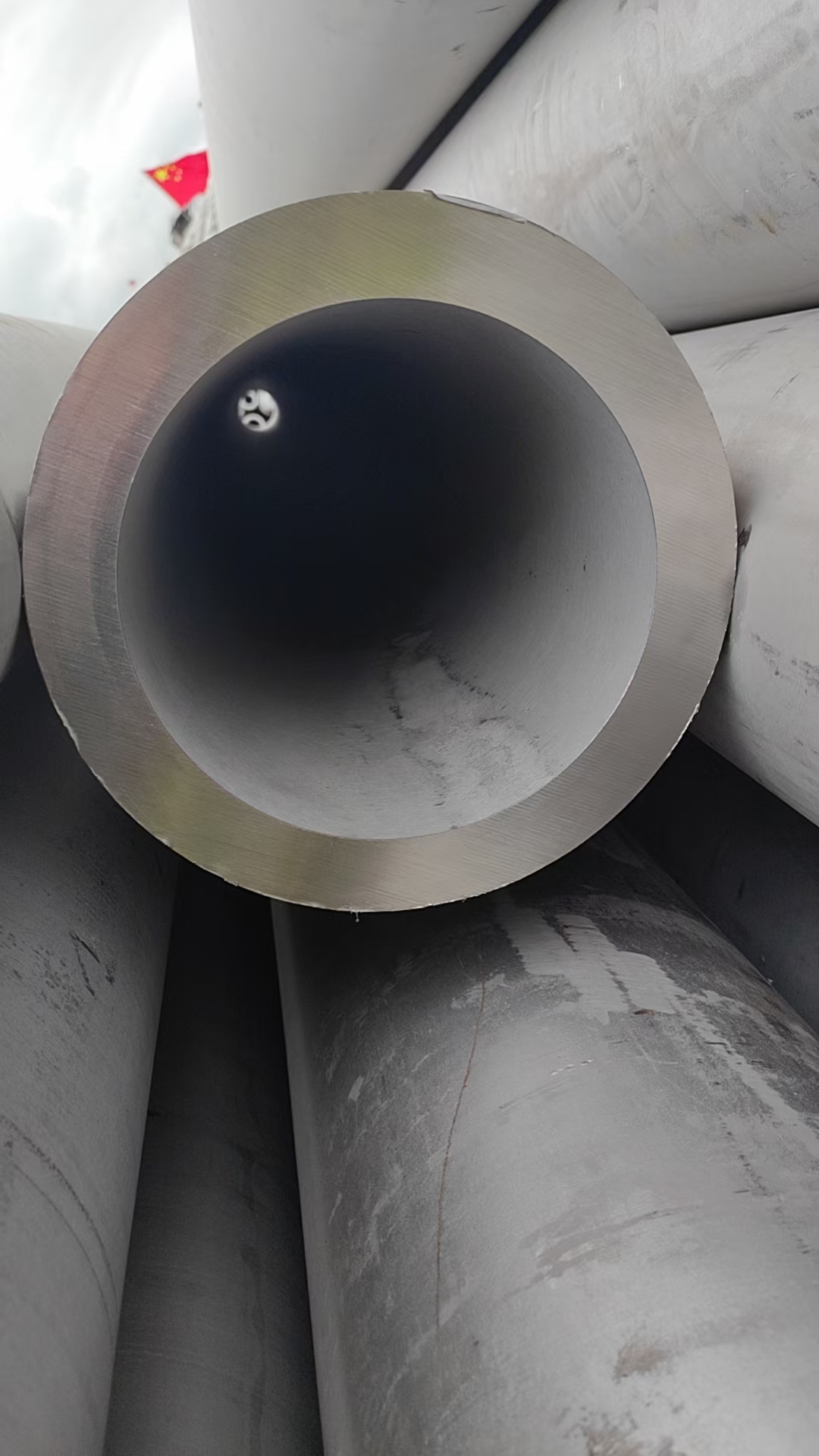
Large diameter seamless pipe is one option used in selected infrastructure and industrial applications. Its continuous construction, high-pressure capability, and availability in different steel grades make it suitable for projects that require reliable fluid transportation or structural performance.
However, large diameter seamless pipe is not automatically the best choice for every project. Welded pipe, ductile iron pipe, concrete pressure pipe, and other solutions may be more economical or practical depending on diameter, pressure, installation conditions, and project standards.
This article explains where large diameter seamless pipe is used, why it may be selected, and what B2B buyers should consider during procurement.
What Is Large Diameter Seamless Pipe?
Large diameter seamless pipe is a pipe manufactured without a longitudinal welded seam and produced with a relatively large outside diameter. It is generally formed from a solid steel billet through processes such as heating, piercing, rolling, sizing, and heat treatment.
The exact definition of “large diameter” depends on the product category, manufacturer, standard, and application. In some industries, large diameter may refer to pipe used for major water, energy, or industrial transmission systems.
Large diameter seamless pipe may be manufactured from:
- Carbon steel
- Alloy steel
- Stainless steel
- Duplex stainless steel
- Super duplex stainless steel
- Other specialized alloys
The material and dimensions should be selected according to the pressure, temperature, fluid chemistry, external loads, and applicable engineering requirements.
1. Water Transmission Infrastructure
One potential application for large diameter steel pipe is water transmission infrastructure. Large water projects may need to transport significant volumes of water over long distances between reservoirs, treatment plants, pumping stations, and distribution networks.
Possible applications include:
- Water transfer pipelines
- Raw water transmission
- Industrial water systems
- Pumping station connections
- Water treatment plant piping
- Desalination facilities
- Large-scale utility systems
Large diameter pipe can help move high volumes of water while maintaining a practical flow path. The final diameter depends on the required flow rate, allowable pressure loss, pumping capacity, and project layout.
For water applications, buyers should consider:
- Internal corrosion
- External soil corrosion
- Water chemistry
- Operating pressure
- Surge pressure
- Pipe coating
- Internal lining
- Joint design
- Installation method
Although seamless pipe may be suitable for certain water systems, welded large diameter pipe is also widely used in major water transmission projects because it can offer manufacturing and cost advantages at very large sizes.
2. Oil and Gas Infrastructure
The oil and gas sector requires piping for the transportation of crude oil, refined products, natural gas, and other process fluids. Large diameter pipe may be used when high flow capacity is required.
Potential applications include:
- Oil transportation lines
- Gas transmission systems
- Gathering systems
- Processing plant connections
- Refinery piping
- Petrochemical facilities
- Pipeline station connections
Seamless pipe may be considered for selected high-pressure or demanding service applications where the absence of a longitudinal weld seam is valuable.
However, pipeline selection depends on the specific service. Long-distance transmission pipelines often use large diameter welded line pipe because of its manufacturing efficiency and availability in large sizes. Seamless pipe is more commonly considered for certain fittings, high-pressure sections, specialized process lines, or applications where the product specification requires seamless construction.
Important purchasing factors include:
- API or other applicable standards
- Material grade
- Design pressure
- Operating temperature
- Fluid composition
- Hydrogen sulfide exposure
- Fracture toughness
- Fatigue loading
- Corrosion allowance
- Nondestructive testing
- Traceability
3. Petrochemical and Chemical Processing Plants
Large diameter seamless pipe can be used in petrochemical and chemical processing facilities where piping systems must handle pressurized fluids, high temperatures, or corrosive media.
Potential applications include:
- Process piping
- Feedstock transfer lines
- Chemical circulation systems
- Reactor connections
- Heat exchanger piping
- Storage tank connections
- Utility lines
- High-temperature process systems
The absence of a longitudinal weld seam may be advantageous in certain pressure or fatigue conditions. Stainless steel and alloy steel grades may also be selected when corrosion resistance or elevated-temperature performance is important.
For chemical applications, material selection must be based on the actual process medium. Engineers may need to evaluate:
- Chemical concentration
- Fluid temperature
- Flow velocity
- Chloride content
- Acidity or alkalinity
- Stress corrosion cracking risk
- Erosion
- Cleaning chemicals
- Maintenance conditions
316L stainless steel, duplex stainless steel, and high-alloy materials may be considered for certain corrosive environments, but the correct grade must be verified through a material compatibility assessment.
4. Power Generation Projects
Power generation facilities contain piping systems that transport steam, feedwater, cooling water, fuel, and other process fluids. Some of these systems operate at high pressure or elevated temperature.
Large diameter seamless pipe may be used in selected applications such as:
- Boiler-related piping
- Steam systems
- Feedwater systems
- High-temperature utility lines
- Cooling water systems
- Power plant process piping
- Turbine-related connections
- Heat recovery systems
Carbon steel, alloy steel, and stainless steel may be selected depending on the service conditions.
For high-temperature applications, buyers should consider:
- Creep resistance
- Thermal expansion
- Thermal fatigue
- Allowable stress
- Oxidation resistance
- Heat treatment
- Welding requirements
- Pressure testing
The applicable design code may include power piping or pressure equipment requirements. Pipe selection should be coordinated with the engineering design rather than based only on nominal size and material grade.
5. District Heating and Cooling Systems
Large cities and industrial parks may use district energy networks to distribute hot water, steam, or chilled water between central plants and buildings.
Large diameter pipe may be used in:
- District heating networks
- Steam distribution
- Cooling water networks
- Energy center connections
- Industrial heat transfer systems
- Utility tunnels
These systems often experience repeated temperature changes. Thermal expansion and contraction can create significant stress if the piping system is not properly designed.
Key considerations include:
- Operating temperature
- Pressure
- Thermal cycling
- Insulation
- External corrosion
- Expansion loops
- Pipe supports
- Anchors and guides
- Joint design
- Maintenance access
For buried district heating systems, the complete system may require insulation, protective casing, corrosion protection, and specialized joints.
6. Desalination and Water Treatment Facilities
Desalination plants and water treatment facilities use piping to transport raw water, treated water, brine, chemicals, and cleaning solutions.
Large diameter pipe may be used for:
- Seawater intake
- Pretreatment systems
- Product water transmission
- Brine discharge
- Pumping systems
- Water storage connections
- Treatment plant headers
Seawater and concentrated brine can be highly corrosive. Standard carbon steel may require coatings, linings, or corrosion allowances, while stainless steel, duplex stainless steel, or other corrosion-resistant alloys may be considered for specific services.
The appropriate material depends on:
- Chloride concentration
- Water temperature
- Oxygen content
- Flow velocity
- Pressure
- Biological activity
- Chemical treatment
- Cleaning procedures
For severe seawater service, 316L may not provide sufficient corrosion resistance in every condition. Duplex, super duplex, titanium, or other specialized materials may be considered when justified by the engineering assessment.
7. Industrial Manufacturing Facilities
Large manufacturing plants often require utility and process piping to transport water, compressed air, steam, gases, chemicals, and other fluids.
Large diameter seamless pipe may be used in:
- Steel mills
- Automotive plants
- Machinery factories
- Food processing plants
- Chemical factories
- Paper mills
- Cement plants
- Industrial parks
- Equipment manufacturing facilities
The pipe may be part of a central utility system or connected to specialized production equipment.
Applications may involve:
- Cooling water
- Process water
- Compressed gases
- Steam
- Hydraulic fluids
- Industrial chemicals
- Wastewater
- Heat transfer media
Industrial buyers should consider whether seamless pipe is required or whether welded pipe, plastic piping, ductile iron, or another solution may meet the project requirements at a lower total cost.
8. Mining and Mineral Processing Infrastructure
Mining operations use extensive piping systems to transport water, slurry, process chemicals, and mineral concentrates. Some applications involve abrasion, high pressure, or difficult environmental conditions.
Potential uses include:
- Mine water transfer
- Slurry transportation
- Tailings systems
- Mineral processing plants
- Dewatering systems
- Pumping stations
- Chemical processing lines
Large diameter pipe may be required for high-volume flow. However, the pipe material must be selected carefully because slurry can cause severe erosion and abrasion.
Important considerations include:
- Particle size
- Slurry concentration
- Flow velocity
- Abrasion resistance
- Corrosion resistance
- Pressure fluctuations
- Pipe support
- Internal lining
- Maintenance requirements
In some slurry systems, lined steel pipe, abrasion-resistant steel, rubber-lined pipe, or specialized composite pipe may be more appropriate than standard seamless stainless steel pipe.
9. Transportation and Tunnel Infrastructure
Large infrastructure projects such as tunnels, bridges, airports, and rail systems may use large diameter pipe for utility, drainage, fire protection, and mechanical systems.
Possible applications include:
- Tunnel water supply
- Fire protection systems
- Drainage systems
- Ventilation-related utilities
- Cooling systems
- Airport utility networks
- Railway infrastructure
- Bridge service lines
In tunnels and transportation facilities, pipe selection must account for limited access, vibration, fire safety, installation space, and maintenance requirements.
Large diameter seamless pipe may be used for selected high-pressure or specialized lines, while other systems may use welded steel pipe, ductile iron, or nonmetallic materials.
10. Structural and Mechanical Infrastructure
Although seamless pipe is primarily associated with fluid transportation, large diameter pipe may also be used for selected structural or mechanical purposes.
Applications may include:
- Structural columns
- Support structures
- Industrial frames
- Hydraulic cylinders
- Heavy machinery
- Offshore structures
- Mechanical shafts
- Large equipment components
For structural applications, the required properties may include:
- Axial strength
- Buckling resistance
- Impact toughness
- Fatigue performance
- Dimensional accuracy
- Weldability
- Surface quality
Structural pipe requirements are different from pressure piping requirements. Buyers should confirm whether the product must meet a structural steel standard, pressure pipe standard, or mechanical tubing specification.
11. Offshore and Marine Infrastructure
Offshore platforms, marine terminals, shipyards, and coastal infrastructure use piping systems that are exposed to moisture, saltwater, vibration, and difficult maintenance conditions.
Large diameter pipe may be considered for:
- Seawater cooling
- Firewater systems
- Offshore utility lines
- Marine terminal piping
- Ballast-related systems
- Desalination facilities
- Coastal industrial plants
Corrosion protection is a major concern in these environments. The system may require:
- Corrosion-resistant alloy selection
- Protective coatings
- Cathodic protection
- Internal lining
- Welding controls
- Nondestructive testing
- Regular inspection
For highly aggressive marine environments, the buyer should not assume that ordinary stainless steel will provide sufficient service life. The material must be evaluated against the actual seawater, temperature, pressure, and mechanical conditions.
Why Might Infrastructure Buyers Choose Seamless Pipe?
Seamless pipe may provide several potential advantages in selected infrastructure applications.
Continuous Pipe Structure
The absence of a longitudinal welded seam can reduce concerns related to weld-zone defects in certain service conditions.
High-Pressure Capability
When correctly designed and manufactured, seamless pipe may be suitable for demanding pressure applications.
Reliable Mechanical Performance
Suitable material grades and heat treatments can provide strength, toughness, and durability.
Custom Dimensions
Manufacturers may offer customized outside diameters, wall thicknesses, lengths, and material grades.
Corrosion-Resistant Options
Stainless steel, duplex, and alloy seamless pipe can be selected for certain corrosive environments.
Suitable for Specialized Applications
Seamless construction may be useful for high-pressure, high-temperature, mechanical, or specialized industrial requirements.
Nevertheless, seamless pipe can have limitations, including higher cost, limited availability in very large diameters, and longer production lead times compared with some welded alternatives.
Seamless Pipe vs. Welded Large Diameter Pipe
For infrastructure projects, the decision between seamless and welded pipe should be based on technical and commercial requirements.
| Factor | Seamless Pipe | Welded Pipe |
|---|---|---|
| Construction | No longitudinal weld seam | Manufactured with a weld seam |
| Large diameter availability | May be more limited | Often widely available in large sizes |
| Cost | May be higher for some sizes | Often more economical for large diameters |
| Pressure applications | Suitable for selected demanding services | Suitable when permitted by the standard and design |
| Custom dimensions | Available depending on supplier | Often offers broad size flexibility |
| Production efficiency | Can be more complex at large sizes | Often efficient for large diameter production |
| Inspection | Material and dimensional testing required | Weld and base material inspection required |
| Best use | Specialized pressure or mechanical applications | Many large-scale transmission and infrastructure systems |
Neither construction type is universally superior. The project engineer should evaluate pressure, diameter, material, manufacturing standard, inspection requirements, and total project cost.
What Should B2B Buyers Include in an RFQ?
When requesting large diameter seamless pipe, buyers should provide detailed technical information.
Important requirements include:
- Pipe type
- Seamless construction
- Material grade
- Applicable standard
- Outside diameter
- Wall thickness
- Pipe length
- Quantity
- Design pressure
- Operating pressure
- Design temperature
- Process medium
- Corrosion conditions
- Surface finish
- Heat treatment
- Hydrostatic testing
- Nondestructive testing
- Dimensional tolerances
- Material certificates
- Third-party inspection
- Coating or lining requirements
- Packaging and transportation conditions
Buyers should also clarify whether the pipe will be used for pressure service, structural service, water transmission, chemical processing, or another application.
Conclusion
Large diameter seamless pipe is used in selected infrastructure and industrial projects where reliable mechanical performance, pressure resistance, corrosion resistance, or specialized dimensions are important. Potential applications include water transmission, oil and gas facilities, chemical plants, power generation, district energy, desalination, mining, industrial manufacturing, transportation infrastructure, and marine projects.
However, large diameter seamless pipe is not always the most economical option for major transmission systems. Welded pipe may offer better availability and cost efficiency at very large diameters, while other materials may be more suitable for specific water, slurry, or corrosion environments.
For B2B procurement, the best choice depends on the complete project specification. Buyers should evaluate material grade, diameter, wall thickness, pressure, temperature, fluid chemistry, applicable standards, testing, installation method, and total service-life cost before placing an order.
A qualified seamless pipe manufacturer should be able to provide technical consultation, customized dimensions, material traceability, inspection documentation, and production solutions that match the requirements of the infrastructure project.
Table of Contents
- What Is Large Diameter Seamless Pipe?
- 1. Water Transmission Infrastructure
- 2. Oil and Gas Infrastructure
- 3. Petrochemical and Chemical Processing Plants
- 4. Power Generation Projects
- 5. District Heating and Cooling Systems
- 6. Desalination and Water Treatment Facilities
- 7. Industrial Manufacturing Facilities
- 8. Mining and Mineral Processing Infrastructure
- 9. Transportation and Tunnel Infrastructure
- 10. Structural and Mechanical Infrastructure
- 11. Offshore and Marine Infrastructure
- Why Might Infrastructure Buyers Choose Seamless Pipe?
- Seamless Pipe vs. Welded Large Diameter Pipe
- What Should B2B Buyers Include in an RFQ?
- Conclusion