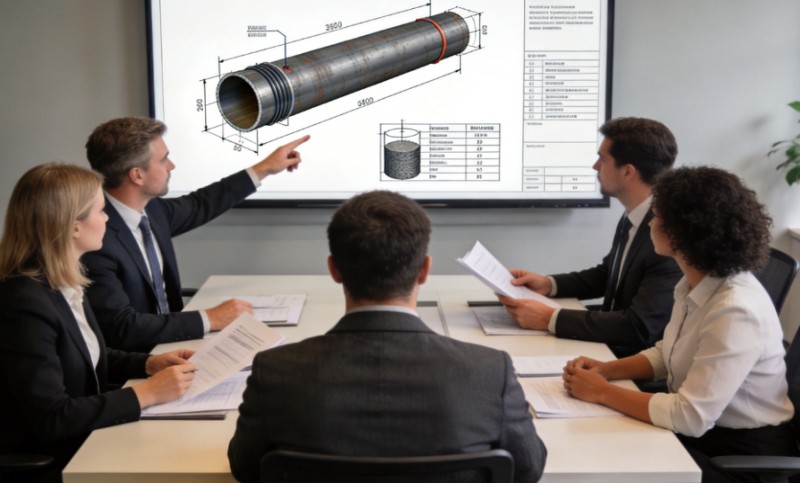
Professional Pickling of Hydraulic Pipes - Advanced Contamination Removal & System Optimization

All Categories

Get a Free Quote

Our representative will contact you soon.
Email
Mobile/WhatsApp
Name
Company Name
Message
0/1000

pickling of hydraulic pipes

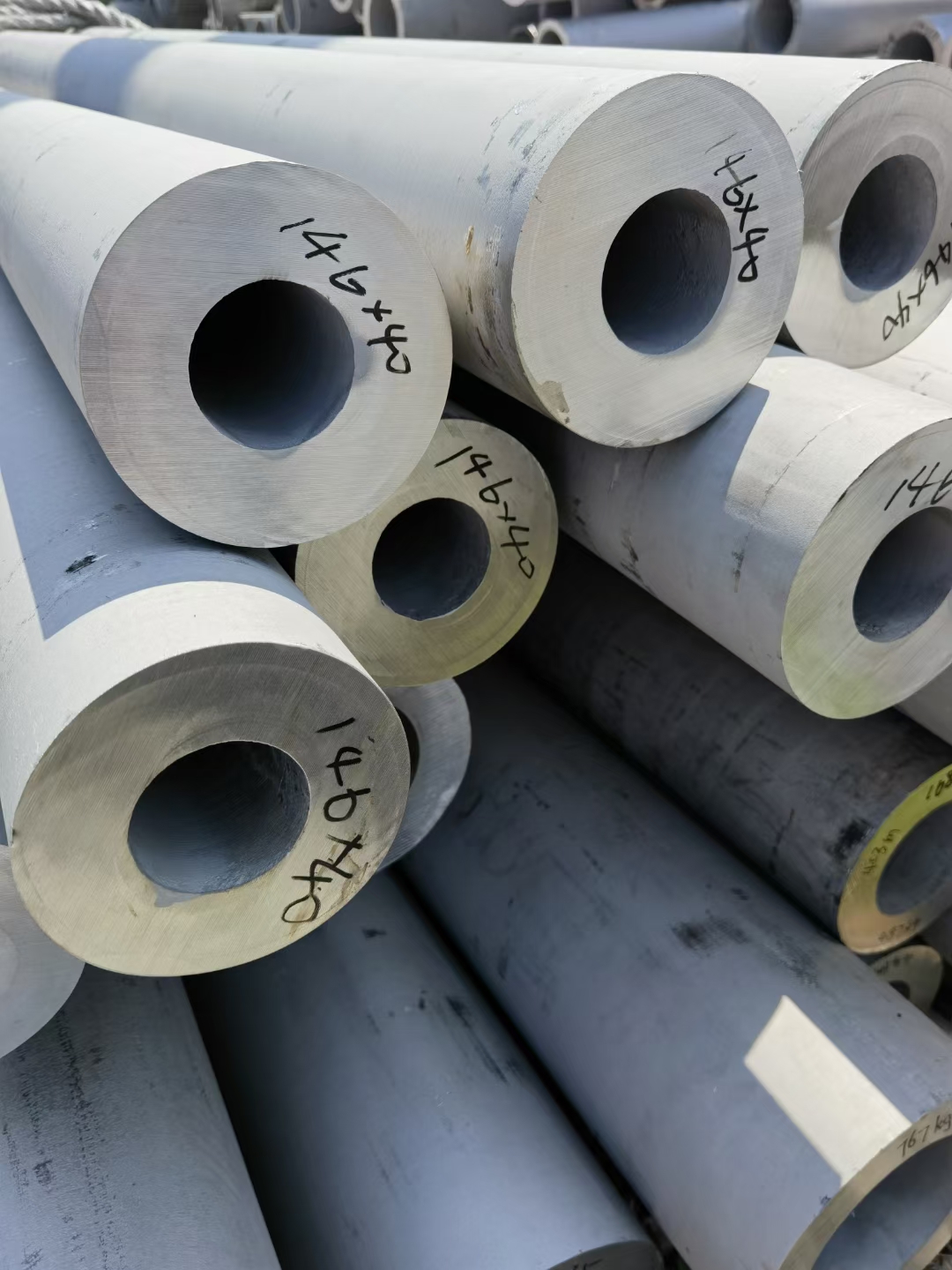
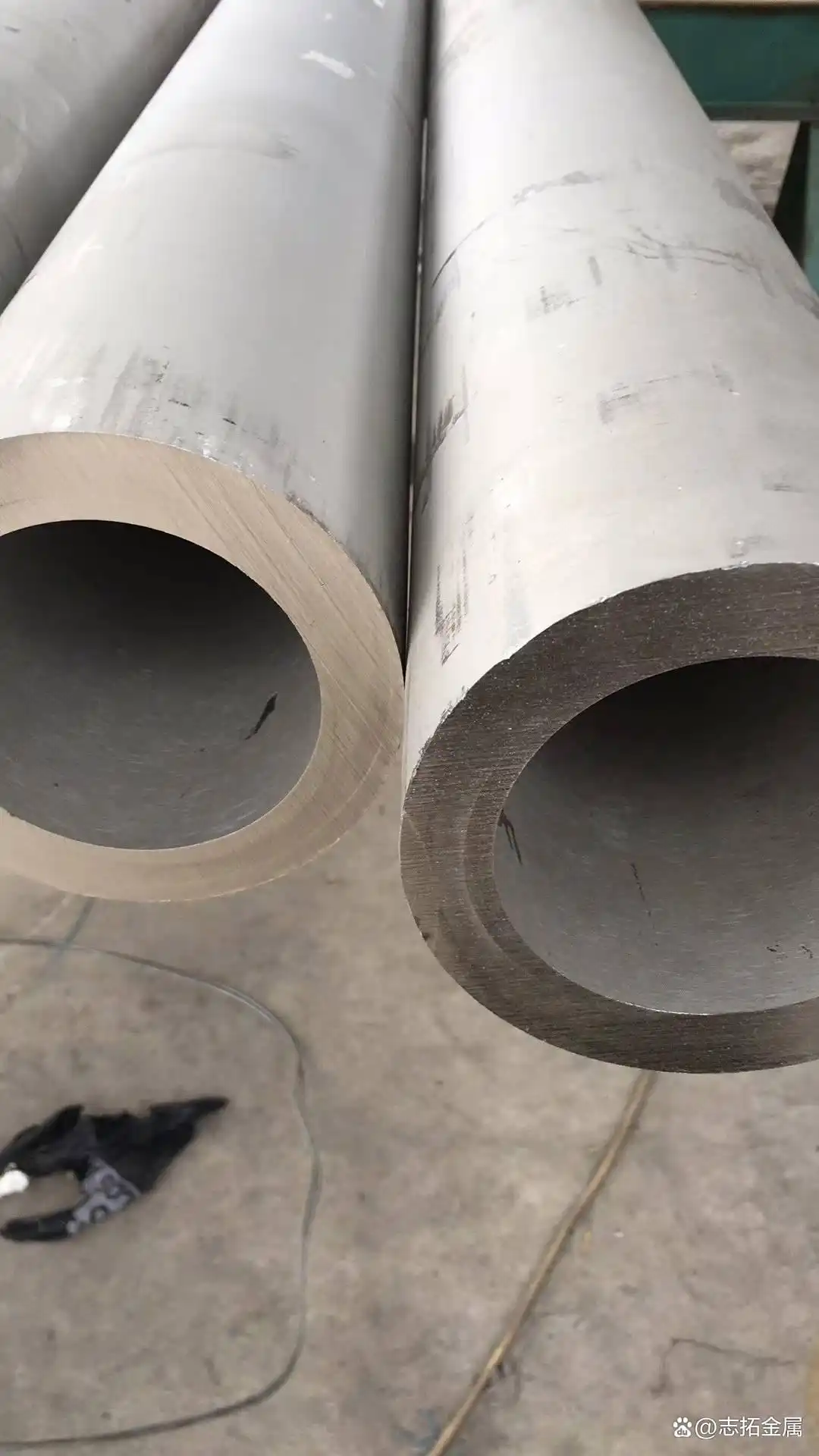
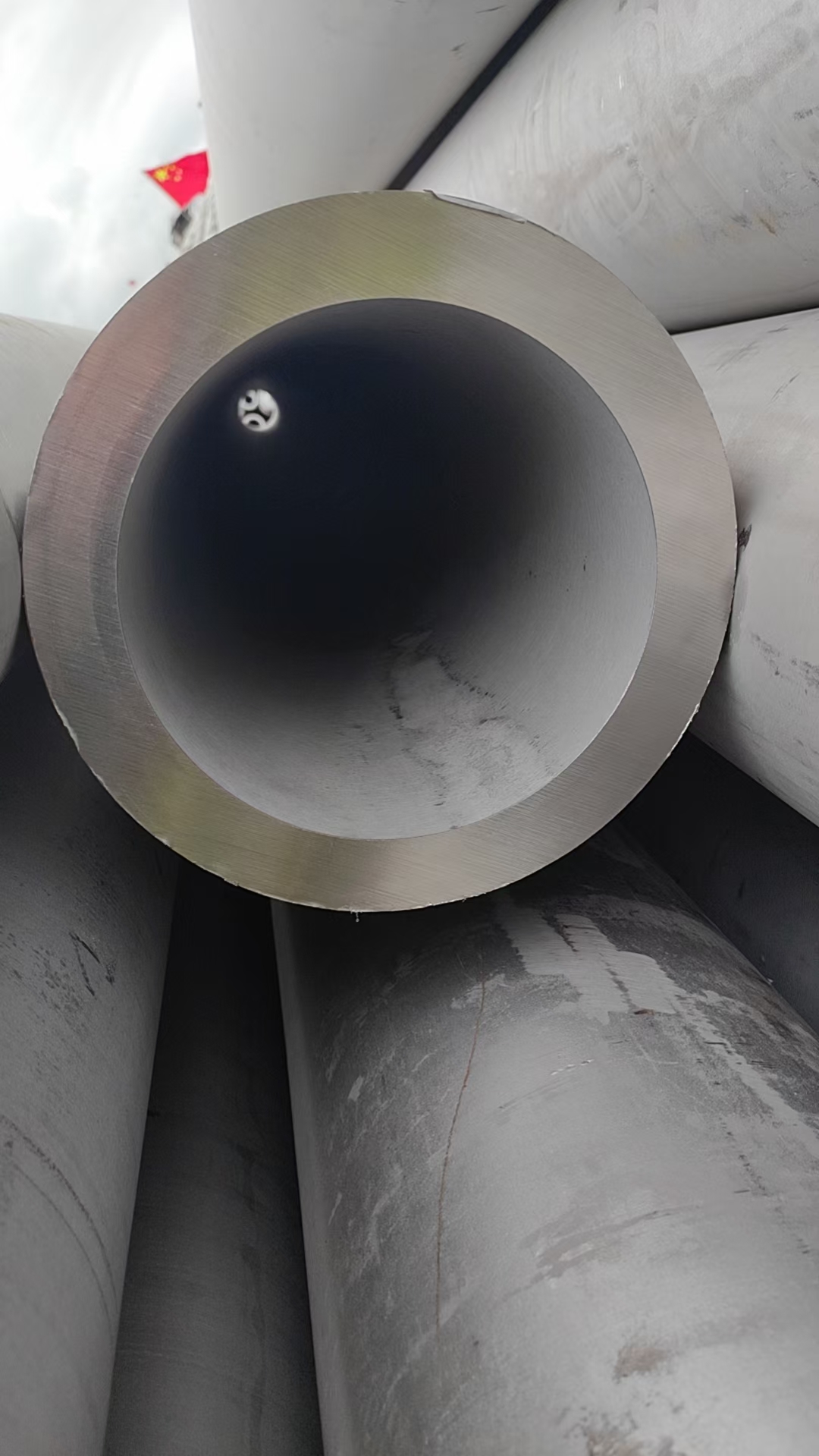
The pickling of hydraulic pipes represents a critical surface treatment process that removes oxides, scale, rust, and other contaminants from hydraulic pipe surfaces through chemical cleaning methods. This specialized procedure utilizes acid-based solutions to eliminate unwanted surface deposits that can compromise the performance and longevity of hydraulic systems. The pickling of hydraulic pipes serves multiple essential functions in manufacturing and maintenance operations, ensuring optimal fluid flow characteristics and preventing system failures caused by contamination. The primary technological features of the pickling of hydraulic pipes include controlled chemical reactions that dissolve surface impurities while preserving the base metal integrity. Advanced pickling processes employ specific acid concentrations, temperature controls, and immersion times tailored to different pipe materials and contamination levels. Modern pickling of hydraulic pipes incorporates safety protocols and environmental considerations, utilizing neutralization systems and waste treatment facilities to manage chemical byproducts responsibly. The process typically involves pre-cleaning, acid treatment, neutralization, and protective coating application stages. Applications of the pickling of hydraulic pipes span across aerospace, automotive, construction machinery, industrial manufacturing, and marine industries where precision hydraulic systems demand exceptional cleanliness standards. Manufacturing facilities rely on the pickling of hydraulic pipes during production to ensure new components meet stringent quality requirements. Maintenance operations utilize this process to restore existing systems and extend service life. The pickling of hydraulic pipes proves particularly valuable for high-pressure applications where even minor contaminants can cause catastrophic failures. Quality control measures during the pickling of hydraulic pipes include surface roughness testing, contamination analysis, and corrosion resistance verification to guarantee optimal results.

New Products

The pickling of hydraulic pipes delivers numerous practical benefits that directly impact operational efficiency and cost savings for businesses across various industries. First and foremost, this process significantly extends the service life of hydraulic components by removing harmful contaminants that cause premature wear and system failures. Companies implementing regular pickling of hydraulic pipes experience reduced maintenance costs and fewer unexpected downtime incidents, translating to improved productivity and profitability. The enhanced cleanliness achieved through the pickling of hydraulic pipes ensures optimal fluid flow characteristics, reducing pressure drops and energy consumption in hydraulic systems. This improved efficiency leads to lower operating costs and enhanced system performance throughout the equipment lifecycle. Quality assurance represents another major advantage of the pickling of hydraulic pipes, as the process eliminates manufacturing residues and surface defects that could compromise system reliability. The standardized cleaning achieved through professional pickling of hydraulic pipes ensures consistent performance across all components, reducing variability in system behavior and improving predictability for maintenance scheduling. Environmental benefits emerge from the pickling of hydraulic pipes through reduced fluid contamination and extended fluid change intervals, minimizing waste disposal costs and environmental impact. The process also enables better adhesion of protective coatings and treatments, enhancing corrosion resistance and further extending component life. Safety improvements result from the pickling of hydraulic pipes as clean systems operate more reliably, reducing the risk of sudden failures that could endanger personnel or damage equipment. Cost-effectiveness becomes evident when considering the prevention of expensive system rebuilds and emergency repairs that contaminated pipes often necessitate. The pickling of hydraulic pipes also facilitates more accurate system diagnostics and troubleshooting by eliminating variables related to contamination, enabling maintenance teams to identify and address genuine mechanical issues more efficiently. Furthermore, compliance with industry standards and regulations becomes easier when implementing systematic pickling of hydraulic pipes, as many safety and quality certifications require specific cleanliness levels that this process reliably achieves.

Practical Tips

Strongwin Stainless Steel Group Achieves ISO 90012015 Certification and AD 2000 Merkblatt Approval

28

Feb

Strongwin Stainless Steel Group Achieves ISO 90012015 Certification and AD 2000 Merkblatt Approval

View More
Strongwin Stainless Steel Group Announces Major Production Capacity Expansion to Meet Growing Global Demand

11

Mar

Strongwin Stainless Steel Group Announces Major Production Capacity Expansion to Meet Growing Global Demand

View More
Strongwin Stainless Steel Group Announces Strategic Partnership with Leading European Engineering Firm

11

Mar

Strongwin Stainless Steel Group Announces Strategic Partnership with Leading European Engineering Firm

View More

Get a Free Quote

Our representative will contact you soon.
Email
Mobile/WhatsApp
Name
Company Name
Message
0/1000

pickling of hydraulic pipes

Superior Contamination Removal Technology

Superior Contamination Removal Technology

The pickling of hydraulic pipes employs advanced chemical cleaning technology that achieves unparalleled contamination removal compared to conventional cleaning methods. This sophisticated process utilizes carefully formulated acid solutions that penetrate microscopic surface irregularities and dissolve stubborn oxides, scale deposits, and manufacturing residues that mechanical cleaning cannot effectively address. The precision-controlled pickling of hydraulic pipes ensures complete removal of contaminants without damaging the underlying base metal, maintaining the structural integrity and dimensional accuracy critical for hydraulic applications. Modern pickling facilities employ multi-stage treatment processes where the pickling of hydraulic pipes progresses through progressively refined cleaning solutions, each targeting specific types of contamination. This systematic approach guarantees thorough decontamination while optimizing chemical usage and processing time. The effectiveness of the pickling of hydraulic pipes stems from its ability to create uniformly clean surfaces with consistent roughness characteristics that promote optimal fluid flow and reduce turbulence-related energy losses. Advanced monitoring systems during the pickling of hydraulic pipes track contamination levels in real-time, ensuring complete cleaning while preventing over-processing that could compromise surface quality. The chemical reactions involved in the pickling of hydraulic pipes are precisely controlled through temperature regulation, solution concentration management, and immersion time optimization, resulting in predictable and repeatable cleaning outcomes. Quality verification protocols integrated into the pickling of hydraulic pipes include microscopic surface analysis, contamination particle counting, and surface energy measurements that confirm achievement of specified cleanliness standards. This comprehensive contamination removal capability makes the pickling of hydraulic pipes indispensable for high-performance hydraulic systems where even trace contamination can cause system malfunctions, component damage, or safety hazards. The superior cleaning achieved through professional pickling of hydraulic pipes enables hydraulic systems to operate at peak efficiency while minimizing maintenance requirements and extending operational lifespan significantly.
Enhanced System Reliability and Performance

Enhanced System Reliability and Performance

The pickling of hydraulic pipes fundamentally transforms system reliability by creating optimal internal surface conditions that promote consistent fluid flow characteristics and prevent contamination-related failures throughout the operational lifecycle. This enhanced reliability stems from the elimination of surface irregularities and contaminants that typically cause pressure fluctuations, flow restrictions, and accelerated component wear in hydraulic systems. Professional pickling of hydraulic pipes ensures uniform surface preparation that enables predictable system behavior, allowing engineers to design more efficient hydraulic circuits with greater confidence in performance parameters. The improved surface quality achieved through the pickling of hydraulic pipes reduces friction coefficients within the piping system, leading to measurable improvements in energy efficiency and reduced heat generation during operation. System performance enhancements resulting from the pickling of hydraulic pipes include more responsive actuator movements, improved pressure regulation accuracy, and enhanced overall system precision that directly benefits end-user applications. Reliability improvements manifest through extended service intervals between maintenance procedures, as the superior cleanliness achieved by the pickling of hydraulic pipes prevents accumulation of wear debris and contamination that typically necessitate frequent system servicing. The consistent surface conditions created by the pickling of hydraulic pipes also enable more effective lubrication distribution throughout the system, reducing wear rates and extending component life significantly. Performance monitoring data from systems utilizing properly pickled pipes consistently demonstrates improved efficiency metrics, including reduced energy consumption, lower operating temperatures, and enhanced response times compared to systems with conventionally cleaned components. The reliability benefits of the pickling of hydraulic pipes extend beyond immediate performance improvements to include enhanced diagnostic capabilities, as clean systems provide clearer indications of genuine mechanical issues without contamination-related interference. Long-term performance studies validate that the pickling of hydraulic pipes contributes to predictable degradation patterns that facilitate proactive maintenance scheduling and prevent unexpected failures that could disrupt critical operations.
Cost-Effective Maintenance Solutions

Cost-Effective Maintenance Solutions

The pickling of hydraulic pipes represents an exceptionally cost-effective maintenance solution that delivers substantial return on investment through reduced operational expenses, extended equipment life, and minimized downtime across industrial applications. Economic benefits begin with the significant reduction in maintenance frequency required for hydraulic systems utilizing properly pickled pipes, as the superior cleanliness prevents accelerated wear and contamination buildup that typically necessitates frequent interventions. Comprehensive cost analysis demonstrates that the pickling of hydraulic pipes reduces total maintenance expenses by up to sixty percent over typical equipment lifecycles through prevention of expensive component replacements and system rebuilds. The process eliminates the need for frequent hydraulic fluid changes by maintaining system cleanliness that prevents fluid degradation, resulting in substantial savings on fluid costs and disposal fees. Emergency repair costs decrease dramatically when implementing regular pickling of hydraulic pipes, as the improved system reliability prevents unexpected failures that often require expensive overtime labor and expedited parts procurement. Production efficiency gains from the pickling of hydraulic pipes translate to measurable financial benefits through reduced equipment downtime and improved manufacturing throughput rates. Energy cost savings emerge from the enhanced flow characteristics achieved through the pickling of hydraulic pipes, as cleaner internal surfaces reduce pumping requirements and overall system power consumption. The extended service life realized through systematic pickling of hydraulic pipes delays capital equipment replacement expenses, providing significant savings on major hydraulic system investments. Quality improvements resulting from the pickling of hydraulic pipes reduce warranty claims and customer complaints in manufacturing environments, protecting brand reputation and avoiding costly product recalls or rework procedures. Insurance benefits may be available for facilities implementing comprehensive pickling of hydraulic pipes programs, as many insurers recognize the reduced risk of catastrophic system failures and associated property damage. Training and certification costs associated with the pickling of hydraulic pipes are minimal compared to the extensive technical knowledge required for managing contaminated systems, simplifying workforce development requirements while improving operational reliability and reducing the total cost of ownership for hydraulic equipment across all industrial applications.

Get a Free Quote

Our representative will contact you soon.
Email
Mobile/WhatsApp
Name
Company Name
Message
0/1000