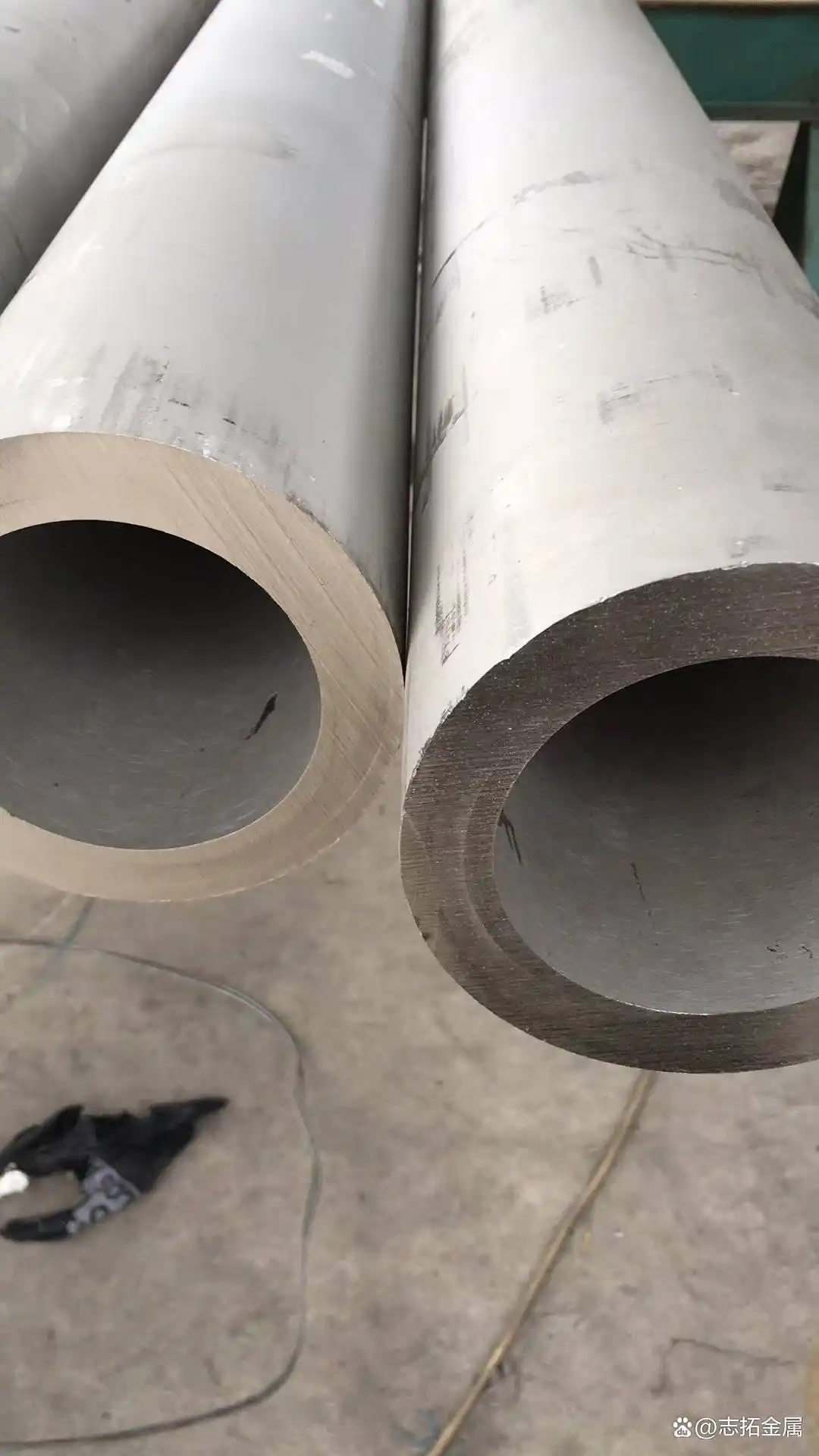
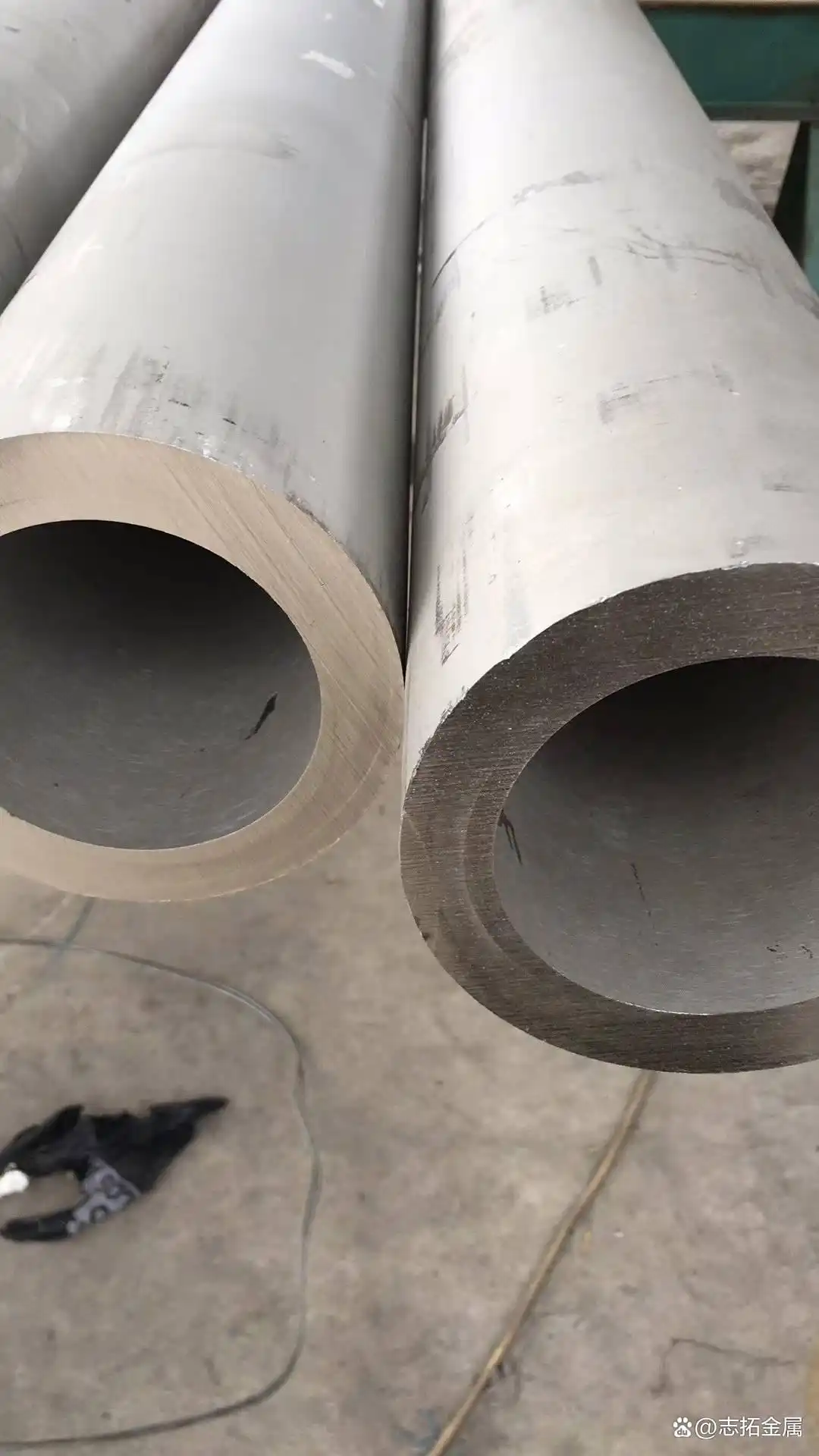
pickling of hydraulic pipes
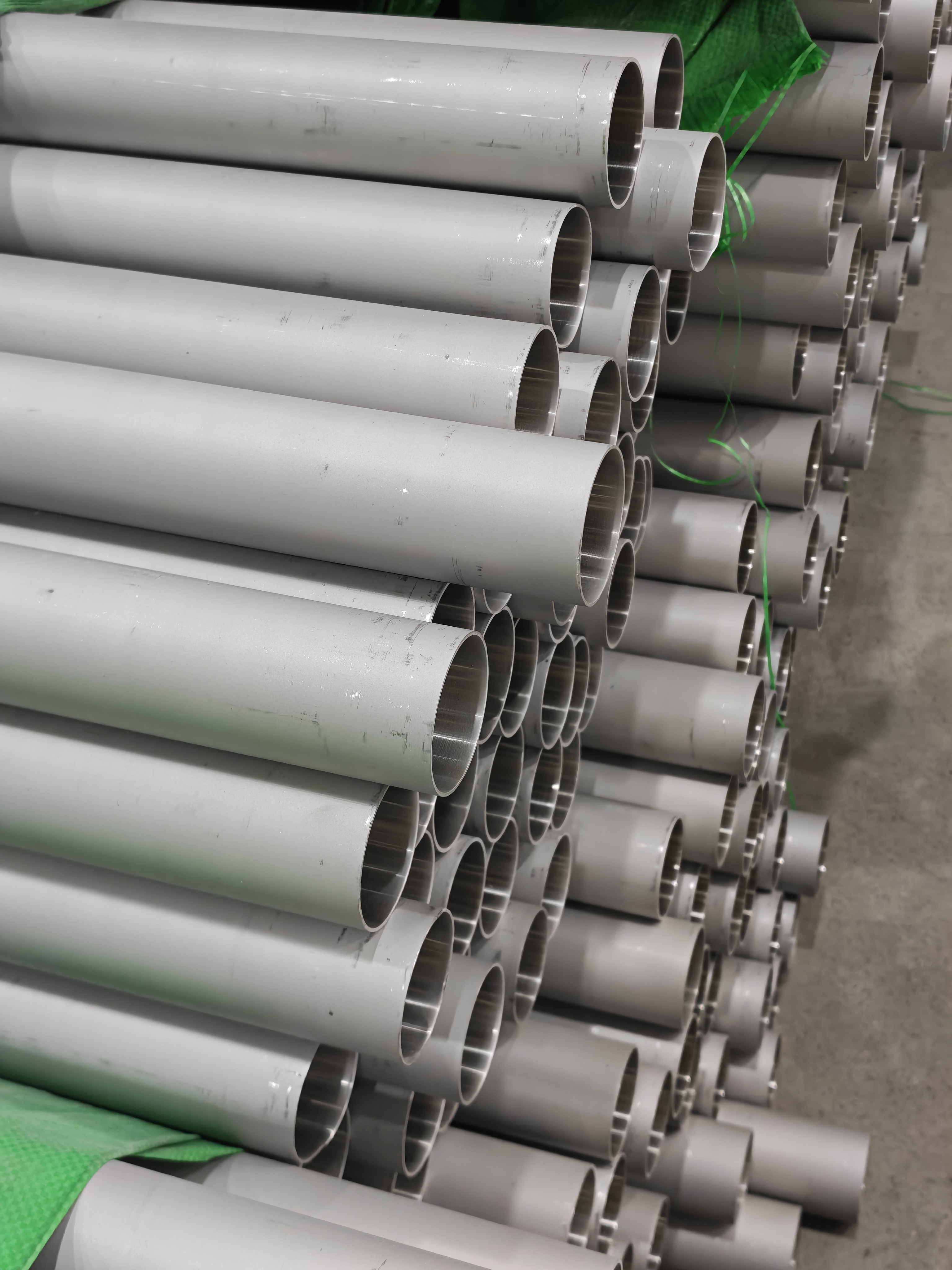
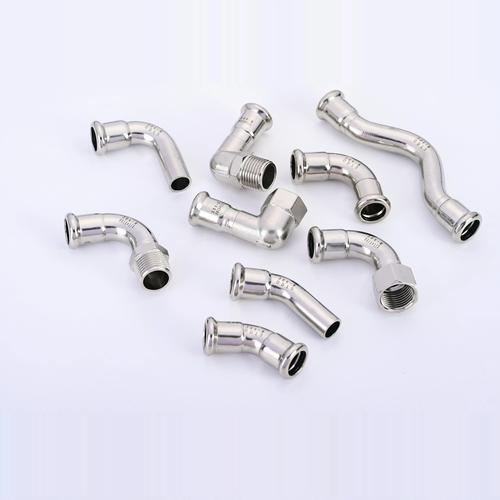
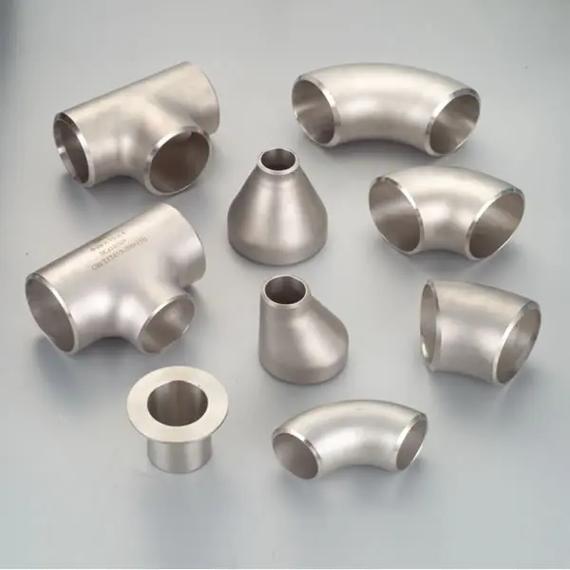
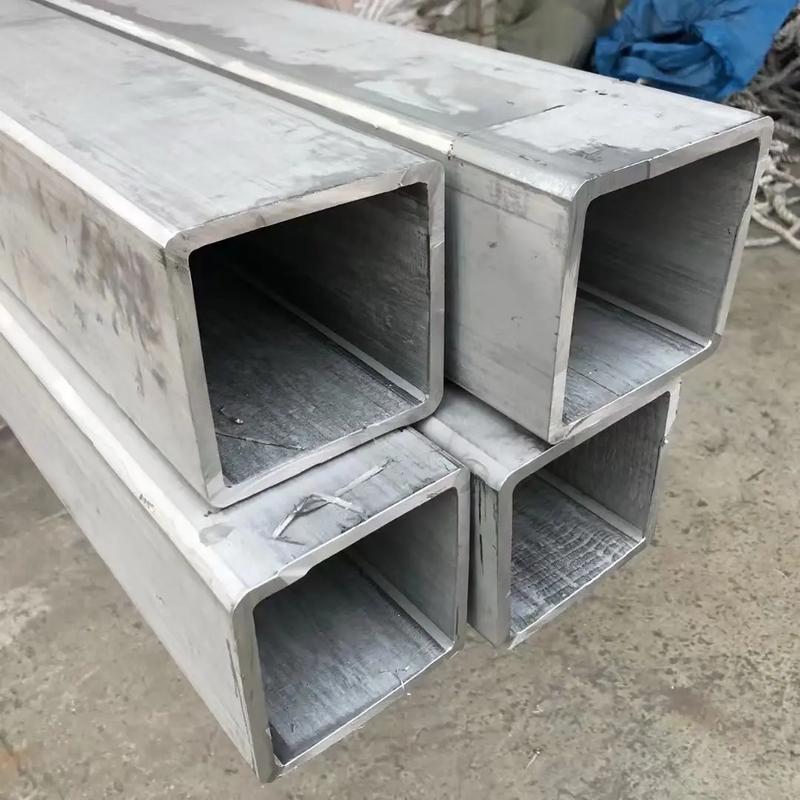
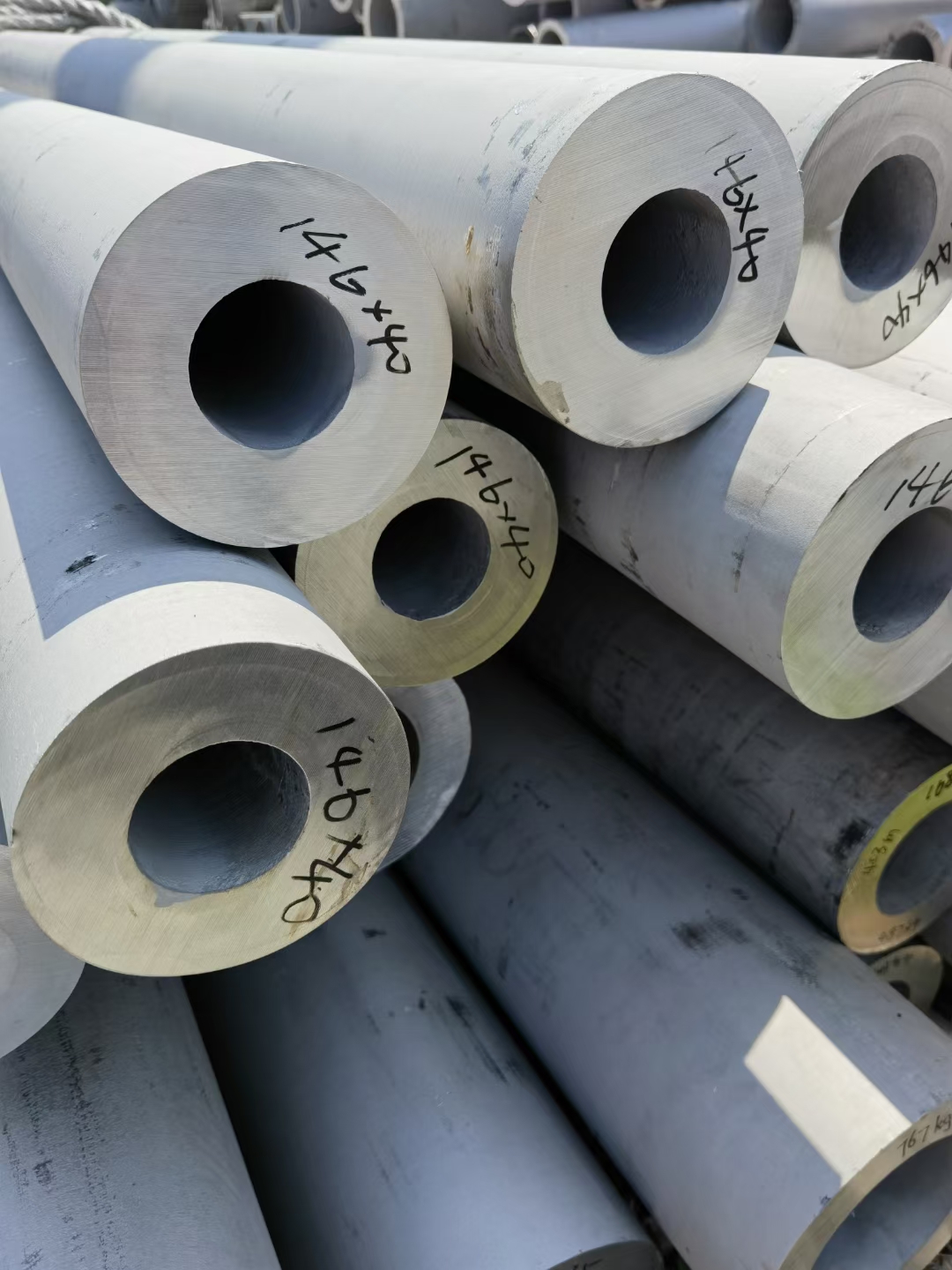
Pickling of hydraulic pipes represents a critical surface treatment process designed to remove oxidation, mill scale, and contaminants from metal tubing surfaces. This specialized procedure involves immersing hydraulic pipes in chemical solutions that dissolve unwanted deposits, revealing clean metal underneath. The pickling of hydraulic pipes ensures optimal performance and longevity of hydraulic systems by eliminating corrosive elements that compromise pipe integrity.
The technological features of pickling of hydraulic pipes include controlled acid immersion, precise temperature management, and neutralization stages. Modern facilities employ automated systems to regulate chemical concentrations and exposure times, guaranteeing consistent results across all treated components. Advanced rinse mechanisms remove residual acids completely, preventing future corrosion on hydraulic pipes.
Applications for pickling of hydraulic pipes span multiple industries including aerospace, automotive, manufacturing, and energy sectors. Heavy equipment manufacturers rely on this process to prepare pipes before assembly into complex hydraulic systems. The procedure proves essential for high-pressure applications where system reliability determines operational success.
Pickling of hydraulic pipes improves surface quality, enhances adhesion for protective coatings, and extends component lifespan significantly. The process transforms compromised surfaces into pristine metal ready for demanding industrial environments. Understanding this treatment method helps procurement professionals select properly prepared components for critical hydraulic installations.
 EN
EN