aeris ferri 304 contra 306
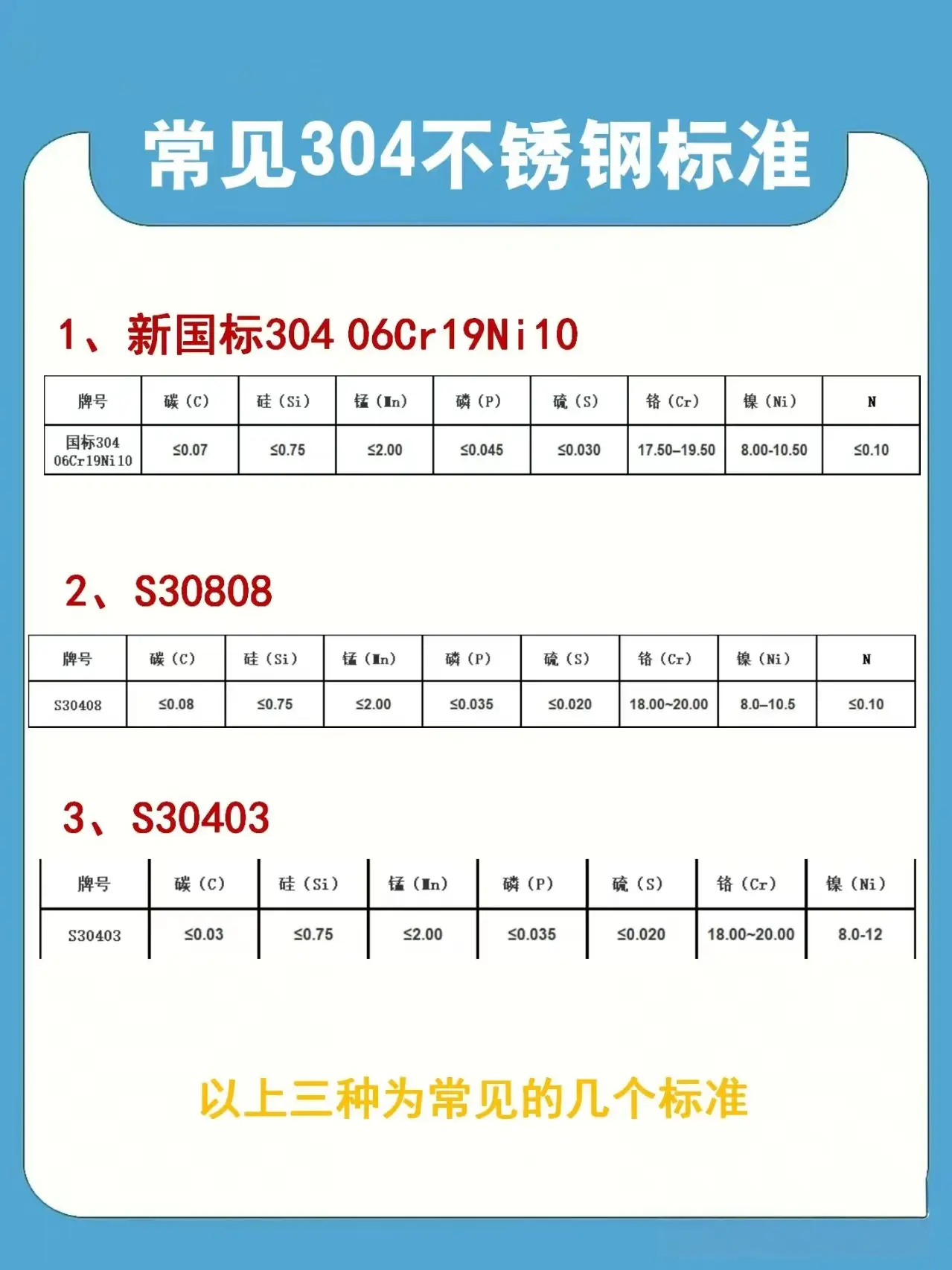
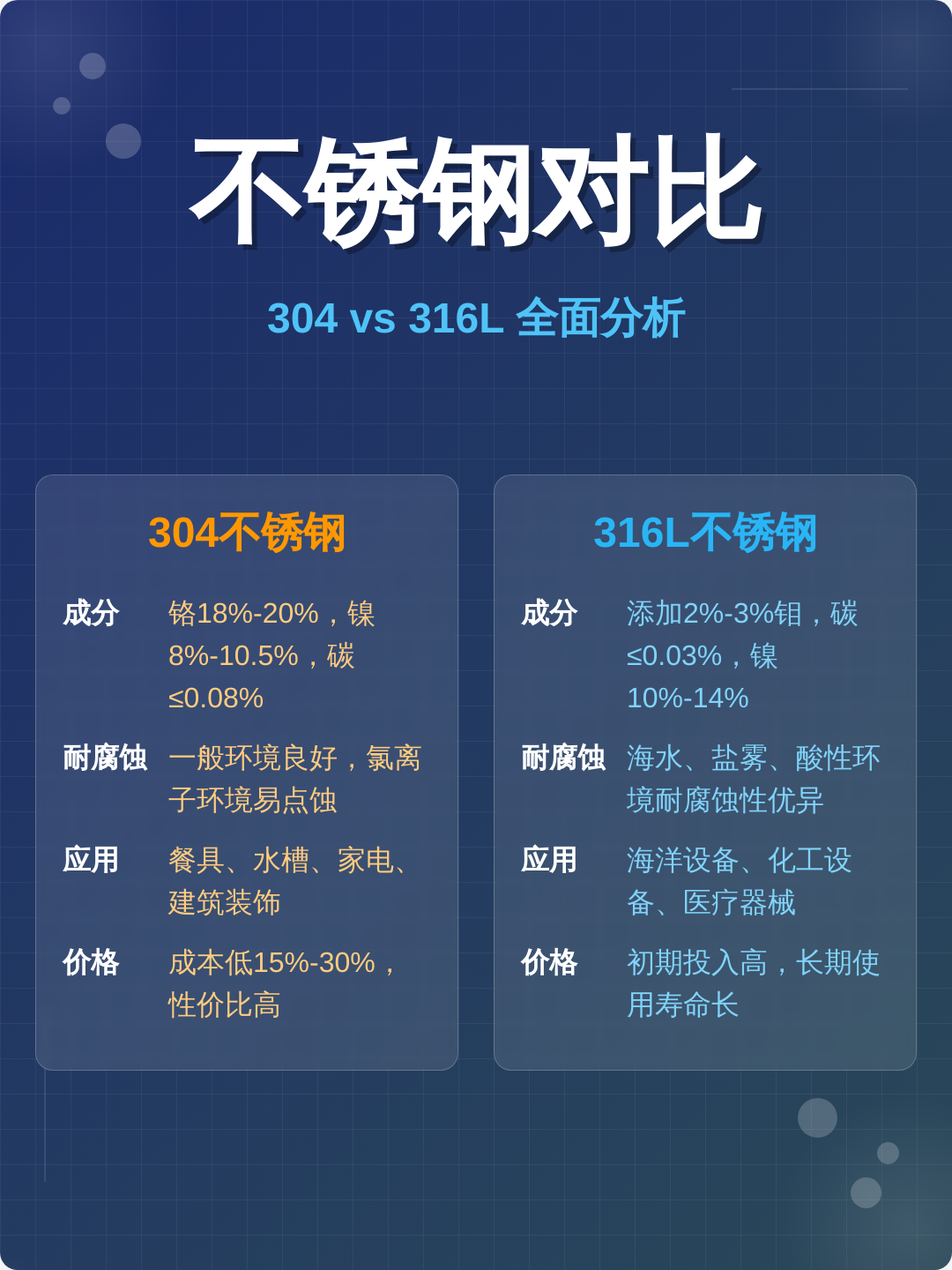
Austenitic stainless steel grades 304 and 306 are two widely used variants serving distinct industrial needs. Recognizing the differences between these materials enables manufacturers and engineers to choose the most suitable option for their specific applications. Stainless steel 304 remains the most commonly used austenitic stainless steel worldwide. It contains approximately 18% chromium and 8% nickel, delivering excellent corrosion resistance in most environments. This grade performs well in general-purpose applications where moderate corrosion resistance is sufficient. In the comparison of stainless steel 304 versus 306, grade 304 stands out for its superior workability and cost-effectiveness—making it ideal for food processing equipment, architectural components, and chemical containers. Stainless steel 306, by contrast, features a higher nickel content and added molybdenum, significantly improving its resistance to pitting corrosion. When comparing stainless steel 304 and 306, one finds that grade 306 excels in chloride-rich and acidic environments. This grade is suited for applications requiring enhanced durability under aggressive conditions. The stainless steel 304 vs 306 comparison shows that both grades exhibit excellent weldability and formability. However, differences in their chemical composition result in distinct performance characteristics. Selecting between stainless steel 304 and 306 depends on environmental exposure, budget limitations, and long-term durability requirements. Engineers typically choose 304 for standard applications, while reserving 306 for highly corrosive environments demanding premium protection and extended service life.
 EN