Stainless Steel 304 vs 306: Complete Comparison Guide for Material Selection

All Categories

Get a Free Quote

Our representative will contact you soon.
Email
Mobile/WhatsApp
Name
Company Name
Message
0/1000

stainless steel 304 vs 306

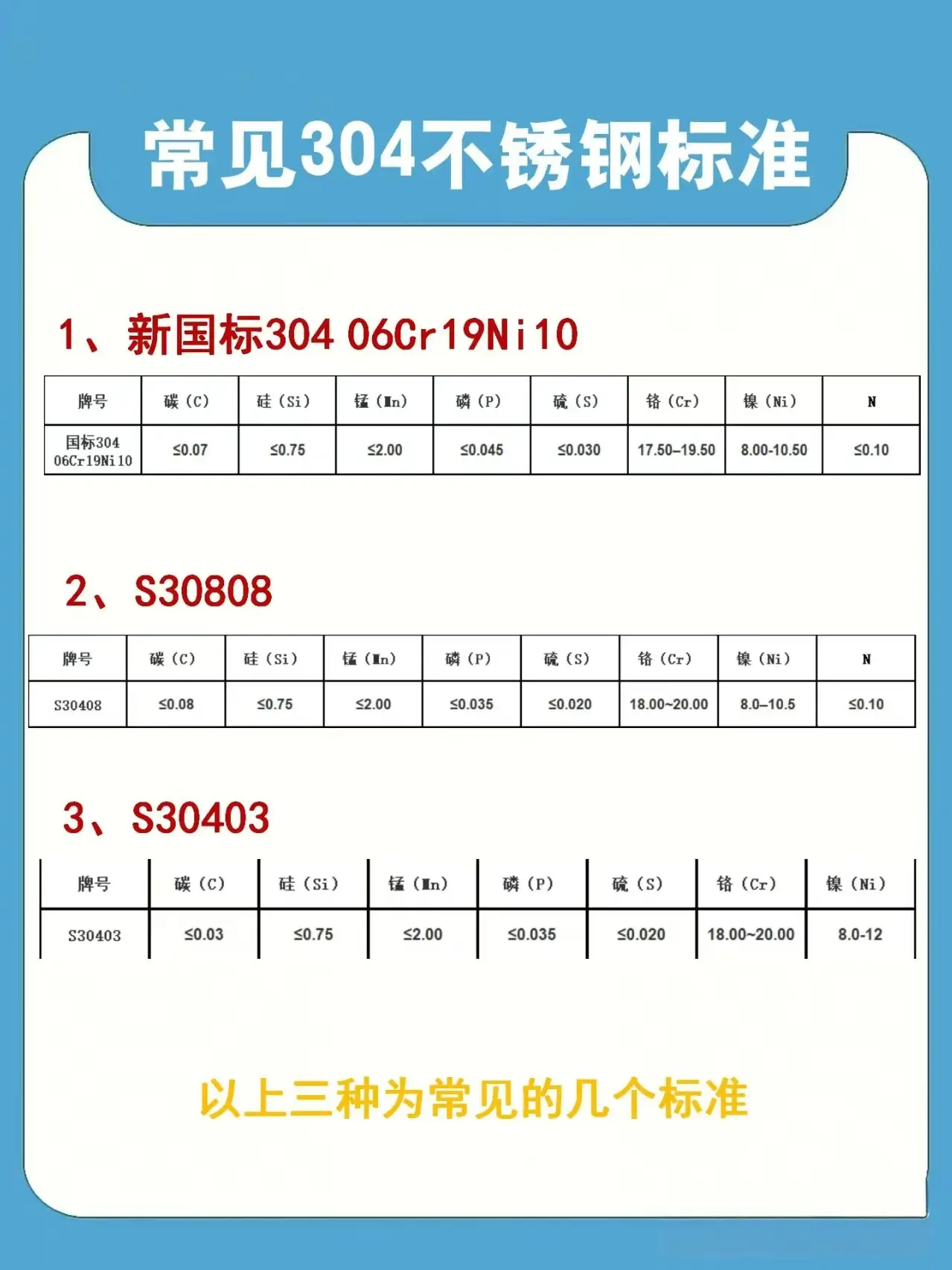
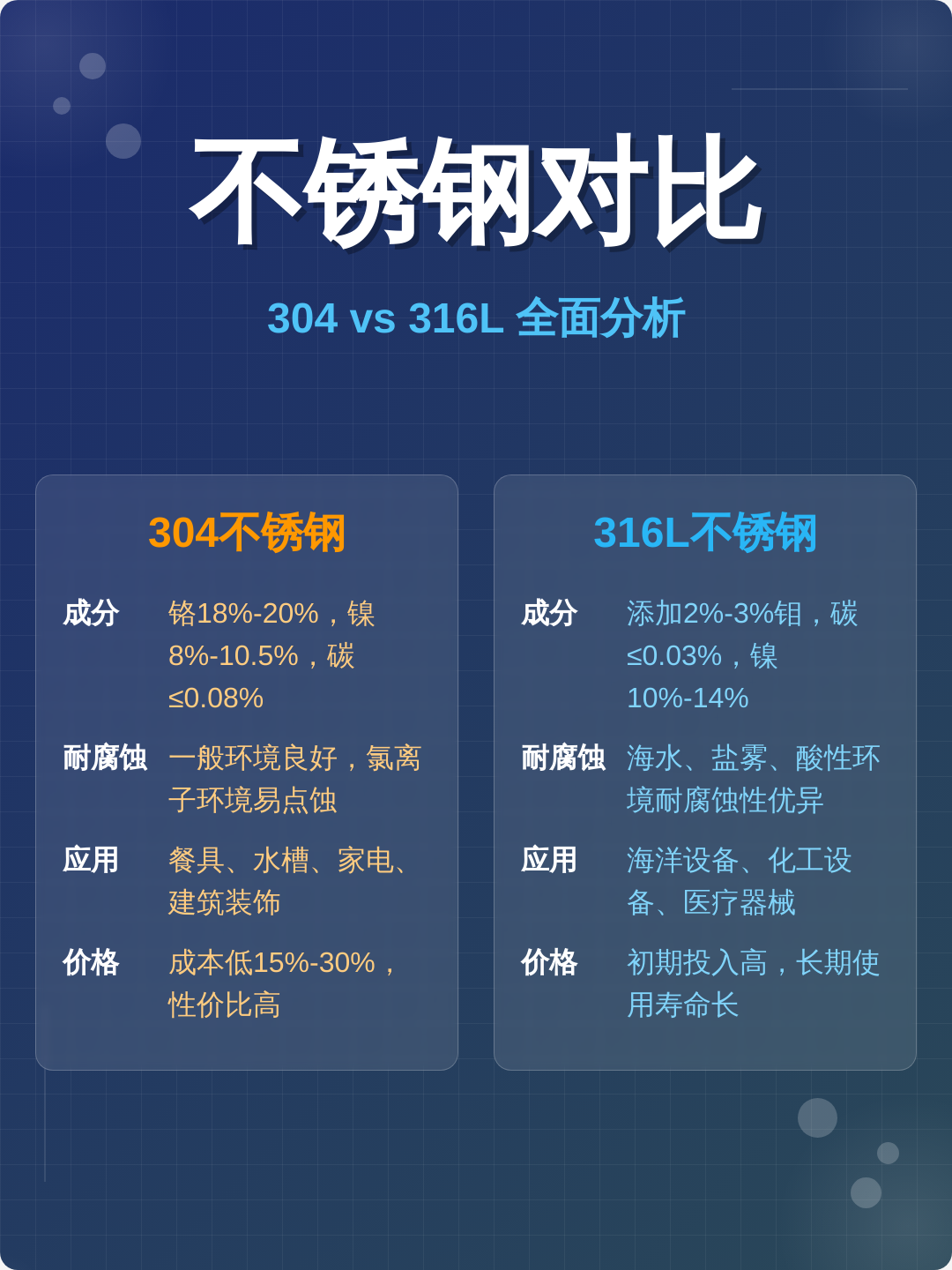
Understanding the differences between stainless steel 304 vs 306 is crucial for making informed decisions in material selection for various industrial and commercial applications. While stainless steel 304 is widely recognized as the most common austenitic grade, stainless steel 306 represents a specialized variant with enhanced properties for specific demanding environments. Both alloys belong to the chromium-nickel austenitic family, offering excellent corrosion resistance and mechanical properties. Stainless steel 304 contains approximately 18-20% chromium and 8-10.5% nickel, providing outstanding general-purpose corrosion resistance. Its main functions include structural applications, food processing equipment, architectural elements, and chemical processing components. The technological features of 304 include good formability, weldability, and moderate strength characteristics that make it suitable for a broad range of manufacturing processes. In contrast, stainless steel 306 incorporates higher nickel content and additional alloying elements that significantly enhance its performance in aggressive chemical environments. The comparison of stainless steel 304 vs 306 reveals that while 304 serves as an excellent general-purpose grade, 306 offers superior resistance to chloride stress corrosion cracking and enhanced durability in marine environments. Applications for these materials span across industries including automotive, aerospace, pharmaceutical manufacturing, and marine engineering. The technological advancement in stainless steel 306 includes improved metallurgical stability and enhanced resistance to pitting and crevice corrosion. Manufacturing processes for both grades utilize similar techniques, though 306 may require specialized handling due to its enhanced alloy composition. When evaluating stainless steel 304 vs 306, factors such as environmental conditions, mechanical requirements, and cost considerations play pivotal roles in material selection decisions.

Popular Products

The practical benefits of stainless steel 304 vs 306 comparison reveal distinct advantages that cater to different operational requirements and budget considerations. Stainless steel 304 offers exceptional cost-effectiveness for general applications, making it the preferred choice for projects where standard corrosion resistance meets operational demands. This grade provides reliable performance in typical atmospheric conditions, food service environments, and mild chemical exposures without requiring premium investment. The manufacturing advantages include excellent machinability, forming characteristics, and welding properties that reduce production costs and simplify fabrication processes. Maintenance requirements for 304 remain minimal, requiring only routine cleaning and inspection protocols that keep operational expenses low throughout its service life. The availability of stainless steel 304 in various forms including sheets, bars, tubes, and custom profiles ensures flexibility in design applications while maintaining competitive pricing structures. Conversely, stainless steel 306 delivers superior performance advantages in challenging environments where standard grades fail to meet durability requirements. The enhanced nickel content in 306 provides exceptional resistance to chloride-induced corrosion, making it ideal for coastal installations, chemical processing facilities, and pharmaceutical manufacturing where contamination risks must be minimized. The extended service life of stainless steel 306 in aggressive environments translates to reduced replacement costs and decreased downtime for critical operations. When analyzing stainless steel 304 vs 306, the decision often centers on balancing initial investment against long-term operational costs. For applications requiring moderate corrosion resistance, 304 provides optimal value through its proven performance record and widespread availability. However, when operational conditions involve exposure to harsh chemicals, salt water, or extreme temperatures, the investment in stainless steel 306 proves economical through extended equipment life and reduced maintenance interventions. The fabrication advantages of both grades include compatibility with standard welding techniques, though 306 may require specialized filler materials to maintain its enhanced corrosion resistance properties.

Latest News

Strongwin Stainless Steel Group Achieves ISO 90012015 Certification and AD 2000 Merkblatt Approval

28

Feb

Strongwin Stainless Steel Group Achieves ISO 90012015 Certification and AD 2000 Merkblatt Approval

View More
Strongwin Stainless Steel Group Announces Major Production Capacity Expansion to Meet Growing Global Demand

11

Mar

Strongwin Stainless Steel Group Announces Major Production Capacity Expansion to Meet Growing Global Demand

View More
Strongwin Stainless Steel Group Announces Strategic Partnership with Leading European Engineering Firm

11

Mar

Strongwin Stainless Steel Group Announces Strategic Partnership with Leading European Engineering Firm

View More

Get a Free Quote

Our representative will contact you soon.
Email
Mobile/WhatsApp
Name
Company Name
Message
0/1000

stainless steel 304 vs 306

Superior Corrosion Resistance Performance

Superior Corrosion Resistance Performance

The corrosion resistance capabilities represent the most significant differentiating factor when comparing stainless steel 304 vs 306, with each grade offering distinct performance characteristics tailored to specific environmental challenges. Stainless steel 304 provides excellent general corrosion resistance suitable for atmospheric conditions, mild acids, and typical industrial environments. Its chromium content forms a protective passive layer that self-heals when damaged, ensuring consistent protection against oxidation and general corrosion. However, stainless steel 306 elevates corrosion resistance to exceptional levels through its enhanced alloy composition, particularly in chloride-rich environments where standard grades experience stress corrosion cracking. The increased nickel content in 306 creates a more stable austenitic structure that resists localized corrosion mechanisms including pitting and crevice corrosion. This superior resistance proves invaluable in marine applications, chemical processing facilities, and pharmaceutical manufacturing where product purity cannot be compromised. The electrochemical properties of stainless steel 306 demonstrate significantly higher pitting resistance equivalent numbers compared to 304, indicating enhanced performance in aggressive chloride solutions. Field testing has consistently shown that while 304 performs adequately in moderate environments, 306 maintains structural integrity and surface quality even after prolonged exposure to harsh conditions. This corrosion resistance advantage translates directly to extended equipment service life, reduced maintenance costs, and improved operational reliability. Industries processing corrosive chemicals, operating in coastal environments, or requiring ultra-clean conditions benefit substantially from the enhanced protection offered by stainless steel 306. The value proposition becomes particularly compelling when considering the total cost of ownership, as the initial premium for 306 is often offset by reduced replacement frequency and lower maintenance requirements over the equipment lifecycle.
Enhanced Mechanical Properties and Durability

Enhanced Mechanical Properties and Durability

The mechanical properties comparison between stainless steel 304 vs 306 reveals significant differences in strength, toughness, and long-term durability characteristics that influence material selection for demanding applications. Stainless steel 304 offers good mechanical properties including tensile strength of approximately 515-620 MPa and yield strength of 205-310 MPa, making it suitable for structural applications requiring moderate strength requirements. Its ductility and formability characteristics enable complex forming operations while maintaining dimensional stability throughout manufacturing processes. However, stainless steel 306 demonstrates superior mechanical properties through its optimized alloy composition, achieving higher strength levels while maintaining excellent ductility and impact resistance. The enhanced nickel content contributes to improved toughness at both ambient and elevated temperatures, making 306 particularly valuable for applications involving thermal cycling or mechanical stress. Fatigue resistance represents another crucial advantage of stainless steel 306, with testing demonstrating superior performance under cyclic loading conditions compared to standard 304 grade. This enhanced fatigue life proves essential for components experiencing repeated stress cycles, such as pressure vessels, pumps, and rotating equipment. The creep resistance of stainless steel 306 at elevated temperatures exceeds that of 304, enabling reliable operation in high-temperature applications without significant deformation over time. Work hardening characteristics differ between these grades, with 306 maintaining better formability even after cold working operations that typically increase hardness in standard austenitic grades. The dimensional stability of stainless steel 306 under thermal stress provides additional reliability for precision applications where maintaining tight tolerances remains critical. These enhanced mechanical properties translate to improved component reliability, extended service intervals, and reduced risk of unexpected failures in critical applications. The durability advantages become particularly important in infrastructure applications, pressure containment systems, and precision manufacturing equipment where component failure could result in significant operational disruptions or safety concerns.
Cost-Effectiveness and Application Versatility

Cost-Effectiveness and Application Versatility

The economic considerations and application flexibility represent crucial factors when evaluating stainless steel 304 vs 306, as material selection decisions must balance performance requirements with budget constraints and operational objectives. Stainless steel 304 provides exceptional cost-effectiveness for general-purpose applications, offering proven performance at competitive pricing that makes it accessible for a wide range of projects from architectural elements to food processing equipment. Its widespread availability and established supply chains ensure consistent pricing and reliable delivery schedules that support project planning and budget management. The fabrication costs for 304 remain relatively low due to its excellent machinability and welding characteristics, reducing manufacturing expenses while maintaining quality standards. Stainless steel 306, while commanding a premium price, delivers superior value in specialized applications where its enhanced properties prevent costly failures or extend service life significantly. The initial investment in 306 becomes economically justified when considering reduced maintenance costs, extended replacement intervals, and improved operational reliability in challenging environments. Application versatility represents another significant advantage in the stainless steel 304 vs 306 comparison, with both grades offering adaptability to various manufacturing processes and end-use requirements. Stainless steel 304 serves effectively across industries including construction, automotive, appliances, and general manufacturing where standard corrosion resistance meets operational demands. Its compatibility with standard fabrication techniques makes it ideal for custom applications and prototype development where design flexibility remains important. Stainless steel 306 excels in specialized applications including pharmaceutical equipment, marine hardware, chemical processing vessels, and precision instruments where superior performance justifies the additional investment. The versatility of both grades extends to various forms including sheet, plate, bar, tube, and wire products that accommodate different manufacturing requirements. Surface finishes ranging from mill finish to mirror polish provide aesthetic and functional options for architectural and decorative applications. The long-term economic benefits of stainless steel 306 in appropriate applications often exceed those of 304 when calculated over complete equipment lifecycles, making it the preferred choice for critical applications where reliability cannot be compromised.

Get a Free Quote

Our representative will contact you soon.
Email
Mobile/WhatsApp
Name
Company Name
Message
0/1000