For seawater cooling circuits in coastal power plants, standard 316L stainless steel usually is not enough; warm, chloride-laden, biofouling seawater calls for higher-alloy materials such as duplex 2205, 6Mo superaustenitic grades, super duplex 2507, or titanium, chosen against temperature, flow velocity, and chlorination regime. The main threats are chloride-induced pitting and crevice corrosion, microbiologically influenced corrosion under biofilms, and erosion-corrosion at high flow, so the right choice balances corrosion resistance, mechanical strength, and cost against the specific duty of intake lines, condenser tubes, and heat exchangers.
The Seawater Cooling Challenge
Coastal thermal and nuclear plants dump enormous heat loads to the sea, pulling large volumes of seawater through intake structures, screens, pumps, condensers, and discharge lines. Seawater is about as aggressive as industrial fluids get. It carries roughly 19,000 ppm chloride, is fully oxygenated, and is biologically alive, and it often picks up more heat passing through the condenser. Every one of those factors goes after conventional stainless steel.
Three mechanisms dominate. Chlorides break down the passive film to cause pitting and, in gaps, crevice corrosion. Marine organisms settle on surfaces and build biofilms that create oxygen-differential crevices and drive microbiologically influenced corrosion (MIC), which can perforate tubes fast under deposits. And because these systems move water quickly, high velocity strips protective films and abrades the metal in erosion-corrosion, while stagnant zones during outages let deposits and MIC take hold.
Why 316L Often Falls Short
316L, with about 2% molybdenum and a PREN near 24, is excellent in many chloride services but marginal in warm seawater. Its critical pitting temperature in seawater-like chlorides is low, so above modest temperatures it pits, and it is especially exposed to crevice corrosion under gaskets, tube-to-tubesheet joints, and biofouling deposits. In flowing seawater 316L can survive at low temperature in clean conditions, but the combination of warmth, stagnation during shutdowns, and fouling routinely causes failures.
The lesson from decades of coastal operation is to specify seawater service by PREN and crevice resistance, not by general chloride experience. A useful benchmark: reliable resistance to seawater crevice corrosion usually needs a PREN of about 40 or higher, well beyond what 316L offers.
Higher-Alloy Options
Several material families meet the seawater challenge, each with its own niche set by temperature, strength, and budget. Duplex 2205, at roughly 3% molybdenum with nitrogen and a PREN in the mid-30s, offers about twice the strength of austenitic grades and holds up well in cooler or chlorination-controlled seawater, though it can be marginal for warm crevice service. The 6Mo superaustenitic grades, with about 6% molybdenum and 0.2% nitrogen for a PREN above 40, are a proven workhorse for seawater piping and heat exchangers. Super duplex 2507, at about 4% molybdenum with a PREN above 40 and very high strength, suits demanding seawater service including thin-wall, high-pressure lines. Titanium is essentially immune to chloride pitting and remains the traditional pick for condenser tubing, limited mainly by cost and by lower strength and stiffness.
| Material | Approx. PREN | Seawater Suitability | Notes |
| 316L | ~24 | Marginal; cool/clean only | Prone to pitting and crevice attack |
| Duplex 2205 | ~35 | Good with control of temp/chlorination | High strength, cost-effective |
| 6Mo superaustenitic | 40 | Very good for piping and exchangers | Proven seawater workhorse |
| Super duplex 2507 | 40 | Excellent, high strength | Thin-wall, high-pressure lines |
| Titanium | Immune to Cl pitting | Excellent for condenser tubes | High cost; lower stiffness |
Condenser Tubes and Flow Velocity
The condenser is the heart of the cooling circuit, and its thin-walled tubes are the most corrosion-sensitive parts. Titanium and high-alloy stainless tubes have historically replaced copper alloys where chloride and pollution loads run high, because they tolerate the biofouling, chlorination, and velocity a condenser sees.
Flow velocity has to sit inside a window. Too low and deposits, silt, and biofilm settle, promoting under-deposit and microbiologically influenced corrosion; too high and erosion-corrosion strips films from bends, inlets, and tube ends. High-alloy stainless steels like 6Mo and super duplex tolerate higher velocities than copper alloys, often several meters per second, but designers still avoid excessive turbulence at inlets, use smooth transitions, and keep velocity above the minimum needed to stop settling. Intermittent or continuous chlorination controls biofouling, but the chosen alloy has to resist the resulting oxidizing chloride conditions, which again points to high-PREN materials.
Design and Operating Practice
Material choice is only part of reliability. Minimize crevices with full-penetration welds, well-seated gaskets, and properly rolled or welded tube-to-tubesheet joints, because even the best alloys have a crevice temperature limit. Design systems to drain and flush with fresh water during outages so stagnant seawater cannot concentrate chlorides and feed MIC. Cathodic protection and a sensible chlorination regime extend life, and dissimilar-metal galvanic couples have to be avoided or managed, since pairing a high-alloy component with a less noble metal in seawater can corrode the latter fast.
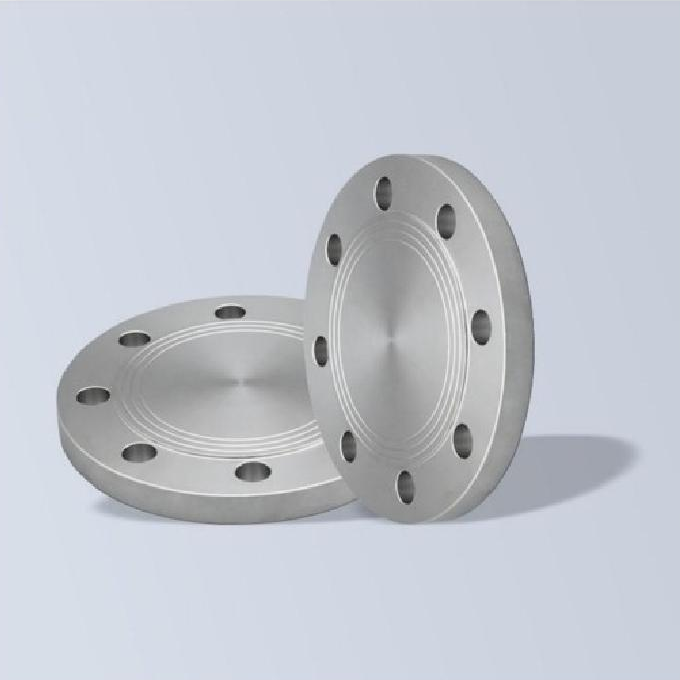
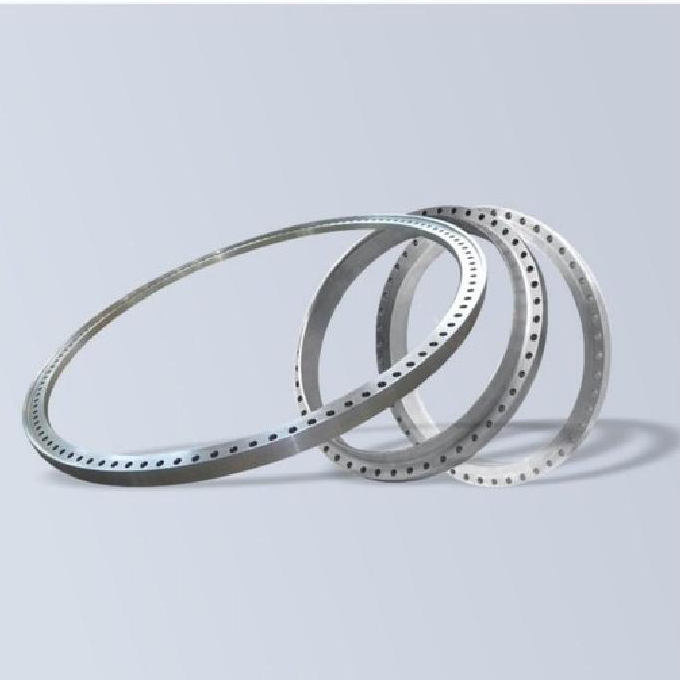
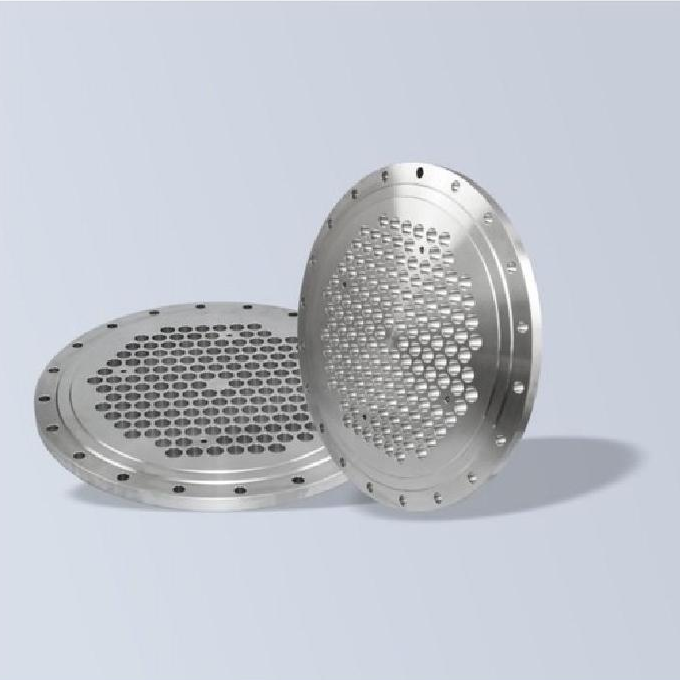
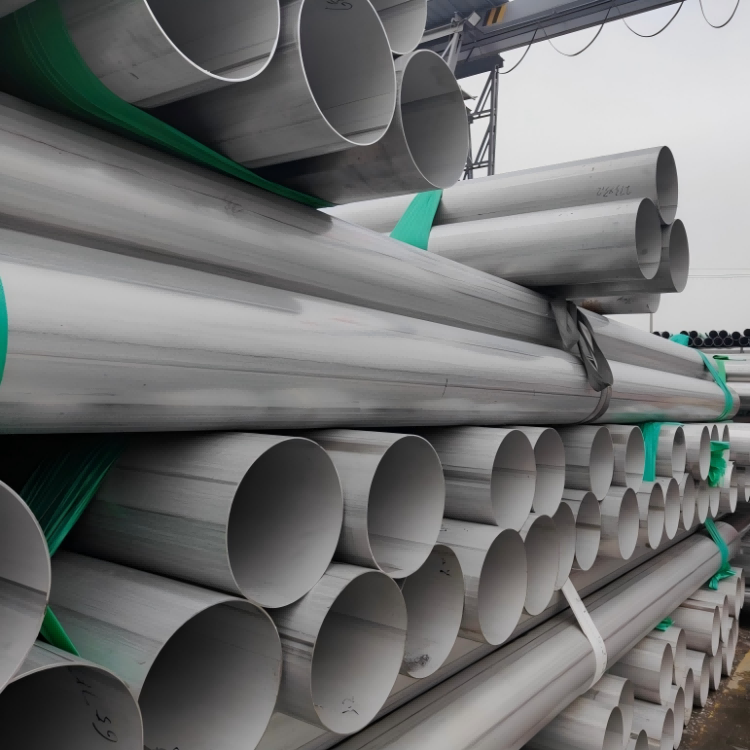
Wenqiang supplies duplex 2205 and super duplex 2507/S32750 seamless and welded pipe, tube, fittings, and flanges to ASTM A312, A213, A269, A790, and A928, with EN 10204 3.1 or 3.2 material test certificates. In-house PMI, chemical and mechanical testing, hydrostatic testing, and NDT confirm that each item meets the chemistry and integrity seawater service demands.
Conclusion
Seawater cooling punishes under-specified materials. Warm, oxygenated, biologically active, fast-moving seawater overwhelms 316L, so coastal power plants should select by PREN and crevice resistance, reaching for duplex 2205, 6Mo superaustenitic, super duplex 2507, or titanium according to temperature, velocity, and cost. Paired with crevice-free design, controlled flow, chlorination, and outage flushing, the right high-alloy choice delivers cooling circuits that stand up to chlorides, biofouling, and erosion for the long service lives these plants demand.
Frequently Asked Questions
Q: Why is 316L not recommended for seawater cooling?
A: With only about 2% molybdenum and a PREN near 24, 316L pits in warm seawater and is highly susceptible to crevice corrosion under gaskets, tube joints, and biofouling. Reliable seawater crevice resistance generally requires a PREN of about 40 or higher.
Q: What flow velocity is safe for seawater stainless piping?
A: There is a window: velocity must stay high enough to prevent deposits and biofilm that cause under-deposit and microbiological corrosion, but low enough to avoid erosion-corrosion. High-alloy grades like 6Mo and super duplex tolerate several meters per second, but smooth transitions and controlled turbulence at inlets and bends are essential.
Specify seawater-grade duplex and super duplex piping with Wenqiang: +86 577 8922 2595 / https://www.chinawqsteel.com/

Copyright © 2026 Strongwin Stainless Steel Group Co., Ltd. All rights reserved. - Privacy Policy
 EN
EN
 Hot News