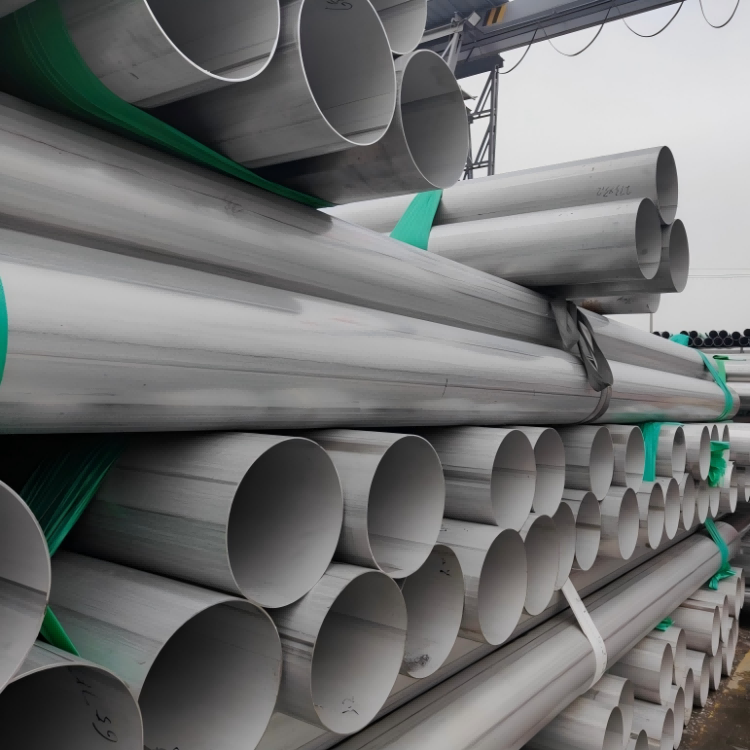
300 Stainless Steel: Premium Corrosion-Resistant Alloy for Industrial Applications

All Categories

Get a Free Quote

Our representative will contact you soon.
Email
Mobile/WhatsApp
Name
Company Name
Message
0/1000

300 stainless steel

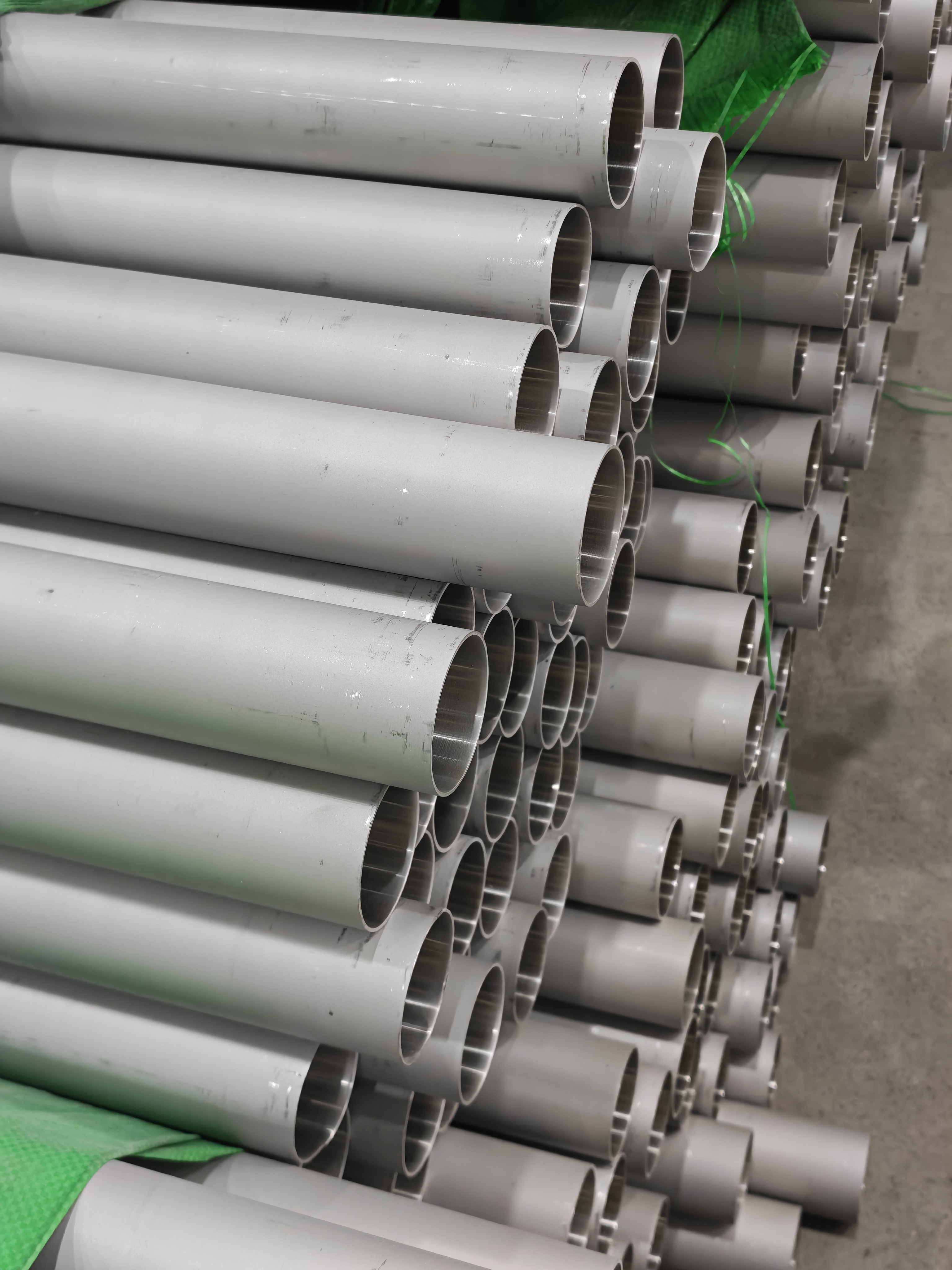
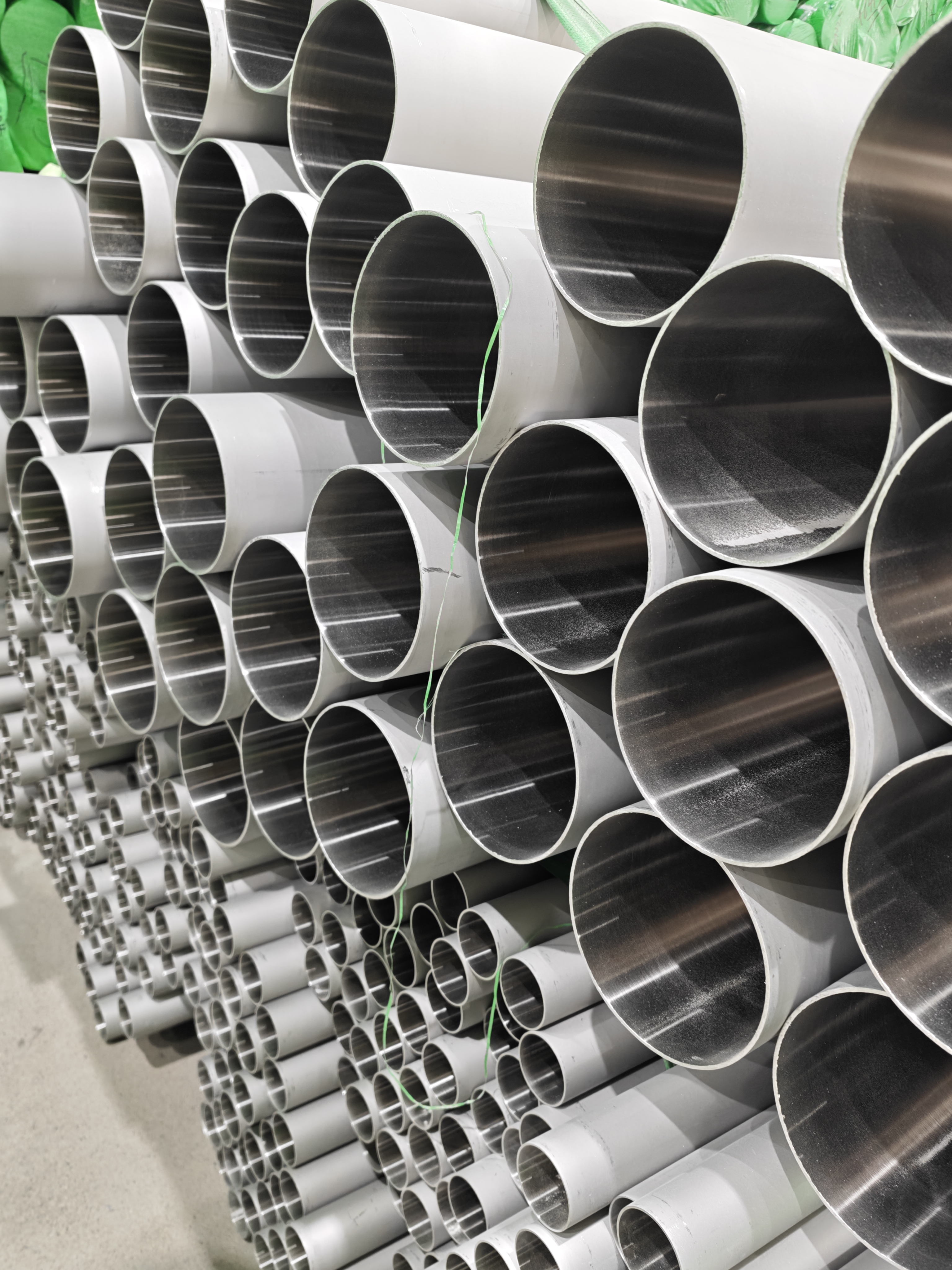
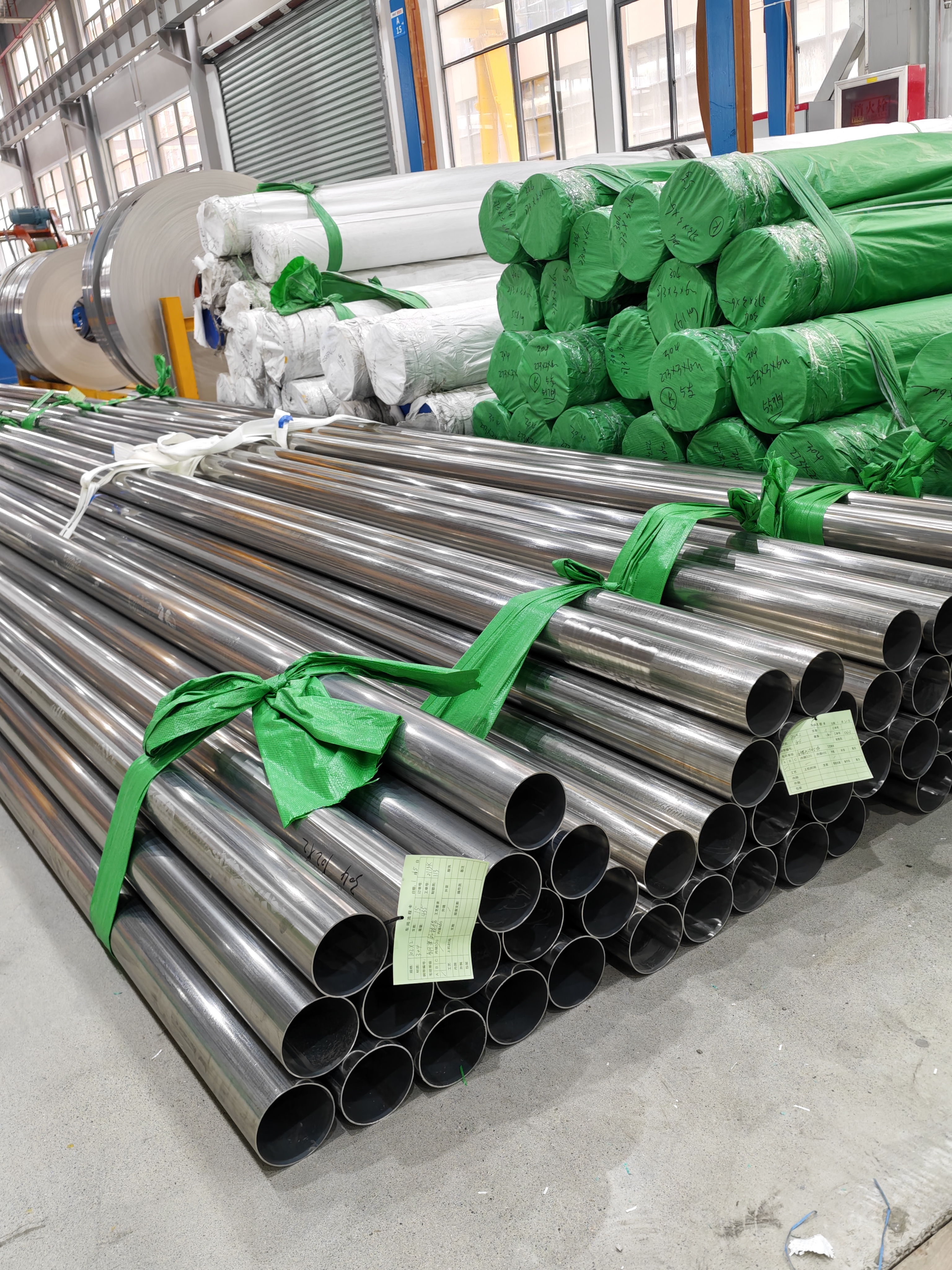
300 stainless steel represents a premium grade of austenitic stainless steel alloy that delivers exceptional performance across diverse industrial and commercial applications. This high-grade material contains approximately 18-20% chromium and 8-12% nickel, creating a robust metallurgical foundation that ensures superior durability and longevity. The 300 stainless steel series encompasses several specific grades, with 304 and 316 being the most widely utilized variants in manufacturing and construction industries. The primary function of 300 stainless steel centers on providing outstanding corrosion resistance, making it ideal for environments exposed to moisture, chemicals, and varying temperature conditions. Its technological features include excellent formability, allowing manufacturers to shape and mold the material into complex configurations without compromising structural integrity. The austenitic crystal structure of 300 stainless steel contributes to its non-magnetic properties in annealed conditions, while maintaining exceptional strength-to-weight ratios. Heat treatment capabilities enable this material to achieve specific mechanical properties required for specialized applications. The welding characteristics of 300 stainless steel facilitate seamless fabrication processes, ensuring strong joints and continuous performance throughout the product lifecycle. Applications span numerous sectors including food processing equipment, pharmaceutical manufacturing, architectural elements, marine hardware, automotive components, and medical devices. In food service industries, 300 stainless steel maintains hygiene standards while resisting staining and bacterial growth. Chemical processing facilities rely on this material for tanks, piping systems, and reaction vessels due to its chemical inertness. The construction industry utilizes 300 stainless steel for decorative panels, structural elements, and exterior cladding that maintains aesthetic appeal over extended periods. Manufacturing processes benefit from the material's consistent quality and predictable performance characteristics, enabling precise engineering calculations and reliable product specifications.

New Product Releases

300 stainless steel offers remarkable corrosion resistance that surpasses ordinary steel materials by significant margins. This superior protection stems from the chromium content that forms a passive oxide layer on the surface, effectively blocking moisture and aggressive chemicals from penetrating the underlying metal structure. Users experience extended service life with minimal maintenance requirements, translating to substantial cost savings over time. The material withstands exposure to saltwater, acids, and alkaline substances without deteriorating, making it perfect for coastal installations and chemical processing environments. Excellent formability characteristics allow manufacturers to create intricate designs and complex shapes without cracking or structural weakening. This flexibility enables custom fabrication solutions that meet specific dimensional requirements while maintaining optimal performance standards. The welding properties of 300 stainless steel facilitate efficient assembly processes, reducing production time and labor costs. Clean welds create seamless joints that maintain the material's corrosion resistance and aesthetic qualities throughout the finished product. Temperature stability ensures consistent performance across wide thermal ranges, from cryogenic applications to high-heat environments. This thermal resilience prevents warping, cracking, or metallurgical changes that could compromise structural integrity. The non-magnetic properties of 300 stainless steel benefit electronic applications and precision instruments where magnetic interference must be avoided. Food safety compliance makes this material ideal for culinary equipment, storage containers, and processing machinery where hygiene standards are paramount. Easy cleaning and sanitization procedures reduce operational costs and ensure compliance with health regulations. The polished surface finish resists staining and discoloration, maintaining professional appearance standards in commercial settings. Recyclability contributes to environmental sustainability goals while providing economic value through material recovery programs. Long-term durability reduces replacement frequency, minimizing disruption to operations and maintaining consistent productivity levels. The strength characteristics of 300 stainless steel support structural loads while remaining lighter than comparable carbon steel alternatives, improving handling efficiency and reducing transportation costs.

Practical Tips

Strongwin Stainless Steel Group Achieves ISO 90012015 Certification and AD 2000 Merkblatt Approval

28

Feb

Strongwin Stainless Steel Group Achieves ISO 90012015 Certification and AD 2000 Merkblatt Approval

View More
Strongwin Stainless Steel Group Announces Major Production Capacity Expansion to Meet Growing Global Demand

11

Mar

Strongwin Stainless Steel Group Announces Major Production Capacity Expansion to Meet Growing Global Demand

View More
Strongwin Stainless Steel Group Announces Strategic Partnership with Leading European Engineering Firm

11

Mar

Strongwin Stainless Steel Group Announces Strategic Partnership with Leading European Engineering Firm

View More

Get a Free Quote

Our representative will contact you soon.
Email
Mobile/WhatsApp
Name
Company Name
Message
0/1000

300 stainless steel

Exceptional Corrosion Resistance for Long-Term Durability

Exceptional Corrosion Resistance for Long-Term Durability

300 stainless steel delivers unmatched corrosion resistance that protects investments and ensures reliable performance across decades of service. The chromium content creates a self-healing passive layer that automatically repairs minor surface damage, maintaining protective properties without external intervention. This natural defense mechanism functions continuously, even in challenging environments with high humidity, chemical exposure, or salt contamination. Industrial facilities processing corrosive materials rely on 300 stainless steel to prevent costly equipment failures and unscheduled maintenance downtime. The material resists pitting corrosion, crevice corrosion, and stress corrosion cracking that commonly affect lesser grades of steel. Marine applications particularly benefit from this superior protection, as saltwater exposure typically causes rapid deterioration in standard metals. Offshore platforms, ship components, and coastal infrastructure maintain structural integrity when constructed with 300 stainless steel, reducing replacement costs and safety risks. Chemical processing plants utilize this material for storage tanks, reaction vessels, and piping systems that handle aggressive substances daily. The corrosion resistance extends to high-temperature applications where oxidation typically accelerates metal degradation. Food processing facilities depend on 300 stainless steel to prevent contamination from rust particles while maintaining sanitary conditions required by health regulations. The economic impact of choosing 300 stainless steel becomes evident through reduced maintenance expenses, extended equipment lifecycles, and improved operational reliability. Quality control measures ensure consistent corrosion resistance across all product batches, providing predictable performance that enables accurate lifecycle planning. Environmental conditions ranging from tropical humidity to arctic cold cannot compromise the protective capabilities of properly specified 300 stainless steel components. This reliability makes the material essential for critical applications where failure could result in catastrophic consequences or significant financial losses.
Superior Formability and Fabrication Versatility

Superior Formability and Fabrication Versatility

300 stainless steel excels in formability characteristics that enable complex manufacturing processes and intricate design implementations. The austenitic crystal structure provides exceptional ductility, allowing significant deformation without fracturing or developing stress concentrations that could lead to premature failure. Cold working capabilities permit extensive shaping operations including deep drawing, bending, spinning, and roll forming to achieve precise dimensional specifications. Manufacturers appreciate the consistent work hardening response that strengthens the material during forming while maintaining predictable spring-back characteristics. Hot forming processes expand the possibilities further, enabling large-scale structural components and complex geometries that would be impossible with brittle materials. The excellent elongation properties of 300 stainless steel support stretching operations that create seamless curved surfaces and smooth transitions between different profile sections. Stamping and pressing operations produce intricate patterns and detailed surface textures without compromising material integrity or creating weak points. Welding compatibility ensures that formed components can be joined effectively using standard techniques including TIG, MIG, and resistance welding methods. The heat-affected zones maintain mechanical properties comparable to the base material, eliminating concerns about weld weakness or corrosion susceptibility. Machining operations on 300 stainless steel yield precise tolerances and excellent surface finishes suitable for high-precision applications. The work hardening characteristics actually improve cutting tool life when proper speeds and feeds are maintained during machining operations. Architectural applications showcase the formability advantages through curved panels, decorative elements, and structural components that combine aesthetic appeal with functional performance. Automotive manufacturers utilize the formability of 300 stainless steel for exhaust systems, trim components, and structural elements that require complex shapes while maintaining durability. The ability to form tight radii and sharp corners without cracking enables compact designs that maximize space utilization in modern equipment configurations.
Outstanding Temperature Performance and Thermal Stability

Outstanding Temperature Performance and Thermal Stability

300 stainless steel demonstrates exceptional performance across extreme temperature ranges, maintaining structural integrity and mechanical properties from cryogenic conditions to elevated service temperatures. The austenitic structure remains stable throughout thermal cycling, preventing phase transformations that could compromise material properties or dimensional stability. Cryogenic applications benefit from the maintained toughness and ductility of 300 stainless steel at temperatures approaching absolute zero, where many materials become brittle and prone to catastrophic failure. Liquid nitrogen storage systems, cryogenic piping, and low-temperature processing equipment rely on this thermal stability for safe and reliable operation. High-temperature performance extends to applications involving continuous exposure to elevated temperatures where oxidation resistance becomes critical for long-term service life. Heat exchangers constructed from 300 stainless steel maintain efficiency throughout temperature fluctuations while resisting scale formation that could impede heat transfer. The low thermal expansion coefficient minimizes dimensional changes during heating and cooling cycles, reducing stress concentrations and preventing mechanical failures in constrained assemblies. Thermal conductivity properties enable efficient heat dissipation in electronic applications while maintaining electrical isolation where required. Food processing equipment operating at pasteurization and sterilization temperatures depends on 300 stainless steel to maintain sanitary conditions without degradation or contamination. The material's ability to withstand repeated thermal shock from rapid temperature changes makes it ideal for applications involving alternating hot and cold processes. Furnace components, heat treatment fixtures, and high-temperature reaction vessels utilize 300 stainless steel for its combination of strength retention and oxidation resistance at elevated temperatures. Nuclear applications require materials that maintain properties under radiation exposure combined with temperature extremes, making 300 stainless steel a preferred choice for reactor components. The thermal stability extends to welded joints and formed sections, ensuring that fabricated assemblies maintain performance characteristics throughout their intended service life.

Get a Free Quote

Our representative will contact you soon.
Email
Mobile/WhatsApp
Name
Company Name
Message
0/1000