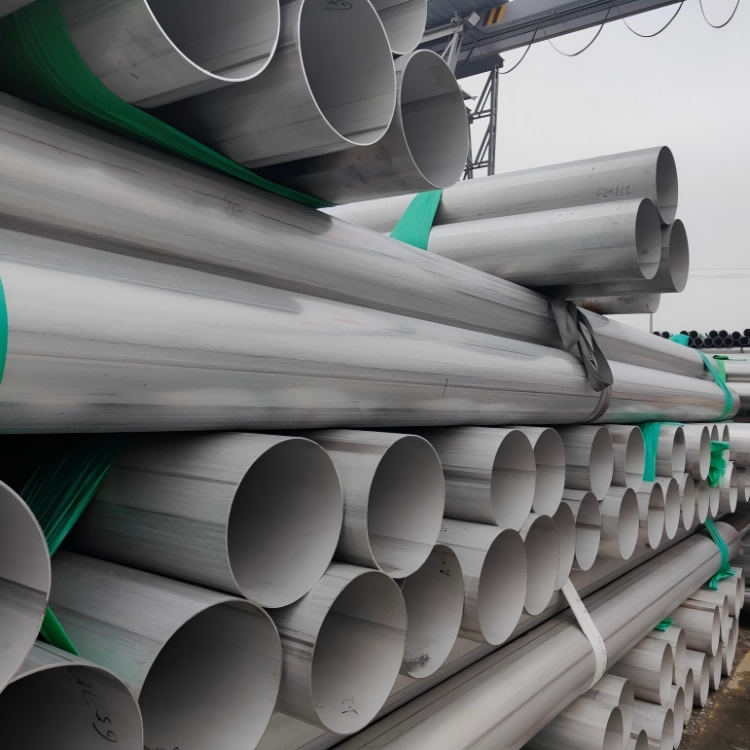
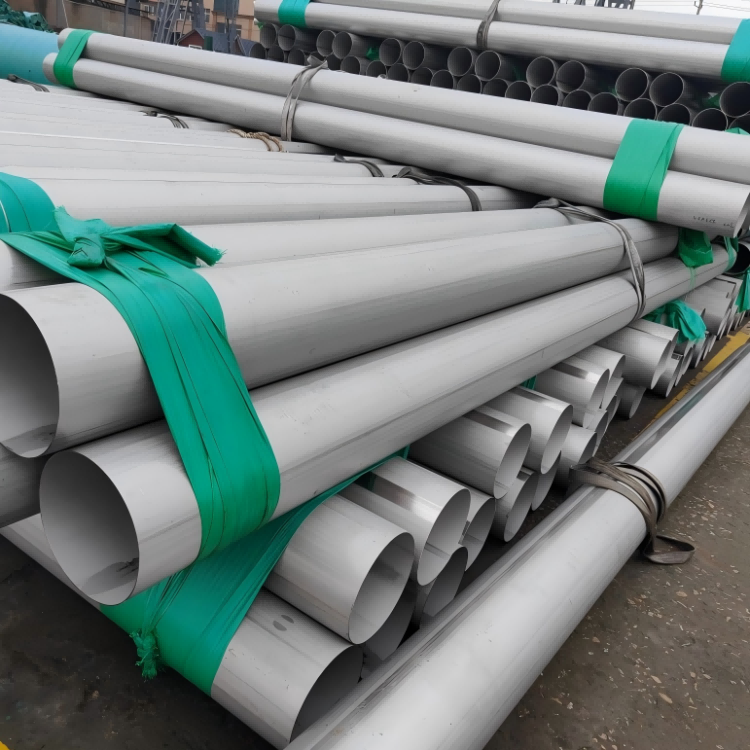
300 stainless steel
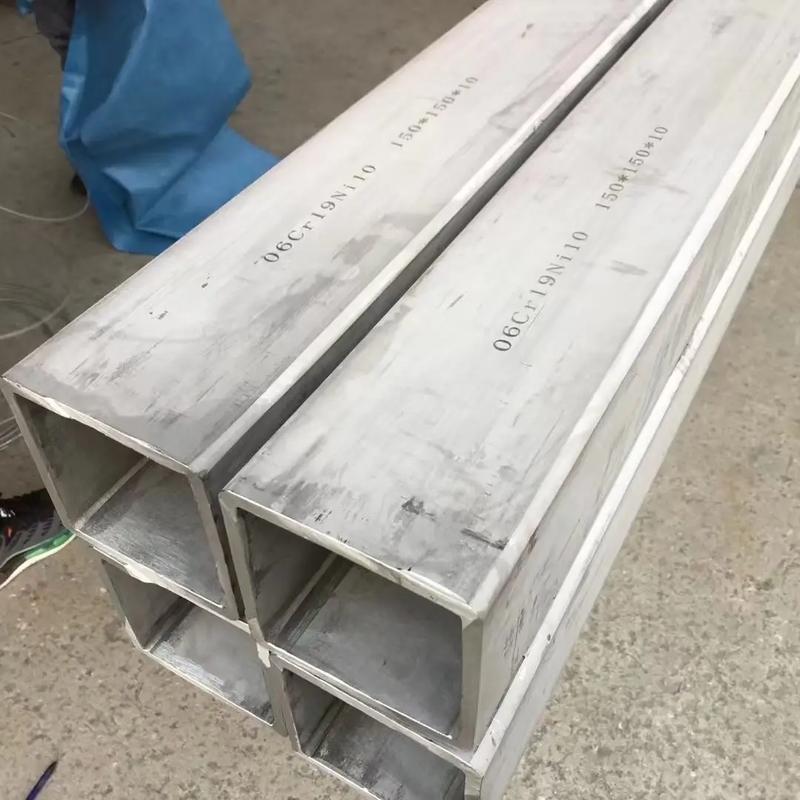
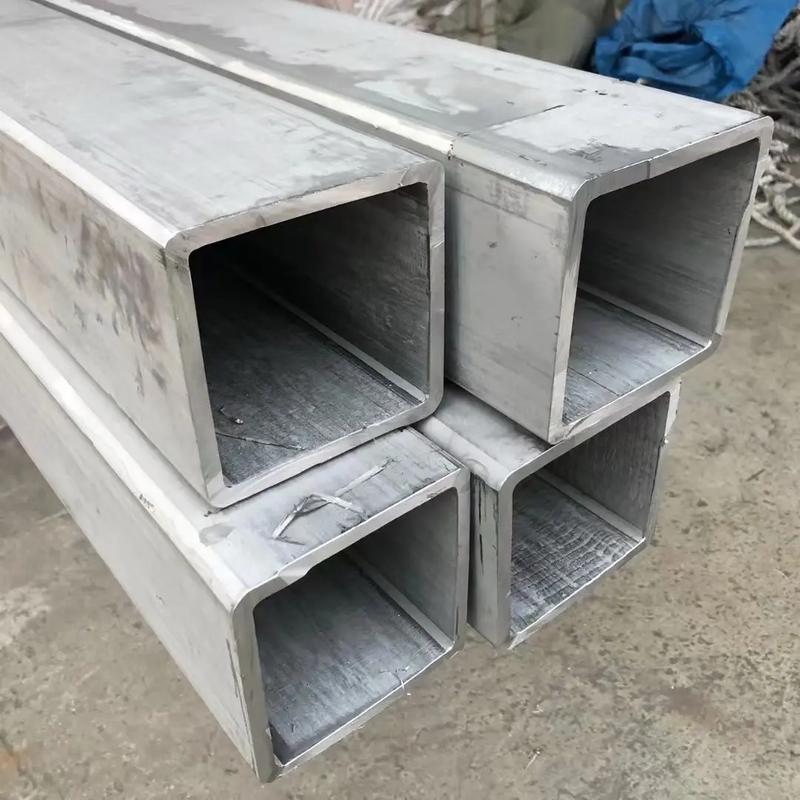
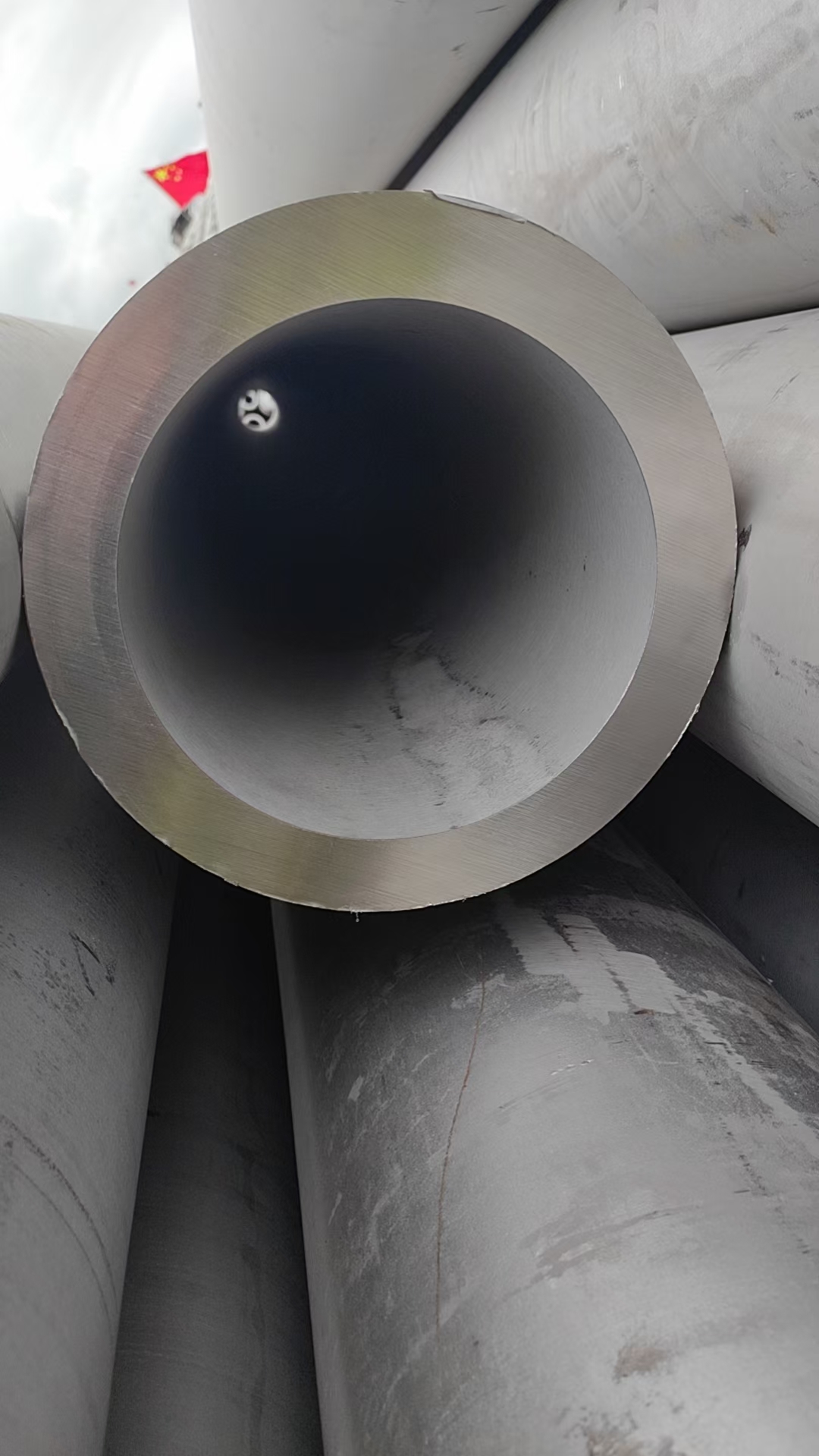
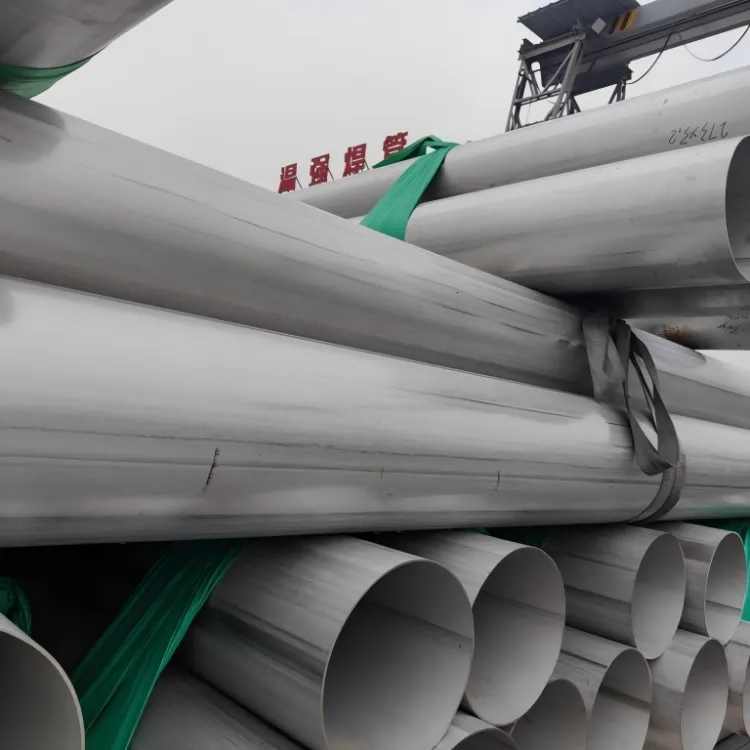
300 stainless steel represents a versatile and dependable choice for numerous industrial and commercial applications. This austenitic stainless steel alloy belongs to the 300 series family, which is renowned for its excellent corrosion resistance and durability. The primary composition of 300 stainless steel includes chromium and nickel, which work together to create a protective oxide layer that prevents rust and deterioration in various environments.
300 stainless steel functions as a reliable material solution across multiple sectors, including food processing, chemical manufacturing, aerospace, and marine industries. The main purpose of 300 stainless steel is to provide long-lasting performance while maintaining structural integrity even under challenging conditions. This material demonstrates superior strength characteristics combined with impressive flexibility, making it ideal for applications requiring both durability and workability.
Key technological features of 300 stainless steel include its non-magnetic properties in the annealed state and excellent weldability. The alloy offers remarkable tensile strength and maintains its performance across a wide temperature range. Additionally, 300 stainless steel exhibits outstanding resistance to oxidation, scaling, and corrosion from most organic and inorganic compounds.
Common applications of 300 stainless steel span diverse industries. In food processing facilities, 300 stainless steel components ensure hygiene and prevent contamination. Chemical plants utilize 300 stainless steel for tanks, piping, and reactors due to its chemical resistance. The automotive and aerospace sectors rely on 300 stainless steel for critical components requiring high performance and reliability. Architectural uses also benefit significantly from the aesthetic appeal and durability that 300 stainless steel provides.
 EN
EN