Longitudinal Weld Stainless Pipe: Premium Quality Industrial Piping Solutions

All Categories

Get a Free Quote

Our representative will contact you soon.
Email
Mobile/WhatsApp
Name
Company Name
Message
0/1000

longitudinal weld stainless pipe

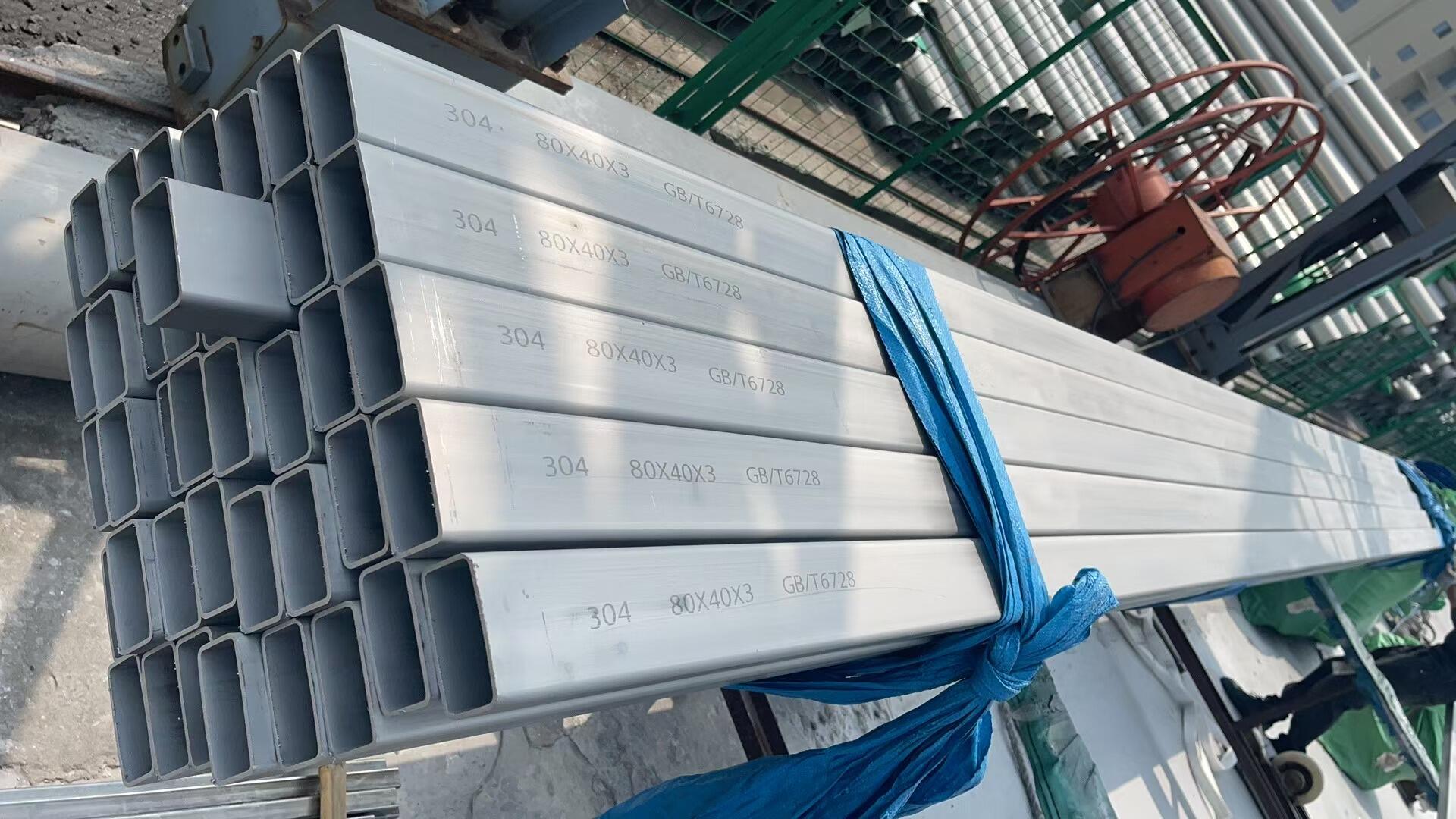
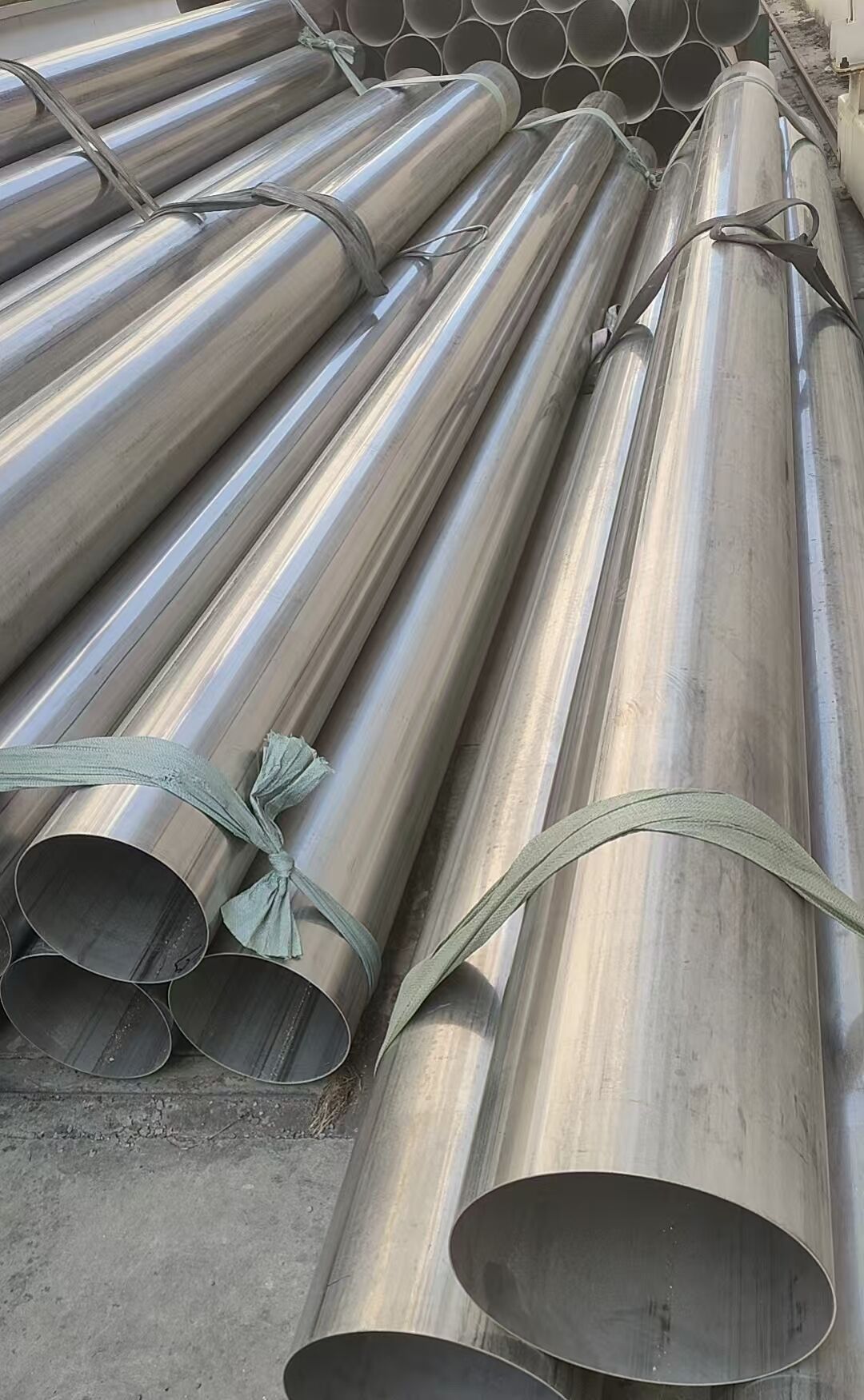
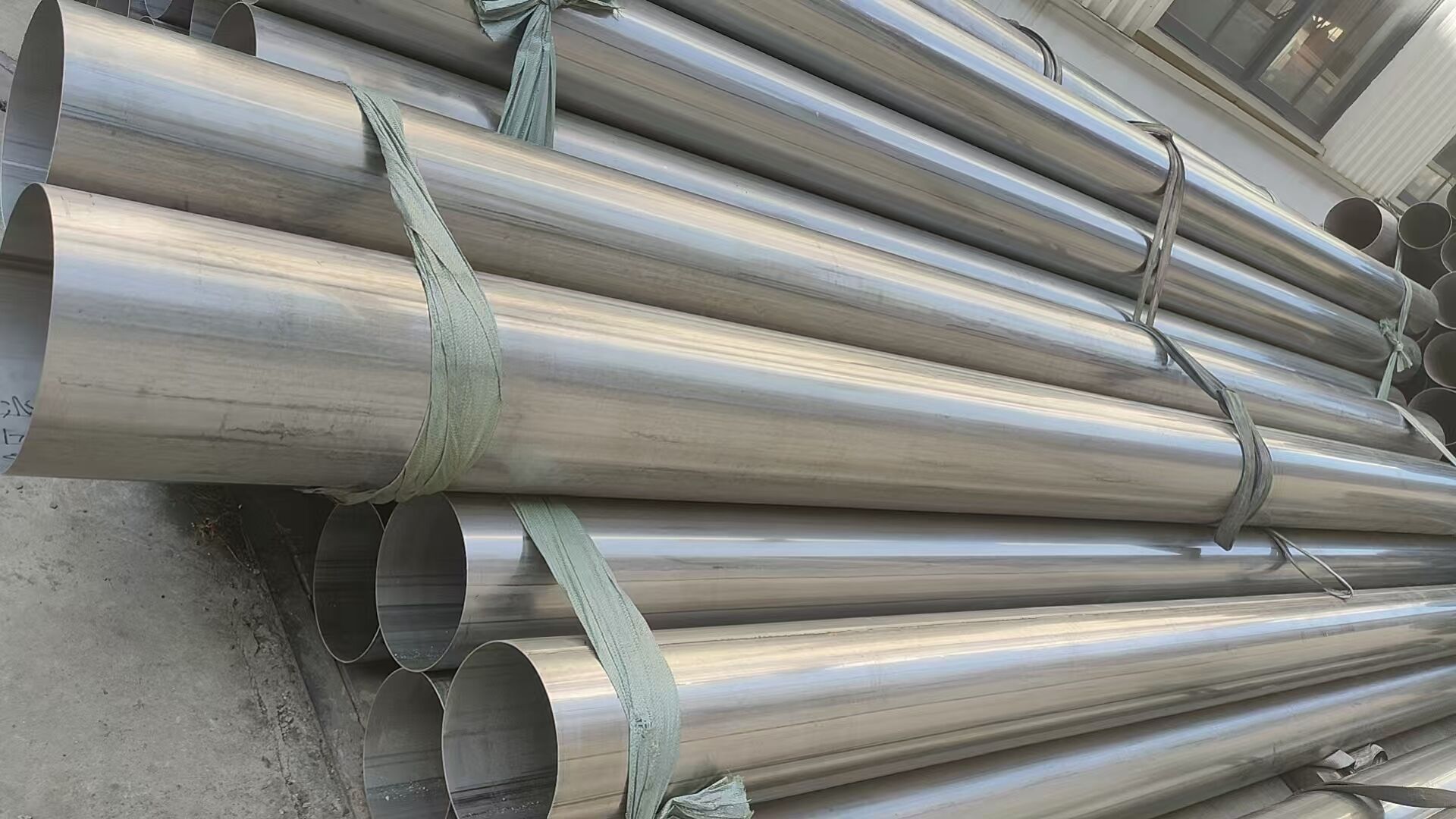
Longitudinal weld stainless pipe represents a cornerstone of modern industrial piping systems, engineered through a sophisticated manufacturing process that creates a continuous seam along the pipe's length. This manufacturing technique involves forming flat stainless steel sheets or strips into cylindrical shapes before welding the longitudinal seam to create a robust, leak-proof connection. The longitudinal weld stainless pipe offers exceptional structural integrity while maintaining cost-effectiveness compared to seamless alternatives. The welding process typically employs advanced techniques such as submerged arc welding, electric resistance welding, or high-frequency induction welding, ensuring consistent quality throughout the pipe's length. These pipes excel in applications requiring reliable fluid transport, structural support, and chemical resistance across diverse industries including petrochemical, food processing, pharmaceutical manufacturing, and water treatment facilities. The technological features of longitudinal weld stainless pipe include precise dimensional control, excellent surface finish, and superior metallurgical properties that resist corrosion, oxidation, and thermal stress. Manufacturing capabilities allow for customization in terms of diameter, wall thickness, and material grade to meet specific project requirements. The welding zone undergoes careful heat treatment and quality inspection to ensure the joint strength matches or exceeds the base material properties. Quality control measures include non-destructive testing methods such as ultrasonic inspection, radiographic testing, and hydrostatic pressure testing to verify structural integrity. Modern production facilities utilize computer-controlled welding systems that maintain consistent heat input, travel speed, and electrode positioning, resulting in uniform weld quality throughout the longitudinal weld stainless pipe. These pipes demonstrate excellent formability, allowing for field modifications and custom fitting installations while maintaining their corrosion resistance and mechanical strength properties essential for long-term service reliability.

New Product Recommendations

Longitudinal weld stainless pipe delivers substantial cost savings compared to seamless pipe alternatives without compromising performance quality. Manufacturing efficiency allows producers to offer competitive pricing while maintaining strict quality standards, making these pipes accessible for budget-conscious projects. The welding process enables precise control over wall thickness distribution, ensuring consistent performance characteristics throughout the pipe length. Installation teams appreciate the lightweight nature of longitudinal weld stainless pipe, which reduces transportation costs and simplifies handling during construction projects. The standardized dimensions and consistent quality facilitate easier inventory management and project planning for contractors and engineers. Maintenance requirements remain minimal due to the corrosion-resistant properties of stainless steel combined with high-quality welding techniques that create durable joint integrity. The pipes demonstrate excellent thermal conductivity and expansion characteristics, making them suitable for applications involving temperature fluctuations. Fabrication flexibility allows for easy cutting, threading, and fitting modifications on-site without special tools or extensive preparation. The smooth interior surface of longitudinal weld stainless pipe promotes efficient fluid flow while minimizing pressure losses and reducing energy consumption in pumping systems. Chemical compatibility extends to a wide range of substances including acids, alkalis, and organic solvents, providing versatility across multiple industries. The recyclability of stainless steel materials supports environmental sustainability goals while offering long-term value retention. Quality assurance processes ensure each longitudinal weld stainless pipe meets international standards for pressure rating, dimensional accuracy, and material composition. The manufacturing process produces minimal waste, contributing to environmental responsibility while maintaining competitive production costs. Surface treatments and finishing options enhance aesthetic appeal for architectural applications while preserving functional properties. The pipes resist stress corrosion cracking and maintain structural integrity under cyclic loading conditions. Field welding compatibility allows for seamless integration with existing piping systems using standard welding procedures and equipment. The availability in various grades of stainless steel enables selection optimization for specific environmental conditions and performance requirements.

Tips And Tricks

Strongwin Stainless Steel Group Achieves ISO 90012015 Certification and AD 2000 Merkblatt Approval

28

Feb

Strongwin Stainless Steel Group Achieves ISO 90012015 Certification and AD 2000 Merkblatt Approval

View More
Strongwin Stainless Steel Group Announces Major Production Capacity Expansion to Meet Growing Global Demand

11

Mar

Strongwin Stainless Steel Group Announces Major Production Capacity Expansion to Meet Growing Global Demand

View More
Strongwin Stainless Steel Group Announces Strategic Partnership with Leading European Engineering Firm

11

Mar

Strongwin Stainless Steel Group Announces Strategic Partnership with Leading European Engineering Firm

View More

Get a Free Quote

Our representative will contact you soon.
Email
Mobile/WhatsApp
Name
Company Name
Message
0/1000

longitudinal weld stainless pipe

Superior Manufacturing Precision and Quality Control

Superior Manufacturing Precision and Quality Control

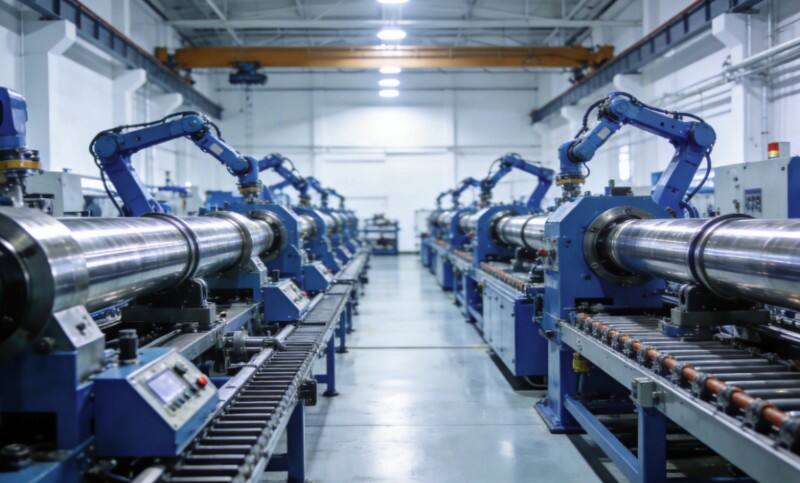
The manufacturing process of longitudinal weld stainless pipe incorporates advanced precision engineering that ensures consistent quality and dimensional accuracy throughout every production run. State-of-the-art forming equipment creates perfectly cylindrical shapes from high-grade stainless steel sheets, maintaining precise tolerances that meet or exceed international standards. The welding operation utilizes computer-controlled systems that monitor critical parameters including heat input, travel speed, electrode positioning, and shielding gas flow to ensure optimal weld penetration and fusion. This automated approach eliminates human variability while maintaining consistent weld quality across the entire longitudinal seam. Quality control measures begin with incoming material inspection, where each stainless steel sheet undergoes chemical composition analysis, mechanical property testing, and surface quality evaluation. During production, real-time monitoring systems track welding parameters and detect any deviations that could affect the final product quality. Post-weld heat treatment processes relieve residual stresses and optimize the metallurgical structure of the weld zone, ensuring the joint properties match the base material characteristics. Non-destructive testing methods including ultrasonic inspection, radiographic examination, and liquid penetrant testing verify the integrity of every longitudinal weld stainless pipe before shipment. Hydrostatic pressure testing validates the structural capability under operating conditions, while dimensional inspection confirms compliance with specified tolerances. The manufacturing facility maintains ISO certification and follows strict quality management protocols that document every aspect of the production process. This comprehensive approach to quality control ensures that each longitudinal weld stainless pipe delivers reliable performance in demanding applications while meeting customer specifications for dimensional accuracy, surface finish, and mechanical properties.
Exceptional Corrosion Resistance and Durability

Exceptional Corrosion Resistance and Durability

Longitudinal weld stainless pipe exhibits outstanding resistance to corrosion, oxidation, and chemical attack, making it the preferred choice for harsh environmental conditions and aggressive chemical processes. The chromium content in stainless steel forms a passive oxide layer that naturally protects the surface from corrosion, while additional alloying elements such as nickel and molybdenum enhance resistance to specific types of chemical attack. The welding process maintains the corrosion resistance properties of the base material through careful control of heat input and post-weld treatment procedures. This ensures the weld zone does not become a weak point susceptible to localized corrosion or stress corrosion cracking. The pipes demonstrate excellent performance in chloride-containing environments, acidic conditions, and high-temperature applications where carbon steel alternatives would fail rapidly. Long-term exposure testing confirms that longitudinal weld stainless pipe maintains structural integrity and appearance even after decades of service in challenging environments. The material's resistance to pitting, crevice corrosion, and galvanic corrosion extends service life while reducing maintenance requirements and replacement costs. Surface treatments and passivation processes further enhance corrosion resistance by optimizing the passive layer formation and removing potential contamination from manufacturing processes. The pipes resist scaling and oxidation at elevated temperatures, making them suitable for high-temperature process applications and thermal cycling conditions. Chemical compatibility extends to a broad range of process fluids including organic acids, inorganic chemicals, food products, and pharmaceutical compounds. The durability of longitudinal weld stainless pipe translates to lower life-cycle costs through reduced maintenance requirements, extended service intervals, and minimal replacement needs. Field experience demonstrates consistent performance across diverse applications including marine environments, chemical processing plants, and food production facilities where hygiene and contamination prevention are critical considerations.
Versatile Applications and Installation Flexibility

Versatile Applications and Installation Flexibility

Longitudinal weld stainless pipe offers remarkable versatility that accommodates diverse industrial applications while providing installation flexibility that simplifies project implementation and system integration. The wide range of available sizes, wall thicknesses, and stainless steel grades enables engineers to select the optimal configuration for specific operating conditions, pressure requirements, and environmental challenges. Standard dimensions align with international piping standards, ensuring compatibility with existing fittings, valves, and accessories while simplifying procurement and inventory management. The pipes adapt seamlessly to various installation methods including welded connections, threaded joints, flanged assemblies, and compression fittings depending on system requirements and accessibility constraints. Fabrication flexibility allows for field modifications including cutting, bending, and fitting installation without compromising the corrosion resistance or structural integrity of the longitudinal weld stainless pipe. The material's excellent formability enables complex routing configurations that accommodate space constraints and optimize system layout efficiency. Applications span across multiple industries including petrochemical processing, pharmaceutical manufacturing, food and beverage production, water treatment, HVAC systems, and architectural installations. The pipes perform reliably in both above-ground and underground installations, with appropriate coatings and cathodic protection systems for buried applications. Temperature capabilities extend from cryogenic conditions to high-temperature process applications, making longitudinal weld stainless pipe suitable for diverse thermal environments. The smooth interior surface promotes efficient fluid flow while resisting fouling and deposit formation that could reduce system efficiency or create contamination risks. Installation teams appreciate the predictable welding characteristics that enable consistent joint quality using standard procedures and equipment. The pipes integrate effectively with both new construction projects and retrofit applications where existing systems require upgrading or expansion. Field experience demonstrates reliable performance in critical applications where system failure could result in significant operational disruption or safety concerns, confirming the suitability of longitudinal weld stainless pipe for demanding industrial environments.

Get a Free Quote

Our representative will contact you soon.
Email
Mobile/WhatsApp
Name
Company Name
Message
0/1000