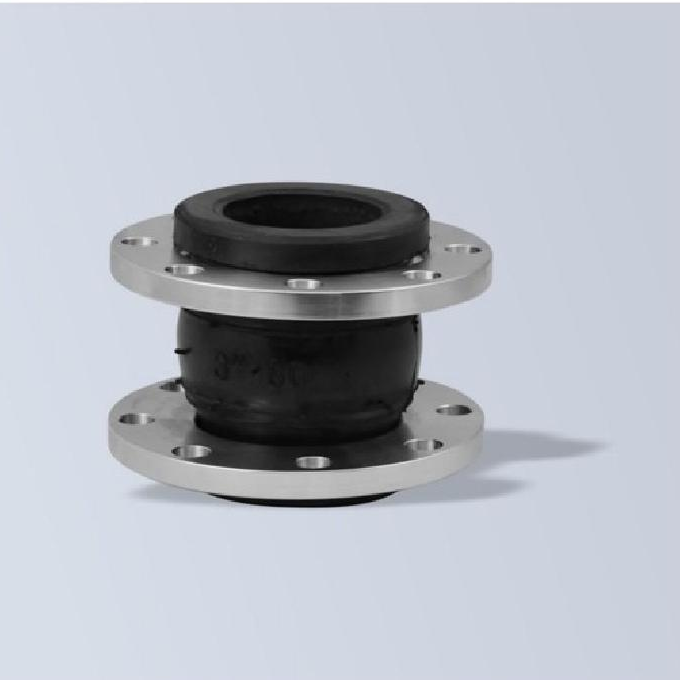
rrëshqitës i madh me bashkëngjeshmëri gjatësore të ngjitjes
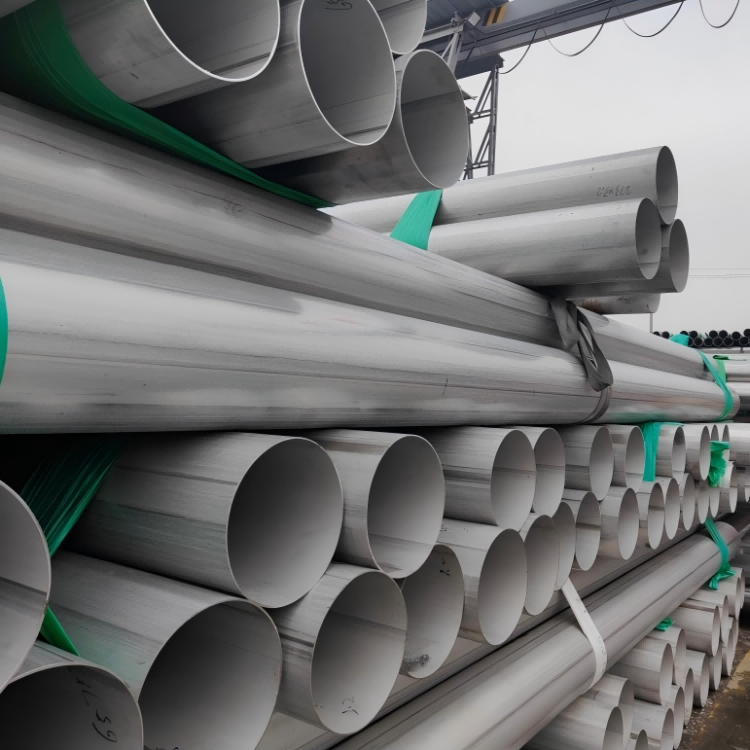
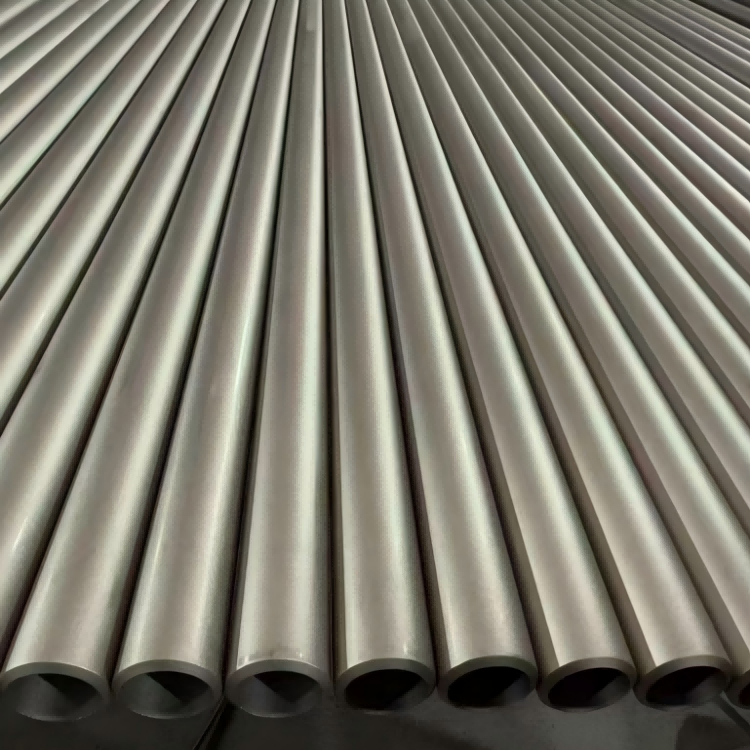
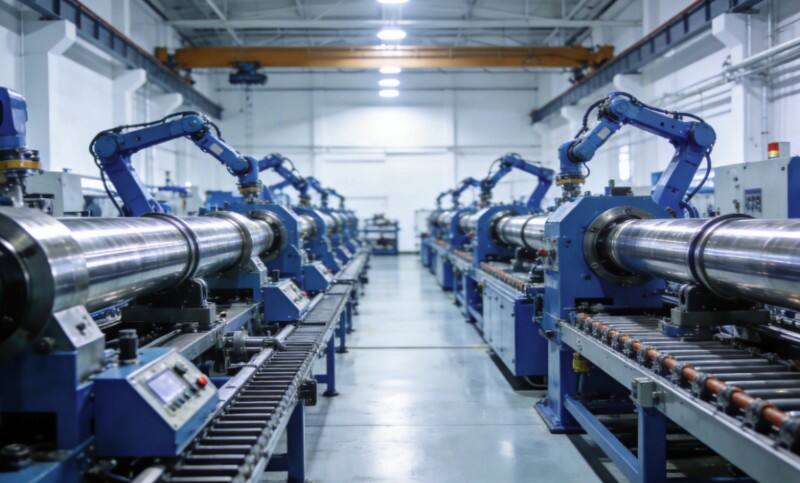
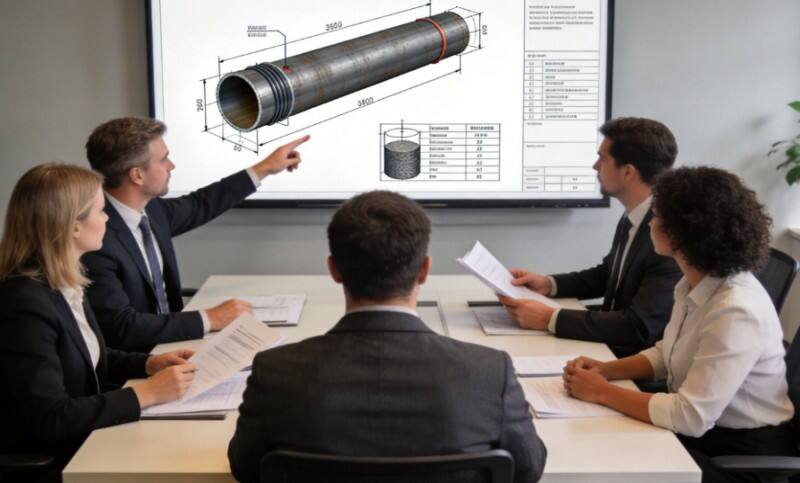
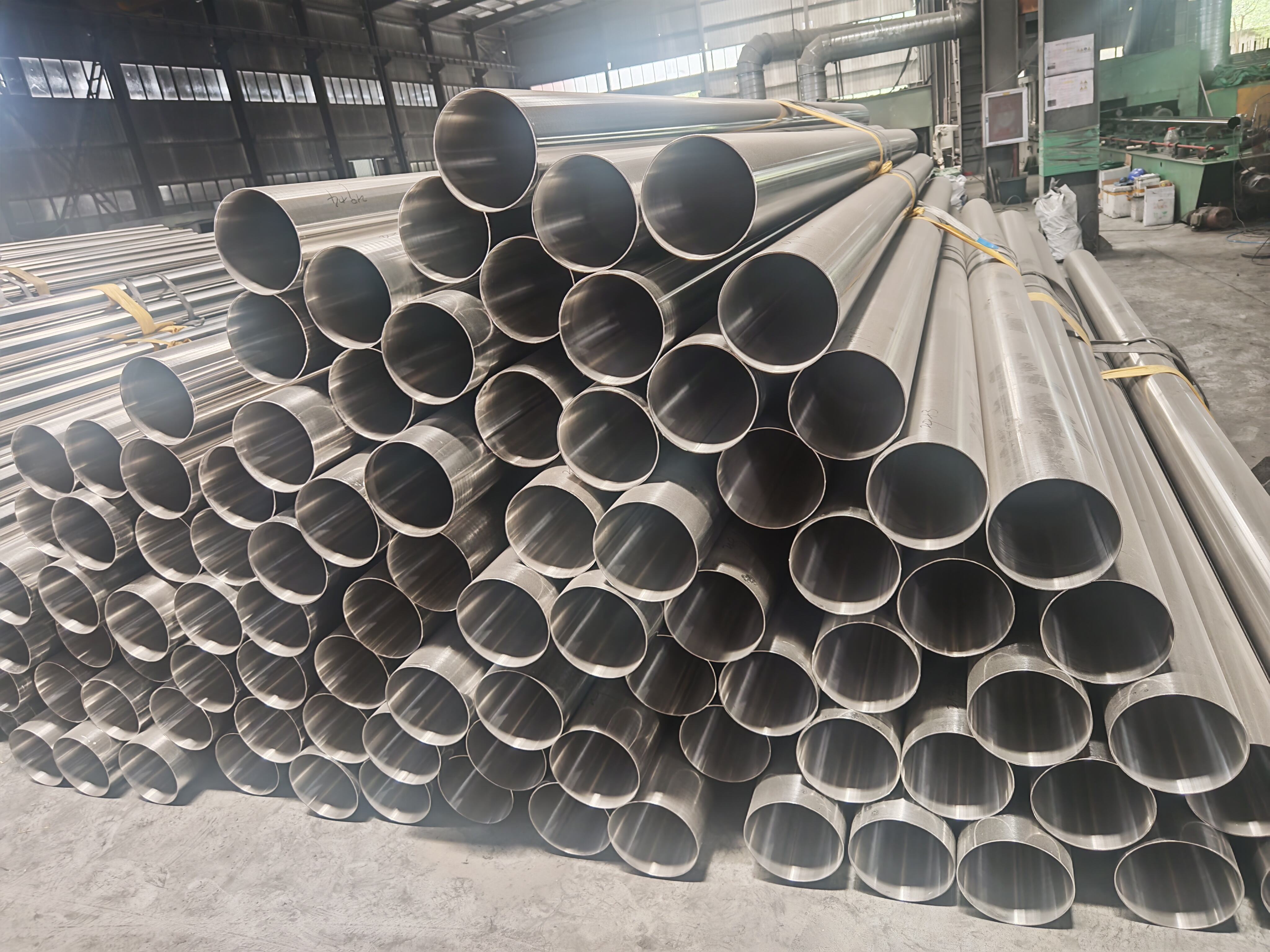
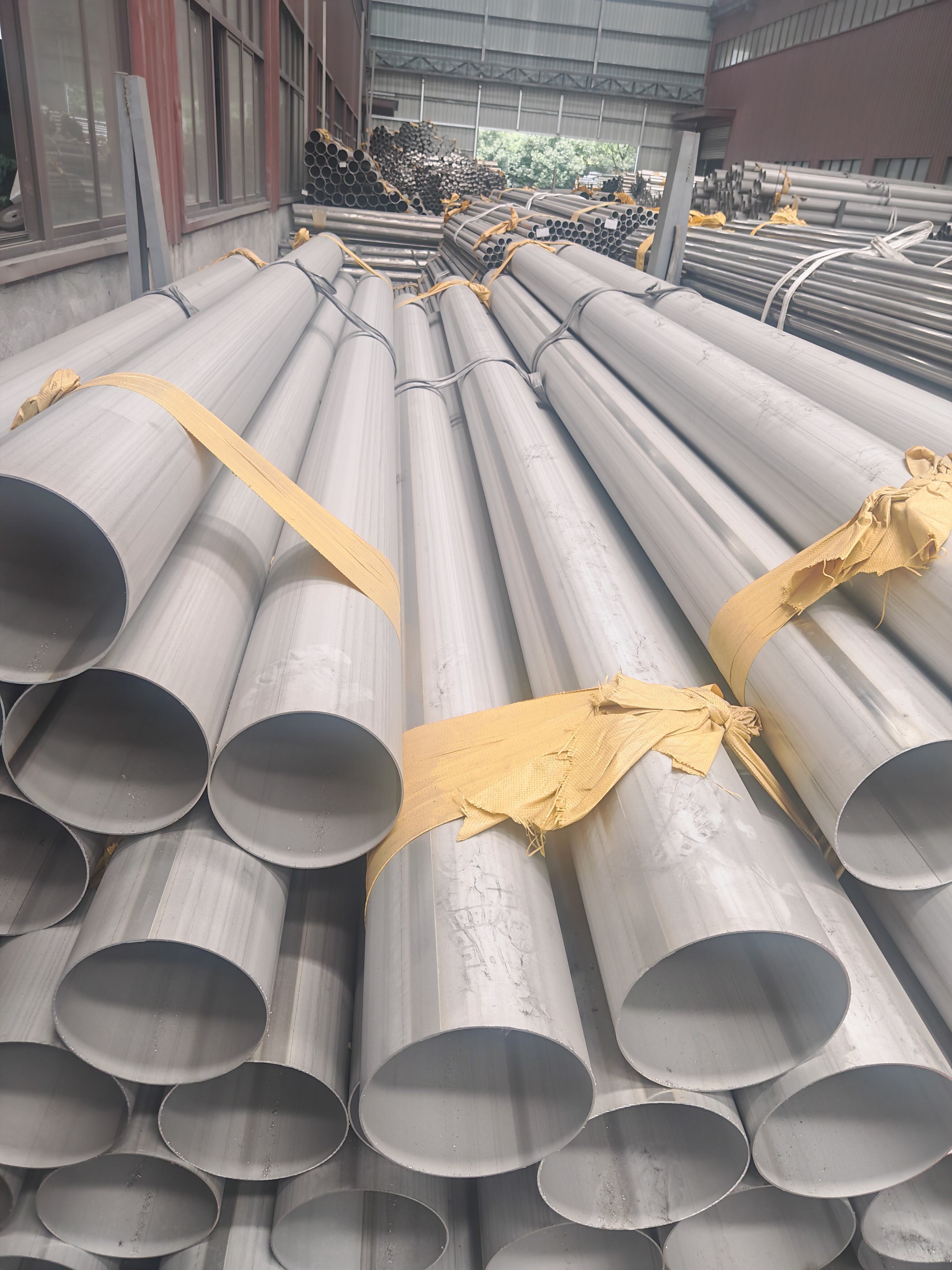
Tubat e madhe me ngjitje gjatësore përfaqësojnë një komponent kritik në infrastrukturën moderne dhe aplikimet industriale, të projektuara përmes proceseve të avancuara të prodhimit që kombinojnë efikasitetin me integritetin strukturor. Kjo zgjidhje e specializuar e tubave përdor teknikat e ngjitjes gjatësore për të krijuar lidhje të paprekura përgjatë gjatësisë së tubit, duke siguruar performancë të superior në mjedise operative të ndryshme. Procesi i prodhimit përfshin makineri të sofistikuara që rregullojnë me saktësi pllakat ose rrotullat prej çeliku, duke i formuar ato në forma cilindrike para se të zbatohen teknikat e ngjitjes me cilësi të lartë përgjatë bashkëngjitjes gjatësore. Këto tuba zakonisht kanë diametra të mëdhenj për të kënaqur kërkesat e transportit të lëngjeve me volum të lartë, duke bërë që të jenë të domosdoshme për projekte të mëdha ndërtimi, sistemet e shpërndarjes së ujit dhe objektet e përpunimit industrial. Veçoritë teknologjike të tubave të mëdhenj me ngjitje gjatësore përfshijnë veti metalurgjike të avancuara që përmisojnë rezistencën ndaj korrozionit, tolerancën ndaj shtypjes dhe stabilitetin termik. Metodat moderne të prodhimit përfshijnë sisteme të ngjitjes me kontroll kompjuterik që sigurojnë cilësi të konstante të shiritit të ngjitjes, thellësinë e penetrimit dhe uniformitetin strukturor përgjatë tërë gjatësisë. Masat e kontrollit të cilësisë përfshijnë procedura testimi jo-të-dëmtues që si inspektimi ultrazëri, ekzaminimi radiografik dhe testimi i shtypjes hidrostatike për të verifikuar integritetin e ngjitjes dhe performancën e përgjithshme të tubit. Aplikimet mbulojnë sektorë të shumëfishtë, përfshirë transportin e naftës, sistemet municipale të ujit, rrjetet e shpërndarjes së gazit natyror dhe tubacionet e proceseve industriale. Shumëfunksionaliteti i tubave të mëdhenj me ngjitje gjatësore e bën ato të përshtatshme si për instalime mbi tokë, ashtu edhe për aplikime nën tokë. Konsideratat mjedisore drejtojnë zgjedhjen e sistemeve të përshtatshme të mbulimit dhe masave të mbrojtjes katodike për të zgjatur kohën e shfrytëzimit dhe për të minimizuar kërkesat e mirëmbajtjes. Këto tuba shpesh shërbejnë si elemente kryesore të infrastrukturës, duke lidhur objekte të mëdha, fabrika përpunimi dhe qendra të shpërndarjes nëpër zona gjeografike të gjerë. Specifikimet e inxhinierisë përgjithësisht adresojnë faktorë si llogaritjet e trashësisë së murit, vlerat e shtypjes, kufijtë e temperaturës dhe përshtatshmërinë me lloje të ndryshme lëngjesh për të siguruar performancë optimale gjatë tërë kohës së shfrytëzimit të parashikuar.


 EN
EN