Hindi karaniwang Kakayahang Mag-form at Versatility sa Pagmamanupaktura
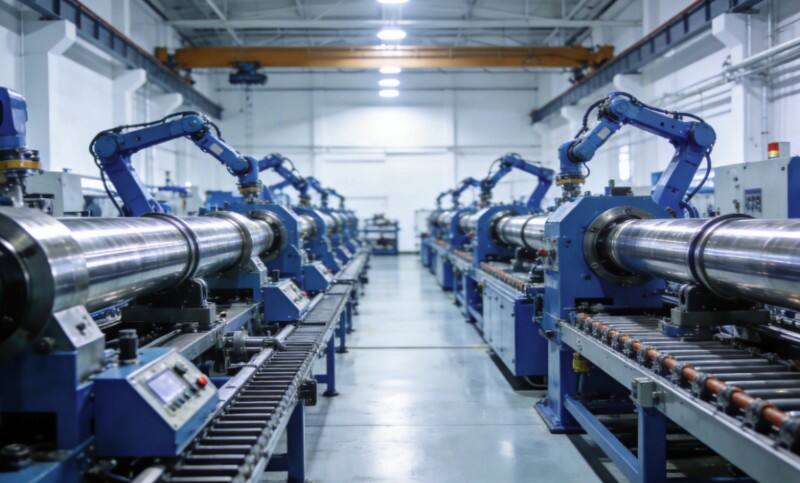
Ang natatanging kakayahang mabuo ng 304 stainless steel kumpara sa mga opsyon na hindi kinakalawang na asero ay nagbibigay sa mga tagagawa ng walang kapantay na kalayaan sa disenyo at kahusayan sa produksyon. Ang austenitic crystal structure ng 304 stainless steel ay nagbibigay-daan para sa malawakang operasyon ng cold forming nang walang work hardening hanggang sa punto ng pagbitak o pagkasira. Ang katangiang ito ay nagbibigay-daan sa mga kumplikadong geometry, malalim na operasyon ng pagguhit, at masalimuot na proseso ng pagbuo na imposible o napakamahal sa iba pang grado ng hindi kinakalawang na asero. Makakamit ng mga tagagawa ang masisikip na radius bends, kumplikadong mga kurba, at detalyadong mga hugis habang pinapanatili ang integridad ng materyal sa buong proseso ng pagbuo. Ang mahusay na ductility ay nagpapahintulot sa mga operasyon ng pag-unat at paghubog na nagpapalawak ng mga posibilidad sa disenyo, na nagpapahintulot sa mga inhinyero na lumikha ng mga na-optimize na bahagi na nagbabalanse ng lakas, bigat, at functionality. Ang mga kakayahan sa hinang ay lalong nagpapahusay sa versatility ng pagmamanupaktura, dahil ang 304 stainless steel ay tumatanggap ng iba't ibang proseso ng hinang kabilang ang TIG, MIG, at resistance welding nang hindi nangangailangan ng mga espesyal na pamamaraan o post-weld treatment. Ang pare-parehong kalidad ng hinang na makakamit sa 304 stainless steel ay binabawasan ang pagkakaiba-iba ng produksyon at pinapabuti ang mga resulta ng quality control. Ang mga katangian ng machining ay umaakma sa mga bentahe ng pagbuo, dahil ang 304 stainless steel ay malinis na makina na may wastong tooling at cutting parameters, na nagbibigay-daan sa tumpak na dimensional control at surface finishes. Ang tugon ng materyal sa heat treatment ay nagbibigay-daan para sa kontroladong pagbabago sa katangian kapag kinakailangan ang mga partikular na katangian ng katigasan o lakas para sa mga partikular na aplikasyon. Ang mga operasyon ng rolling, spinning, hydroforming, at stamping ay maayos na nagpapatuloy gamit ang 304 stainless steel, na sumusuporta sa mga kinakailangan sa produksyon na may mataas na volume habang pinapanatili ang katumpakan ng dimensyon. Ang mga spring-back na katangian ay nahuhulaan at napapamahalaan, na nagbibigay-daan sa mga taga-disenyo ng tool na mabawi ang pag-uugali ng materyal at makamit ang pare-parehong geometry ng bahagi. Ang mga opsyon sa pagtatapos ng ibabaw ay mula sa mill finish hanggang sa mga lubos na pinakintab na ibabaw, na sumusuporta sa parehong mga kinakailangan sa paggana at aesthetic nang walang karagdagang mga komplikasyon sa pagproseso. Ang kakayahang umangkop sa pagmamanupaktura na ito ay isinasalin sa nabawasang mga gastos sa tooling, mas maikling oras ng pag-setup, at pinahusay na mga rate ng produksyon, na ginagawang isang matipid na kaakit-akit na pagpipilian ang 304 stainless steel para sa magkakaibang operasyon sa pagmamanupaktura na nangangailangan ng parehong pagganap at kahusayan.
 EN
EN