304 Stainless Steel vs Stainless Steel: Complete Guide to Properties, Benefits and Applications

All Categories

Get a Free Quote

Our representative will contact you soon.
Email
Mobile/WhatsApp
Name
Company Name
Message
0/1000

304 stainless steel vs stainless steel

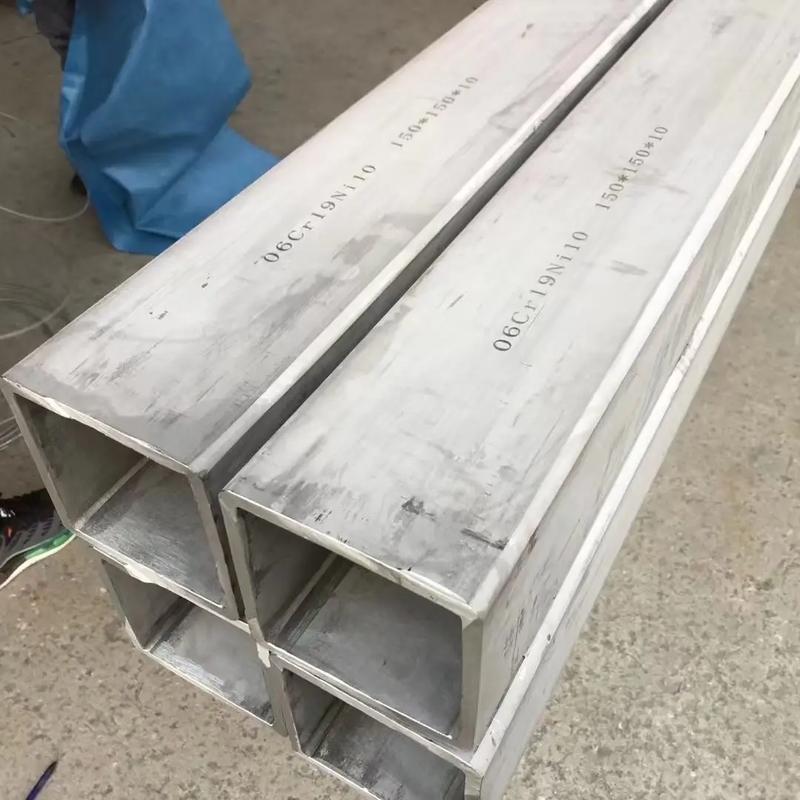
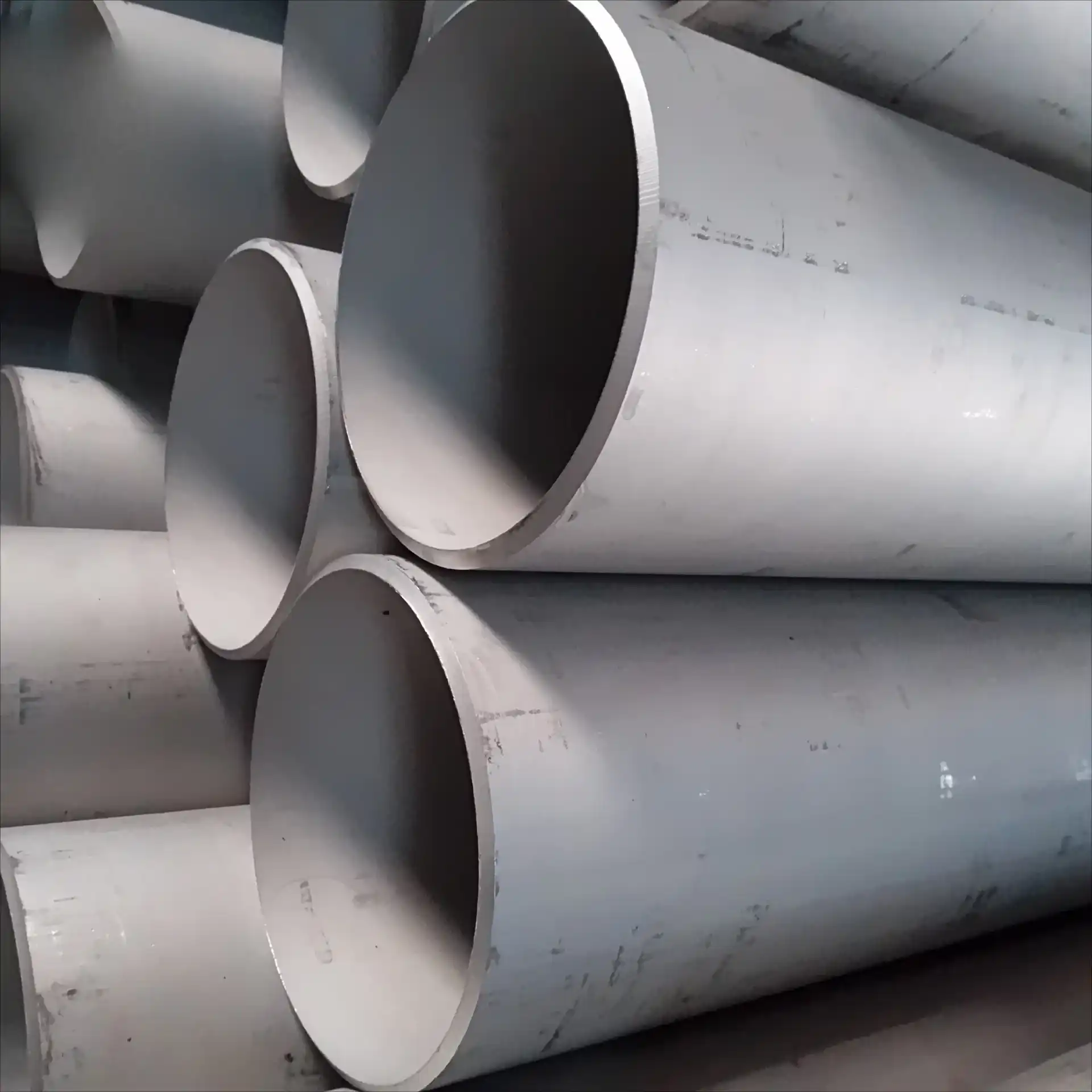
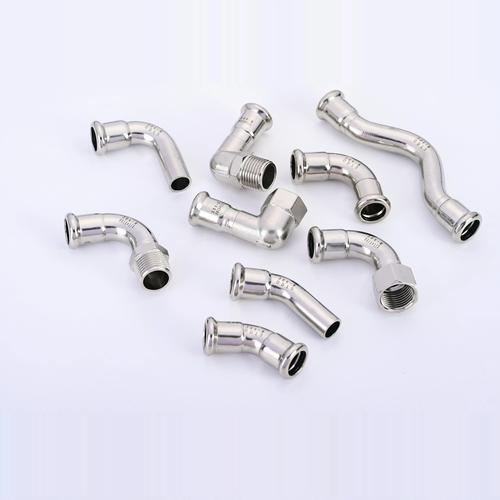
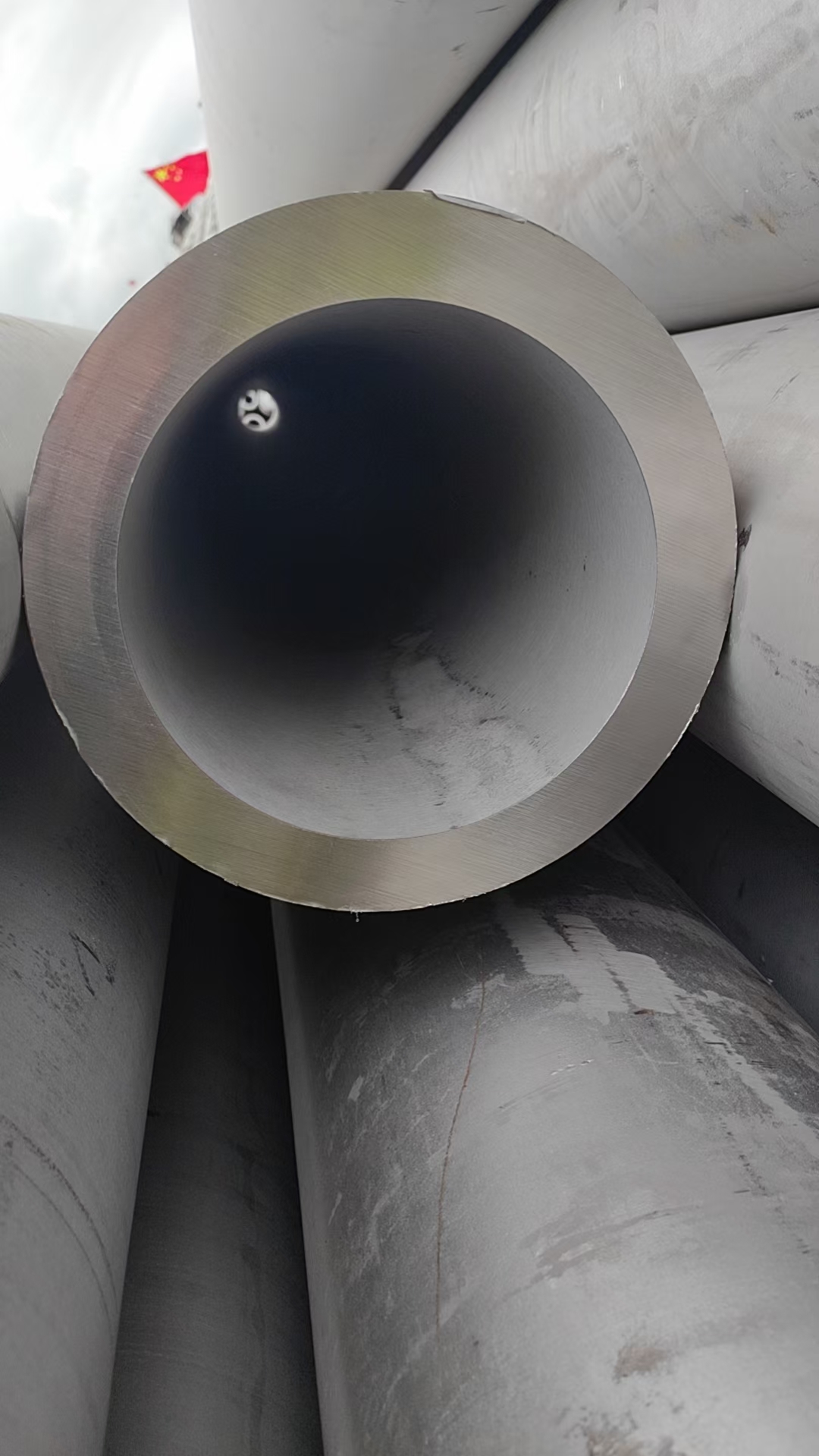
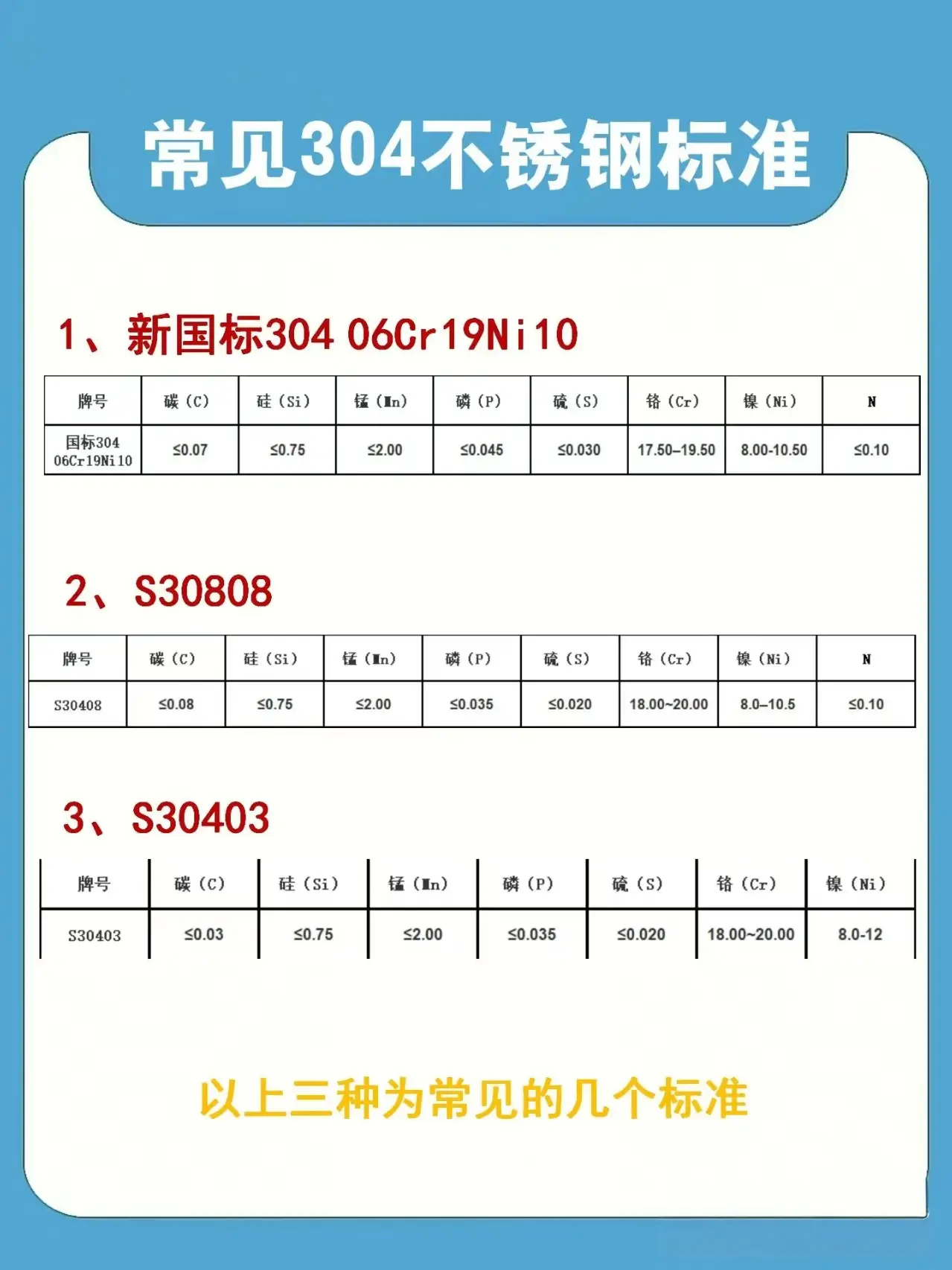
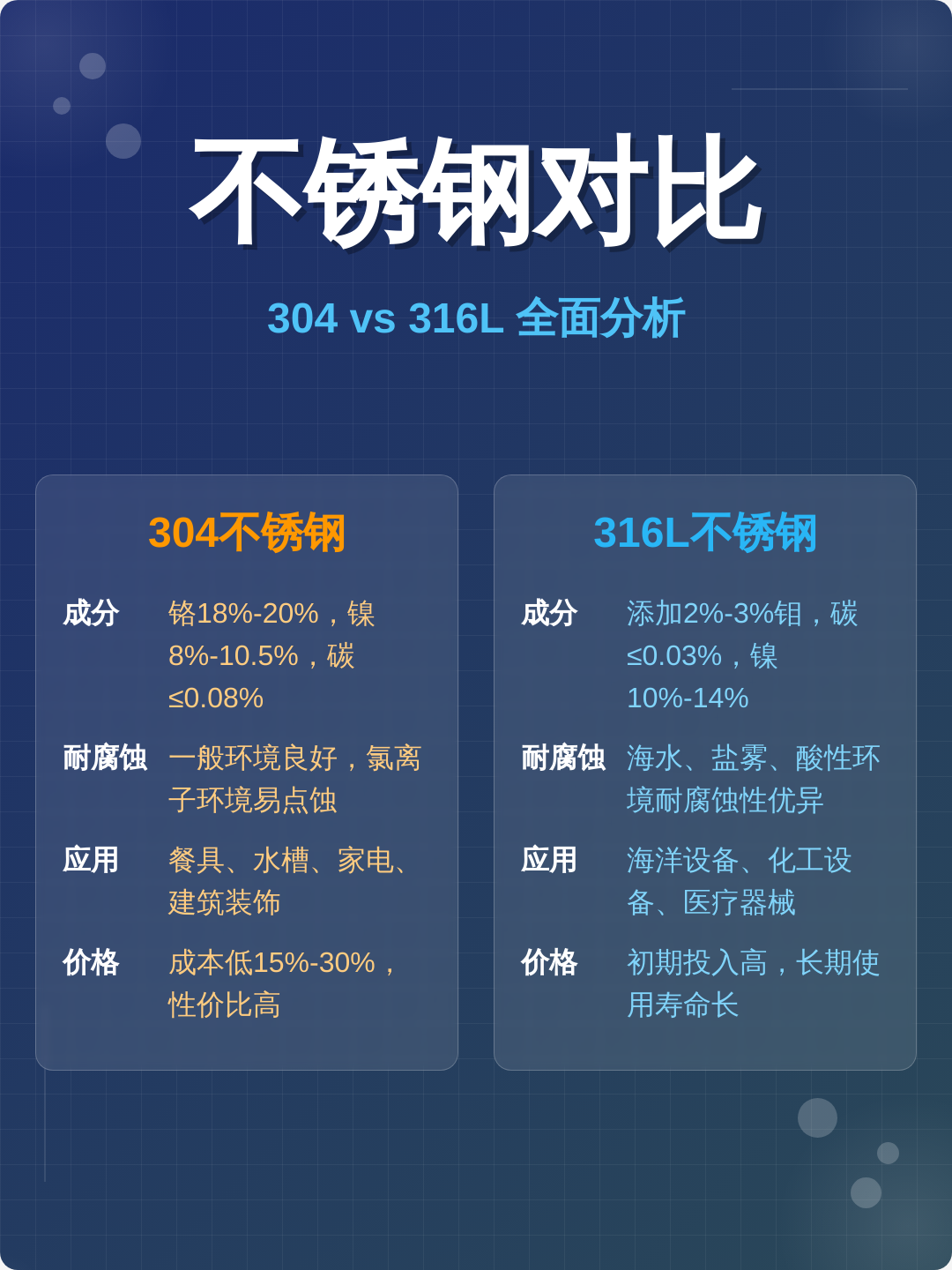
When exploring stainless steel options, understanding the distinction between 304 stainless steel vs stainless steel becomes crucial for making informed decisions. The term 'stainless steel' represents a broad family of iron-based alloys containing at least 10.5% chromium, while 304 stainless steel vs stainless steel comparison highlights one of the most widely used grades within this family. The 304 grade belongs to the austenitic stainless steel category, characterized by its exceptional balance of properties that make it suitable for diverse applications. The main functions of 304 stainless steel include providing superior corrosion resistance, maintaining structural integrity under various environmental conditions, and offering excellent formability for manufacturing processes. Its technological features encompass an 18% chromium and 8% nickel composition, creating a stable austenitic microstructure that remains non-magnetic in its annealed condition. This composition grants 304 stainless steel enhanced ductility, allowing for complex forming operations without cracking or fracturing. The chromium content forms a protective oxide layer on the surface, preventing rust and corrosion in most atmospheric conditions. Applications for 304 stainless steel vs stainless steel span across numerous industries, including food processing equipment, architectural elements, automotive components, medical devices, and household appliances. In food service, its non-reactive surface ensures product safety and maintains hygiene standards. The construction industry utilizes its aesthetic appeal and weather resistance for building facades, handrails, and decorative elements. Manufacturing sectors appreciate its weldability and machinability, enabling efficient production processes. The versatility of 304 stainless steel makes it the preferred choice when comparing 304 stainless steel vs stainless steel options, as it combines cost-effectiveness with reliable performance across multiple demanding environments.

Popular Products

The advantages of 304 stainless steel vs stainless steel become evident when examining practical benefits that directly impact users and manufacturers. Cost efficiency stands as a primary advantage, as 304 stainless steel offers an optimal balance between performance and affordability compared to higher-grade alternatives. This economic benefit allows businesses to maintain quality standards while controlling material expenses, making it accessible for both large-scale industrial projects and smaller applications. The superior corrosion resistance of 304 stainless steel surpasses many other stainless steel grades in common environments, reducing maintenance costs and extending product lifespan. Users benefit from reduced replacement frequency and lower long-term operational expenses. The excellent formability of 304 stainless steel enables manufacturers to create complex shapes and designs without compromising structural integrity, providing design flexibility that enhances product innovation. This advantage translates to reduced manufacturing time and improved production efficiency. Food safety compliance represents another significant benefit, as 304 stainless steel meets stringent FDA and food industry standards, ensuring safe contact with consumables. This compliance eliminates concerns about contamination and supports regulatory adherence. The aesthetic appeal of 304 stainless steel maintains its appearance over time, resisting staining and discoloration that affects other materials. This visual stability reduces the need for frequent cleaning or refinishing, saving both time and money. Welding compatibility allows for easy joining and repair processes, enabling cost-effective maintenance and modification procedures. The non-magnetic properties in its annealed state provide advantages in applications where magnetic interference must be minimized. Temperature stability ensures consistent performance across moderate temperature ranges, making it suitable for both indoor and outdoor applications. The recyclability of 304 stainless steel supports environmental sustainability goals while maintaining material value at end-of-life, contributing to circular economy practices. These practical advantages make 304 stainless steel vs stainless steel comparison favor the 304 grade for most standard applications where specialized properties are not required.

Tips And Tricks

Strongwin Stainless Steel Group Achieves ISO 90012015 Certification and AD 2000 Merkblatt Approval

28

Feb

Strongwin Stainless Steel Group Achieves ISO 90012015 Certification and AD 2000 Merkblatt Approval

View More
Strongwin Stainless Steel Group Announces Major Production Capacity Expansion to Meet Growing Global Demand

11

Mar

Strongwin Stainless Steel Group Announces Major Production Capacity Expansion to Meet Growing Global Demand

View More
Strongwin Stainless Steel Group Announces Strategic Partnership with Leading European Engineering Firm

11

Mar

Strongwin Stainless Steel Group Announces Strategic Partnership with Leading European Engineering Firm

View More

Get a Free Quote

Our representative will contact you soon.
Email
Mobile/WhatsApp
Name
Company Name
Message
0/1000

304 stainless steel vs stainless steel

Superior Corrosion Resistance and Durability

Superior Corrosion Resistance and Durability

The exceptional corrosion resistance of 304 stainless steel vs stainless steel comparison reveals why this grade has become the industry standard for applications requiring long-term reliability. The unique chromium-nickel composition creates a self-healing oxide layer that continuously protects the underlying metal from environmental damage. This protective barrier reforms automatically when scratched or damaged, ensuring consistent protection throughout the material's service life. Unlike carbon steel or lower-grade stainless steels, 304 stainless steel maintains its structural integrity when exposed to moisture, mild acids, and atmospheric conditions that would cause rapid deterioration in other materials. The durability factor extends beyond simple rust resistance, encompassing resistance to pitting, crevice corrosion, and general atmospheric attack that can compromise both appearance and structural performance. This superior protection translates directly into reduced maintenance requirements, eliminating the need for protective coatings, frequent inspections, or premature replacements that burden operational budgets. Industries such as food processing, chemical handling, and marine applications rely on this corrosion resistance to maintain safety standards and operational efficiency. The economic impact becomes substantial over time, as the initial investment in 304 stainless steel pays dividends through extended service life and reduced lifecycle costs. Environmental factors such as humidity, salt air, and industrial pollutants that quickly degrade other materials have minimal impact on 304 stainless steel performance. This resilience makes it particularly valuable for outdoor installations, coastal environments, and facilities where cleaning chemicals or food acids create challenging conditions. The predictable performance characteristics allow engineers and designers to specify 304 stainless steel with confidence, knowing that material failure due to corrosion will not compromise project timelines or safety requirements. Maintenance teams appreciate the reduced workload and lower inventory requirements for replacement parts, as 304 stainless steel components consistently outlast alternatives made from other materials.
Exceptional Formability and Manufacturing Versatility

Exceptional Formability and Manufacturing Versatility

The outstanding formability of 304 stainless steel vs stainless steel options provides manufacturers with unparalleled design freedom and production efficiency. The austenitic crystal structure of 304 stainless steel allows for extensive cold forming operations without work hardening to the point of cracking or failure. This characteristic enables complex geometries, deep drawing operations, and intricate forming processes that would be impossible or prohibitively expensive with other stainless steel grades. Manufacturers can achieve tight radius bends, complex curves, and detailed shapes while maintaining material integrity throughout the forming process. The excellent ductility permits stretching and shaping operations that expand design possibilities, allowing engineers to create optimized components that balance strength, weight, and functionality. Welding capabilities further enhance manufacturing versatility, as 304 stainless steel accepts various welding processes including TIG, MIG, and resistance welding without requiring special procedures or post-weld treatments. The consistent weld quality achievable with 304 stainless steel reduces production variability and improves quality control outcomes. Machining properties complement the forming advantages, as 304 stainless steel machines cleanly with proper tooling and cutting parameters, enabling precise dimensional control and surface finishes. The material's response to heat treatment allows for controlled property modification when specific hardness or strength characteristics are required for particular applications. Rolling, spinning, hydroforming, and stamping operations proceed smoothly with 304 stainless steel, supporting high-volume production requirements while maintaining dimensional accuracy. The spring-back characteristics are predictable and manageable, allowing tool designers to compensate for material behavior and achieve consistent part geometry. Surface finishing options range from mill finish to highly polished surfaces, supporting both functional and aesthetic requirements without additional processing complications. This manufacturing versatility translates to reduced tooling costs, shorter setup times, and improved production rates, making 304 stainless steel an economically attractive choice for diverse manufacturing operations requiring both performance and efficiency.
Food Safety and Hygiene Excellence

Food Safety and Hygiene Excellence

The food safety credentials of 304 stainless steel vs stainless steel alternatives establish it as the premier choice for applications involving food contact and hygiene-critical environments. The non-porous surface structure prevents bacterial growth and contamination, creating an inherently sanitary material that supports strict food safety protocols. Unlike plastics or coated materials that can harbor microorganisms in surface imperfections, 304 stainless steel provides a smooth, cleanable surface that maintains its hygienic properties throughout its service life. The chemical inertness ensures that no metallic ions or compounds leach into food products, preserving taste, nutritional content, and safety standards required by regulatory agencies. FDA approval for food contact applications validates the safety profile of 304 stainless steel, providing manufacturers and food processors with confidence in regulatory compliance. The ease of cleaning and sanitization reduces operational complexity in food processing facilities, where thorough cleaning between product runs is essential for preventing cross-contamination. Steam cleaning, chemical sanitizers, and high-temperature wash cycles have no adverse effect on 304 stainless steel surfaces, enabling effective sterilization procedures that ensure product safety. The resistance to staining and discoloration maintains the visual appeal and cleanliness appearance that consumers associate with quality food processing equipment. Unlike other materials that may absorb odors or flavors from processed foods, 304 stainless steel remains neutral, preventing flavor transfer between different product batches. The durability under repeated cleaning cycles eliminates concerns about surface degradation that could create bacterial harboring sites or contamination risks. Restaurant equipment, dairy processing systems, beverage production lines, and commercial kitchen appliances rely on these hygienic properties to meet health department standards and maintain consumer confidence. The long-term cost benefits include reduced cleaning time, lower sanitization chemical consumption, and elimination of replacement costs associated with materials that degrade under aggressive cleaning protocols. Quality assurance programs benefit from the consistent, predictable performance of 304 stainless steel, as material-related contamination risks are effectively eliminated through proper material selection and design practices.

Get a Free Quote

Our representative will contact you soon.
Email
Mobile/WhatsApp
Name
Company Name
Message
0/1000