mga fitting na gawa sa bakal na may kawalan ng kabiguan na 316
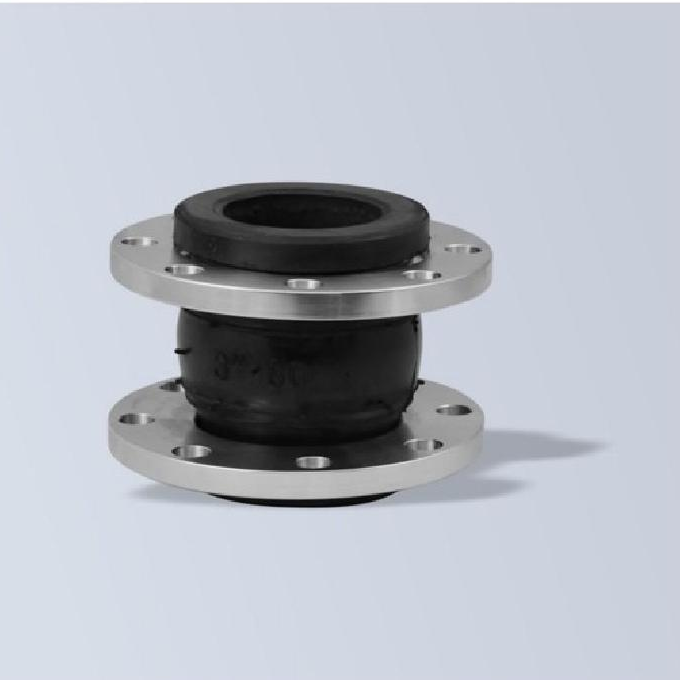
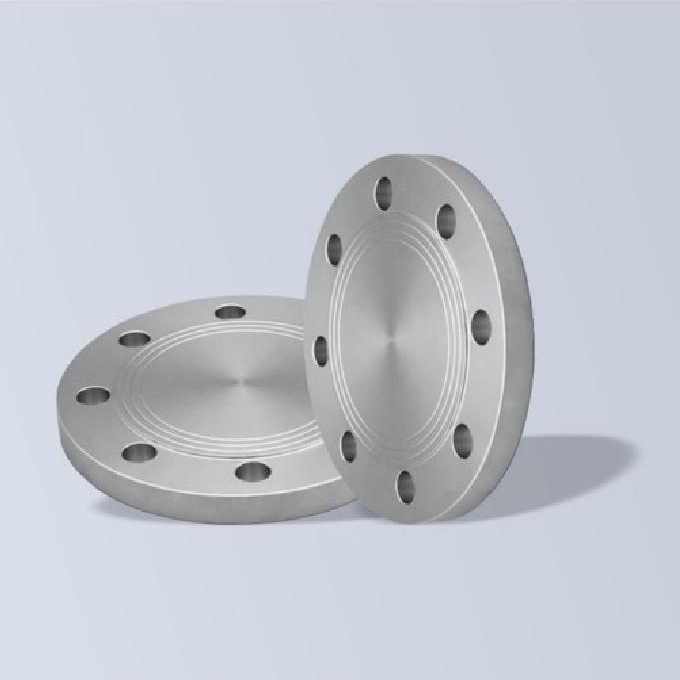
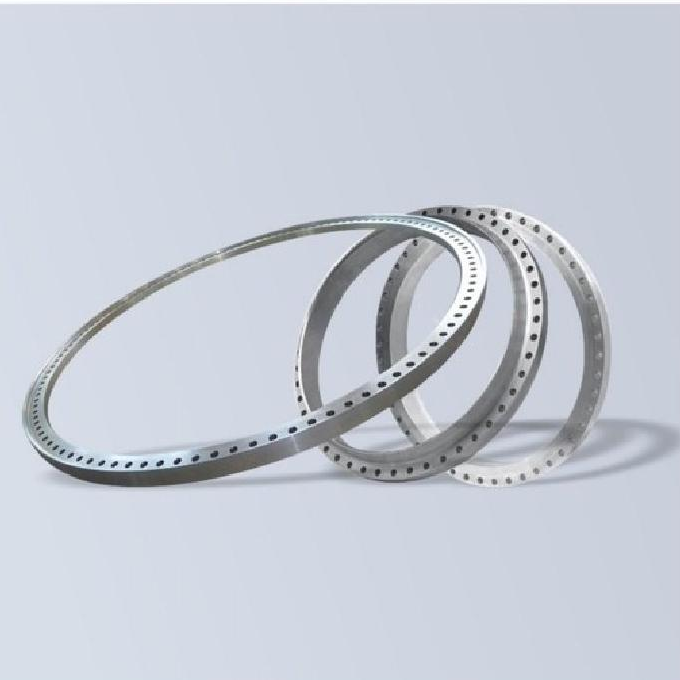
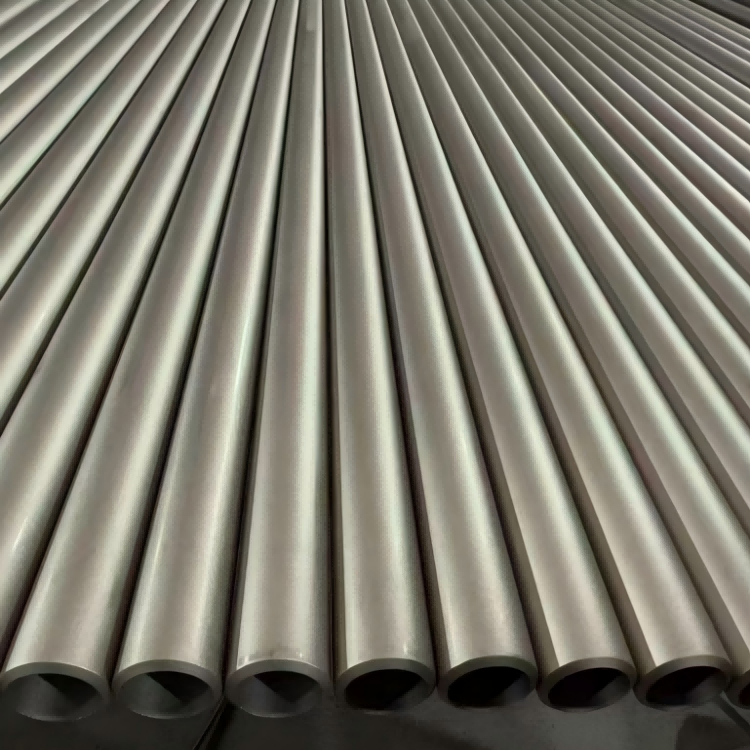
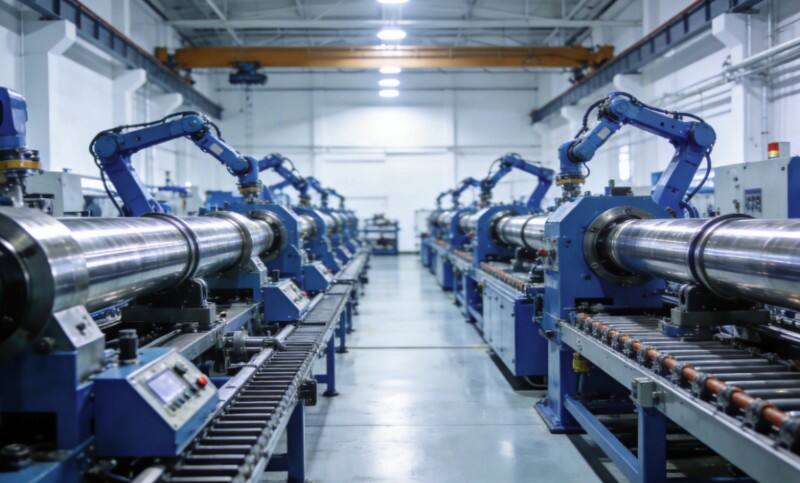
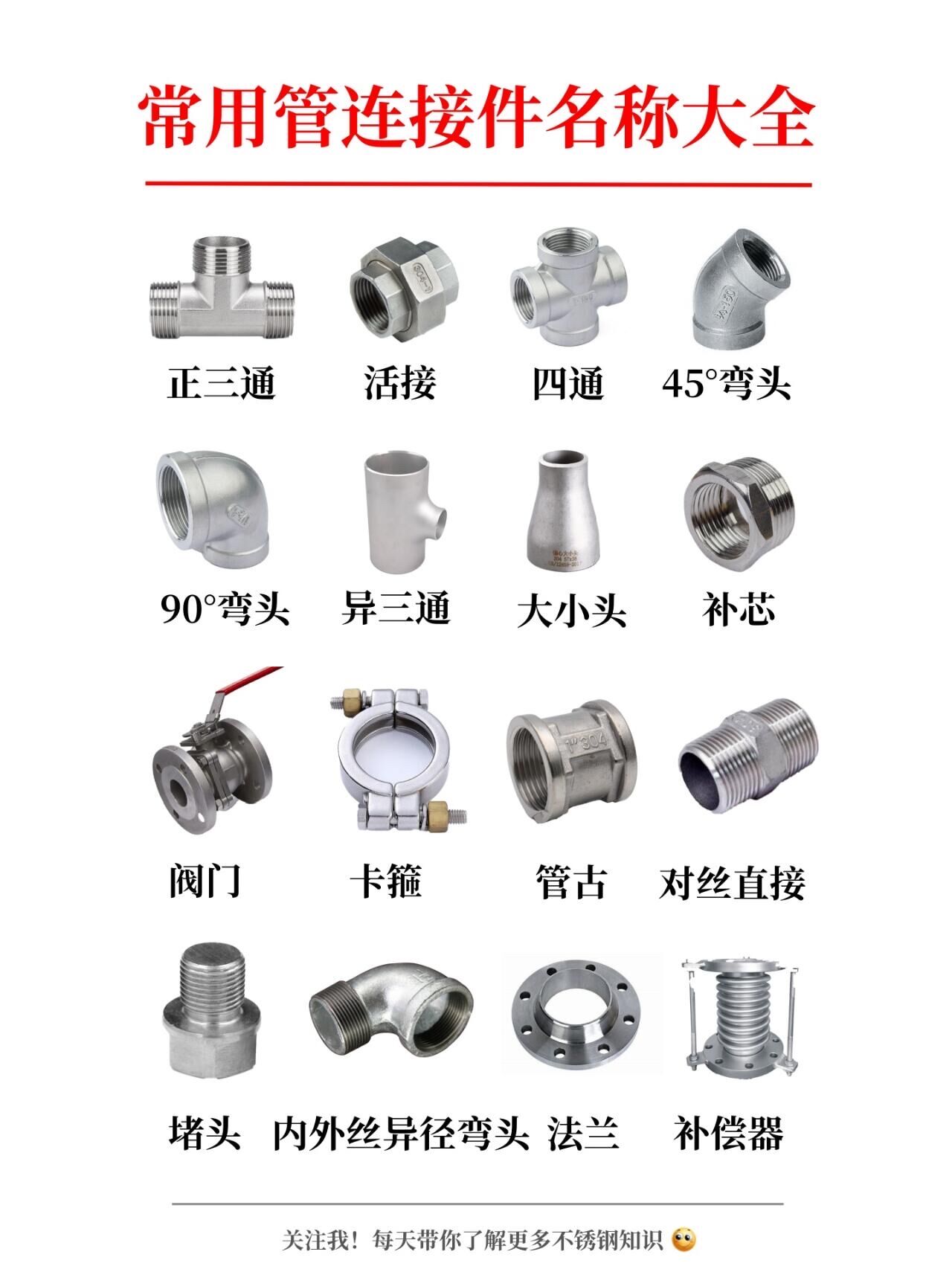
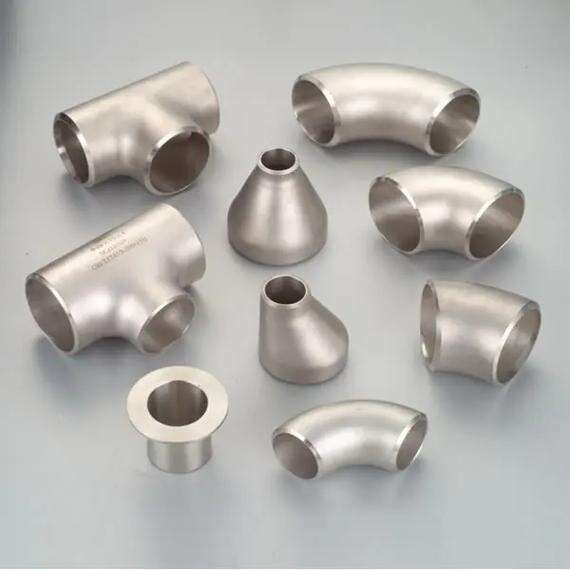
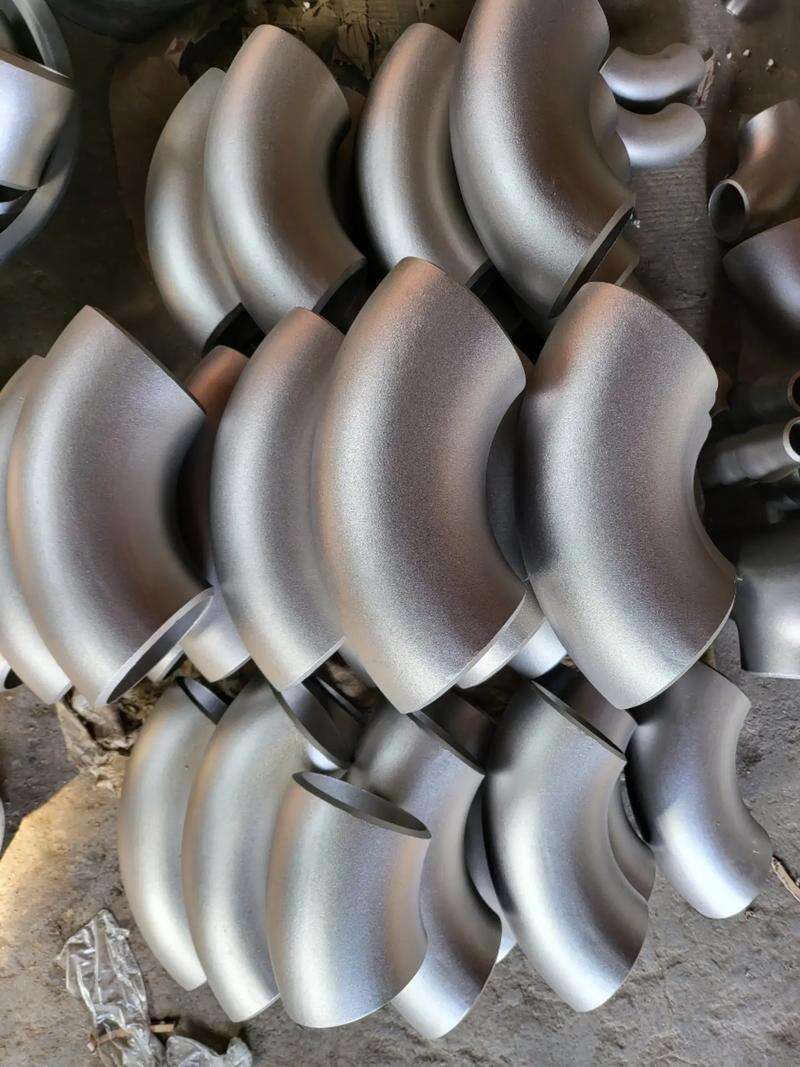
ang mga fitting na gawa sa 316 stainless steel ay kumakatawan sa isang premium na antas ng mga bahagi para sa pagkonekta ng tubo, na partikular na idinisenyo para sa mahihirap na aplikasyon sa industriya. Ang mga espesyalisadong fitting na ito ay gumagampan ng mahalagang tungkulin bilang mga konektor sa mga sistema ng tubo kung saan ang labis na resistensya sa korosyon at lakas na mekanikal ay napakahalaga. Ang komposisyon ng 316 stainless steel ay naglalaman ng molibdeno bilang pangunahing elemento ng alloy, na lubos na nagpapahusay sa resistensya ng materyal sa korosyon dulot ng chloride at sa pitting sa mga mapanganib na kapaligiran. Ang pangunahing mga tungkulin ng mga fitting na gawa sa 316 stainless steel ay kinabibilangan ng pag-uugnay ng mga tubo, pagbabago ng direksyon ng daloy, pagbawas o pagpapalawak ng diameter ng tubo, at pagbibigay ng mga punto ng pag-access para sa pagpapanatili at inspeksyon. Ang mga komponenteng ito ay nagpapadali ng tuloy-tuloy na paglipat ng likido habang pinapanatili ang integridad ng sistema sa ilalim ng ekstremong kondisyon. Kasama sa mga teknolohikal na katangian nito ang presisyong paggawa sa pamamagitan ng mga advanced na proseso ng pag-cast, forging, at machining upang matiyak ang katiyakan ng dimensyon at kalidad ng surface finish. Ang austenitic microstructure ay nagbibigay ng mahusay na formability at weldability, na nagpapahintulot sa paglikha ng mga kumplikadong hugis at pasadyang konpigurasyon. Ang mga proseso ng heat treatment ay nag-o-optimize sa mga mekanikal na katangian, na nakakamit ang superior na tensile strength, yield strength, at impact resistance. Ang surface finish ay maaaring mula sa standard mill finish hanggang sa electropolished surfaces para sa mga aplikasyon sa pharmaceutical industry. Ang mga aplikasyon nito ay sumasaklaw sa mga halaman ng chemical processing, mga kapaligiran sa dagat, produksyon ng pagkain at inumin, pagmamanupaktura ng pharmaceutical, mga refinery ng langis at gas, at mga pasilidad sa paggamot ng wastewater. Sa chemical processing, ang mga fitting na gawa sa 316 stainless steel ay kaya ang mga agresibong kemikal, acid, at caustic solution nang walang anumang pagkasira. Sa mga aplikasyon sa dagat, ang superior na resistensya sa korosyon ng tubig-alat ay nagbibigay-daan sa mga fitting na ito na maging ideal para sa offshore platforms, shipbuilding, at mga instalasyon sa baybayin. Ang mga industriya ng pagkain at inumin ay umaasa sa mga hygienic na katangian at madaling linisin na katangian nito para sa mga sanitary piping system. Ang sektor ng pharmaceutical ay nangangailangan ng ultra-clean na surface at non-reactive na katangian para sa mga kagamitan sa sterile processing. Ang mga fitting na ito ay pinapanatili ang kanilang structural integrity sa mga temperatura mula sa cryogenic hanggang sa mataas na operating conditions habang pinapanatili ang mga katangian ng daloy at kahusayan ng sistema sa buong mahabang buhay ng serbisyo.


 EN
EN