Stainless Steel 316L Composition: Complete Guide to Properties, Benefits and Industrial Applications

All Categories

Get a Free Quote

Our representative will contact you soon.
Email
Mobile/WhatsApp
Name
Company Name
Message
0/1000

stainless steel 316l composition

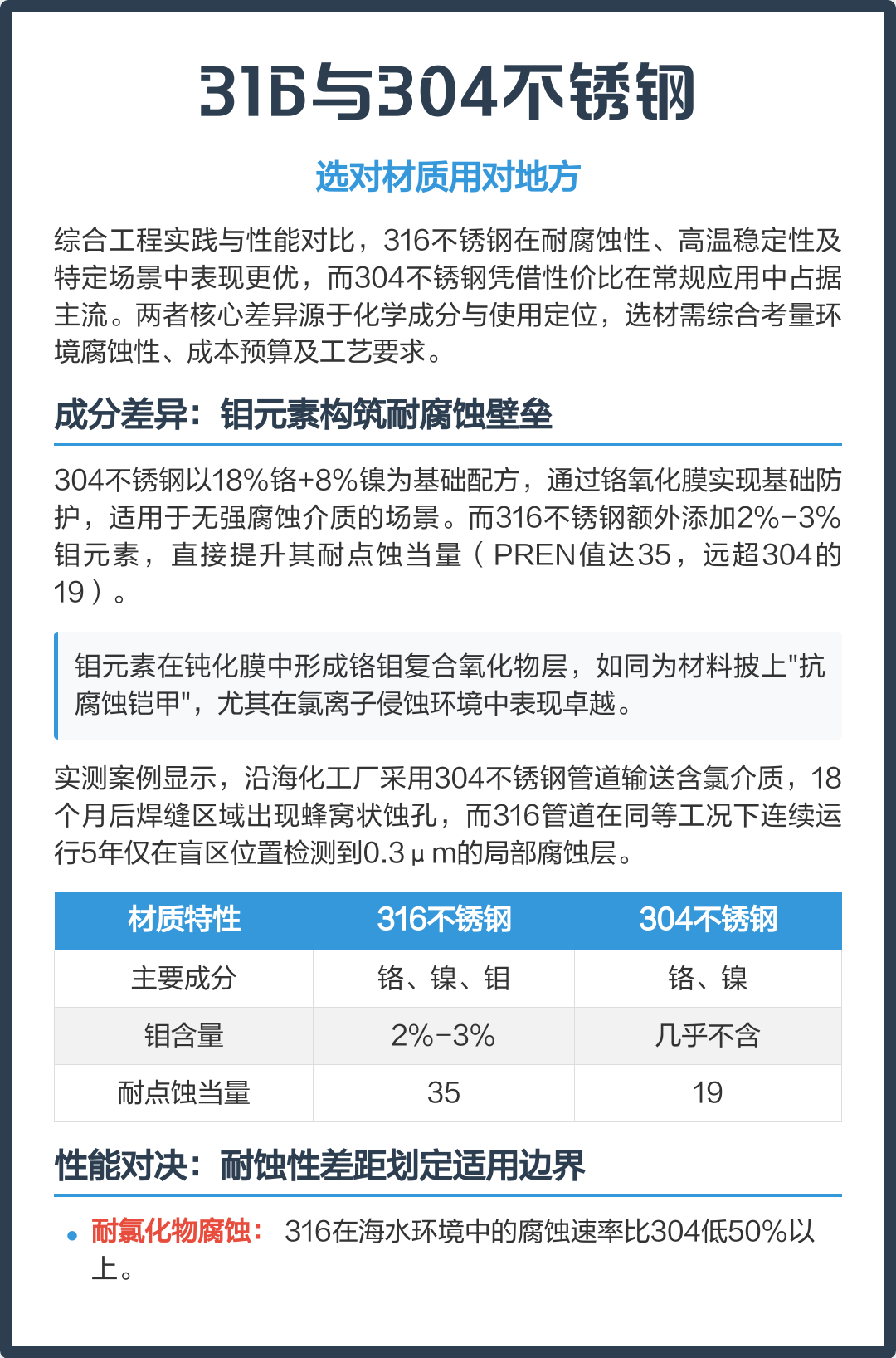
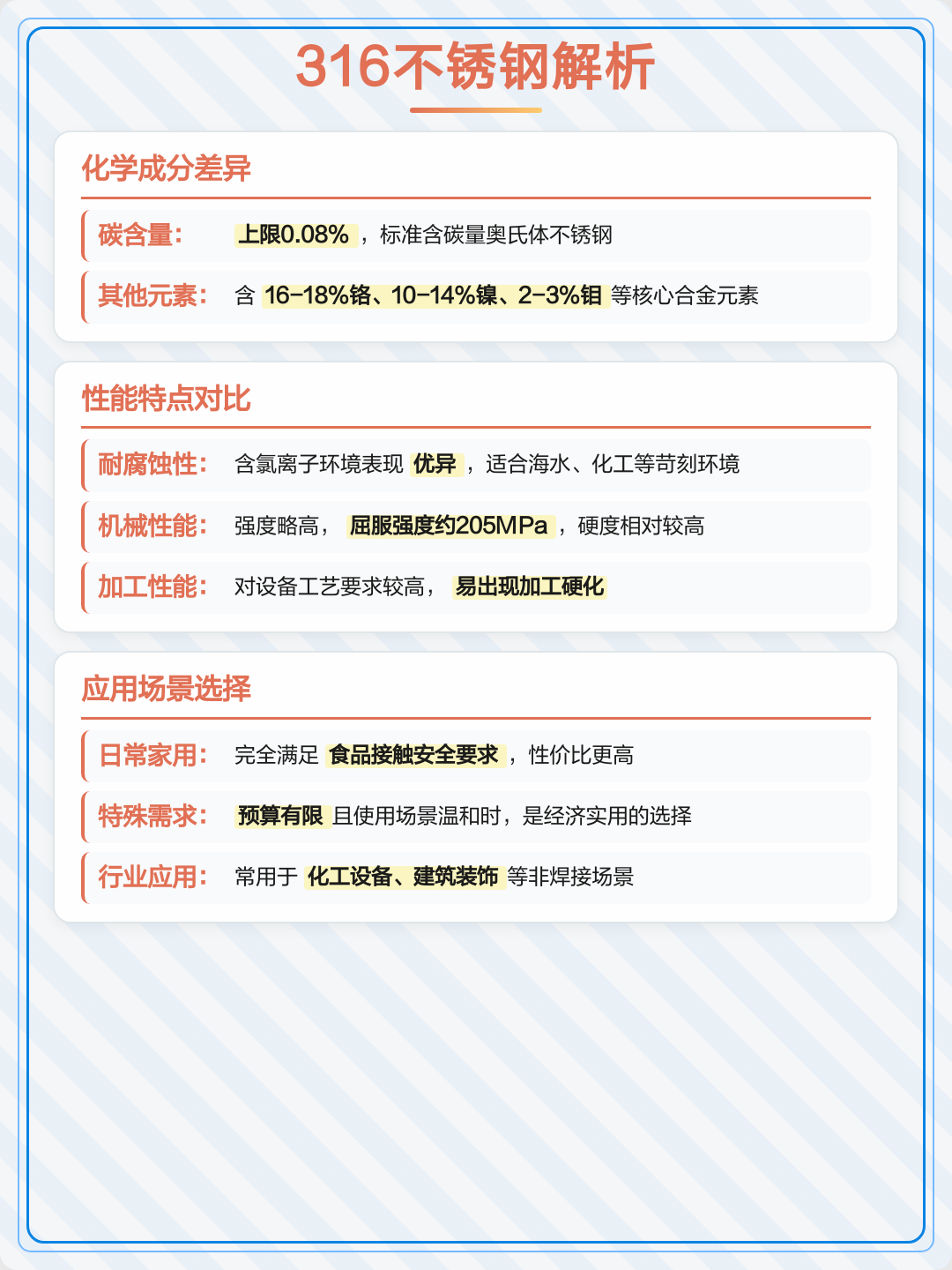
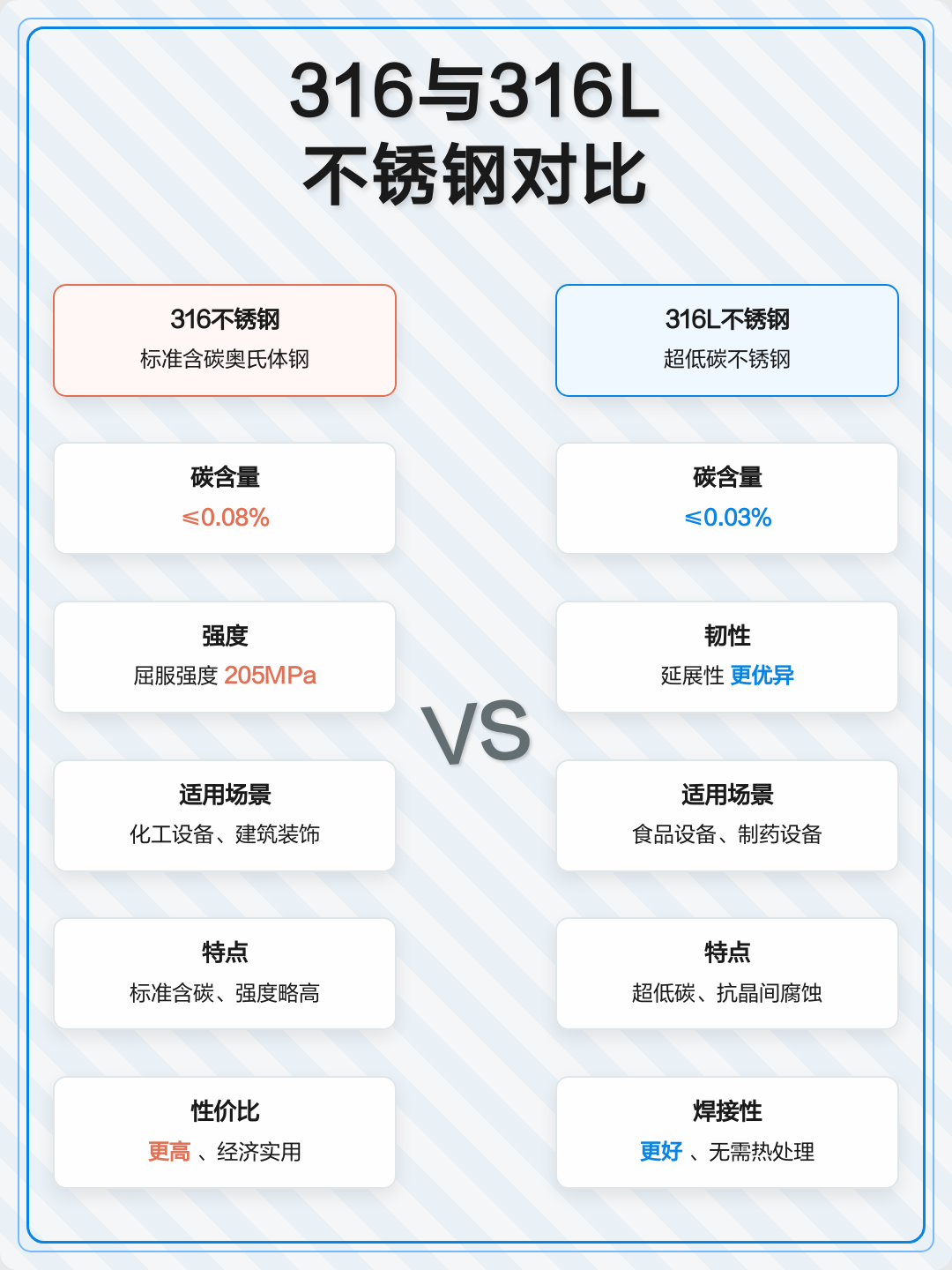
Stainless steel 316L composition represents one of the most versatile and widely utilized austenitic stainless steel grades in modern industrial applications. This low-carbon variant of 316 stainless steel contains approximately 17-20% chromium, 10-14% nickel, and 2-3% molybdenum, with carbon content reduced to a maximum of 0.03%. The 'L' designation specifically indicates this low-carbon formulation, which significantly enhances its corrosion resistance properties and weldability characteristics. The stainless steel 316L composition delivers exceptional performance in environments where standard grades would fail, making it indispensable across numerous sectors. Its main functions encompass providing superior corrosion resistance, maintaining structural integrity under extreme temperatures, and offering excellent formability for complex manufacturing processes. The technological features of this composition include outstanding resistance to pitting and crevice corrosion, particularly in chloride-rich environments, exceptional performance in acidic conditions, and remarkable durability against stress corrosion cracking. These characteristics stem from the carefully balanced alloy elements within the stainless steel 316L composition. The molybdenum content specifically enhances resistance to localized corrosion, while the low carbon content prevents carbide precipitation during welding operations. Applications for this grade span across marine equipment, chemical processing plants, pharmaceutical manufacturing, food processing machinery, medical implants, and architectural components. The stainless steel 316L composition excels in seawater environments, making it ideal for offshore platforms, boat fittings, and coastal infrastructure. In chemical industries, it withstands exposure to various acids, alkalis, and organic compounds. The biocompatibility of this composition makes it suitable for surgical instruments, orthopedic implants, and dental equipment. Additionally, its hygienic properties and easy cleaning capabilities make it perfect for food processing equipment, brewing tanks, and dairy industry applications.

New Product Releases

The stainless steel 316L composition offers numerous practical benefits that directly translate into cost savings and improved performance for users across various industries. This grade provides exceptional longevity, significantly reducing replacement costs and maintenance requirements compared to standard steel alternatives. The superior corrosion resistance means equipment and structures maintain their integrity for decades, even in harsh marine or chemical environments. Users experience fewer shutdowns for repairs, leading to increased operational efficiency and productivity. The excellent weldability of stainless steel 316L composition allows for easier fabrication and installation processes. Welders can work with this material without concerns about carbide precipitation, which commonly affects higher-carbon grades. This characteristic reduces welding complications and ensures consistent joint quality throughout large projects. The material maintains its mechanical properties even after extensive welding, eliminating the need for post-weld heat treatment in most applications. Another significant advantage lies in the material's versatility across temperature ranges. The stainless steel 316L composition performs reliably from cryogenic temperatures up to 870°C, making it suitable for diverse operational conditions. This temperature stability ensures consistent performance whether used in refrigeration systems or high-temperature chemical reactors. The non-magnetic properties of this composition prove beneficial in electronic and medical applications where magnetic interference must be minimized. Users can confidently employ this material near sensitive equipment without concerns about magnetic field disruption. The smooth surface finish achievable with stainless steel 316L composition facilitates easy cleaning and sanitization, crucial in food processing and pharmaceutical applications. This characteristic reduces bacterial growth and contamination risks, ensuring product quality and safety. The material's recyclability adds environmental benefits while maintaining economic value at the end of its service life. Unlike coated materials, the stainless steel 316L composition retains its corrosion resistance throughout its thickness, meaning surface scratches or minor damage do not compromise its protective properties. This durability ensures consistent performance even under mechanical stress or abrasive conditions. The widespread availability and standardized properties of this composition provide supply chain reliability and consistent quality across different suppliers and regions.

Tips And Tricks

Strongwin Stainless Steel Group Achieves ISO 90012015 Certification and AD 2000 Merkblatt Approval

28

Feb

Strongwin Stainless Steel Group Achieves ISO 90012015 Certification and AD 2000 Merkblatt Approval

View More
Strongwin Stainless Steel Group Announces Major Production Capacity Expansion to Meet Growing Global Demand

11

Mar

Strongwin Stainless Steel Group Announces Major Production Capacity Expansion to Meet Growing Global Demand

View More
Strongwin Stainless Steel Group Announces Strategic Partnership with Leading European Engineering Firm

11

Mar

Strongwin Stainless Steel Group Announces Strategic Partnership with Leading European Engineering Firm

View More

Get a Free Quote

Our representative will contact you soon.
Email
Mobile/WhatsApp
Name
Company Name
Message
0/1000

stainless steel 316l composition

Unmatched Corrosion Resistance in Aggressive Environments

Unmatched Corrosion Resistance in Aggressive Environments

The stainless steel 316L composition demonstrates extraordinary corrosion resistance that surpasses most other metallic materials in aggressive environments, particularly those containing chlorides, acids, and other corrosive substances. This superior performance stems from the carefully engineered balance of alloying elements, where chromium forms a protective oxide layer, nickel enhances general corrosion resistance, and molybdenum provides crucial defense against localized attack forms such as pitting and crevice corrosion. In marine environments, where saltwater exposure would rapidly degrade ordinary metals, the stainless steel 316L composition maintains its structural integrity and aesthetic appearance for decades without significant deterioration. This remarkable resistance extends to chemical processing environments where exposure to sulfuric acid, hydrochloric acid, and various organic acids would quickly compromise lesser materials. The low carbon content in this composition prevents the formation of chromium carbides during welding or high-temperature exposure, ensuring that the material retains its corrosion resistance properties throughout fabrication and service life. This characteristic proves particularly valuable in pharmaceutical manufacturing, where equipment must withstand repeated sterilization cycles using harsh chemicals and high-temperature steam. The resistance to stress corrosion cracking, a common failure mode in chloride environments under tensile stress, makes this composition ideal for pressure vessels, piping systems, and structural components in coastal or marine applications. Industrial users benefit from reduced maintenance costs, fewer unplanned shutdowns, and extended equipment life cycles. The composition's ability to resist galvanic corrosion when coupled with dissimilar metals further expands its applicability in complex assemblies. Food processing industries rely on this corrosion resistance to maintain hygienic conditions while withstanding aggressive cleaning chemicals and sanitizing solutions. The predictable and consistent corrosion behavior of stainless steel 316L composition allows engineers to design with confidence, knowing that the material will perform as expected throughout its intended service life.
Superior Mechanical Properties and Formability

Superior Mechanical Properties and Formability

The stainless steel 316L composition exhibits exceptional mechanical properties that combine high strength with outstanding formability, enabling manufacturers to create complex shapes and structures while maintaining structural integrity. This unique combination results from the austenitic crystal structure, which provides excellent ductility and work-hardening characteristics. The material can undergo significant plastic deformation through processes such as deep drawing, spinning, and complex forming operations without cracking or failure. Cold working actually increases the strength of the stainless steel 316L composition through strain hardening, allowing designers to achieve higher strength levels in finished components without compromising ductility. This work-hardening behavior proves particularly beneficial in applications requiring both strength and formability, such as automotive exhaust systems, architectural components, and pressure vessel fabrication. The excellent impact resistance ensures reliable performance under shock loading conditions, making it suitable for transportation equipment and seismic-resistant structures. The material maintains its mechanical properties across a wide temperature range, from cryogenic applications in liquefied gas storage to elevated temperature service in chemical reactors and heat exchangers. The low yield strength to tensile strength ratio provides excellent reserve capacity against unexpected overloads while maintaining predictable elastic behavior under normal operating conditions. Welding characteristics of this composition enable fabrication of large, complex structures without degradation of mechanical properties in heat-affected zones. The material's ability to be easily machined, despite its work-hardening tendency, allows for precise finishing operations and tight tolerance requirements. The non-magnetic nature in the annealed condition proves advantageous in electronic applications and medical devices where magnetic properties could interfere with sensitive equipment. Fatigue resistance ensures long-term reliability under cyclic loading conditions, crucial for marine hardware, architectural elements, and mechanical components subject to repeated stress cycles. The predictable and well-documented mechanical properties of stainless steel 316L composition enable confident engineering calculations and reliable design practices across diverse applications.
Exceptional Biocompatibility and Hygiene Standards

Exceptional Biocompatibility and Hygiene Standards

The stainless steel 316L composition stands out for its exceptional biocompatibility and ability to meet the highest hygiene standards, making it indispensable in medical, pharmaceutical, and food processing industries where human health and safety are paramount concerns. This composition has received extensive testing and approval from regulatory bodies worldwide for direct contact with human tissue, body fluids, and consumable products. The biocompatible nature results from the stable, inert surface that resists ion release into biological environments, preventing adverse reactions or toxic effects. Medical device manufacturers rely on this composition for surgical implants, orthopedic hardware, dental equipment, and surgical instruments due to its proven track record of biocompatibility and corrosion resistance in physiological environments. The smooth surface finish achievable with stainless steel 316L composition creates an inhospitable environment for bacterial adhesion and growth, crucial for maintaining sterile conditions in medical and food processing applications. This surface characteristic, combined with the material's resistance to cleaning chemicals and sterilization procedures, ensures that equipment maintains hygienic standards throughout extensive use cycles. The composition withstands repeated autoclaving, chemical sterilization, and high-pressure cleaning without degradation or surface contamination. In pharmaceutical manufacturing, where product purity is critical, the stainless steel 316L composition provides assurance against metallic contamination while resisting the aggressive cleaning and sterilization protocols required by regulatory standards. Food processing equipment manufacturers choose this composition because it meets FDA requirements for direct food contact while resisting the acids, salts, and cleaning chemicals commonly encountered in food production environments. The material's resistance to taste and odor transfer ensures that processed foods maintain their intended flavor profiles without metallic contamination. The ease of cleaning and sanitizing reduces the risk of cross-contamination between product batches, crucial for allergen control and food safety protocols. The long-term stability of the surface finish ensures that hygienic properties remain consistent throughout the equipment's service life, providing reliable performance and regulatory compliance across diverse applications where human health depends on material safety and cleanliness.

Get a Free Quote

Our representative will contact you soon.
Email
Mobile/WhatsApp
Name
Company Name
Message
0/1000