stainless steel 316l composition
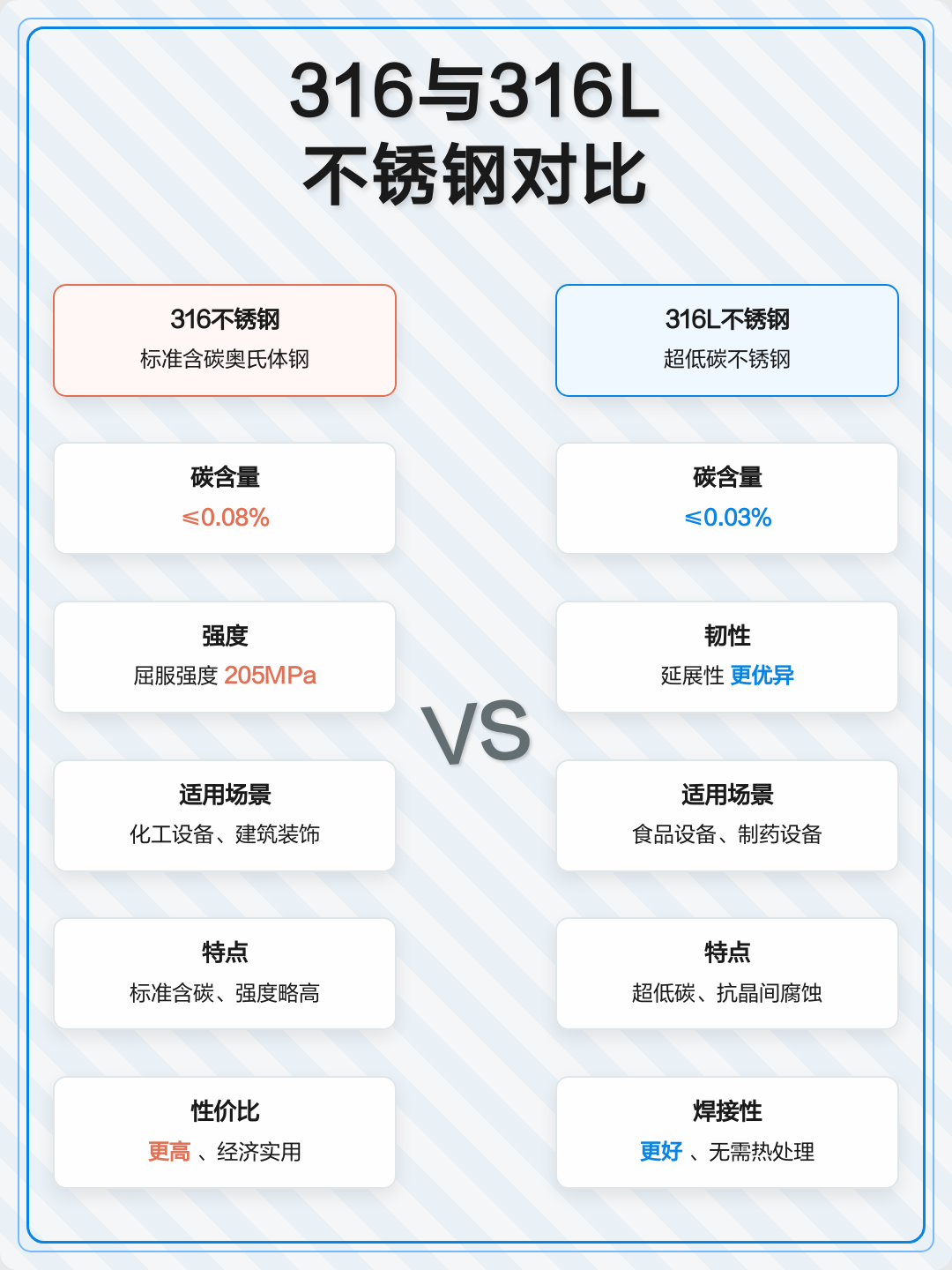
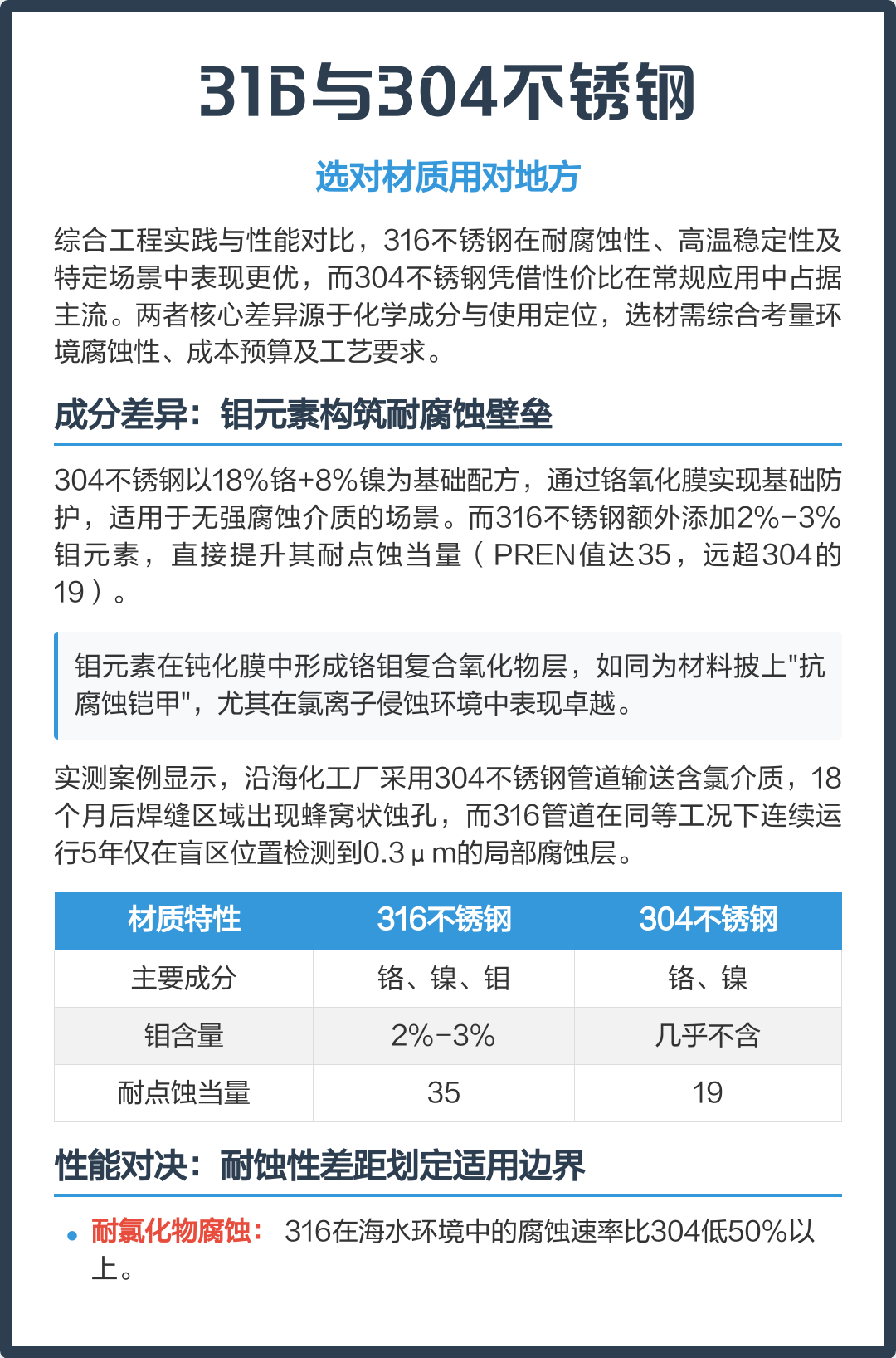
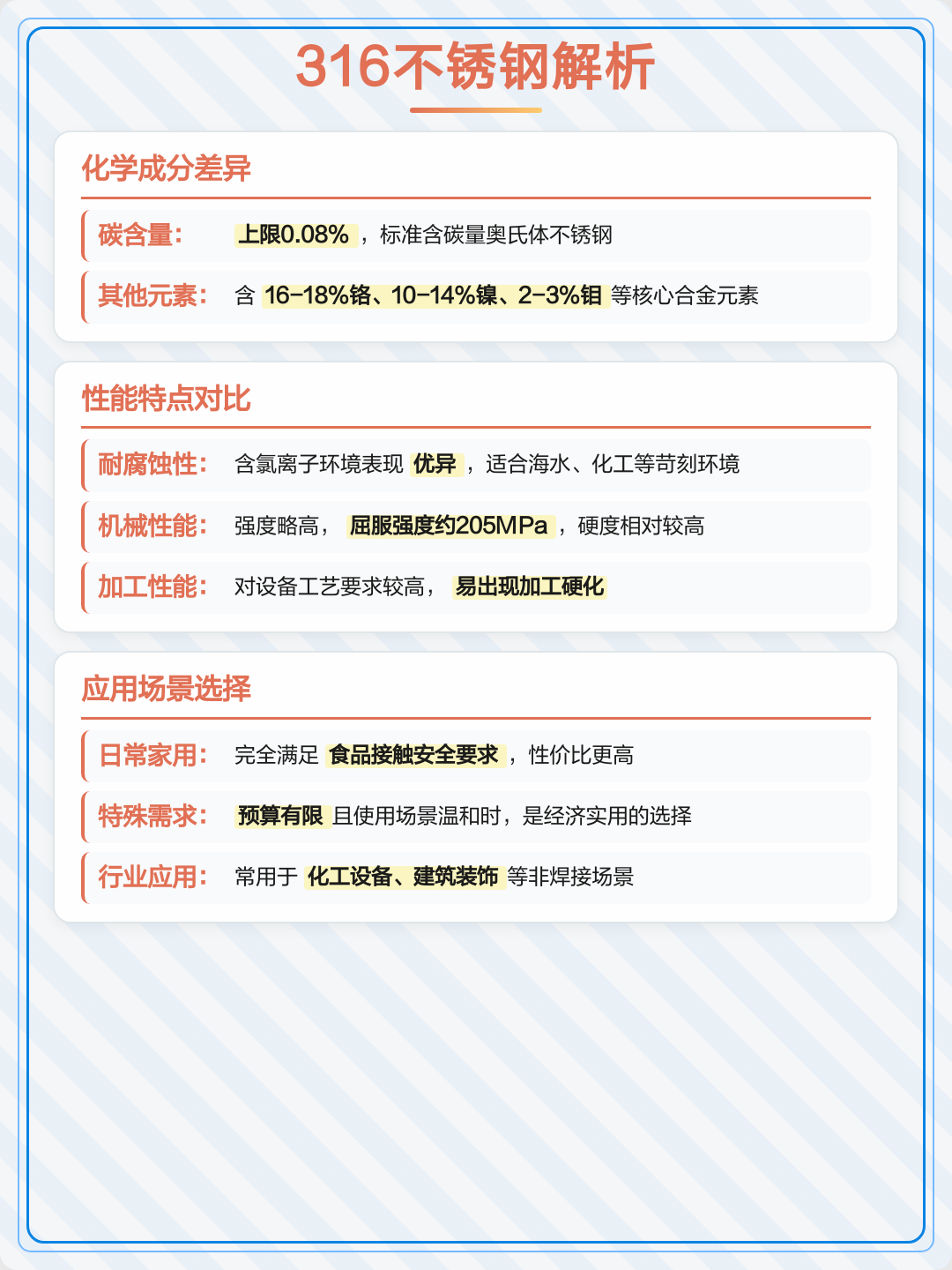
Stainless steel 316l composition represents a premium alloy engineered for demanding industrial applications. This austenitic stainless steel contains iron as its primary element, combined with chromium, nickel, and molybdenum to create exceptional corrosion resistance. The stainless steel 316l composition typically includes 16-18% chromium, 10-14% nickel, and 2-3% molybdenum, which work synergistically to enhance durability. The inclusion of molybdenum distinguishes this material from standard 304 stainless steel, providing superior resistance to pitting and crevice corrosion in chloride environments. The stainless steel 316l composition features a low carbon content, making it ideal for welding applications without sacrificing structural integrity. Technologically, this alloy maintains excellent mechanical properties across diverse temperature ranges, supporting applications from cryogenic to moderately elevated environments. The composition enables superior strength retention while providing remarkable ductility and formability. Industries rely on stainless steel 316l composition for pharmaceutical equipment, marine hardware, chemical processing vessels, and food handling systems. The material's technological advancement ensures consistent performance in aggressive chemical exposures and saltwater environments. Understanding the stainless steel 316l composition helps engineers and manufacturers select the appropriate material for critical applications requiring maximum reliability and longevity.
 EN
EN