Premium 316 Stainless Steel Pipe Fittings - Corrosion Resistant Industrial Components

All Categories

Get a Free Quote

Our representative will contact you soon.
Email
Mobile/WhatsApp
Name
Company Name
Message
0/1000

316 stainless pipe fittings

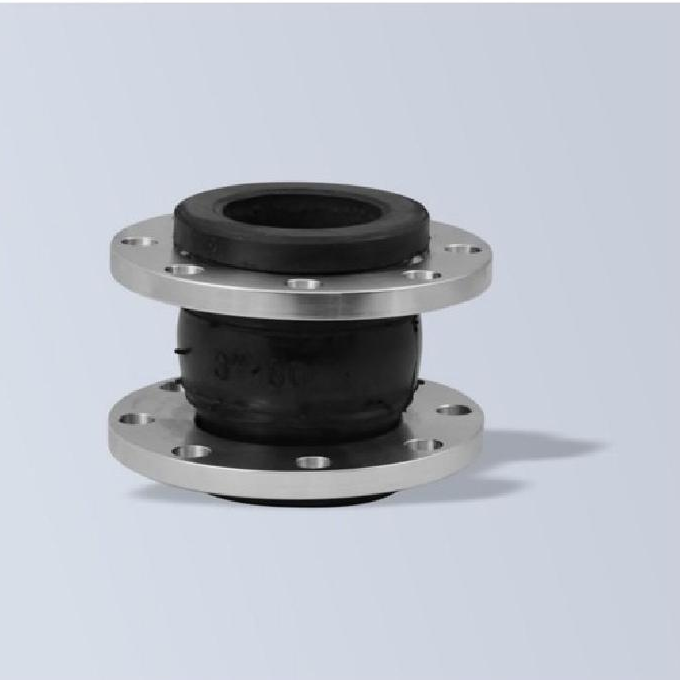
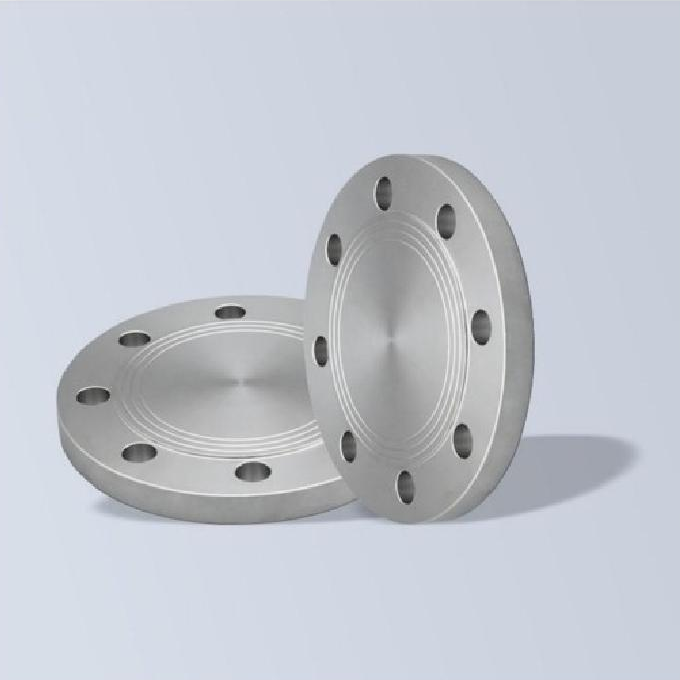
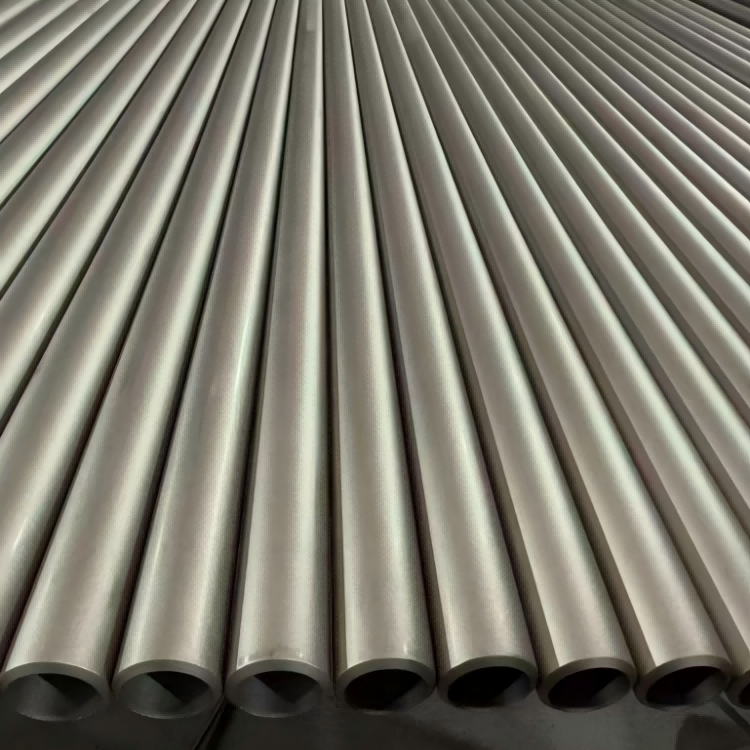
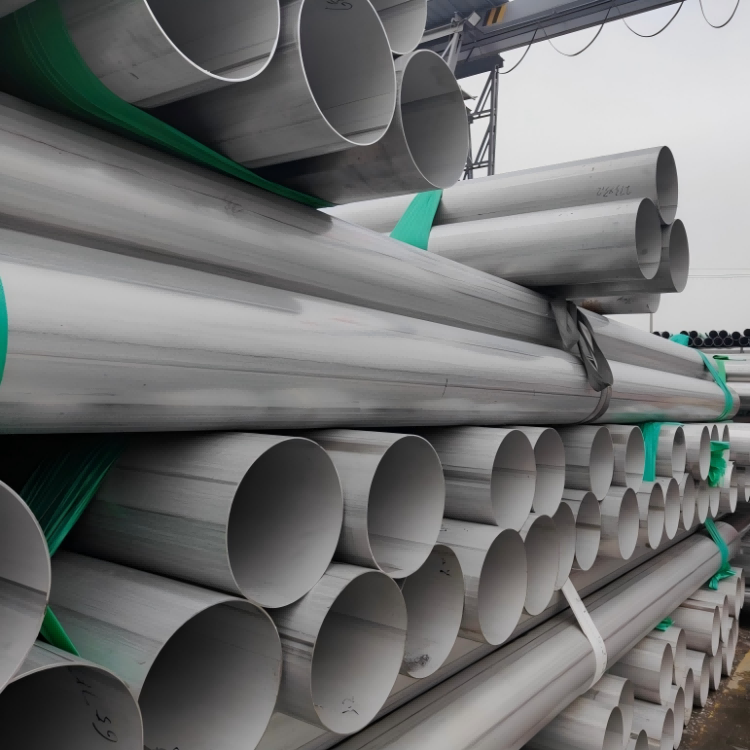
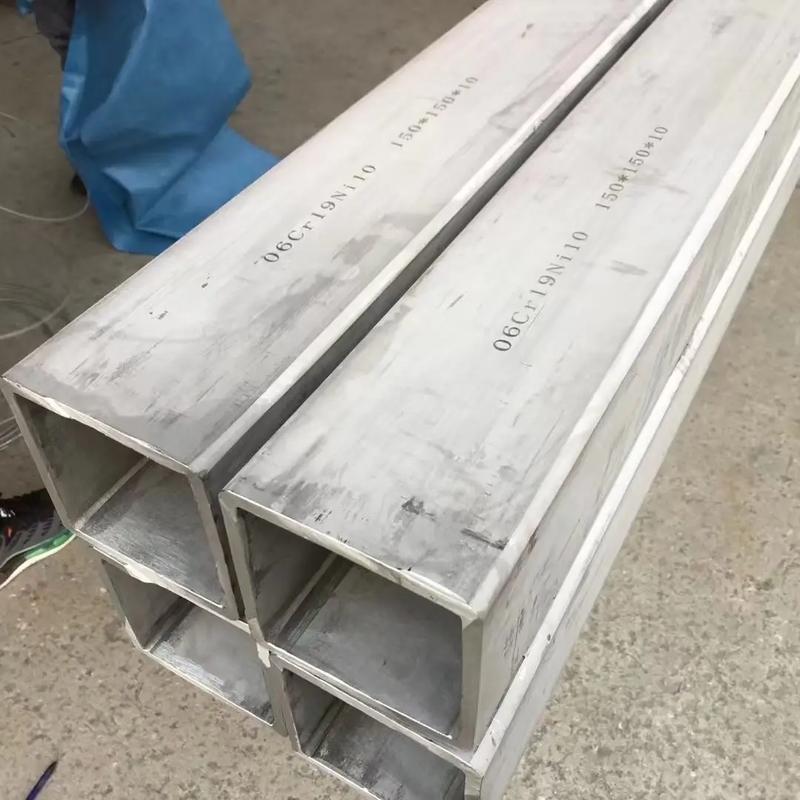
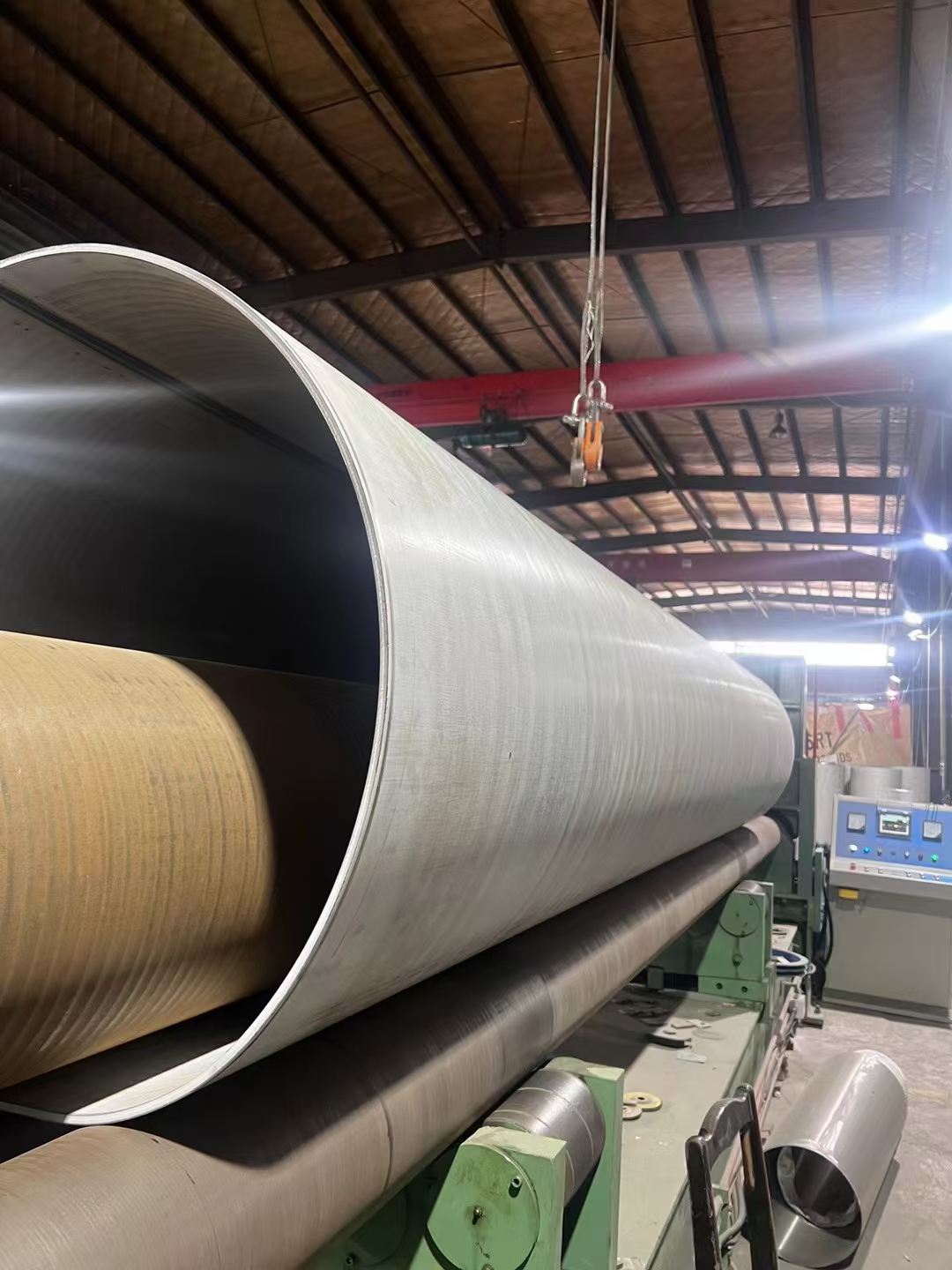
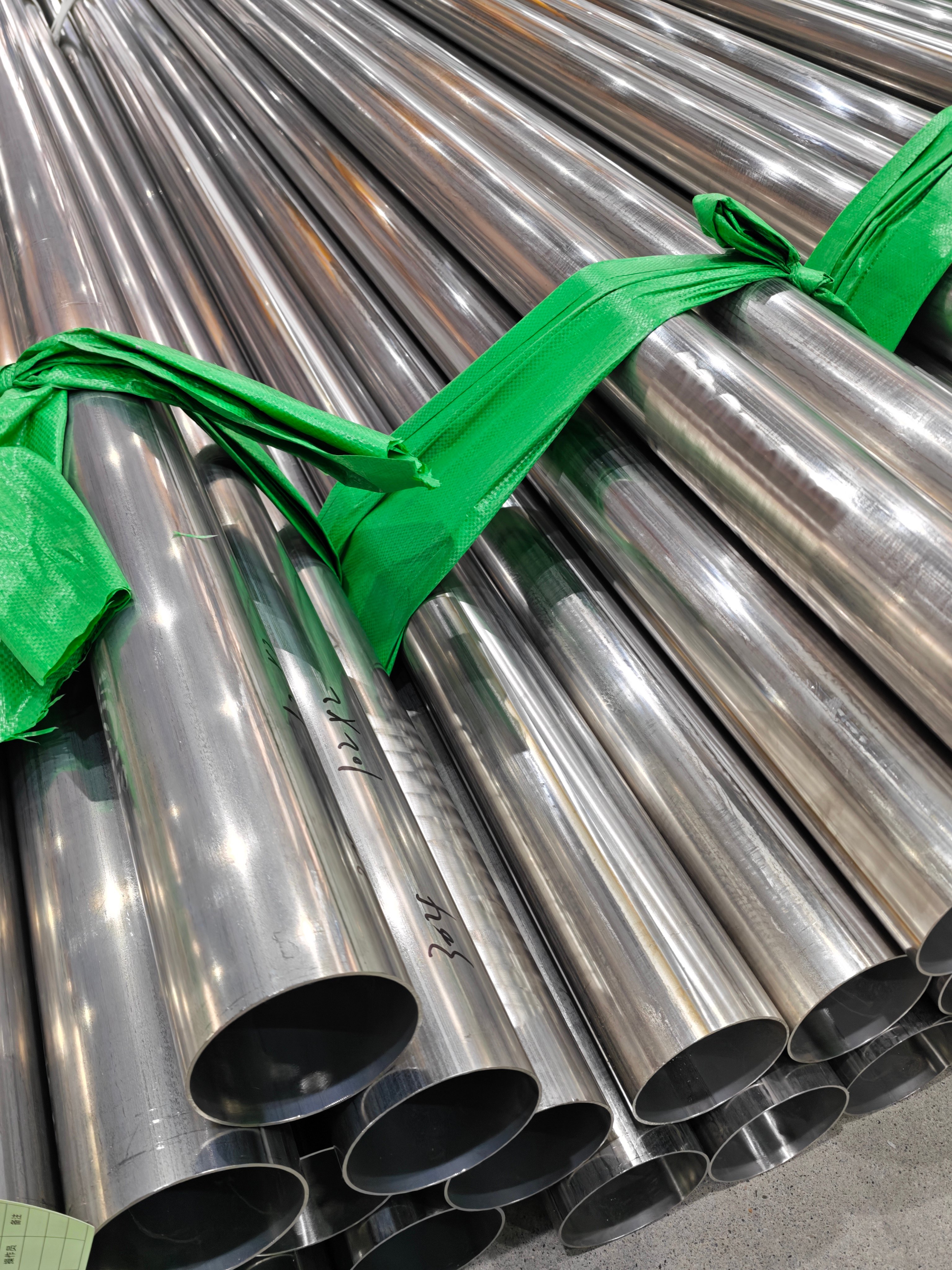
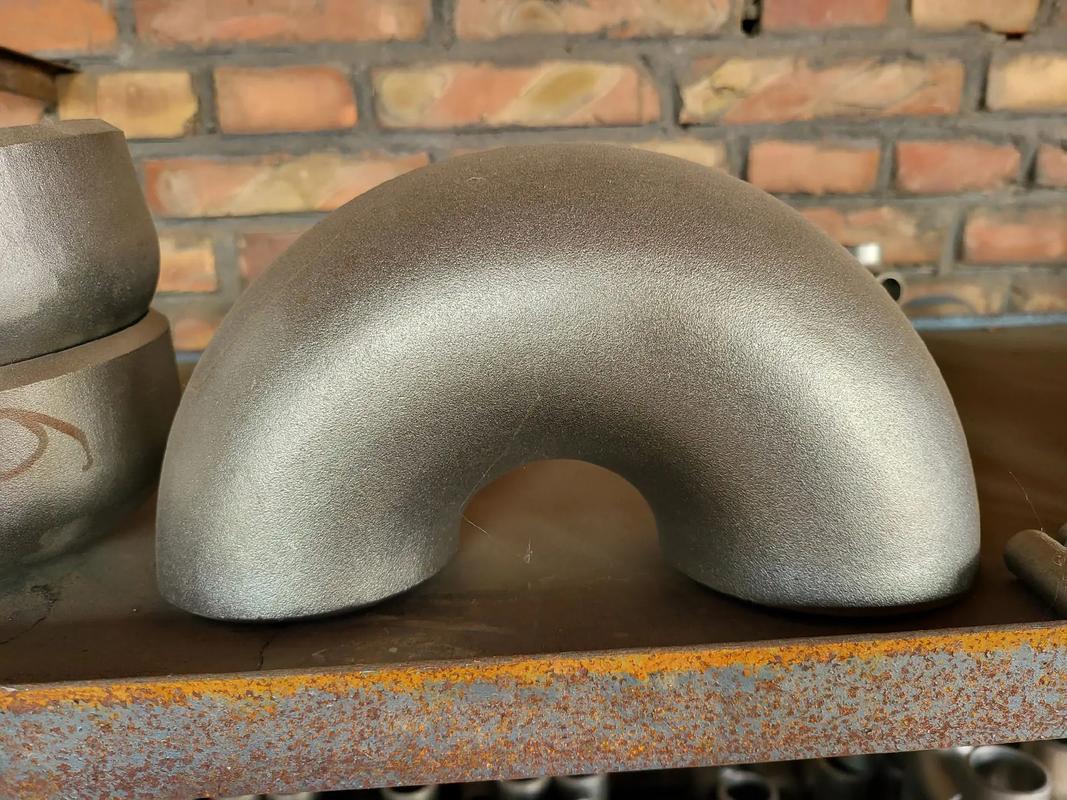
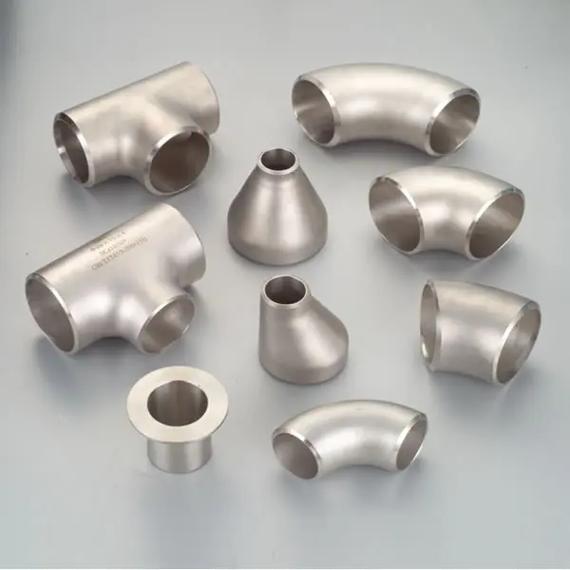
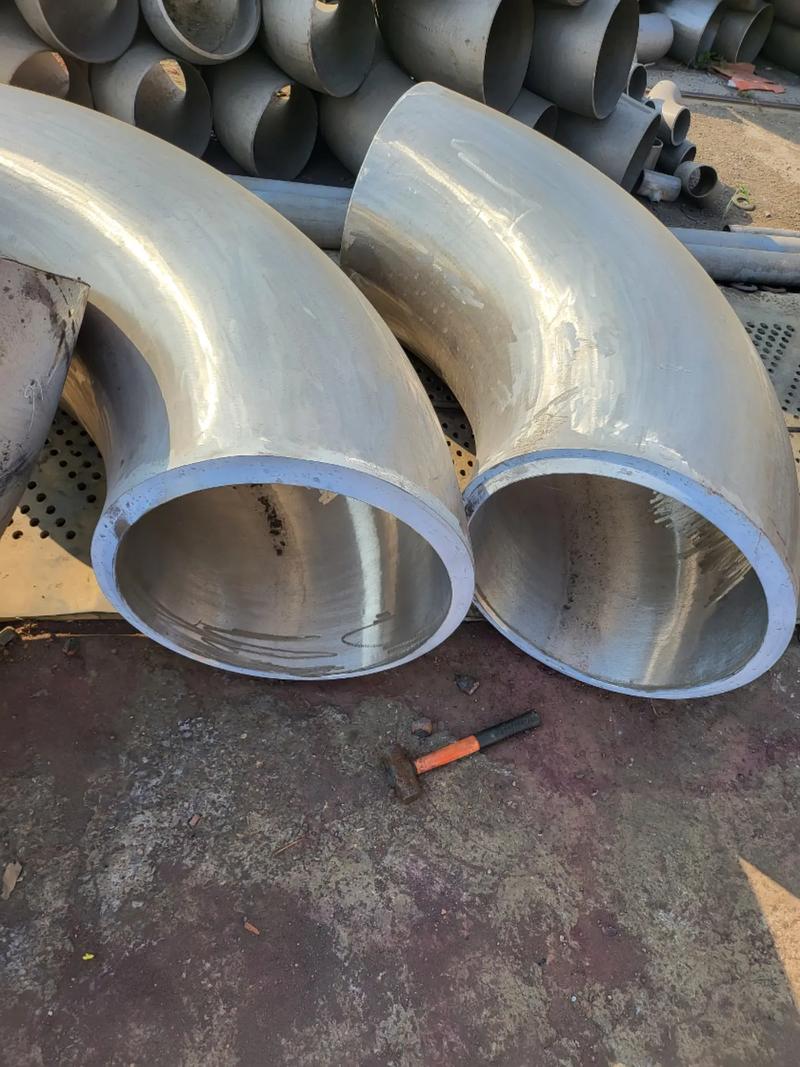
316 stainless pipe fittings represent a premium grade of stainless steel components designed for critical piping applications across diverse industries. These fittings are manufactured from 316-grade stainless steel, which contains molybdenum as a key alloying element, providing enhanced corrosion resistance compared to standard stainless steel variants. The main functions of 316 stainless pipe fittings include connecting, redirecting, and controlling fluid flow within piping systems while maintaining structural integrity under demanding conditions. These components serve as essential connectors in complex piping networks, ensuring reliable performance in harsh environments. The technological features of 316 stainless pipe fittings encompass superior material composition with approximately 16-18% chromium, 10-14% nickel, and 2-3% molybdenum content. This specific alloy combination creates exceptional resistance to pitting corrosion, crevice corrosion, and chloride stress corrosion cracking. Manufacturing processes typically involve precision machining, forging, or casting techniques that ensure dimensional accuracy and consistent wall thickness. Heat treatment procedures optimize the metallurgical structure, enhancing mechanical properties such as tensile strength, yield strength, and ductility. Surface finishing options include electropolishing, passivation, and mechanical polishing to achieve desired smoothness levels and enhanced corrosion protection. Applications for 316 stainless pipe fittings span numerous industries including chemical processing, pharmaceutical manufacturing, food and beverage production, marine environments, oil and gas operations, and water treatment facilities. In chemical plants, these fittings handle aggressive chemicals, acids, and solvents without degradation. Pharmaceutical applications require ultra-clean surfaces and biocompatibility, making 316 stainless pipe fittings ideal for sterile processing environments. Food industry installations benefit from their hygienic properties and resistance to cleaning chemicals. Marine applications leverage their exceptional saltwater corrosion resistance, while oil and gas operations rely on their ability to withstand hydrogen sulfide and other corrosive compounds commonly found in petroleum products.

New Product Recommendations

316 stainless pipe fittings deliver exceptional corrosion resistance that significantly outperforms standard steel alternatives, making them ideal for environments exposed to chlorides, acids, and other aggressive substances. This superior resistance translates directly into reduced maintenance costs and extended service life, providing customers with substantial long-term savings. The molybdenum content in 316 grade stainless steel creates a protective barrier against pitting and crevice corrosion, particularly in marine environments and chemical processing applications where exposure to harsh conditions is constant. Temperature versatility represents another major advantage, as 316 stainless pipe fittings maintain structural integrity across a wide temperature range from cryogenic applications to high-heat environments exceeding 1500 degrees Fahrenheit. This thermal stability ensures consistent performance without material degradation, eliminating the need for frequent replacements due to thermal cycling stress. The fittings retain their mechanical properties even under extreme temperature fluctuations, providing reliable operation in demanding industrial processes. Hygienic properties make 316 stainless pipe fittings particularly valuable in food processing, pharmaceutical, and biotechnology applications. The smooth, non-porous surface prevents bacterial growth and facilitates thorough cleaning and sterilization procedures. This cleanliness factor reduces contamination risks and helps maintain product quality standards required in sensitive manufacturing environments. The material's compatibility with various sterilization methods, including steam, chemical, and radiation sterilization, adds operational flexibility. Mechanical strength characteristics of 316 stainless pipe fittings provide excellent structural support for high-pressure applications while maintaining ductility for complex installations. The material's work-hardening properties allow for cold forming during installation without compromising integrity. This strength-to-weight ratio optimization reduces overall system weight while maintaining robust performance capabilities. Installation flexibility emerges as a practical benefit since 316 stainless pipe fittings accommodate various joining methods including welding, threading, and compression connections. This versatility simplifies installation procedures and allows integration with existing systems using different connection technologies. The material's excellent weldability ensures strong, leak-proof joints when properly executed, reducing installation time and labor costs. Cost-effectiveness becomes apparent through reduced lifecycle expenses despite higher initial investment compared to carbon steel alternatives. The extended service life, minimal maintenance requirements, and reduced downtime associated with 316 stainless pipe fittings create favorable total cost of ownership calculations for most industrial applications.

Practical Tips

Strongwin Stainless Steel Group Achieves ISO 90012015 Certification and AD 2000 Merkblatt Approval

28

Feb

Strongwin Stainless Steel Group Achieves ISO 90012015 Certification and AD 2000 Merkblatt Approval

View More
Strongwin Stainless Steel Group Announces Major Production Capacity Expansion to Meet Growing Global Demand

11

Mar

Strongwin Stainless Steel Group Announces Major Production Capacity Expansion to Meet Growing Global Demand

View More
Strongwin Stainless Steel Group Announces Strategic Partnership with Leading European Engineering Firm

11

Mar

Strongwin Stainless Steel Group Announces Strategic Partnership with Leading European Engineering Firm

View More

Get a Free Quote

Our representative will contact you soon.
Email
Mobile/WhatsApp
Name
Company Name
Message
0/1000

316 stainless pipe fittings

Unmatched Corrosion Resistance for Critical Applications

Unmatched Corrosion Resistance for Critical Applications

The exceptional corrosion resistance of 316 stainless pipe fittings stems from their advanced metallurgical composition, specifically the inclusion of molybdenum which creates superior protection against aggressive environmental conditions. This enhanced resistance proves invaluable in applications where standard materials would quickly deteriorate, leading to system failures and costly repairs. The chromium-nickel-molybdenum matrix forms a stable passive layer on the surface that continuously regenerates when damaged, providing self-healing properties that maintain protection throughout the fitting's service life. This passive layer effectively resists chloride-induced pitting corrosion, which commonly affects lesser-grade materials in marine environments, chemical processing facilities, and coastal installations. The molybdenum content specifically targets crevice corrosion resistance, preventing localized attack in tight spaces where oxygen depletion occurs naturally. This protection becomes critical in complex piping systems where multiple components create numerous crevice conditions. Additionally, 316 stainless pipe fittings demonstrate remarkable resistance to stress corrosion cracking, a phenomenon that can cause sudden catastrophic failures in high-stress applications. The material's ability to withstand exposure to sulfuric acid, hydrochloric acid, phosphoric acid, and various organic acids makes it indispensable in chemical processing operations where equipment longevity directly impacts operational profitability. Laboratory testing consistently demonstrates that 316 stainless pipe fittings maintain structural integrity after prolonged exposure to corrosive media that would destroy carbon steel or lower-grade stainless steel components within months. This reliability translates into predictable maintenance schedules, reduced emergency repairs, and enhanced operational safety for critical processes. Industries such as pharmaceutical manufacturing, where product contamination from corroded components could result in batch losses worth millions of dollars, rely heavily on the corrosion resistance properties of 316 stainless pipe fittings to maintain product purity and regulatory compliance.
Superior Temperature Performance and Thermal Stability

Superior Temperature Performance and Thermal Stability

316 stainless pipe fittings excel in extreme temperature applications through their remarkable thermal stability and resistance to temperature-induced degradation. The austenitic crystal structure of 316 grade stainless steel maintains its integrity across an impressive temperature range, from cryogenic conditions approaching absolute zero to elevated temperatures exceeding 1500 degrees Fahrenheit. This thermal versatility eliminates the need for multiple fitting specifications across different temperature zones within a single facility, simplifying inventory management and reducing procurement complexity. At elevated temperatures, 316 stainless pipe fittings resist oxidation and scaling that would compromise the performance of carbon steel alternatives, maintaining smooth internal surfaces that prevent flow restrictions and pressure drops. The material's low thermal expansion coefficient minimizes dimensional changes during temperature cycling, reducing stress on connected components and eliminating the need for complex expansion joints in many applications. This thermal stability becomes particularly valuable in steam systems, heat exchangers, and high-temperature processing equipment where thermal cycling is frequent and severe. During rapid temperature changes, the ductility of 316 stainless pipe fittings prevents cracking and brittle failure modes common in other materials. The retention of mechanical properties at both temperature extremes ensures consistent performance regardless of operational conditions. In cryogenic applications, such as liquid nitrogen or liquid oxygen systems, 316 stainless pipe fittings maintain toughness and resist brittle fracture that affects many materials at ultra-low temperatures. The thermal conductivity characteristics facilitate efficient heat transfer when required while providing adequate thermal isolation in applications where temperature control is critical. Manufacturing processes can leverage this temperature performance by using 316 stainless pipe fittings in applications requiring heat treatment, sterilization, or thermal processing without concerns about component degradation. The ability to withstand repeated thermal cycles without fatigue extends service life significantly compared to materials that deteriorate under thermal stress, providing long-term reliability in demanding thermal environments.
Exceptional Hygienic Properties and Cleanability for Sanitary Applications

Exceptional Hygienic Properties and Cleanability for Sanitary Applications

The hygienic excellence of 316 stainless pipe fittings makes them indispensable in applications where cleanliness, sterility, and product purity are paramount concerns. The smooth, non-porous surface finish achievable with 316 stainless steel creates an environment where bacteria, fungi, and other microorganisms cannot establish footholds or create biofilms that compromise system cleanliness. This surface characteristic proves essential in pharmaceutical manufacturing, food processing, biotechnology, and medical device production where contamination can result in product recalls, regulatory violations, and significant financial losses. The electropolished surface available on 316 stainless pipe fittings reduces surface roughness to microscopic levels, eliminating crevices and irregularities where contaminants might accumulate during processing operations. This ultra-smooth finish facilitates complete drainage during cleaning cycles, preventing the formation of stagnant areas where bacterial growth could occur between production runs. The chemical inertness of 316 stainless steel ensures that no metallic ions leach into processed materials, maintaining product integrity and preventing off-flavors or discoloration in sensitive applications. Sterilization compatibility represents another crucial advantage, as 316 stainless pipe fittings withstand various sterilization methods including steam sterilization, chemical sanitization, and gamma radiation without degradation or loss of properties. This versatility allows facilities to select the most appropriate sterilization method for their specific requirements without equipment limitations. The material's resistance to cleaning chemicals, including caustic solutions, acidic cleaners, and oxidizing sanitizers, enables aggressive cleaning protocols that ensure complete contaminant removal. Clean-in-place systems benefit from the durability of 316 stainless pipe fittings, as these components maintain their integrity through thousands of automated cleaning cycles involving high-temperature cleaning solutions and high-pressure spray systems. Regulatory compliance becomes simplified when using 316 stainless pipe fittings, as this material meets FDA, USDA, and European Union standards for food contact applications, pharmaceutical processing, and medical device manufacturing. The traceability of material composition and heat treatment records supports validation requirements common in regulated industries.

Get a Free Quote

Our representative will contact you soon.
Email
Mobile/WhatsApp
Name
Company Name
Message
0/1000