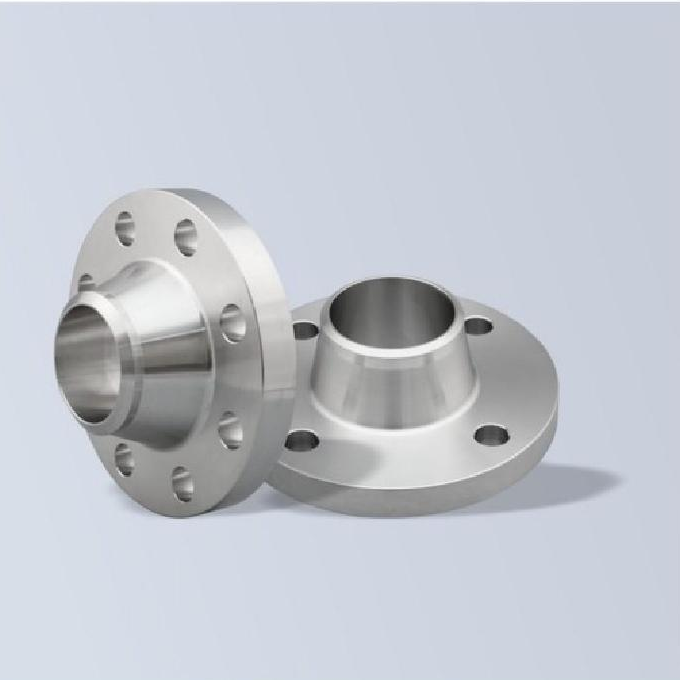
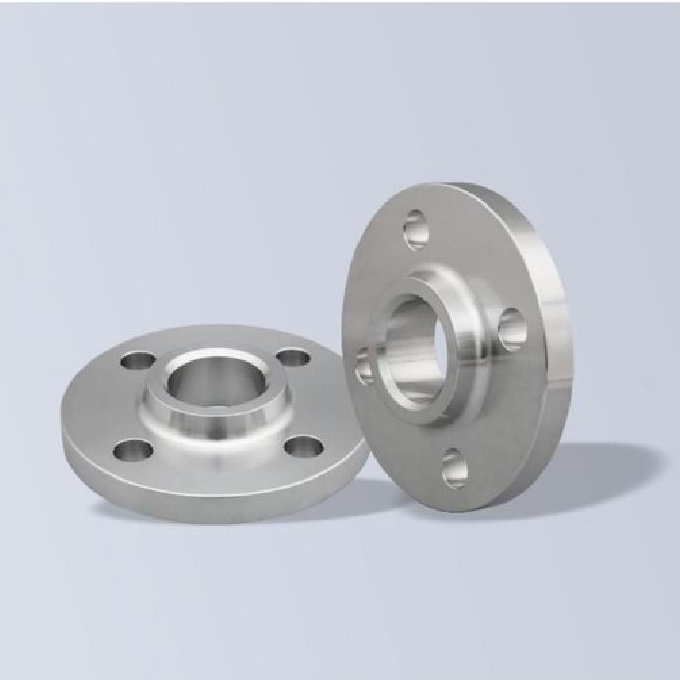
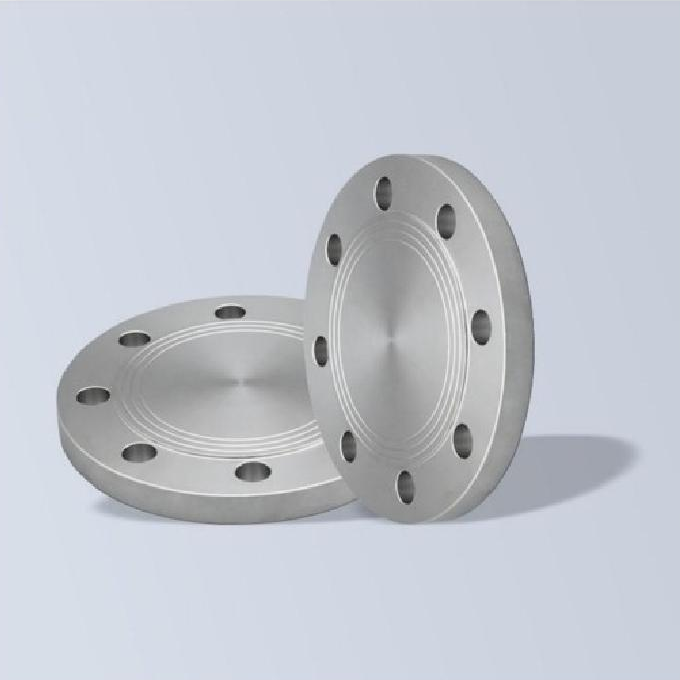
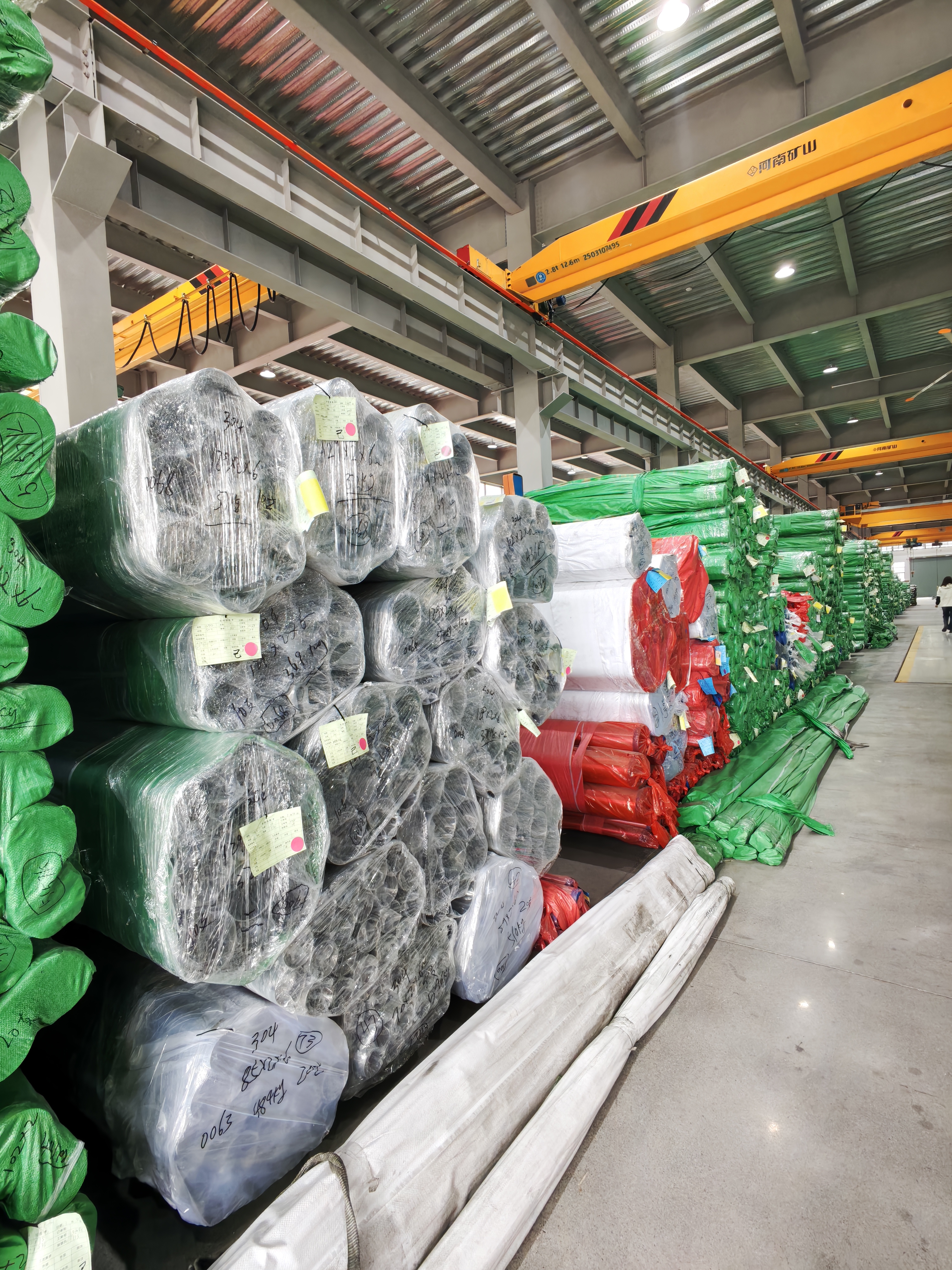
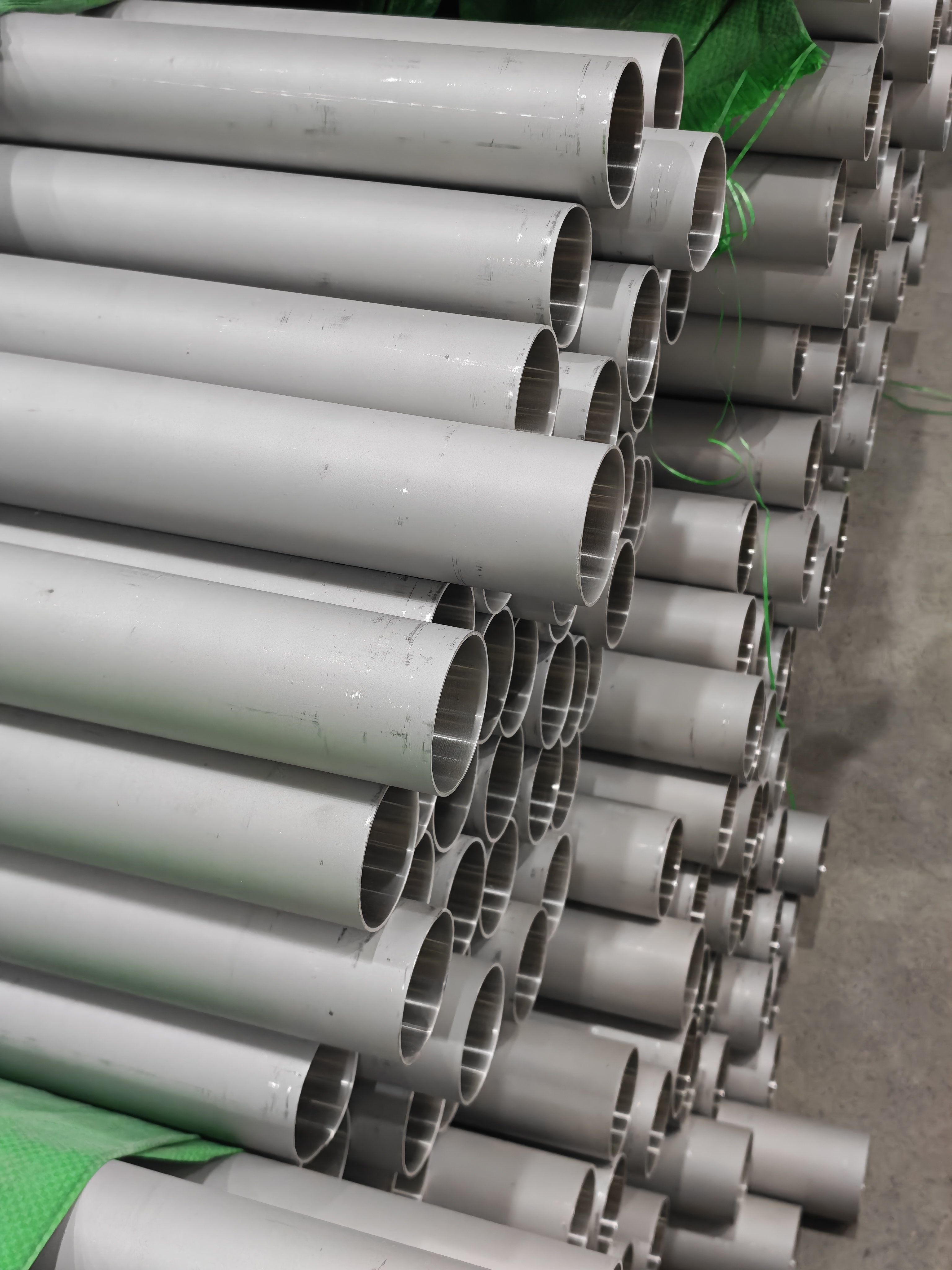
316 SS Pipe: Superior Stainless Steel Piping Solutions for Industrial Applications

All Categories

Get a Free Quote

Our representative will contact you soon.
Email
Mobile/WhatsApp
Name
Company Name
Message
0/1000

316 ss pipe

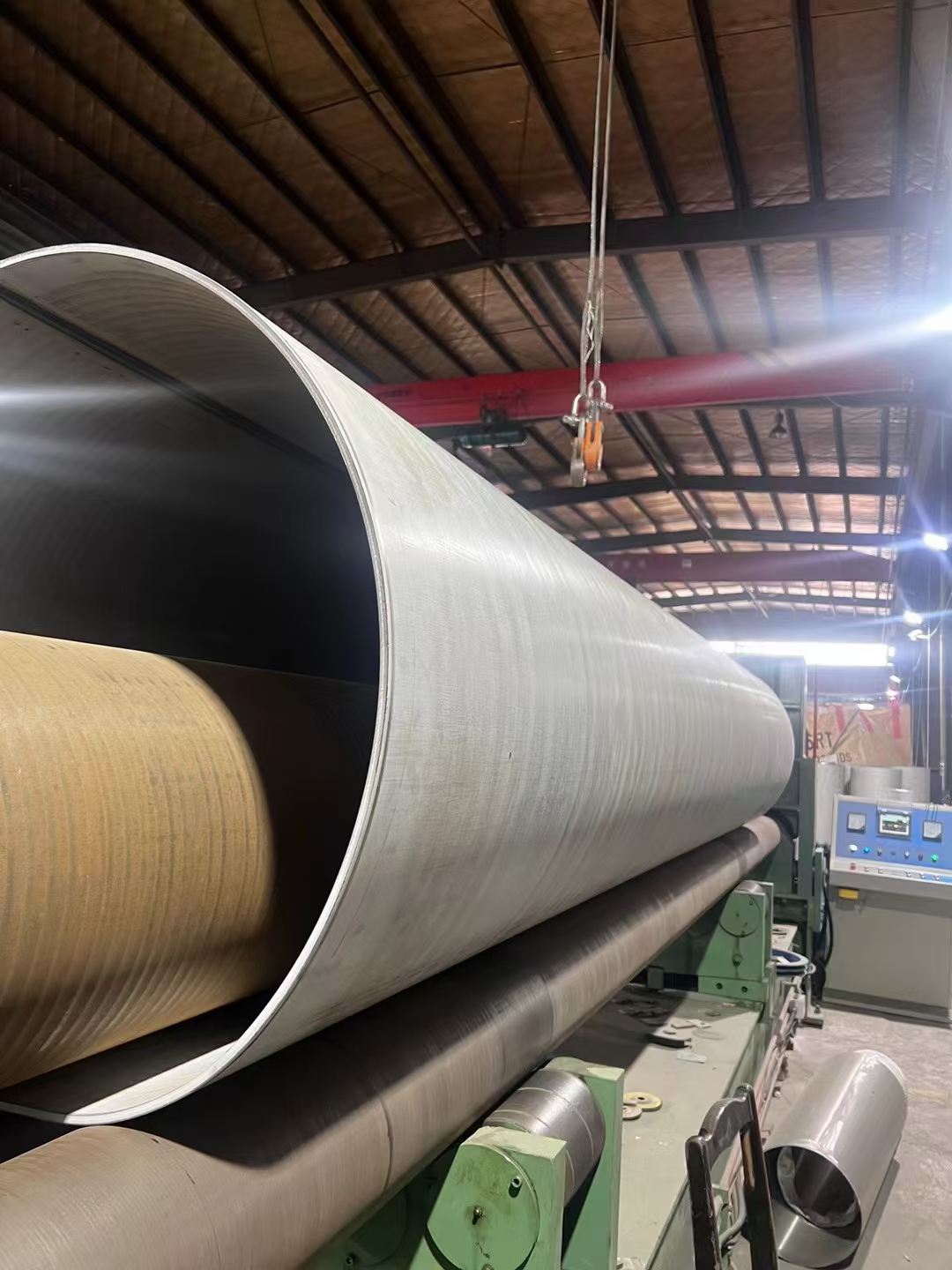
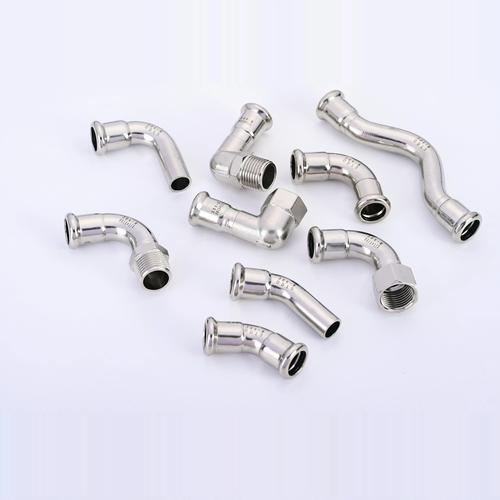
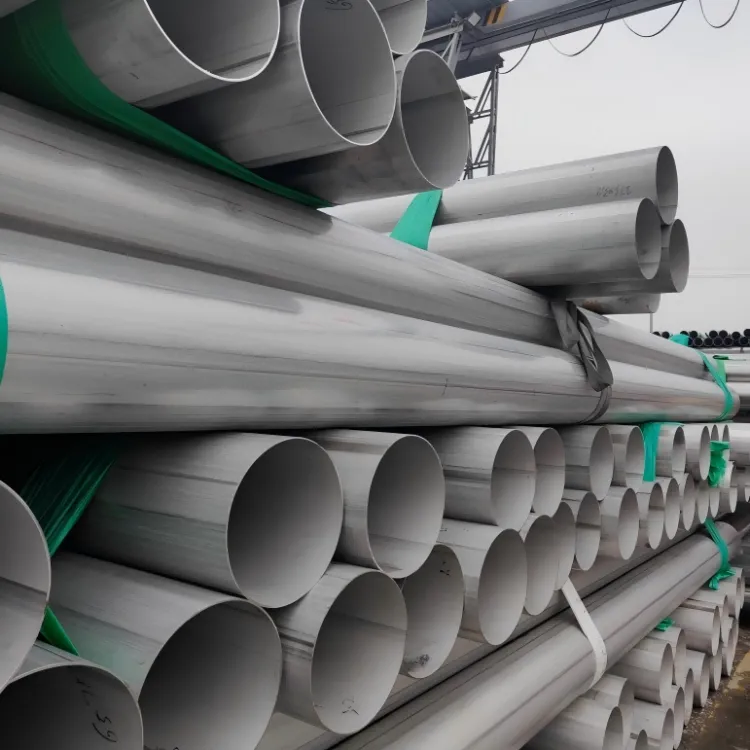
The 316 ss pipe represents one of the most versatile and reliable stainless steel piping solutions available in today's industrial market. This austenitic stainless steel pipe contains chromium, nickel, and molybdenum as its primary alloying elements, creating a superior material that excels in demanding environments. The 316 ss pipe delivers exceptional corrosion resistance, making it ideal for applications involving chlorides, acids, and marine environments where standard stainless steel grades would fail. Its composition includes approximately 16-18% chromium, 10-14% nickel, and 2-3% molybdenum, which provides enhanced protection against pitting and crevice corrosion. Manufacturing processes for 316 ss pipe involve precision welding techniques and careful quality control measures to ensure consistent wall thickness and dimensional accuracy. The pipe maintains excellent mechanical properties across a wide temperature range, from cryogenic applications to high-temperature processing environments. Its non-magnetic properties in the annealed condition make the 316 ss pipe suitable for specialized applications where magnetic interference must be minimized. The smooth internal surface finish reduces friction losses and prevents bacterial growth, making it particularly valuable in food processing and pharmaceutical industries. Dimensional standards for 316 ss pipe follow international specifications including ASTM, ASME, and DIN requirements, ensuring compatibility with existing piping systems. The material exhibits superior ductility and formability, allowing for complex installations and custom fabrication requirements. Welding characteristics of 316 ss pipe remain excellent, with no pre-heating or post-weld heat treatment required in most applications. This grade maintains its structural integrity under thermal cycling conditions, preventing stress cracking and ensuring long-term reliability in fluctuating temperature environments.

New Products

Choosing 316 ss pipe offers numerous practical benefits that directly impact operational efficiency and cost-effectiveness for industrial facilities. The superior corrosion resistance of 316 ss pipe eliminates frequent replacement needs, reducing maintenance costs and system downtime significantly. This enhanced durability translates to lower total cost of ownership compared to carbon steel or lower-grade stainless steel alternatives. The 316 ss pipe maintains its structural integrity in harsh chemical environments, preventing costly leaks and environmental contamination issues that could result in regulatory penalties. Its excellent temperature resistance allows the 316 ss pipe to handle both extreme cold and high-heat applications without material degradation or performance loss. The smooth surface finish of 316 ss pipe prevents scale buildup and reduces pumping energy requirements, leading to lower operational costs over time. Installation becomes more straightforward with 316 ss pipe due to its excellent weldability and forming characteristics, reducing labor costs and project timelines. The material's resistance to stress corrosion cracking ensures reliable performance in high-pressure applications, eliminating safety concerns associated with sudden pipe failures. Food and beverage industries benefit from the 316 ss pipe's hygienic properties, as it resists bacterial growth and maintains product purity without introducing metallic taste or contamination. The 316 ss pipe requires minimal surface preparation for installation, saving time and reducing material costs compared to pipes requiring extensive coating systems. Its recyclability makes 316 ss pipe an environmentally responsible choice, maintaining value even at the end of its service life. The material's consistent quality and predictable performance characteristics allow engineers to design systems with confidence, reducing safety factors and optimizing system efficiency. Thermal expansion properties of 316 ss pipe remain stable and predictable, simplifying piping design and reducing the need for complex expansion joints in many applications.

Tips And Tricks

Strongwin Stainless Steel Group Achieves ISO 90012015 Certification and AD 2000 Merkblatt Approval

28

Feb

Strongwin Stainless Steel Group Achieves ISO 90012015 Certification and AD 2000 Merkblatt Approval

View More
Strongwin Stainless Steel Group Announces Major Production Capacity Expansion to Meet Growing Global Demand

11

Mar

Strongwin Stainless Steel Group Announces Major Production Capacity Expansion to Meet Growing Global Demand

View More
Strongwin Stainless Steel Group Announces Strategic Partnership with Leading European Engineering Firm

11

Mar

Strongwin Stainless Steel Group Announces Strategic Partnership with Leading European Engineering Firm

View More

Get a Free Quote

Our representative will contact you soon.
Email
Mobile/WhatsApp
Name
Company Name
Message
0/1000

316 ss pipe

Exceptional Corrosion Resistance in Demanding Environments

Exceptional Corrosion Resistance in Demanding Environments

The 316 ss pipe stands out in the market due to its remarkable ability to withstand corrosive conditions that would quickly deteriorate other piping materials. This superior corrosion resistance stems from the carefully balanced chemical composition that includes molybdenum as a key alloying element, setting it apart from standard 304 stainless steel grades. In marine environments where saltwater exposure is constant, the 316 ss pipe maintains its structural integrity and appearance while other materials suffer from pitting and general corrosion. Chemical processing facilities rely on 316 ss pipe for handling aggressive chemicals including sulfuric acid, hydrochloric acid, and various organic solvents that would attack conventional piping systems. The molybdenum content in 316 ss pipe creates a protective barrier against chloride-induced corrosion, making it indispensable in coastal installations and seawater desalination plants. This enhanced corrosion resistance directly translates to extended service life, often exceeding 25-30 years in properly designed systems compared to 5-10 years for carbon steel alternatives. Pharmaceutical and biotechnology industries depend on 316 ss pipe for maintaining sterile conditions and preventing contamination from corrosion byproducts that could compromise product quality. The material's resistance to crevice corrosion ensures that threaded connections, flanged joints, and other potential problem areas remain secure throughout the system's operational life. Food processing operations benefit from the 316 ss pipe's ability to resist organic acids and cleaning chemicals used in sanitation procedures without degrading or releasing harmful substances. The economic impact of choosing 316 ss pipe becomes evident through reduced maintenance schedules, eliminated emergency repairs, and decreased system downtime associated with corrosion-related failures.
Superior Temperature Performance and Thermal Stability

Superior Temperature Performance and Thermal Stability

The 316 ss pipe demonstrates exceptional performance across an extraordinary temperature range, making it the preferred choice for applications involving extreme thermal conditions. From cryogenic operations at minus 320 degrees Fahrenheit to high-temperature processes reaching 1500 degrees Fahrenheit, the 316 ss pipe maintains its mechanical properties and dimensional stability. This temperature versatility eliminates the need for material changes in systems experiencing varying thermal conditions, simplifying design and reducing inventory requirements. Power generation facilities utilize 316 ss pipe in steam systems where temperature fluctuations are frequent and severe, relying on its ability to resist thermal fatigue and stress cracking. The material's low thermal expansion coefficient ensures that piping systems maintain proper alignment and support loading even during rapid temperature changes. Petrochemical refineries depend on 316 ss pipe for distillation columns and heat exchangers where sustained high temperatures combined with corrosive environments would destroy lesser materials. The austenitic structure of 316 ss pipe remains stable across this temperature range, preventing phase transformations that could alter mechanical properties or dimensional characteristics. Aerospace and automotive industries leverage the cryogenic capabilities of 316 ss pipe for liquid nitrogen and liquid oxygen handling systems where brittleness in other materials would pose safety risks. Heat treatment operations benefit from the 316 ss pipe's ability to maintain strength and ductility at elevated temperatures without requiring special alloying or heat treatment procedures. The thermal conductivity properties of 316 ss pipe provide efficient heat transfer in applications requiring thermal management, while its stability prevents warping or distortion during thermal cycling. Food processing equipment relies on 316 ss pipe for pasteurization and sterilization processes where rapid heating and cooling cycles are routine operational requirements.
Outstanding Hygienic Properties for Critical Applications

Outstanding Hygienic Properties for Critical Applications

The 316 ss pipe offers unmatched hygienic performance that makes it essential for industries where cleanliness and contamination prevention are paramount concerns. The smooth, non-porous surface of 316 ss pipe prevents bacterial adhesion and biofilm formation, creating an environment that supports easy cleaning and sterilization procedures. Pharmaceutical manufacturing facilities depend on 316 ss pipe for water-for-injection systems and clean steam distribution where any contamination could compromise product safety and regulatory compliance. The material's resistance to cleaning chemicals and disinfectants ensures that aggressive sanitization procedures will not degrade the pipe surface or create areas where contaminants could accumulate. Food and beverage processing operations utilize 316 ss pipe for product contact applications because it will not impart metallic tastes or odors that could affect product quality. The FDA approval and 3-A sanitary standards compliance of 316 ss pipe provide regulatory assurance for food processing equipment manufacturers and facility operators. Biotechnology laboratories require the sterile environment that 316 ss pipe provides for cell culture media distribution and fermentation systems where contamination could destroy valuable research or production batches. The electropolished finish available on 316 ss pipe creates an ultra-smooth surface that eliminates microscopic crevices where bacteria could hide, supporting the most stringent cleanliness requirements. Dairy processing facilities rely on 316 ss pipe's ability to withstand CIP (clean-in-place) procedures involving hot caustic solutions and acid rinses without surface degradation. The material's compatibility with steam sterilization procedures makes 316 ss pipe ideal for applications requiring periodic thermal disinfection without risking material property changes. Hospital and healthcare facility water systems benefit from the antimicrobial properties of 316 ss pipe surfaces that help prevent Legionella and other waterborne pathogen growth in distribution systems.

Get a Free Quote

Our representative will contact you soon.
Email
Mobile/WhatsApp
Name
Company Name
Message
0/1000