Large Longitudinal Weld Pipe: Superior Quality Steel Piping Solutions for Industrial Applications

All Categories

Get a Free Quote

Our representative will contact you soon.
Email
Mobile/WhatsApp
Name
Company Name
Message
0/1000

large longitudinal weld pipe

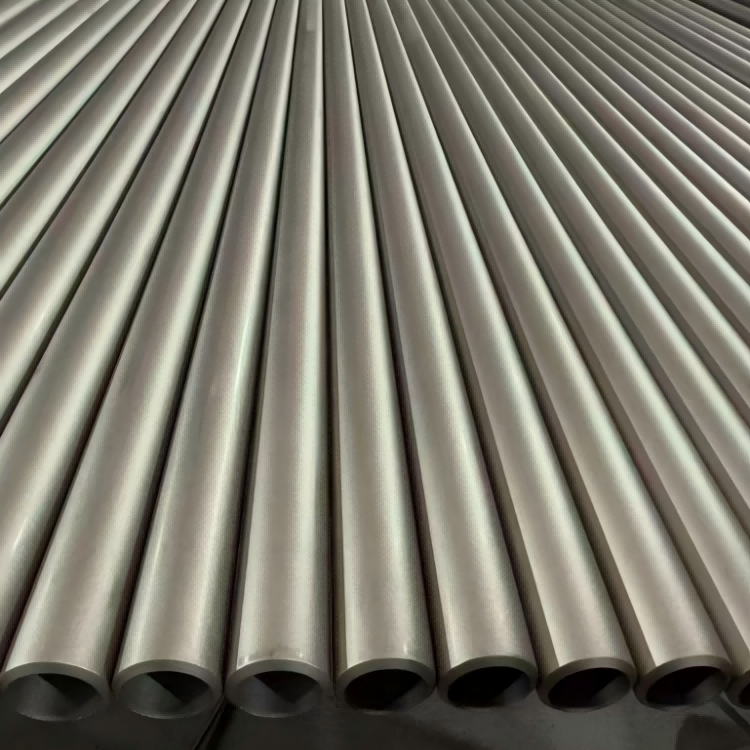
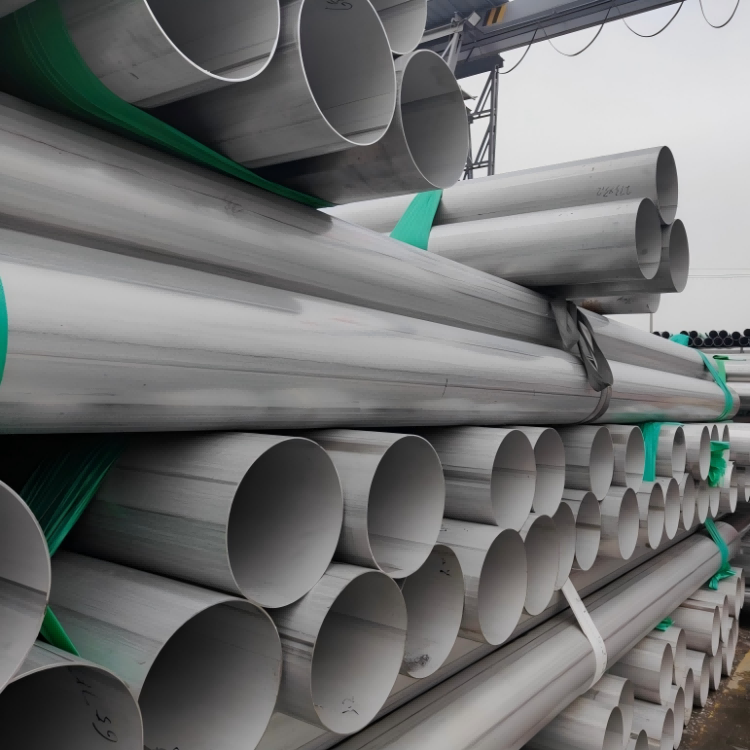
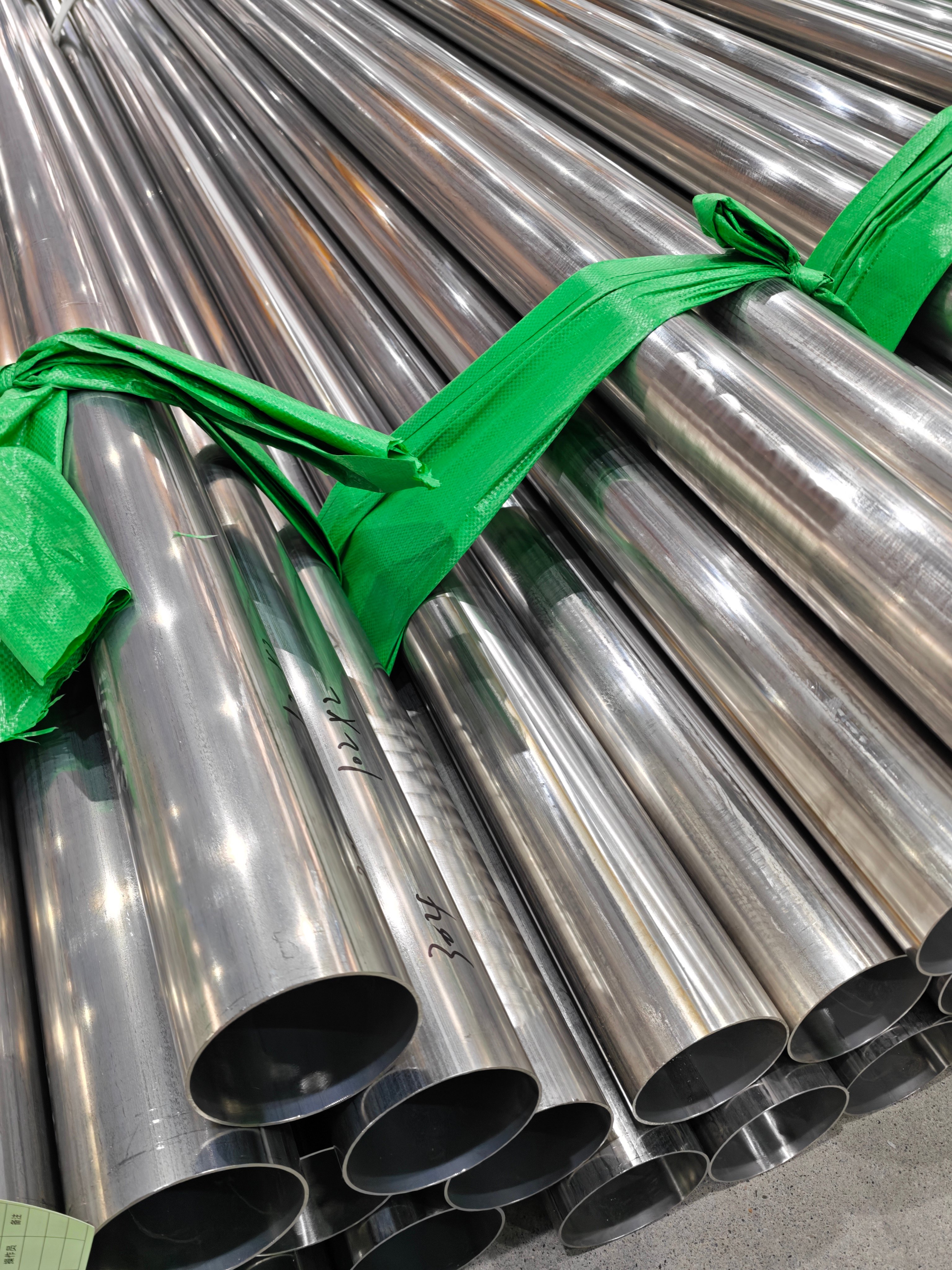
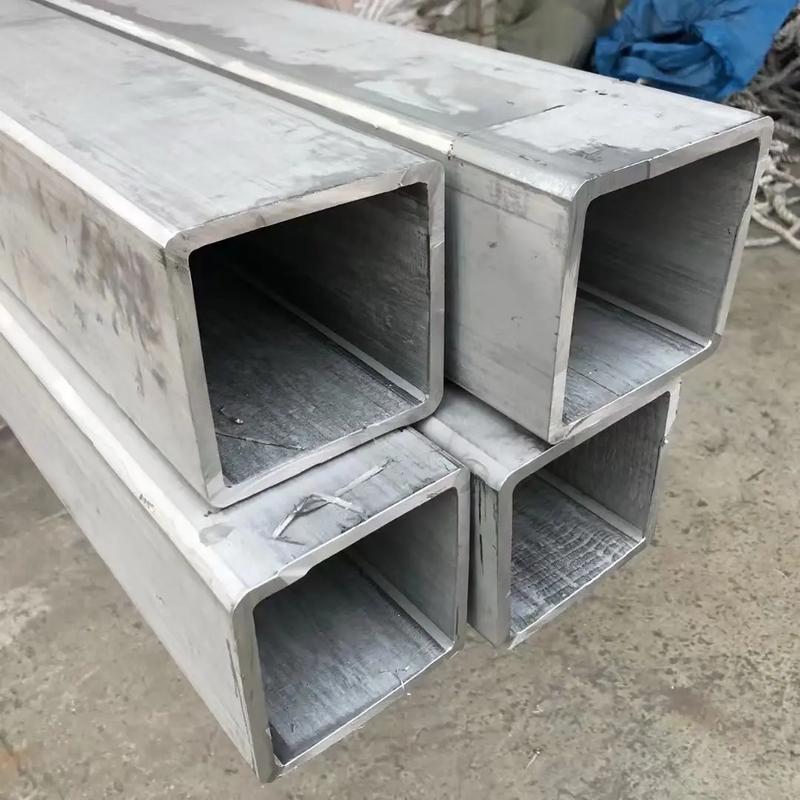
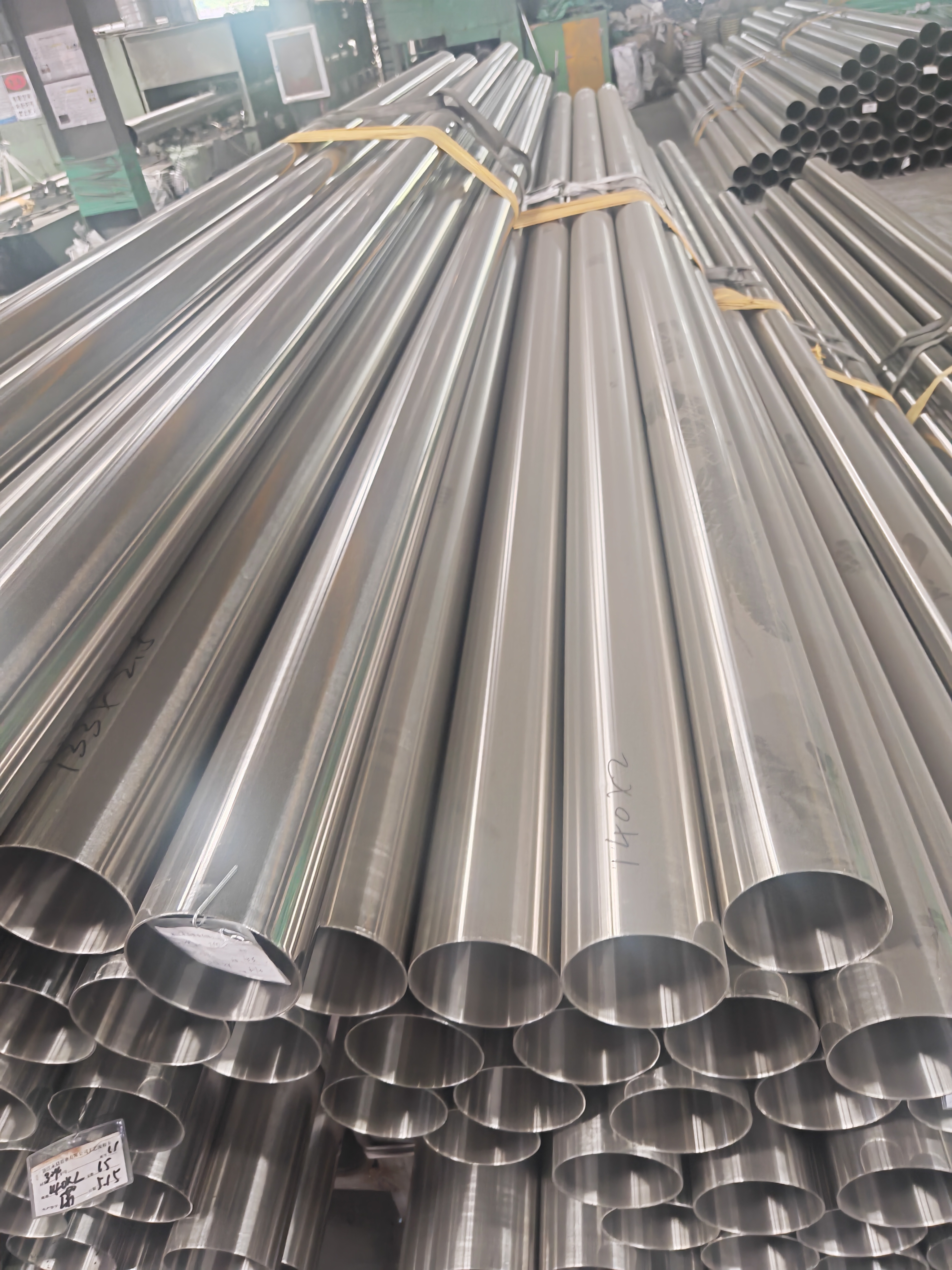
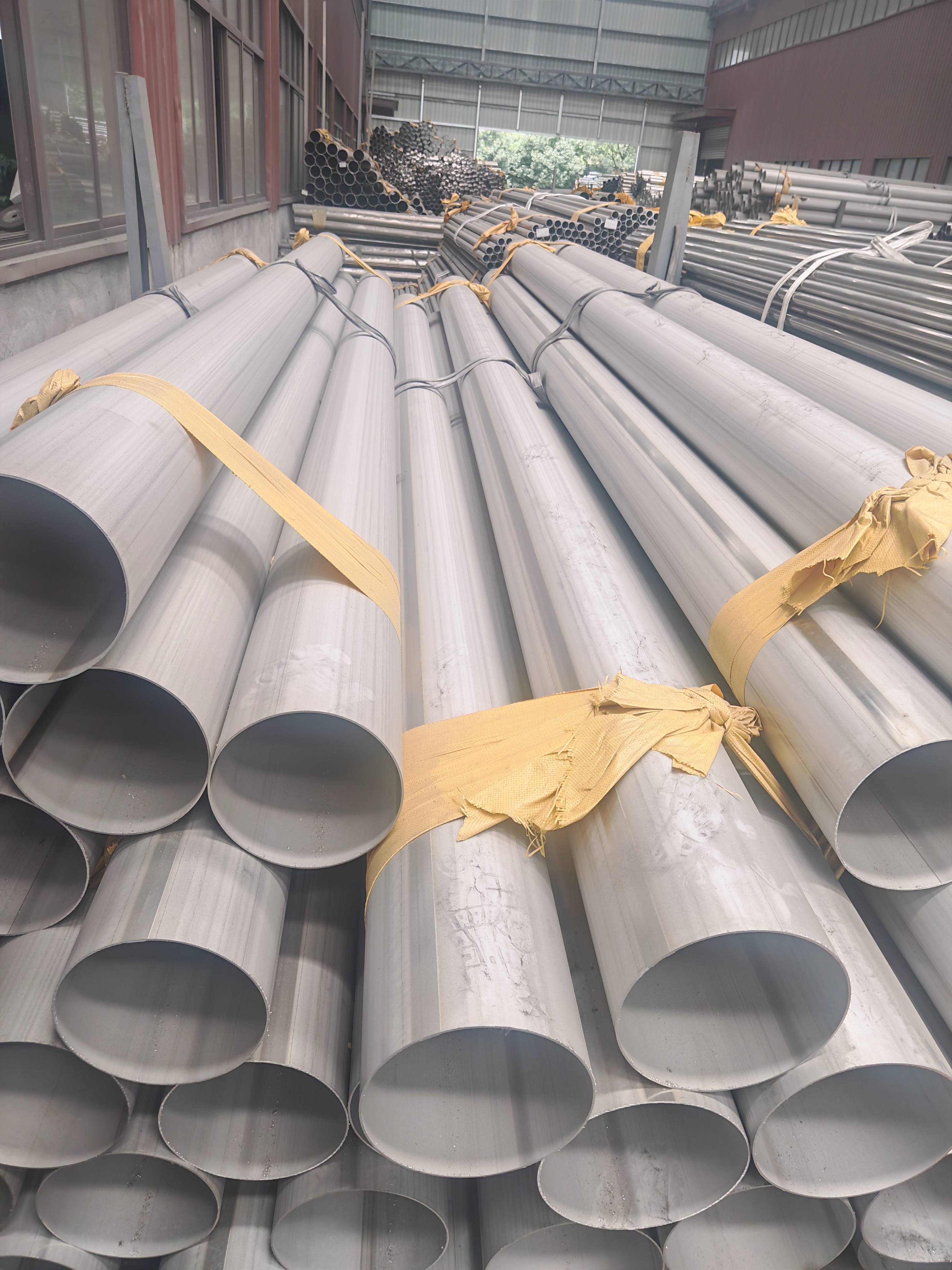
Large longitudinal weld pipe represents a critical component in modern infrastructure and industrial applications, engineered through advanced manufacturing processes that combine efficiency with structural integrity. This specialized piping solution utilizes longitudinal welding techniques to create seamless joints along the pipe's length, ensuring superior performance across diverse operational environments. The manufacturing process involves sophisticated machinery that precisely aligns steel plates or coils, forming them into cylindrical shapes before applying high-quality welding techniques along the longitudinal seam. These pipes typically range from substantial diameters to accommodate high-volume fluid transport requirements, making them essential for major construction projects, water distribution systems, and industrial processing facilities. The technological features of large longitudinal weld pipe include advanced metallurgical properties that enhance corrosion resistance, pressure tolerance, and temperature stability. Modern production methods incorporate computer-controlled welding systems that ensure consistent bead quality, penetration depth, and structural uniformity throughout the entire length. Quality control measures include non-destructive testing procedures such as ultrasonic inspection, radiographic examination, and hydrostatic pressure testing to verify weld integrity and overall pipe performance. Applications span multiple sectors including petroleum transportation, municipal water systems, natural gas distribution networks, and industrial process piping. The versatility of large longitudinal weld pipe makes it suitable for both above-ground installations and underground burial applications. Environmental considerations drive the selection of appropriate coating systems and cathodic protection measures to extend service life and minimize maintenance requirements. These pipes often serve as backbone infrastructure elements, connecting major facilities, processing plants, and distribution centers across extensive geographic areas. The engineering specifications typically address factors such as wall thickness calculations, pressure ratings, temperature limits, and compatibility with various fluid types to ensure optimal performance throughout the intended service life.

New Product Releases

Large longitudinal weld pipe delivers exceptional cost-effectiveness compared to alternative piping solutions, providing significant savings for large-scale projects through streamlined manufacturing processes and reduced material waste. The production efficiency stems from automated welding systems that minimize labor costs while maintaining consistent quality standards throughout the manufacturing cycle. Project managers benefit from faster installation timelines because these pipes require fewer joints and connections, reducing on-site welding requirements and associated labor expenses. The superior structural integrity of large longitudinal weld pipe results from precision manufacturing techniques that create uniform wall thickness and eliminate weak points commonly found in other pipe types. This enhanced strength translates to higher pressure ratings and improved safety margins, allowing system designers to specify lower safety factors while maintaining operational reliability. The extended service life of these pipes reduces long-term maintenance costs and minimizes system downtime, providing substantial operational savings over the pipe's lifespan. Transportation advantages include optimized shipping configurations that maximize payload efficiency and reduce freight costs per linear foot of installed piping. The consistent dimensional accuracy of large longitudinal weld pipe simplifies installation procedures and reduces the need for field modifications or adjustments during construction. Quality assurance protocols ensure that each pipe meets stringent performance standards, eliminating the uncertainty and potential rework associated with inferior products. The thermal expansion characteristics of large longitudinal weld pipe provide predictable performance across varying temperature conditions, enabling engineers to design expansion joints and support systems with confidence. Coating adhesion properties are enhanced by the smooth, uniform surface finish achieved through controlled manufacturing processes, extending the effectiveness of protective coatings and reducing corrosion-related failures. The availability of customized specifications allows project teams to optimize pipe selection for specific applications, balancing performance requirements with budget constraints. Environmental benefits include recyclability at end-of-life and compatibility with sustainable construction practices, supporting corporate environmental responsibility initiatives while maintaining operational effectiveness.

Tips And Tricks

Strongwin Stainless Steel Group Achieves ISO 90012015 Certification and AD 2000 Merkblatt Approval

28

Feb

Strongwin Stainless Steel Group Achieves ISO 90012015 Certification and AD 2000 Merkblatt Approval

View More
Strongwin Stainless Steel Group Announces Major Production Capacity Expansion to Meet Growing Global Demand

11

Mar

Strongwin Stainless Steel Group Announces Major Production Capacity Expansion to Meet Growing Global Demand

View More
Strongwin Stainless Steel Group Announces Strategic Partnership with Leading European Engineering Firm

11

Mar

Strongwin Stainless Steel Group Announces Strategic Partnership with Leading European Engineering Firm

View More

Get a Free Quote

Our representative will contact you soon.
Email
Mobile/WhatsApp
Name
Company Name
Message
0/1000

large longitudinal weld pipe

Superior Weld Quality and Structural Integrity

Superior Weld Quality and Structural Integrity

The manufacturing excellence of large longitudinal weld pipe centers on advanced welding technologies that create exceptionally strong, reliable joints capable of withstanding extreme operational conditions. State-of-the-art submerged arc welding processes utilize multiple electrodes and precisely controlled heat input to achieve deep penetration and uniform fusion throughout the weld zone. This sophisticated approach eliminates common welding defects such as incomplete fusion, porosity, and slag inclusions that can compromise pipe integrity in critical applications. The automated nature of the welding process ensures consistent bead geometry, optimal penetration depth, and uniform heat-affected zone characteristics across the entire pipe length. Quality control measures include real-time monitoring systems that track welding parameters and automatically adjust settings to maintain optimal conditions throughout production. Post-weld heat treatment procedures further enhance the metallurgical properties of large longitudinal weld pipe by relieving residual stresses and refining the grain structure in the weld area. Non-destructive testing protocols verify weld quality through ultrasonic inspection, radiographic examination, and magnetic particle testing, ensuring that each pipe meets or exceeds specified performance standards. The resulting structural integrity provides exceptional resistance to fatigue loading, pressure cycling, and thermal stress conditions commonly encountered in industrial applications. This superior weld quality translates directly to enhanced system reliability, reduced maintenance requirements, and extended service life. Engineering teams can specify higher design pressures with confidence, knowing that the longitudinal weld will maintain its integrity throughout the pipe's operational lifetime. The consistent quality achieved through automated manufacturing processes eliminates the variability associated with manual welding techniques, providing predictable performance characteristics that simplify system design and risk assessment procedures.
Exceptional Dimensional Accuracy and Manufacturing Precision

Exceptional Dimensional Accuracy and Manufacturing Precision

Large longitudinal weld pipe achieves remarkable dimensional consistency through computer-controlled forming and welding processes that maintain tight tolerances across all critical specifications. The manufacturing sequence begins with precision plate preparation, where cutting operations utilize laser or plasma technology to ensure accurate edge geometry and optimal fit-up conditions for subsequent welding operations. Forming processes employ multi-point contact systems that gradually shape the steel plate into cylindrical configuration while minimizing material stress and maintaining uniform wall thickness distribution. Advanced measurement systems continuously monitor pipe dimensions throughout production, automatically adjusting process parameters to maintain specified tolerances for outside diameter, wall thickness, and ovality. This precision manufacturing approach eliminates the dimensional variations that can complicate installation procedures and system integration in complex piping networks. The consistent outside diameter facilitates standardized connection methods and simplifies the specification of fittings, flanges, and support systems required for complete installation. Wall thickness uniformity ensures predictable flow characteristics and eliminates local stress concentrations that could lead to premature failure under operating conditions. Straightness control systems maintain alignment within specified limits, reducing installation challenges and minimizing the need for field adjustments during construction. End preparation operations utilize automated cutting and beveling equipment to achieve consistent end geometry that facilitates welding operations and ensures proper joint integrity in field connections. The dimensional accuracy of large longitudinal weld pipe extends to specialized features such as branch connections, reinforcing pads, and attachment points that can be precisely positioned during manufacturing. Quality documentation includes detailed dimensional reports that verify compliance with project specifications and provide traceability throughout the supply chain. This manufacturing precision translates to reduced installation time, lower construction costs, and improved system performance through optimized flow characteristics and structural integrity.
Versatile Applications and Enhanced Performance Capabilities

Versatile Applications and Enhanced Performance Capabilities

The exceptional versatility of large longitudinal weld pipe enables its successful deployment across diverse industrial sectors, from petroleum transmission systems to municipal infrastructure projects requiring reliable, high-capacity fluid transport solutions. In petroleum applications, these pipes excel in crude oil transmission, refined product distribution, and natural gas transportation systems where operational pressures and environmental conditions demand superior performance characteristics. The robust construction withstands the thermal cycling associated with heated product lines while maintaining structural integrity under varying pressure conditions. Municipal water systems benefit from the high flow capacity and corrosion resistance properties that ensure reliable service for decades with minimal maintenance requirements. Industrial process applications leverage the chemical compatibility and temperature tolerance of large longitudinal weld pipe for handling various fluids including steam, chemicals, and specialized process media. The smooth internal surface finish minimizes pressure drop and reduces pumping costs while preventing the accumulation of deposits that could compromise system efficiency. Offshore applications utilize the enhanced mechanical properties and weld quality to withstand harsh marine environments and dynamic loading conditions associated with subsea installations. Power generation facilities rely on large longitudinal weld pipe for cooling water systems, steam distribution, and fuel handling applications where reliability is critical to operational continuity. Mining operations employ these pipes for slurry transport, tailings disposal, and process water systems that must withstand abrasive conditions and aggressive chemical environments. The adaptability of large longitudinal weld pipe extends to specialized coatings and linings that provide additional protection against specific environmental challenges. Engineering flexibility allows for custom modifications including branch connections, instrumentation ports, and specialized end configurations that integrate seamlessly with existing systems. Performance monitoring capabilities can be incorporated through embedded sensors and inspection ports that facilitate predictive maintenance programs and extend operational life through proactive intervention strategies.

Get a Free Quote

Our representative will contact you soon.
Email
Mobile/WhatsApp
Name
Company Name
Message
0/1000