Longitudinal Weld Seam Technology: Superior Joining Solutions for Industrial Manufacturing

All Categories

Get a Free Quote

Our representative will contact you soon.
Email
Mobile/WhatsApp
Name
Company Name
Message
0/1000

longitudinal weld seam

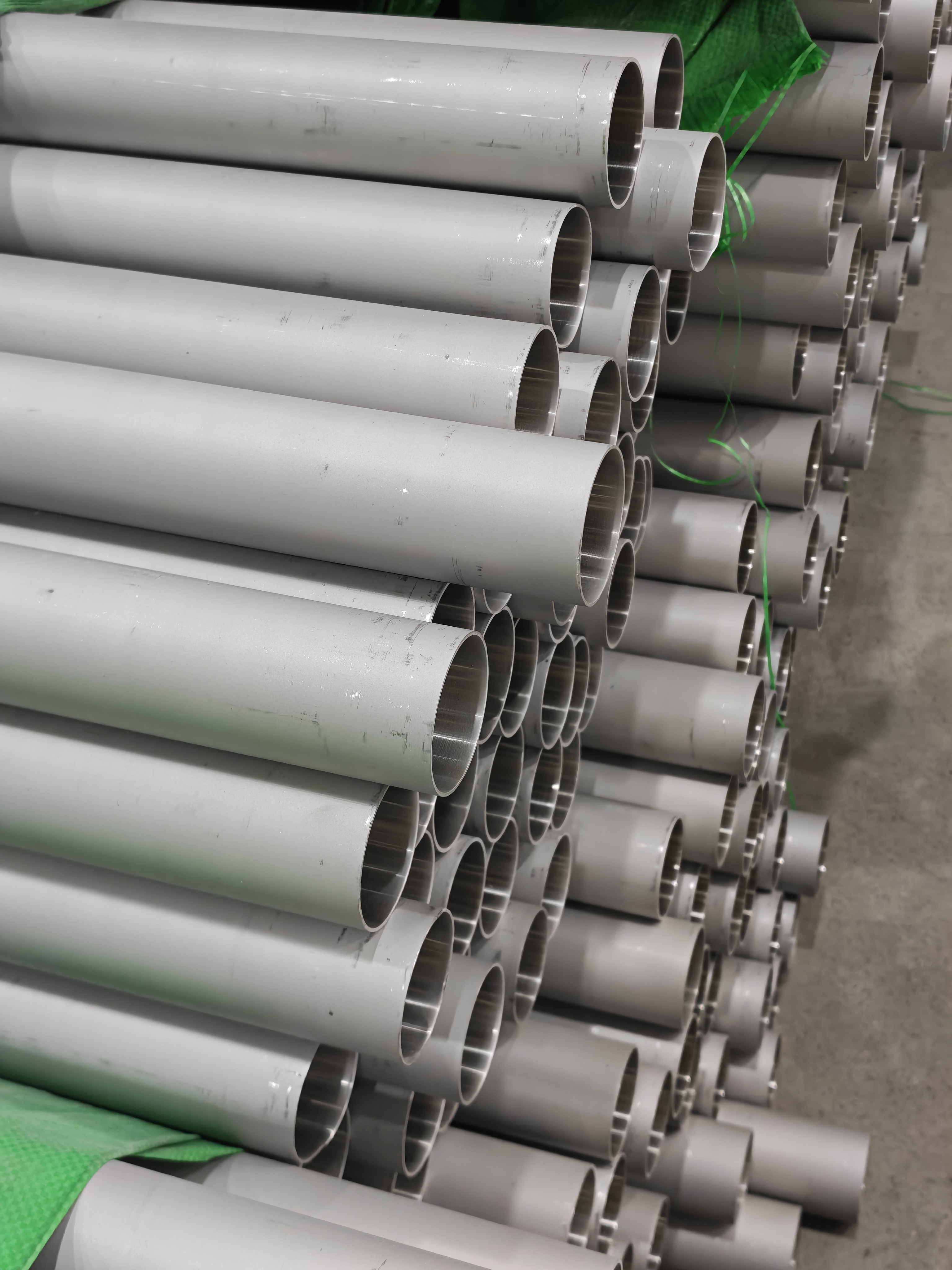
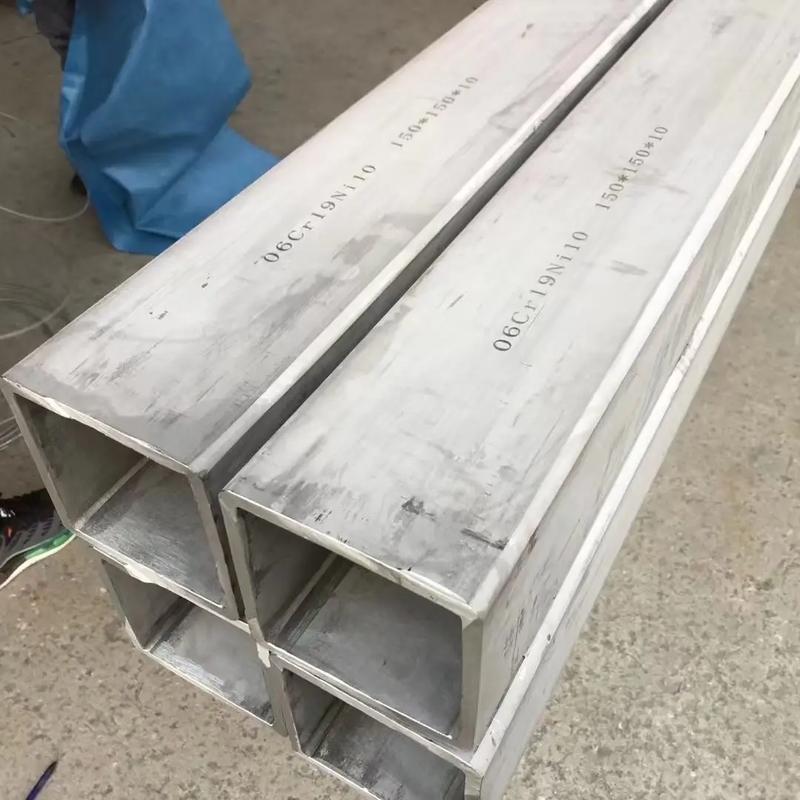
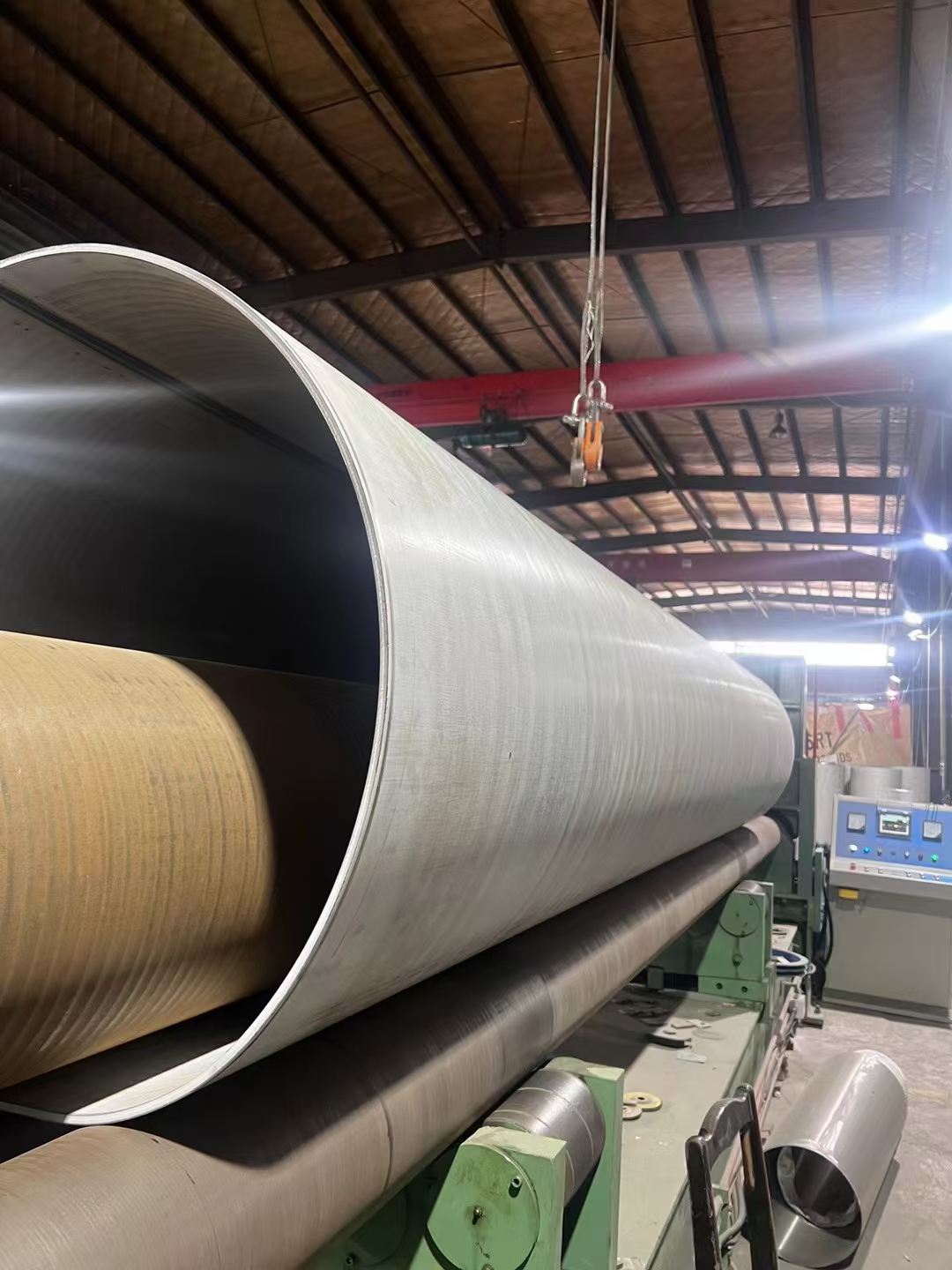
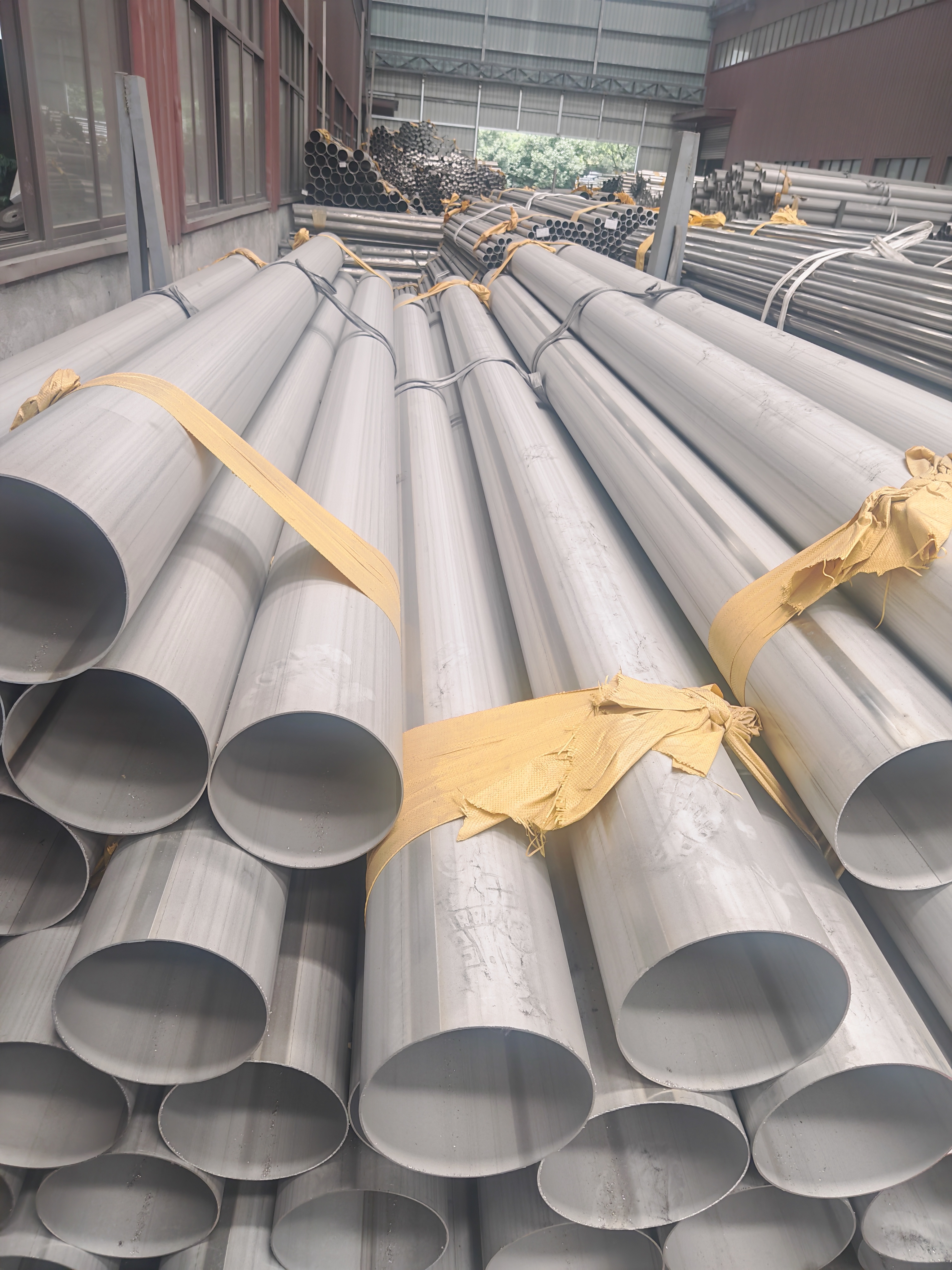
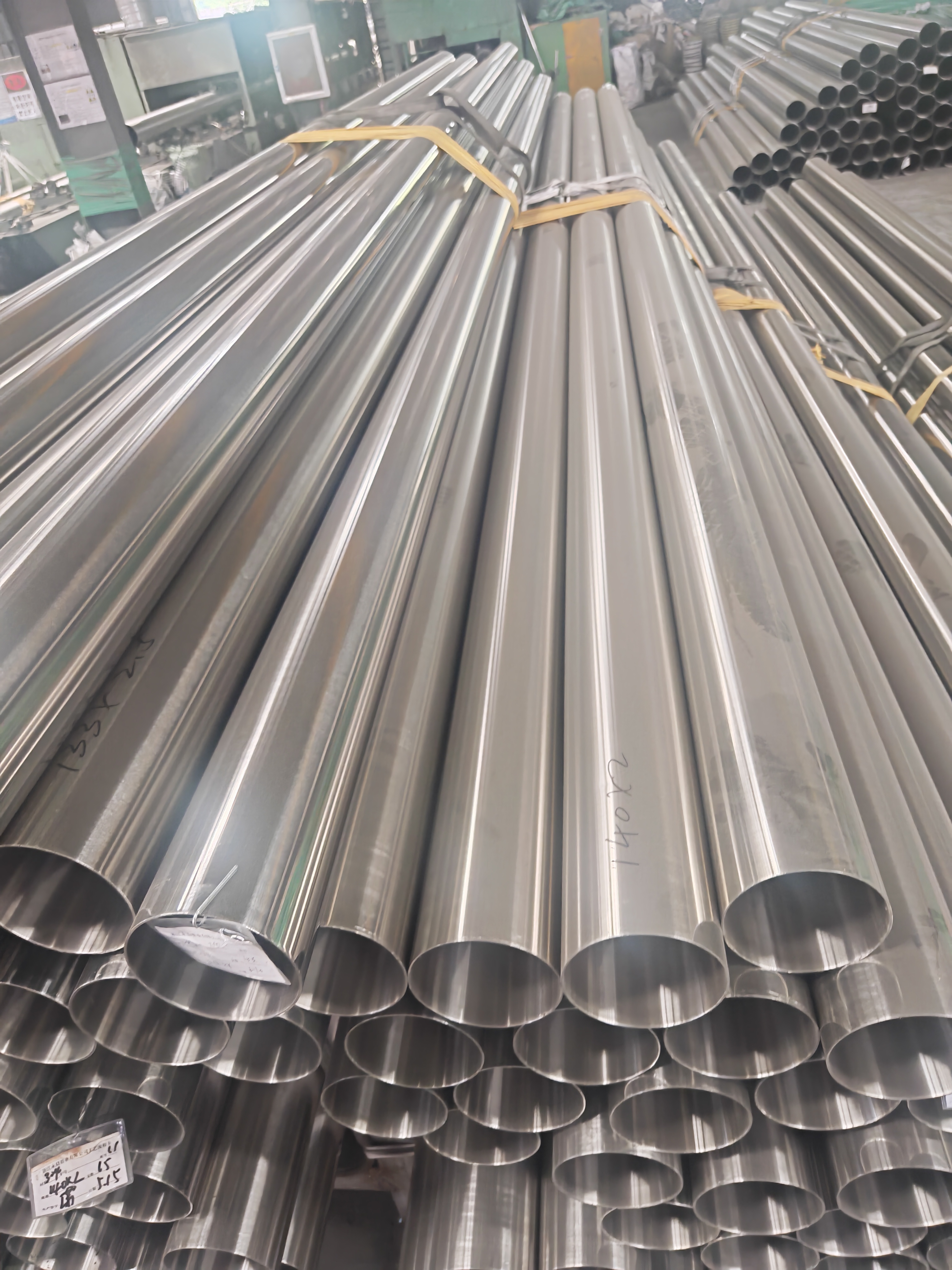
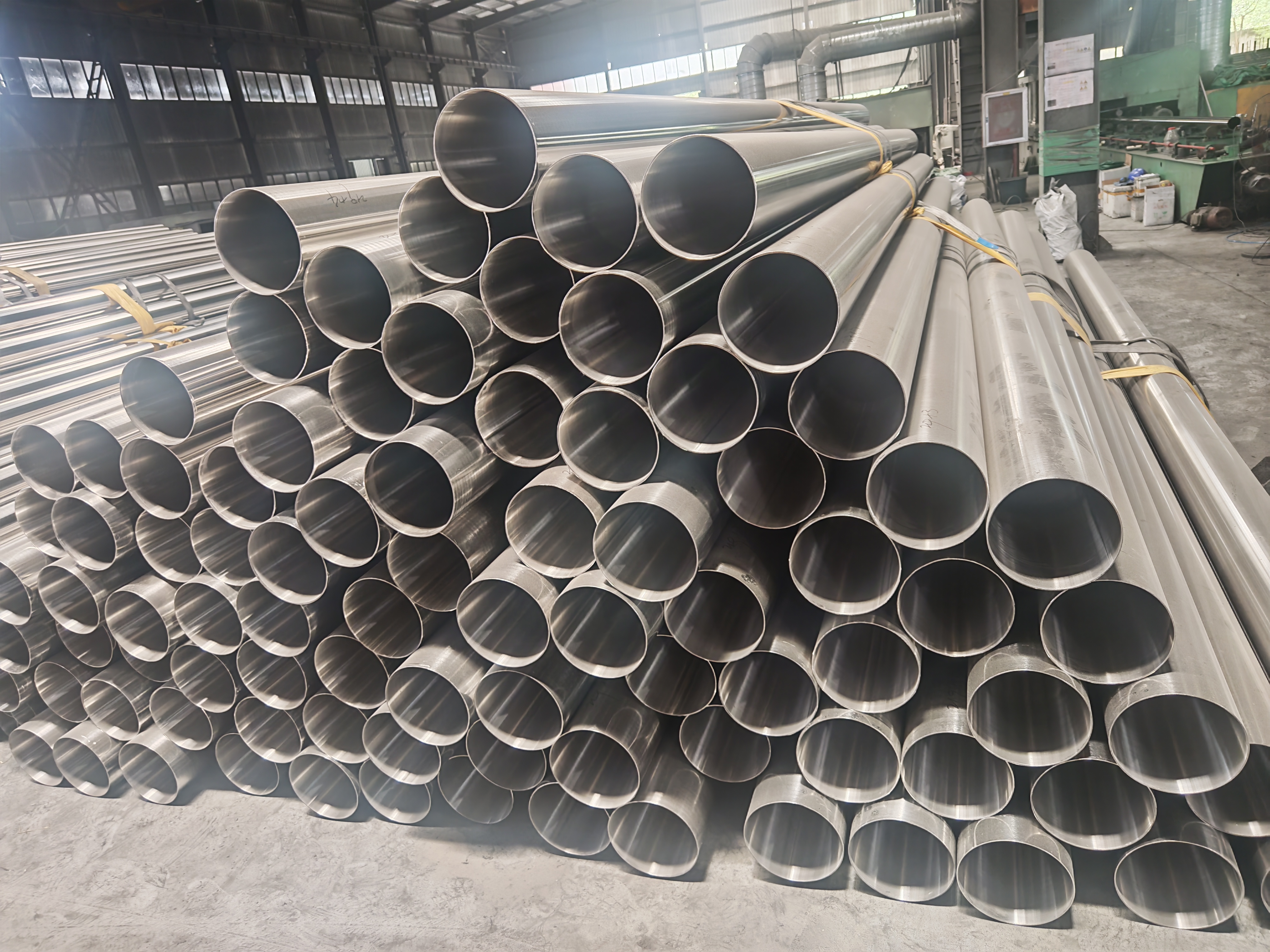
The longitudinal weld seam represents a fundamental welding technique where metal pieces are joined along their lengthwise direction, creating a continuous bond that runs parallel to the material's primary axis. This welding method forms the backbone of numerous manufacturing processes across multiple industries, serving as a critical component in pipe production, structural fabrication, and cylindrical vessel construction. The longitudinal weld seam distinguishes itself through its ability to create seamless connections that maintain structural integrity while optimizing material usage and production efficiency. The primary function of the longitudinal weld seam centers on creating durable, leak-proof connections between metal surfaces that must withstand various operational stresses. In pipe manufacturing, this seam enables the transformation of flat steel plates into robust cylindrical structures capable of handling high-pressure applications. The technological features of longitudinal weld seam formation include precise heat control, consistent penetration depth, and uniform bead formation throughout the entire seam length. Modern welding equipment employs automated systems that ensure consistent quality and reduce human error during the longitudinal weld seam creation process. Applications for longitudinal weld seam technology span across oil and gas pipelines, water distribution systems, structural steel fabrication, pressure vessel manufacturing, and automotive exhaust systems. The versatility of this welding approach makes it indispensable in industries requiring reliable, long-lasting metal connections. Quality control measures for longitudinal weld seam production include non-destructive testing methods such as ultrasonic inspection, radiographic examination, and visual assessment to ensure compliance with industry standards. The longitudinal weld seam process adapts to various metal types including carbon steel, stainless steel, aluminum, and specialized alloys, making it a universal solution for diverse manufacturing requirements.

New Product Recommendations

The longitudinal weld seam offers exceptional structural integrity that surpasses traditional joining methods by creating a continuous metallic bond along the entire length of the connection. This superior bonding strength ensures that welded assemblies can withstand extreme pressures, temperature fluctuations, and mechanical stresses without compromising performance. Manufacturing efficiency receives a significant boost through longitudinal weld seam implementation, as this technique allows for rapid production of cylindrical components and structural elements. The streamlined process reduces labor costs and accelerates project timelines, enabling manufacturers to meet demanding delivery schedules while maintaining quality standards. Cost effectiveness emerges as a primary advantage when implementing longitudinal weld seam technology, as it minimizes material waste and reduces the need for additional fastening hardware. The elimination of mechanical connectors such as bolts, rivets, or adhesives translates to substantial savings in both material costs and assembly time. Quality consistency stands out as another compelling benefit, with modern automated welding systems producing uniform longitudinal weld seam results that meet stringent industry specifications. The repeatability of this process ensures that every component maintains the same high-quality standards, reducing rejection rates and improving overall product reliability. Versatility in application makes the longitudinal weld seam suitable for diverse manufacturing scenarios, from small-diameter tubing to large-scale pipeline construction. This adaptability allows manufacturers to utilize a single welding technique across multiple product lines, simplifying training requirements and equipment inventory. The longitudinal weld seam process accommodates various material thicknesses and compositions, providing flexibility in design specifications and material selection. Environmental benefits include reduced energy consumption compared to alternative joining methods, as the focused heat application minimizes power requirements while maximizing join strength. The durability of longitudinal weld seam connections extends product lifecycles, reducing replacement frequency and contributing to sustainable manufacturing practices. Maintenance requirements remain minimal due to the permanent nature of the weld bond, eliminating periodic tightening or replacement of mechanical fasteners. This reliability factor proves particularly valuable in critical applications where failure consequences could be severe.

Latest News

Strongwin Stainless Steel Group Achieves ISO 90012015 Certification and AD 2000 Merkblatt Approval

28

Feb

Strongwin Stainless Steel Group Achieves ISO 90012015 Certification and AD 2000 Merkblatt Approval

View More
Strongwin Stainless Steel Group Announces Major Production Capacity Expansion to Meet Growing Global Demand

11

Mar

Strongwin Stainless Steel Group Announces Major Production Capacity Expansion to Meet Growing Global Demand

View More
Strongwin Stainless Steel Group Announces Strategic Partnership with Leading European Engineering Firm

11

Mar

Strongwin Stainless Steel Group Announces Strategic Partnership with Leading European Engineering Firm

View More

Get a Free Quote

Our representative will contact you soon.
Email
Mobile/WhatsApp
Name
Company Name
Message
0/1000

longitudinal weld seam

Superior Structural Performance and Load Distribution

Superior Structural Performance and Load Distribution

The longitudinal weld seam excels in providing unmatched structural performance through its ability to distribute loads evenly across the entire joint interface, creating a connection that often proves stronger than the base materials themselves. This exceptional load distribution capability stems from the metallurgical fusion that occurs during the welding process, where the filler material bonds molecularly with the parent metals to form a homogeneous structure. The resulting joint eliminates stress concentration points that commonly occur with mechanical fasteners, preventing premature failure under cyclic loading conditions. In high-pressure applications such as pipeline systems and pressure vessels, the longitudinal weld seam maintains its integrity even when subjected to internal pressures that would challenge other joining methods. The continuous nature of this weld type ensures that stress distribution remains uniform throughout the connection length, preventing localized weakening that could lead to catastrophic failure. Fatigue resistance represents another critical aspect of the longitudinal weld seam's structural superiority, as the absence of mechanical stress risers significantly extends the operational lifespan of welded assemblies. Testing data consistently demonstrates that properly executed longitudinal weld seam connections can withstand millions of stress cycles without developing cracks or showing signs of degradation. The thermal stability of these joints allows them to maintain their strength characteristics across wide temperature ranges, making them suitable for applications involving extreme environmental conditions. Quality control protocols for longitudinal weld seam production include comprehensive testing procedures that verify joint strength, ductility, and corrosion resistance, ensuring that each connection meets or exceeds design requirements. This rigorous approach to quality assurance provides customers with confidence in the long-term reliability of their welded assemblies, reducing maintenance costs and minimizing downtime risks.
Advanced Manufacturing Efficiency and Cost Optimization

Advanced Manufacturing Efficiency and Cost Optimization

The longitudinal weld seam revolutionizes manufacturing efficiency by enabling high-speed production of complex cylindrical and tubular components through automated welding processes that significantly reduce cycle times and labor requirements. Modern longitudinal weld seam systems incorporate sophisticated control technologies that monitor and adjust welding parameters in real-time, ensuring consistent quality while maximizing production throughput. This automation capability allows manufacturers to operate continuously with minimal human intervention, reducing labor costs and eliminating variability associated with manual welding techniques. The streamlined workflow associated with longitudinal weld seam production eliminates multiple assembly steps required by mechanical joining methods, consolidating what would typically be a multi-stage process into a single, efficient operation. Material utilization reaches optimal levels through the longitudinal weld seam approach, as the precise heat application minimizes the heat-affected zone and reduces waste generation. The ability to join materials of varying thicknesses and grades within a single longitudinal weld seam operation provides design flexibility while maintaining economic efficiency. Setup times for longitudinal weld seam equipment remain minimal compared to alternative joining processes, allowing for quick changeovers between different product specifications and reducing overall manufacturing lead times. Energy consumption per joint proves significantly lower than competing technologies, as the focused heat input required for longitudinal weld seam formation concentrates thermal energy precisely where needed, avoiding unnecessary heating of surrounding materials. The scalability of longitudinal weld seam production systems accommodates everything from small-batch custom fabrication to high-volume industrial manufacturing, providing economic advantages across diverse production scenarios. Quality consistency achieved through automated longitudinal weld seam processes reduces inspection requirements and minimizes rejection rates, further enhancing cost effectiveness and customer satisfaction.
Exceptional Versatility and Application Flexibility

Exceptional Versatility and Application Flexibility

The longitudinal weld seam demonstrates remarkable versatility across an extensive range of materials, thicknesses, and geometric configurations, making it the preferred joining method for diverse industrial applications spanning from precision instrumentation to heavy industrial construction. This adaptability extends to various metal types including carbon steels, stainless steels, aluminum alloys, nickel-based superalloys, and exotic materials used in specialized industries such as aerospace and chemical processing. The longitudinal weld seam process accommodates material thickness variations from thin-gauge sheet metal applications to heavy-wall pressure vessel construction, providing manufacturers with a unified joining solution across their entire product portfolio. Geometric flexibility represents another significant advantage, as longitudinal weld seam techniques can create joints in straight, curved, or complex three-dimensional configurations while maintaining consistent quality and performance characteristics. The process readily adapts to both ferrous and non-ferrous materials, with welding parameters easily adjustable to accommodate different thermal properties, melting points, and metallurgical characteristics. Environmental tolerance of longitudinal weld seam operations allows for both indoor controlled manufacturing and outdoor field installation scenarios, with portable equipment options available for on-site construction projects. The compatibility with various welding processes including submerged arc welding, gas metal arc welding, and specialized techniques such as electron beam welding provides customers with options tailored to their specific application requirements. Surface preparation requirements remain minimal compared to other joining methods, as the longitudinal weld seam process can accommodate slight surface irregularities and contamination levels that would compromise alternative techniques. Post-weld treatment options include stress relief, heat treatment, and surface finishing procedures that can be integrated into the manufacturing workflow to meet specific performance requirements. This comprehensive approach to customization ensures that longitudinal weld seam solutions can be optimized for each unique application, delivering maximum value and performance to customers across diverse industries.

Get a Free Quote

Our representative will contact you soon.
Email
Mobile/WhatsApp
Name
Company Name
Message
0/1000