Comprehensive Guide to Longitudinal Weld Seam Price - Cost-Effective Solutions & Quality Benefits

All Categories

Get a Free Quote

Our representative will contact you soon.
Email
Mobile/WhatsApp
Name
Company Name
Message
0/1000

longitudinal weld seam price

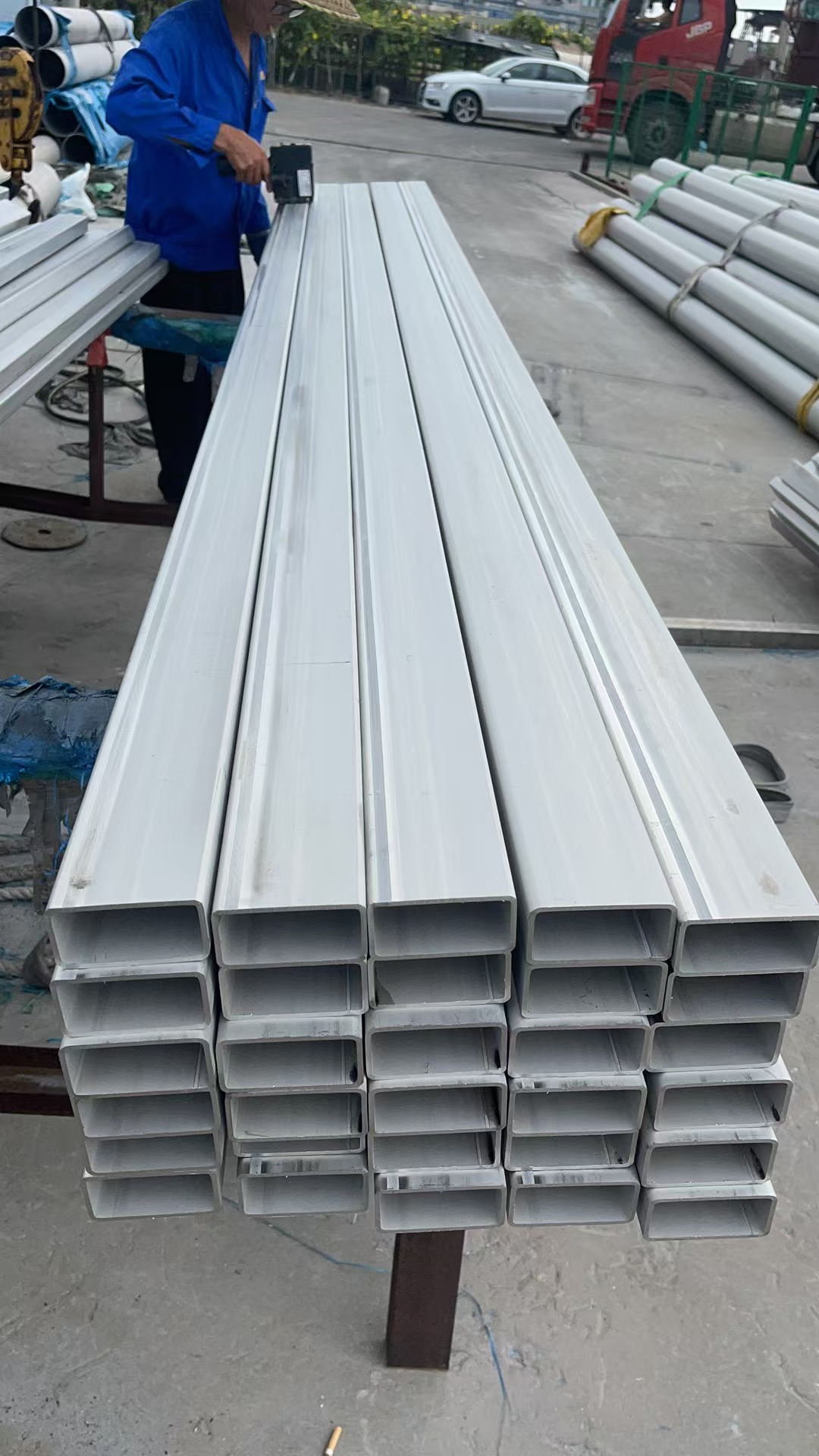
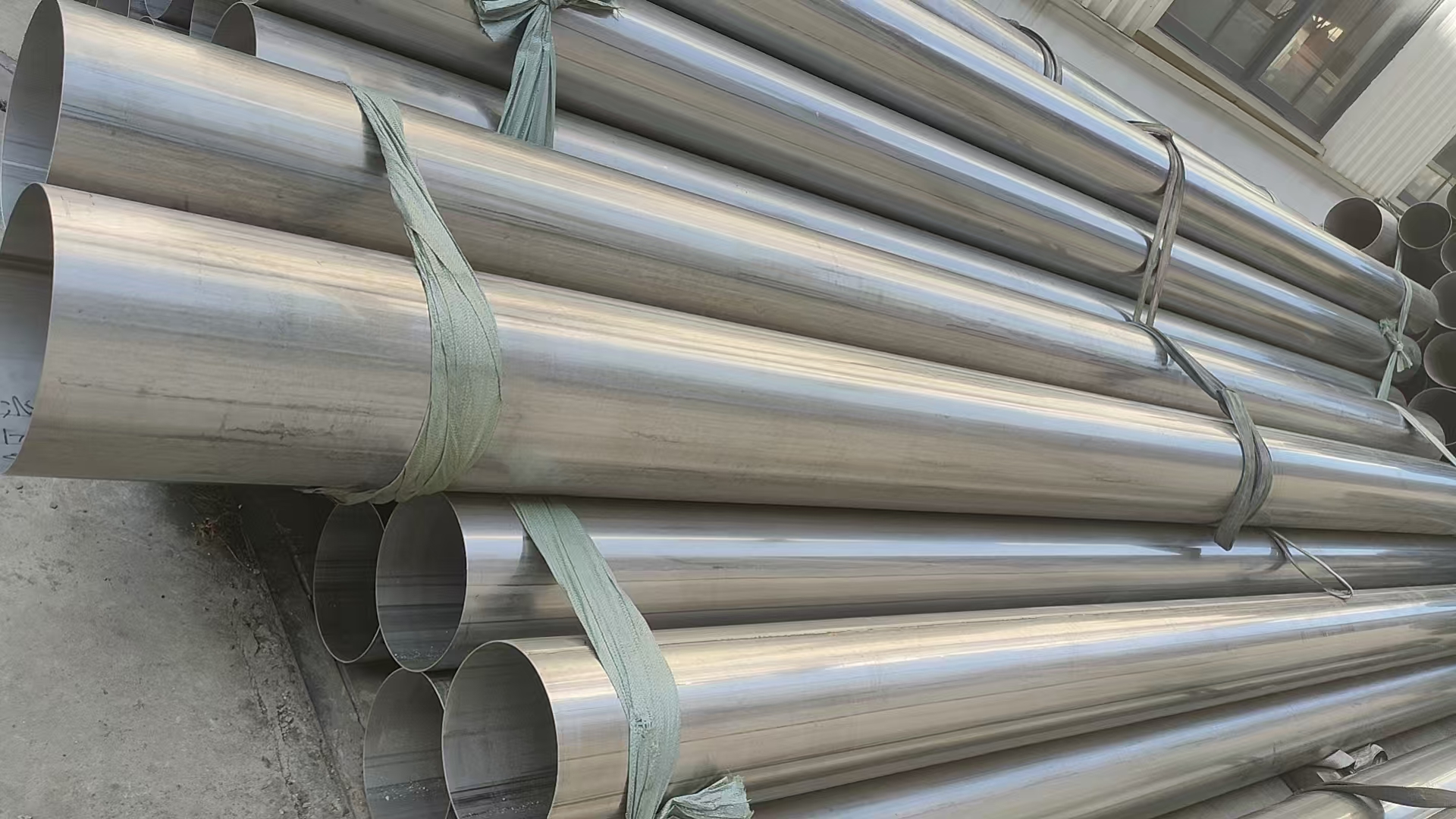
The longitudinal weld seam price represents a critical factor in modern manufacturing and construction industries, where welded joints form the backbone of structural integrity. Understanding longitudinal weld seam price considerations enables businesses to make informed decisions about their fabrication projects while maintaining quality standards. Longitudinal welding creates continuous seams parallel to the length of materials, particularly in pipe manufacturing, structural steel fabrication, and pressure vessel construction. The longitudinal weld seam price varies significantly based on material thickness, welding process selection, joint preparation requirements, and quality specifications demanded by the application. Advanced welding technologies have revolutionized how longitudinal seams are created, with automated systems reducing labor costs while improving consistency. The longitudinal weld seam price encompasses not only the direct welding costs but also preparation work, material handling, quality testing, and post-weld treatments. Modern longitudinal welding processes utilize sophisticated equipment including submerged arc welding, gas metal arc welding, and electron beam welding systems. Each technology offers distinct advantages in terms of penetration depth, welding speed, and final seam quality characteristics. The longitudinal weld seam price calculation must account for productivity rates, consumable material costs, energy consumption, and skilled operator requirements. Quality assurance procedures significantly impact the overall longitudinal weld seam price structure, as non-destructive testing methods ensure seam integrity meets industry standards. Technological innovations continue to influence longitudinal weld seam price trends, with automated systems reducing human error while increasing throughput. Manufacturing facilities investing in advanced longitudinal welding equipment often achieve better long-term cost efficiency despite higher initial capital expenditures. The longitudinal weld seam price competitiveness depends on achieving optimal balance between welding speed, quality consistency, and material utilization rates across different project scales.

New Product Releases

Longitudinal weld seam price optimization delivers substantial cost savings for manufacturing operations while maintaining superior quality standards. Businesses benefit from reduced material waste when longitudinal welding processes are properly managed and priced competitively. The longitudinal weld seam price structure allows for accurate project budgeting, enabling companies to provide precise quotations to their customers. Advanced longitudinal welding techniques reduce the need for extensive post-weld machining, which directly impacts the overall longitudinal weld seam price favorably. Automated longitudinal welding systems increase production efficiency, allowing manufacturers to process more components within the same timeframe while controlling labor costs. The longitudinal weld seam price becomes more attractive when considering the excellent strength characteristics achieved through proper welding procedures. Quality longitudinal welds distribute stress evenly along the joint length, reducing the risk of failure and associated repair costs. Competitive longitudinal weld seam price points enable manufacturers to secure larger contracts while maintaining healthy profit margins. Modern welding equipment reduces consumable material requirements, which positively affects the longitudinal weld seam price calculation for high-volume production runs. Skilled welding operators can achieve consistent results with longitudinal seaming, ensuring that the longitudinal weld seam price reflects reliable quality outcomes. Energy-efficient welding processes contribute to lower operational costs, making the longitudinal weld seam price more competitive in market comparisons. Standardized longitudinal welding procedures reduce setup times between different jobs, improving overall productivity and cost-effectiveness. The longitudinal weld seam price structure supports flexible manufacturing schedules, allowing companies to respond quickly to customer demands without compromising quality. Preventive maintenance programs for longitudinal welding equipment help maintain consistent production costs and reliable longitudinal weld seam price estimates. Investment in training programs ensures that welding personnel can optimize longitudinal seaming processes, maintaining competitive pricing while achieving excellent results. Quality control systems integrated with longitudinal welding operations reduce defect rates, which keeps the longitudinal weld seam price stable and predictable for customers.

Latest News

Strongwin Stainless Steel Group Achieves ISO 90012015 Certification and AD 2000 Merkblatt Approval

28

Feb

Strongwin Stainless Steel Group Achieves ISO 90012015 Certification and AD 2000 Merkblatt Approval

View More
Strongwin Stainless Steel Group Announces Major Production Capacity Expansion to Meet Growing Global Demand

11

Mar

Strongwin Stainless Steel Group Announces Major Production Capacity Expansion to Meet Growing Global Demand

View More
Strongwin Stainless Steel Group Announces Strategic Partnership with Leading European Engineering Firm

11

Mar

Strongwin Stainless Steel Group Announces Strategic Partnership with Leading European Engineering Firm

View More

Get a Free Quote

Our representative will contact you soon.
Email
Mobile/WhatsApp
Name
Company Name
Message
0/1000

longitudinal weld seam price

Advanced Automation Technology Reduces Longitudinal Weld Seam Price

Advanced Automation Technology Reduces Longitudinal Weld Seam Price

Modern automated longitudinal welding systems represent a revolutionary advancement that significantly impacts longitudinal weld seam price competitiveness while delivering superior quality results. These sophisticated systems utilize computer-controlled positioning equipment, automated wire feeding mechanisms, and precise heat input management to create consistent longitudinal seams across various material types and thicknesses. The longitudinal weld seam price benefits tremendously from automation because machines operate continuously without fatigue, maintaining steady productivity rates that reduce per-unit costs. Automated systems eliminate human error factors that can lead to costly rework, ensuring that the longitudinal weld seam price remains predictable and stable for large production runs. Advanced sensors monitor welding parameters in real-time, making automatic adjustments to maintain optimal conditions and consistent seam quality. This technological sophistication reduces the longitudinal weld seam price by minimizing material waste and eliminating defective welds that require expensive repairs or replacement. Robotic welding cells can operate during multiple shifts with minimal supervision, spreading equipment costs across higher production volumes and reducing the longitudinal weld seam price per linear foot. Programming flexibility allows automated systems to handle different joint configurations and material specifications without extensive setup changes, maintaining competitive longitudinal weld seam price points across diverse applications. Data logging capabilities provide detailed production records that help optimize welding parameters and further reduce the longitudinal weld seam price through continuous improvement initiatives. Integrated quality control systems perform inline inspections, catching potential issues before they become costly problems that would increase the longitudinal weld seam price. These automated solutions require fewer skilled operators, reducing labor costs while maintaining high-quality standards that justify competitive longitudinal weld seam price structures in the marketplace.
Energy-Efficient Processes Optimize Longitudinal Weld Seam Price Structure

Energy-Efficient Processes Optimize Longitudinal Weld Seam Price Structure

Energy efficiency represents a crucial factor in maintaining competitive longitudinal weld seam price points while supporting environmental sustainability goals across manufacturing operations. Modern longitudinal welding equipment incorporates advanced power management systems that optimize energy consumption without compromising weld quality or productivity rates. The longitudinal weld seam price benefits from these efficiency improvements through reduced electricity costs, particularly important for high-volume production facilities operating continuously. Inverter-based welding power sources deliver precise current control while consuming significantly less energy than traditional transformer-based systems, directly improving longitudinal weld seam price competitiveness. Heat recovery systems capture waste thermal energy from longitudinal welding operations, redirecting this energy for facility heating or preheating incoming materials. These innovations reduce overall energy costs and contribute to more attractive longitudinal weld seam price structures for environmentally conscious customers. Advanced welding processes like laser hybrid welding combine multiple energy sources efficiently, achieving deeper penetration with lower total energy input compared to conventional methods. This efficiency translates to reduced operational costs and more competitive longitudinal weld seam price options for demanding applications. Smart power management systems monitor energy consumption patterns and automatically adjust welding parameters during off-peak electricity rate periods, further reducing the longitudinal weld seam price burden. Efficient shielding gas management systems reduce consumable waste while maintaining proper weld protection, contributing to lower longitudinal weld seam price calculations. Energy-efficient equipment typically generates less heat in the work environment, reducing cooling costs and creating more comfortable working conditions that support consistent productivity. Preventive maintenance programs for energy-efficient welding equipment help maintain optimal performance levels, ensuring that longitudinal weld seam price advantages continue throughout the equipment lifecycle. Government incentives for energy-efficient manufacturing equipment can offset initial investment costs, making advanced systems more accessible and supporting competitive longitudinal weld seam price strategies.
Quality Assurance Integration Ensures Reliable Longitudinal Weld Seam Price Value

Quality Assurance Integration Ensures Reliable Longitudinal Weld Seam Price Value

Integrated quality assurance systems provide exceptional value within longitudinal weld seam price structures by ensuring consistent results and eliminating costly defects throughout the production process. These comprehensive quality control measures begin with incoming material inspection and continue through final seam verification, maintaining standards that justify competitive longitudinal weld seam price points. Real-time monitoring systems track critical welding parameters including heat input, travel speed, and penetration depth, automatically flagging deviations that could compromise seam integrity. This proactive approach prevents defective welds that would increase the effective longitudinal weld seam price through rework requirements. Non-destructive testing methods integrated into longitudinal welding operations provide immediate feedback about seam quality without damaging finished products. Ultrasonic testing, radiographic examination, and magnetic particle inspection ensure that longitudinal weld seam price investments deliver reliable long-term performance. Statistical process control systems analyze welding data trends to identify potential issues before they affect production quality, maintaining consistent longitudinal weld seam price value for customers. Certified welding procedures ensure that longitudinal seaming operations meet industry standards and customer specifications, supporting premium longitudinal weld seam price positioning in competitive markets. Traceability systems document all welding parameters and inspection results, providing complete records that demonstrate quality compliance and justify longitudinal weld seam price premiums. Continuous improvement programs analyze quality data to optimize welding procedures and reduce defect rates, ultimately supporting more competitive longitudinal weld seam price structures. Operator certification programs ensure that welding personnel maintain skills necessary to achieve consistent quality results that support stable longitudinal weld seam price expectations. Quality management systems coordinate all aspects of longitudinal welding operations, from material handling through final inspection, ensuring that longitudinal weld seam price investments deliver maximum value. Customer satisfaction metrics tracked through quality assurance programs provide feedback for refining longitudinal welding processes and maintaining competitive longitudinal weld seam price advantages in the marketplace.

Get a Free Quote

Our representative will contact you soon.
Email
Mobile/WhatsApp
Name
Company Name
Message
0/1000