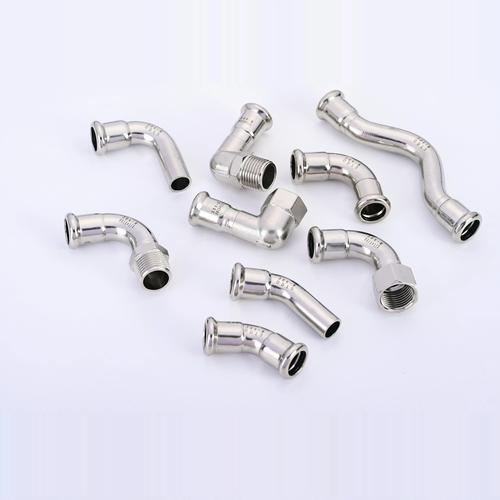
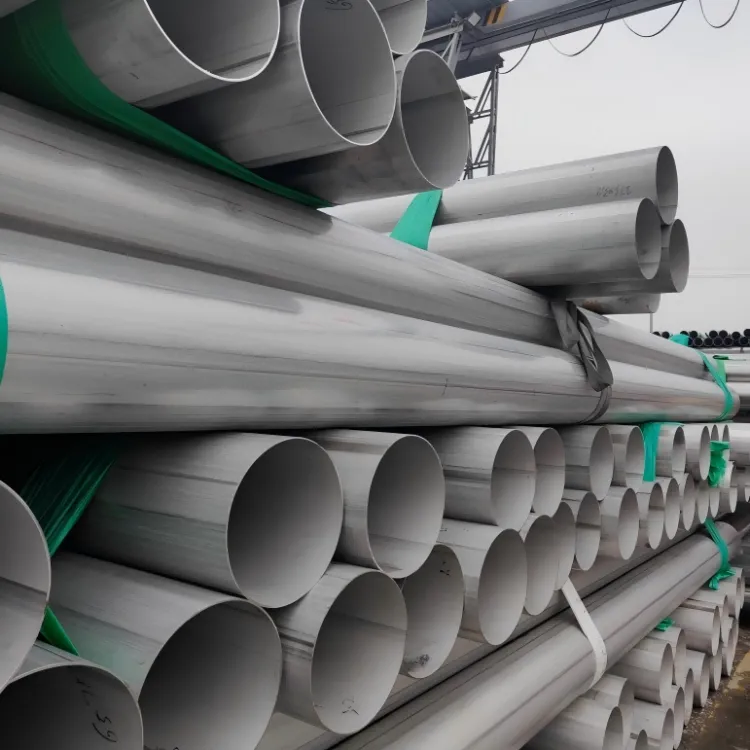
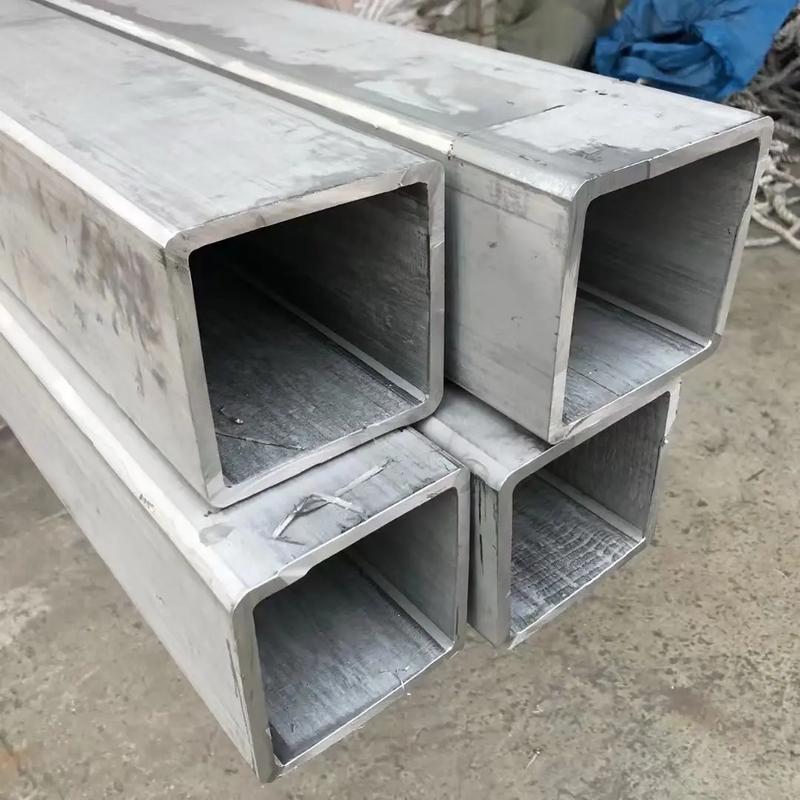
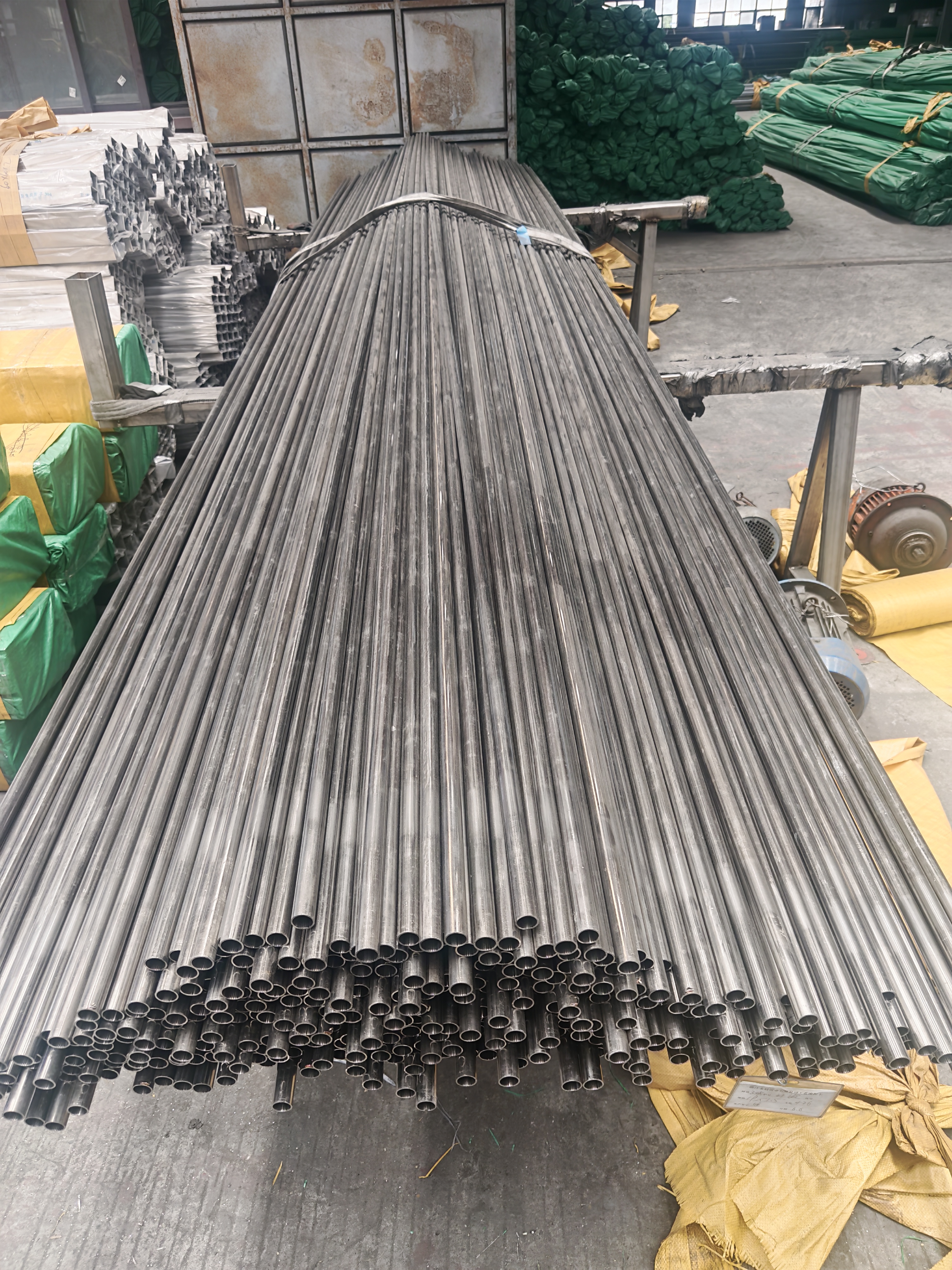
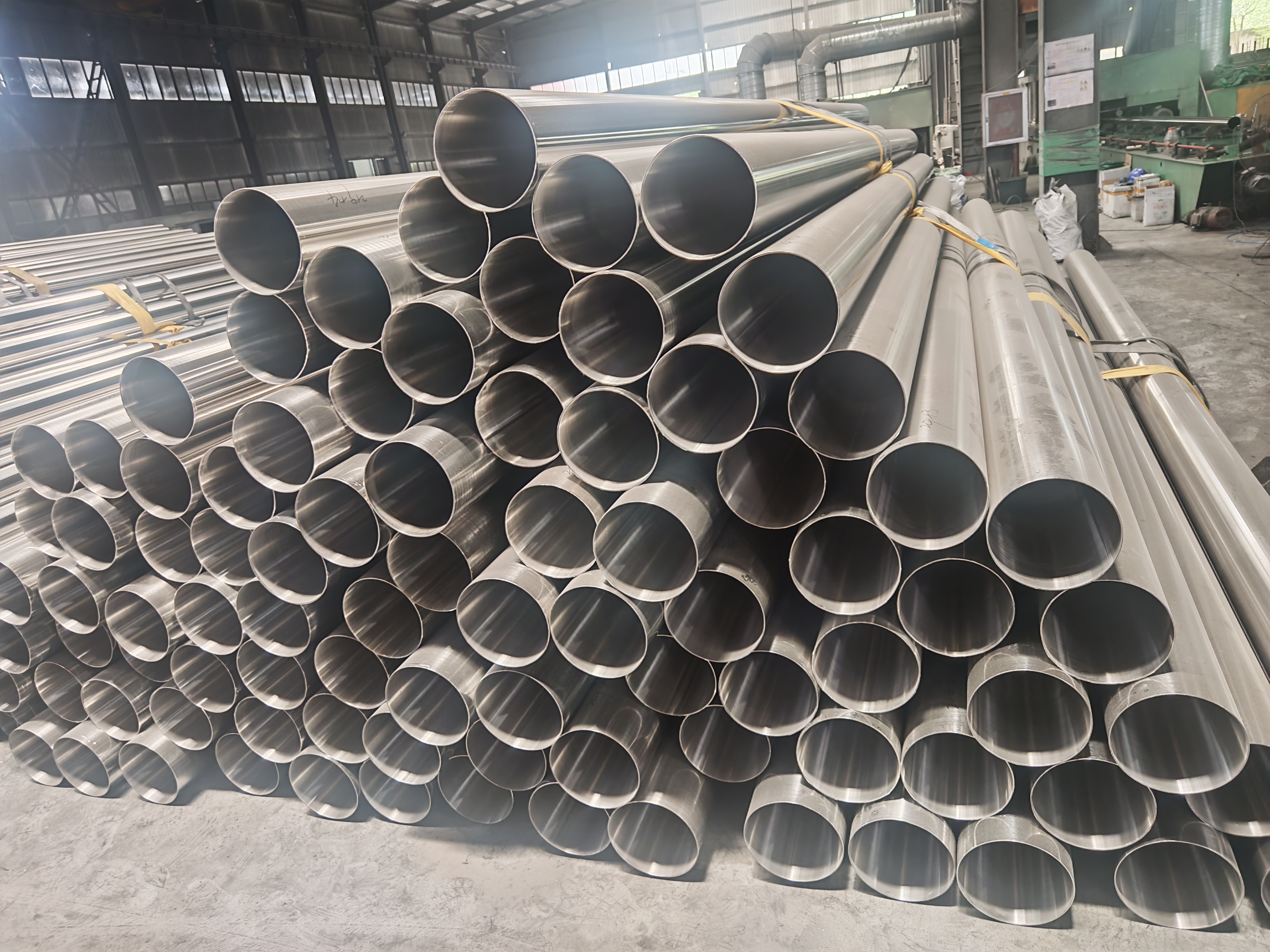
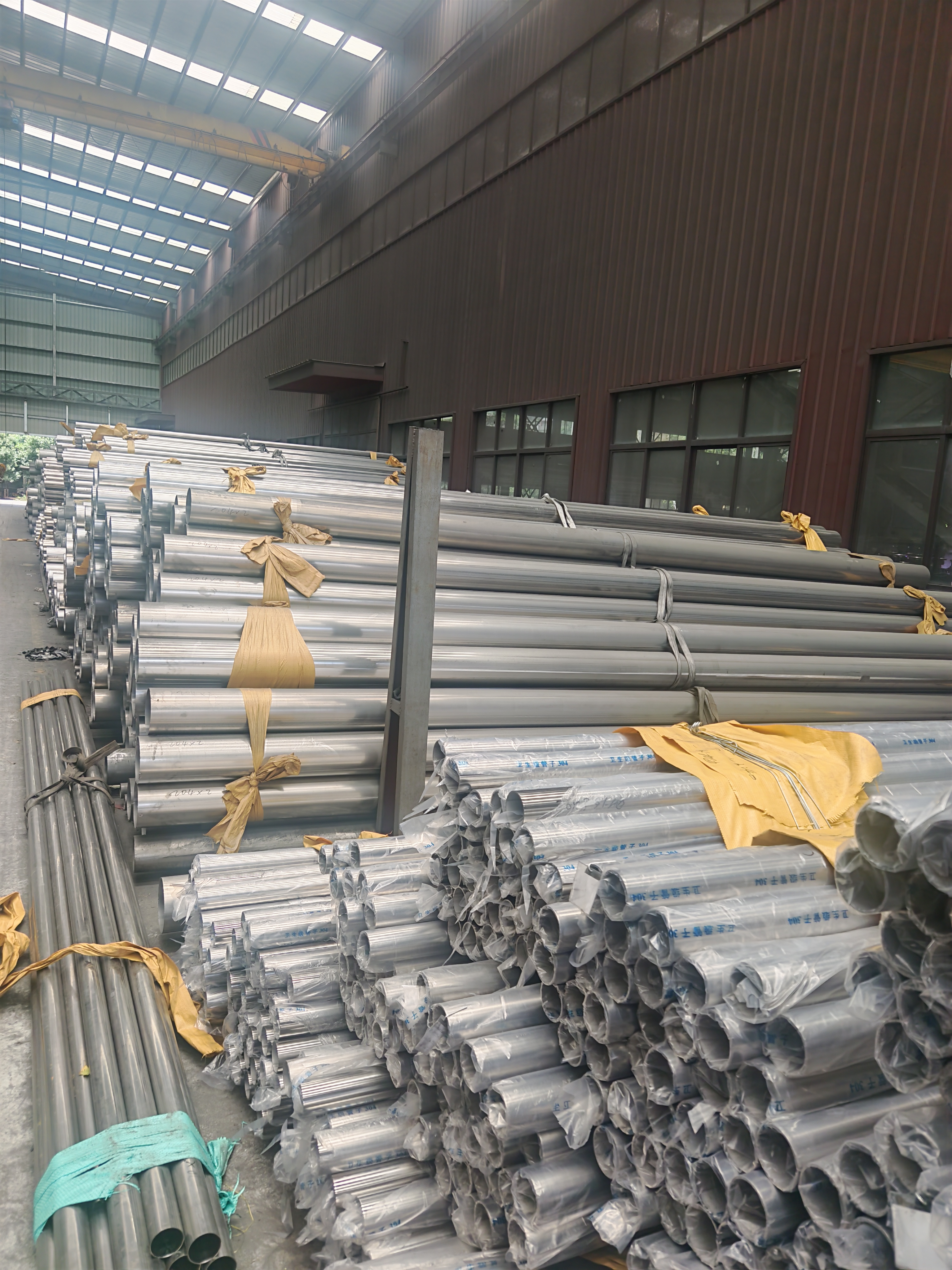
longitudinal seam welded tube
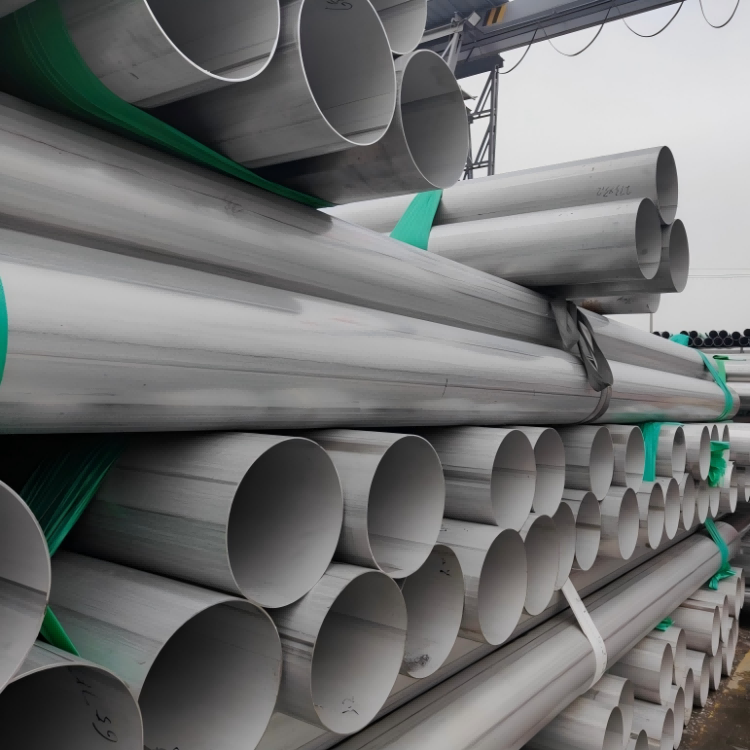
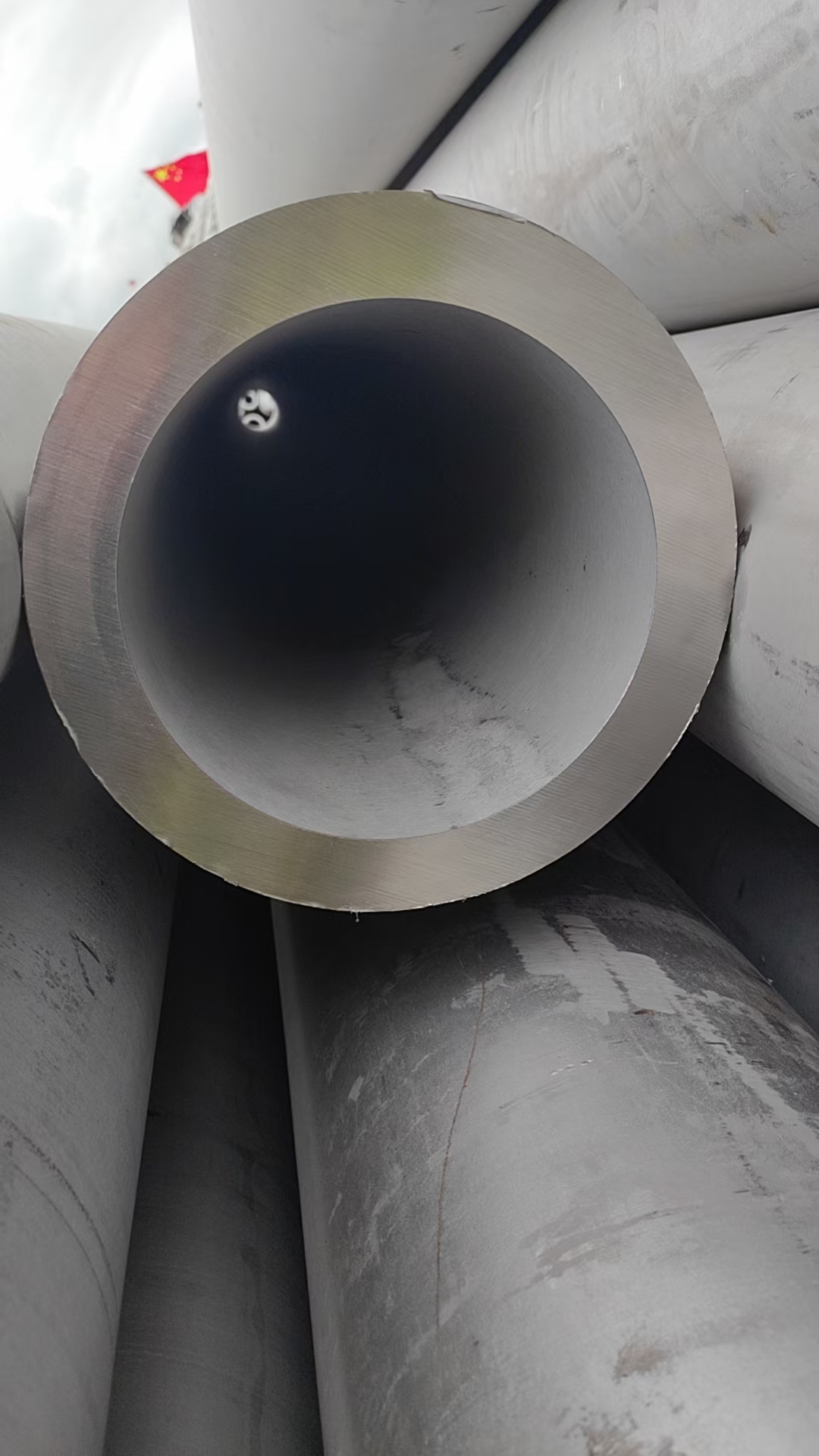
A longitudinal seam welded tube is a cylindrical metal product created through a specialized welding process that joins steel coils along their length. This manufacturing technique produces hollow tubes with exceptional structural integrity and consistent quality throughout. The longitudinal seam welded tube serves as a fundamental component in countless industrial applications, from construction frameworks to fluid transportation systems.
The primary function of a longitudinal seam welded tube is to provide reliable containment and conveyance of liquids, gases, and solid materials while maintaining structural strength under pressure and stress. The welding process involves feeding a flat steel strip through specialized equipment where the edges are gradually brought together and fused using electric resistance or submerged arc welding methods.
Key technological features of the longitudinal seam welded tube include precise diameter consistency, uniform wall thickness, and superior tensile strength. The manufacturing process allows for controlled heat treatment, ensuring the longitudinal seam welded tube meets specific industry standards and performance requirements. Advanced quality control systems monitor every stage of production, detecting and eliminating defects before the product reaches customers.
Applications for the longitudinal seam welded tube span multiple industries including automotive, mechanical engineering, oil and gas, construction, and agriculture. These tubes excel in situations requiring reliable pressure containment, structural support, and durability. The longitudinal seam welded tube has become the preferred choice for engineers and manufacturers seeking dependable solutions that balance cost-effectiveness with superior performance and longevity.
 EN
EN