Heavy Wall Longitudinal Seam Welding: Superior Structural Integrity and Manufacturing Excellence

All Categories

Get a Free Quote

Our representative will contact you soon.
Email
Mobile/WhatsApp
Name
Company Name
Message
0/1000

heavy wall longitudinal seam

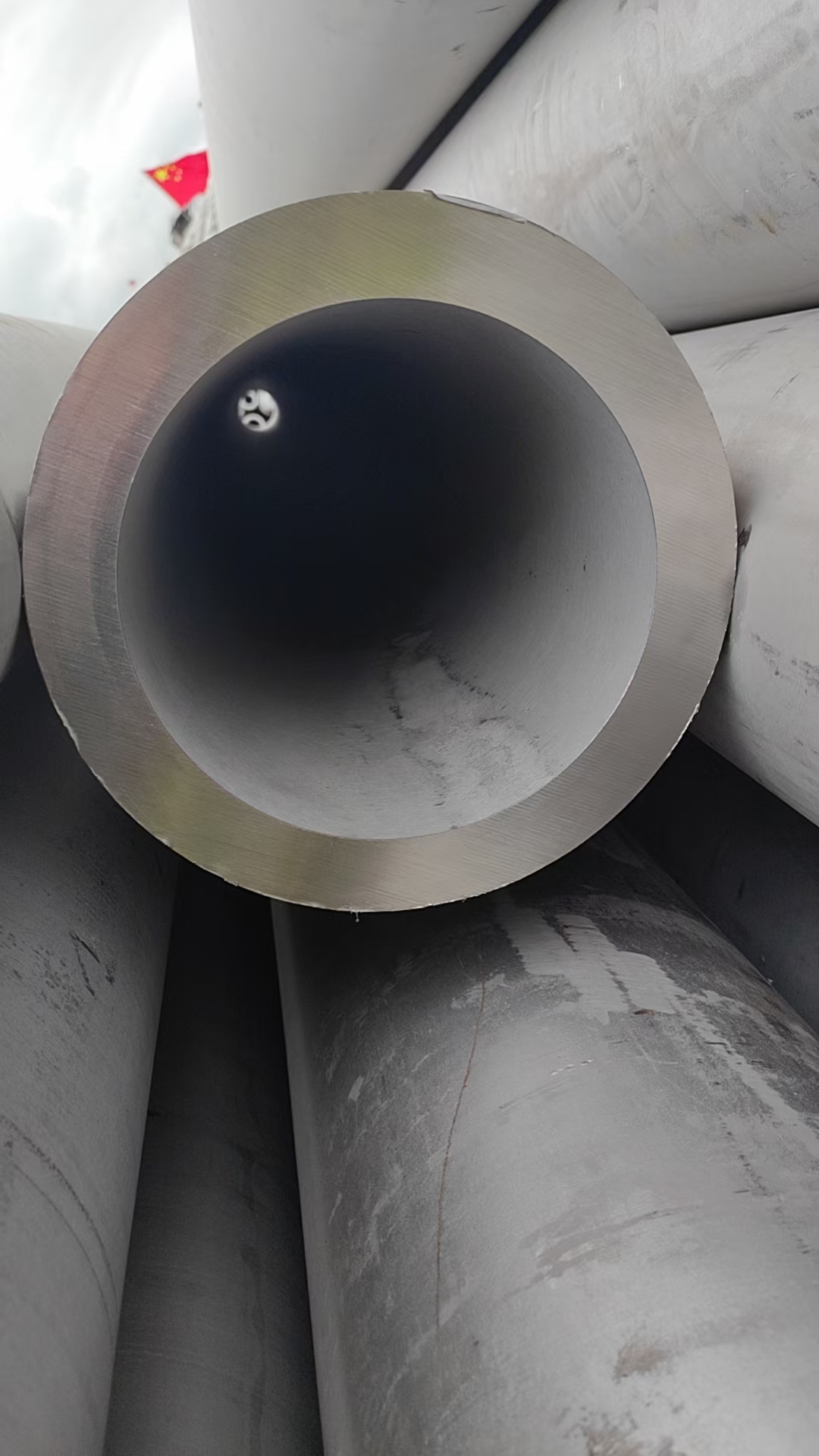
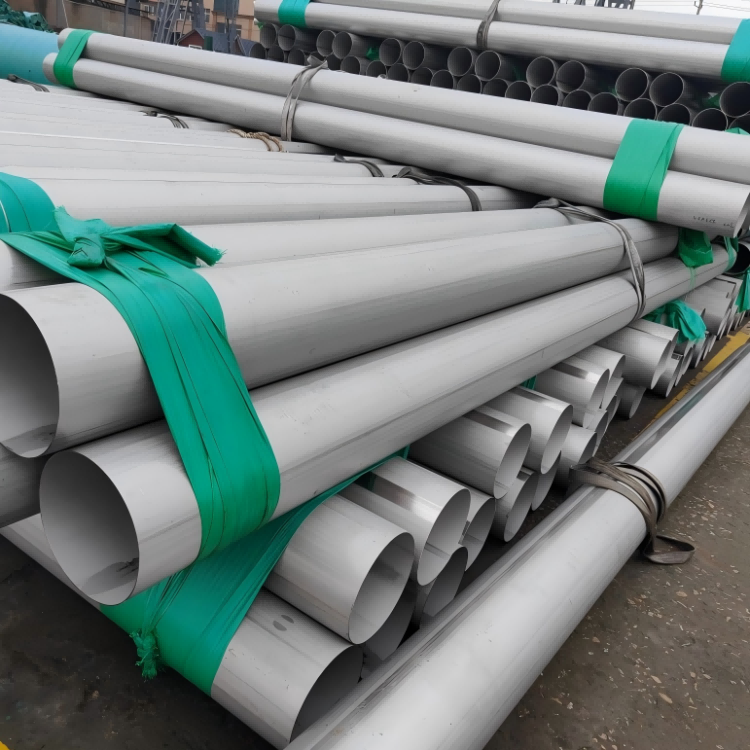
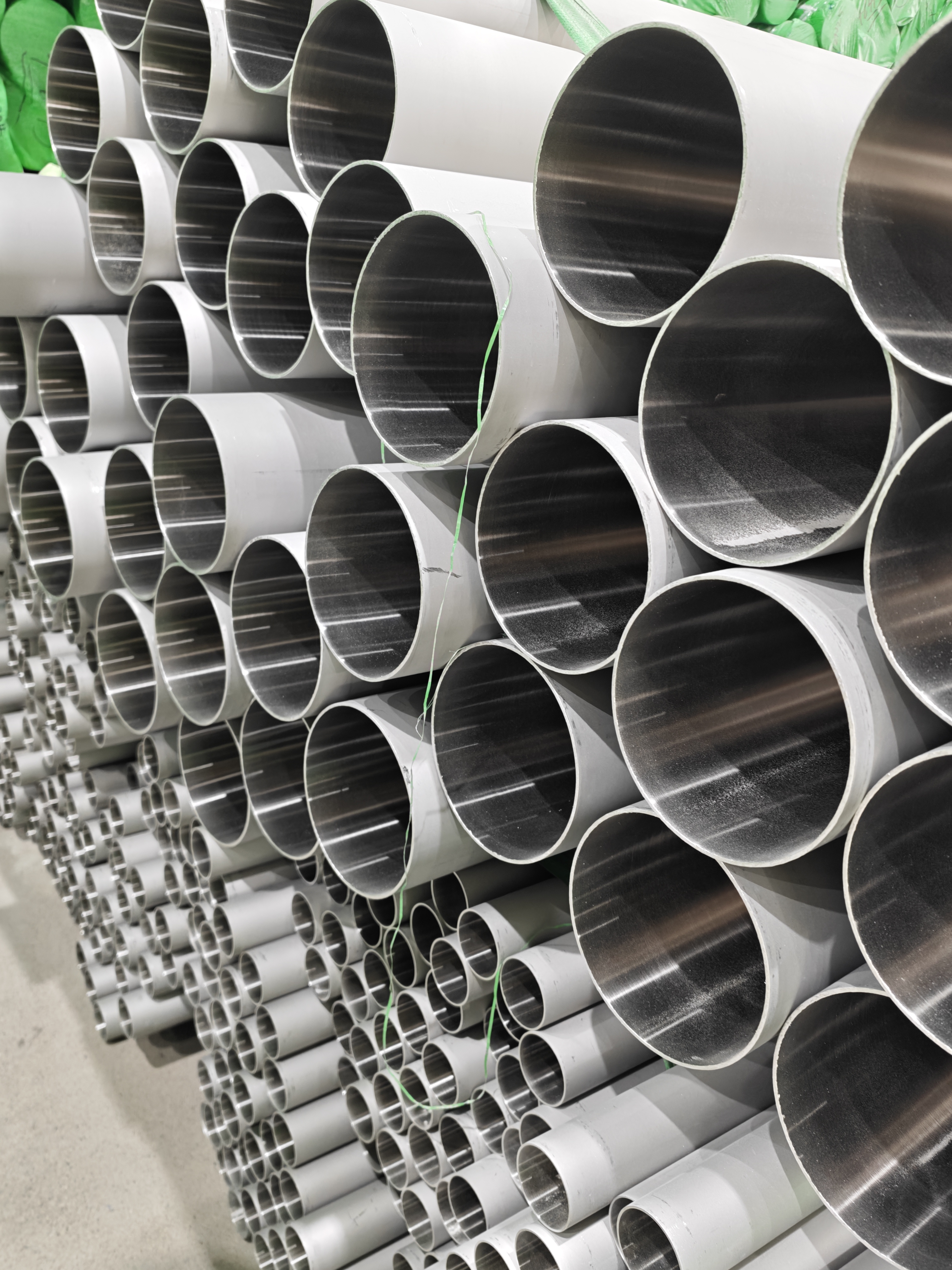
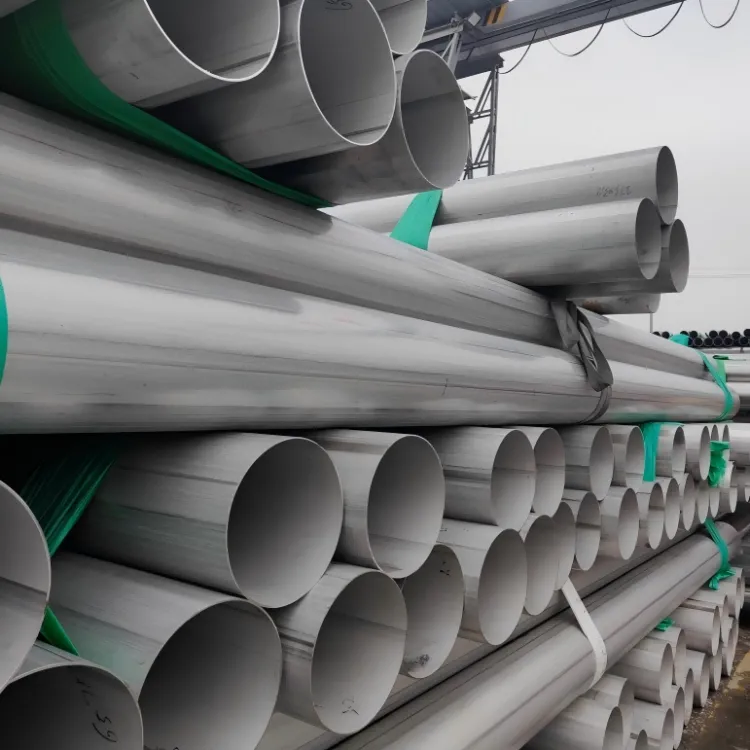
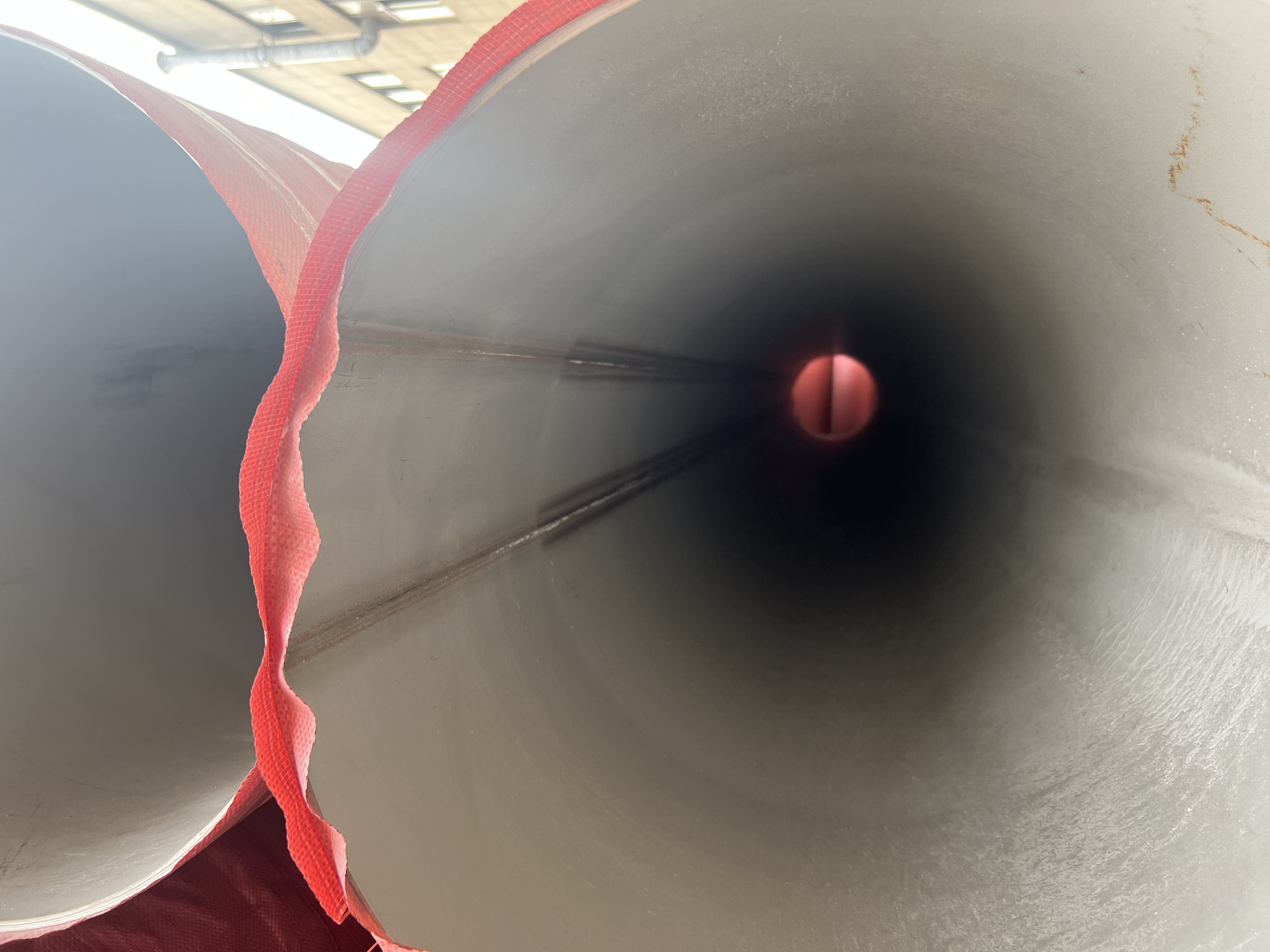
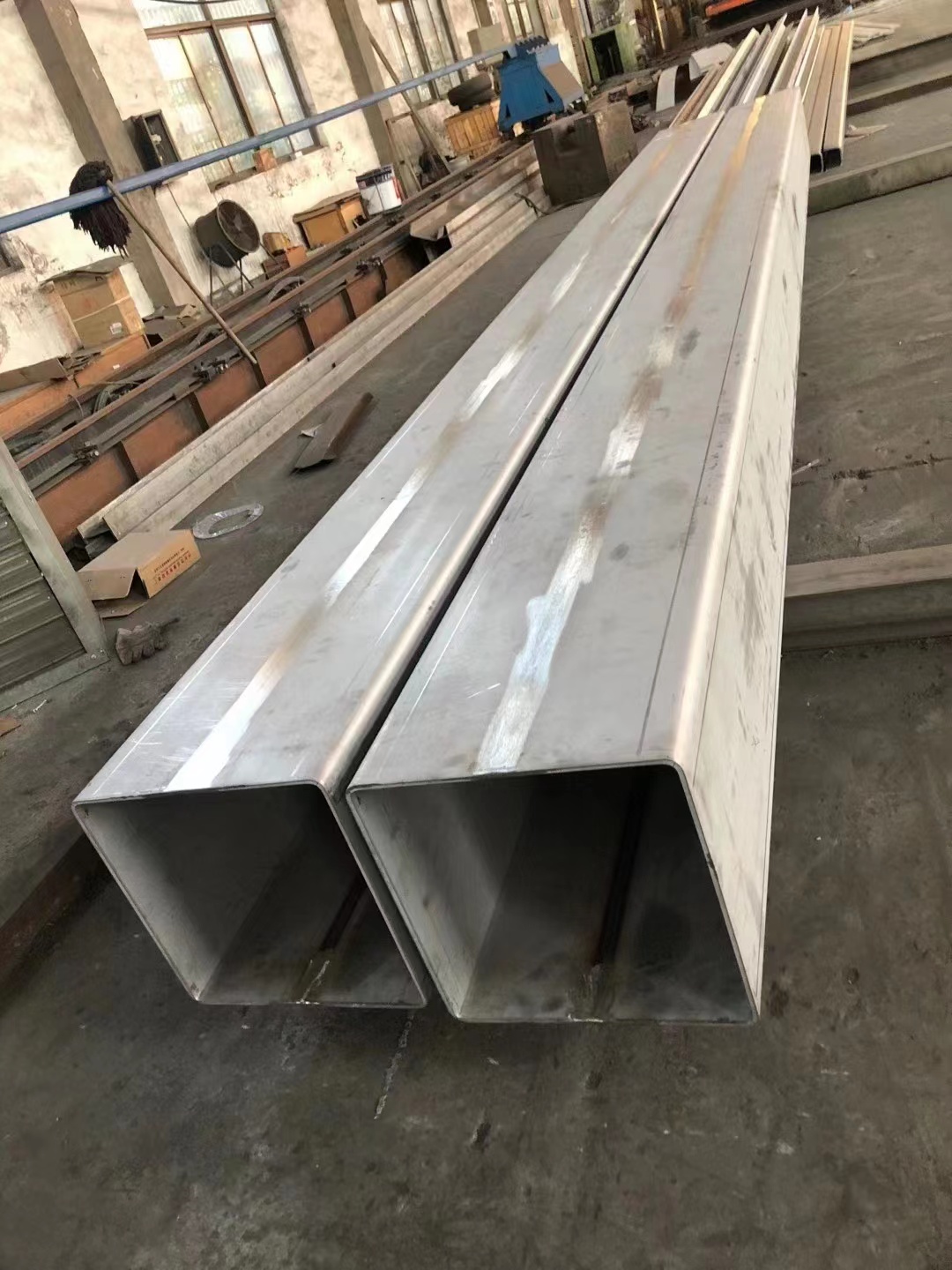
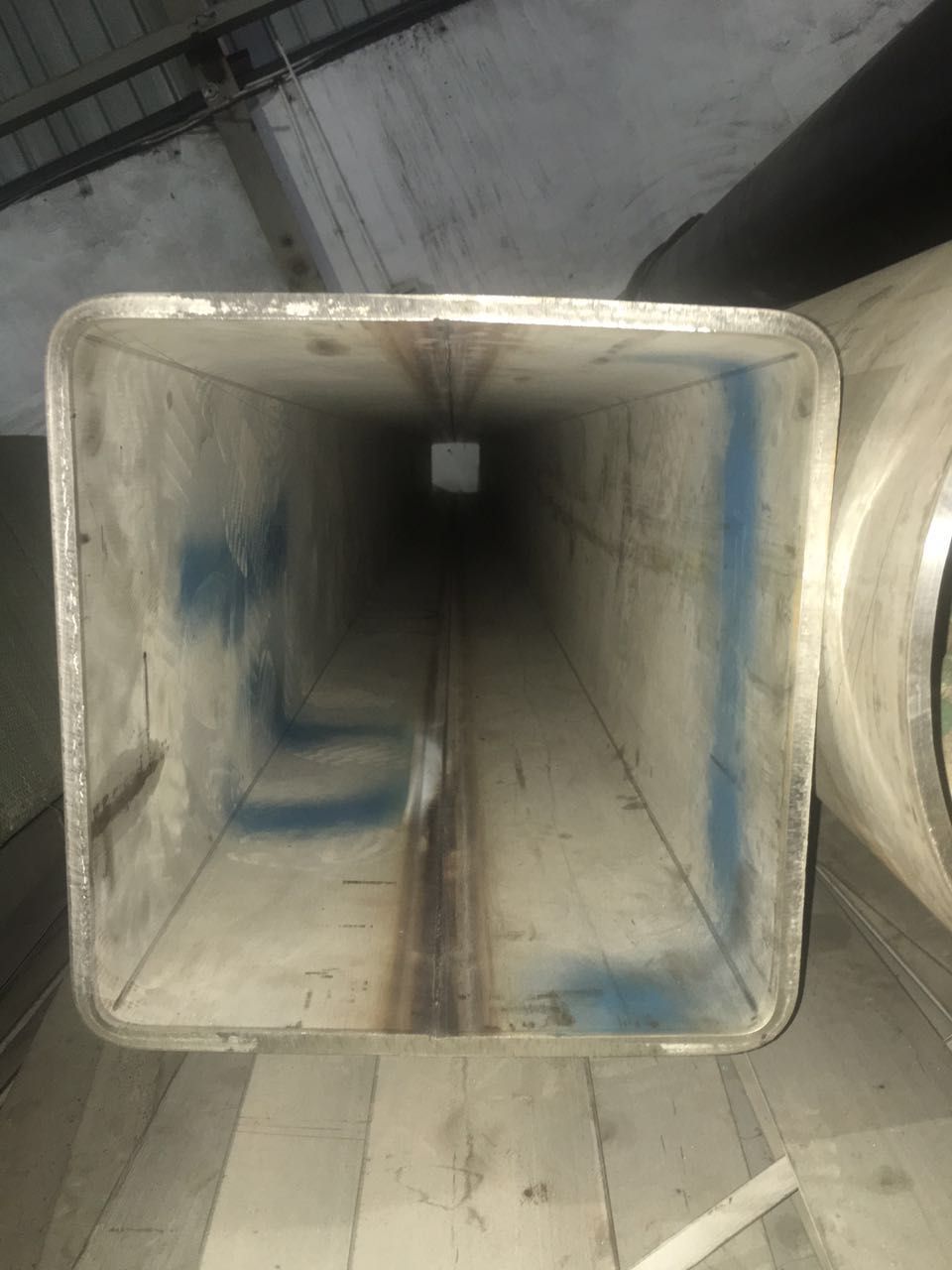
The heavy wall longitudinal seam represents a critical welding technique used in manufacturing thick-walled cylindrical structures and pressure vessels. This specialized welding process creates a continuous seam that runs parallel to the length of cylindrical components, ensuring structural integrity and pressure containment capabilities. Heavy wall longitudinal seam welding typically involves materials with wall thickness exceeding 25 millimeters, making it essential for high-pressure applications across multiple industries. The process requires precise control of heat input, welding parameters, and cooling rates to achieve optimal mechanical properties. Modern heavy wall longitudinal seam welding incorporates advanced technologies such as submerged arc welding, gas metal arc welding, and hybrid welding techniques. These methods ensure deep penetration, consistent bead geometry, and minimal distortion throughout the welding process. The heavy wall longitudinal seam must meet stringent quality standards including radiographic testing, ultrasonic inspection, and mechanical property verification. Fabricators utilize sophisticated equipment including automated welding systems, precise positioning devices, and real-time monitoring technology to maintain consistent quality. Temperature control during heavy wall longitudinal seam welding prevents thermal stress and ensures uniform microstructure development. Post-weld heat treatment often accompanies the heavy wall longitudinal seam process to relieve residual stresses and optimize material properties. Quality assurance protocols for heavy wall longitudinal seam welding include comprehensive documentation, traceability systems, and certification procedures. The heavy wall longitudinal seam technique finds applications in petroleum refining equipment, chemical processing vessels, power generation components, and offshore drilling structures. Material selection for heavy wall longitudinal seam welding considers factors such as service temperature, corrosion resistance, and mechanical strength requirements.

Popular Products

Heavy wall longitudinal seam welding delivers exceptional structural performance that surpasses traditional joining methods in demanding applications. This advanced welding technique creates joints with superior strength characteristics, often exceeding the base material properties when executed properly. The heavy wall longitudinal seam process eliminates potential weak points commonly found in mechanical fastening systems, providing continuous load distribution throughout the entire joint length. Manufacturers benefit from reduced material costs since heavy wall longitudinal seam welding eliminates the need for additional reinforcement plates or complex joint designs. The process offers remarkable versatility in accommodating various material grades, from carbon steel to high-alloy stainless steels and exotic materials used in specialized applications. Production efficiency increases significantly with heavy wall longitudinal seam welding, as automated systems can maintain consistent welding speeds while ensuring quality standards. The technique reduces overall manufacturing time compared to alternative joining methods, translating directly into cost savings for fabricators and end users. Heavy wall longitudinal seam welding provides excellent leak-tight performance, crucial for pressure vessel applications where safety and reliability are paramount. The process creates smooth internal surfaces that minimize flow restrictions and reduce maintenance requirements in service. Quality control becomes more manageable with heavy wall longitudinal seam welding, as inspection procedures follow established industry standards and can be easily automated. The technique offers superior corrosion resistance when properly executed, extending equipment service life and reducing replacement costs. Heavy wall longitudinal seam welding accommodates various design configurations, allowing engineers flexibility in optimizing structures for specific performance requirements. Environmental benefits include reduced waste generation and improved energy efficiency compared to alternative manufacturing processes. The technique supports sustainable manufacturing practices through optimized material utilization and reduced secondary operations. Heavy wall longitudinal seam welding enables precise control over joint geometry, ensuring consistent performance across large production runs. Cost-effectiveness improves through reduced labor requirements, minimized rework, and streamlined quality assurance procedures. The process delivers predictable results with minimal variation, supporting lean manufacturing principles and continuous improvement initiatives.

Tips And Tricks

Strongwin Stainless Steel Group Achieves ISO 90012015 Certification and AD 2000 Merkblatt Approval

28

Feb

Strongwin Stainless Steel Group Achieves ISO 90012015 Certification and AD 2000 Merkblatt Approval

View More
Strongwin Stainless Steel Group Announces Major Production Capacity Expansion to Meet Growing Global Demand

11

Mar

Strongwin Stainless Steel Group Announces Major Production Capacity Expansion to Meet Growing Global Demand

View More
Strongwin Stainless Steel Group Announces Strategic Partnership with Leading European Engineering Firm

11

Mar

Strongwin Stainless Steel Group Announces Strategic Partnership with Leading European Engineering Firm

View More

Get a Free Quote

Our representative will contact you soon.
Email
Mobile/WhatsApp
Name
Company Name
Message
0/1000

heavy wall longitudinal seam

Superior Structural Integrity and Load Distribution

Superior Structural Integrity and Load Distribution

The heavy wall longitudinal seam welding process creates joints with exceptional structural integrity that fundamentally transforms how cylindrical vessels handle internal pressures and external loads. This advanced welding technique produces a continuous metallurgical bond along the entire seam length, eliminating the stress concentration points typically associated with mechanical fastening systems. The heavy wall longitudinal seam distributes loads uniformly across the joint interface, preventing localized failure modes that can compromise overall structural performance. Advanced welding procedures ensure complete penetration through thick wall sections, creating a homogeneous material structure that behaves as a single, unified component rather than separate pieces joined together. The process achieves tensile strength values that often exceed the base material specifications, providing engineers with confidence in design calculations and safety margins. Fatigue resistance improves dramatically with heavy wall longitudinal seam welding, as the smooth transition zones minimize stress risers that typically initiate crack propagation. The technique accommodates thermal expansion and contraction cycles without developing leaks or structural damage, essential for equipment operating under varying temperature conditions. Quality control measures including radiographic testing and ultrasonic inspection verify complete fusion and absence of defects throughout the heavy wall longitudinal seam. Post-weld heat treatment optimizes the microstructure, ensuring consistent mechanical properties and relieving residual stresses that could affect long-term performance. The heavy wall longitudinal seam withstands extreme service conditions including high pressure, elevated temperature, and corrosive environments where joint reliability is critical for safe operation. Engineering analysis shows that properly executed heavy wall longitudinal seam joints exhibit superior performance in both static and dynamic loading conditions compared to alternative joining methods.
Advanced Manufacturing Efficiency and Cost Optimization

Advanced Manufacturing Efficiency and Cost Optimization

Heavy wall longitudinal seam welding revolutionizes manufacturing efficiency through automated processes that deliver consistent quality while reducing production time and costs. Modern welding systems equipped with sophisticated control technology maintain precise parameters throughout the heavy wall longitudinal seam process, eliminating the variability associated with manual operations. Automated travel speeds and consistent heat input ensure uniform penetration and bead geometry across the entire seam length, reducing the need for costly rework and inspection time. The heavy wall longitudinal seam technique integrates seamlessly with computer-controlled positioning equipment, enabling fabricators to weld complex geometries with minimal setup time and operator intervention. Material utilization improves significantly as the process eliminates waste associated with overlapping joints and reinforcement materials required in alternative joining methods. Production scheduling becomes more predictable with heavy wall longitudinal seam welding, as automated systems maintain consistent cycle times and quality standards regardless of operator skill variations. The technique reduces overall manufacturing costs through decreased labor requirements, faster production rates, and minimized quality-related delays. Energy efficiency improves with optimized welding parameters that deliver required penetration while minimizing heat input and associated distortion. Tooling costs decrease as standardized welding procedures eliminate the need for specialized fixtures and complex joint preparation equipment. The heavy wall longitudinal seam process supports lean manufacturing principles through reduced work-in-process inventory and streamlined material flow. Quality assurance procedures integrate efficiently with automated welding systems, providing real-time monitoring and documentation without interrupting production flow. Maintenance requirements for heavy wall longitudinal seam welding equipment remain minimal due to robust system designs and standardized consumable materials. Training costs reduce as automated systems require less specialized operator skills compared to complex manual welding procedures, improving workforce flexibility and reducing dependency on highly skilled welders.
Exceptional Performance in Critical Service Applications

Exceptional Performance in Critical Service Applications

The heavy wall longitudinal seam excels in critical service applications where failure consequences demand the highest levels of reliability and safety performance. This welding technique creates joints capable of withstanding extreme operating conditions including high internal pressures, elevated temperatures, and aggressive chemical environments found in petroleum refining, chemical processing, and power generation facilities. The heavy wall longitudinal seam maintains structural integrity under cyclic loading conditions that would compromise alternative joining methods, making it ideal for equipment subject to pressure fluctuations and thermal cycling. Corrosion resistance improves significantly when proper welding procedures eliminate crevices and surface irregularities where aggressive chemicals could initiate attack. The process accommodates specialized materials including high-alloy stainless steels, nickel-based alloys, and other exotic materials required for severe service applications. Quality standards for heavy wall longitudinal seam welding meet or exceed international codes including ASME, API, and AWS specifications, ensuring compliance with regulatory requirements and industry best practices. Inspection capabilities using advanced non-destructive testing methods verify joint integrity throughout the entire heavy wall longitudinal seam, providing documented evidence of quality for critical applications. The technique delivers predictable performance characteristics that enable accurate stress analysis and fatigue life calculations, essential for equipment operating in safety-critical environments. Service life extension results from superior joint quality and resistance to degradation mechanisms that typically affect welded structures in harsh operating conditions. Emergency repair capabilities improve as heavy wall longitudinal seam welding procedures can be adapted for field applications when equipment must be restored to service quickly. The process supports equipment designs that minimize maintenance requirements and maximize operational availability, crucial for continuous process industries where downtime costs are substantial. Risk mitigation improves through proven joint reliability and extensive service history documenting excellent performance in demanding applications across multiple industries worldwide.

Get a Free Quote

Our representative will contact you soon.
Email
Mobile/WhatsApp
Name
Company Name
Message
0/1000