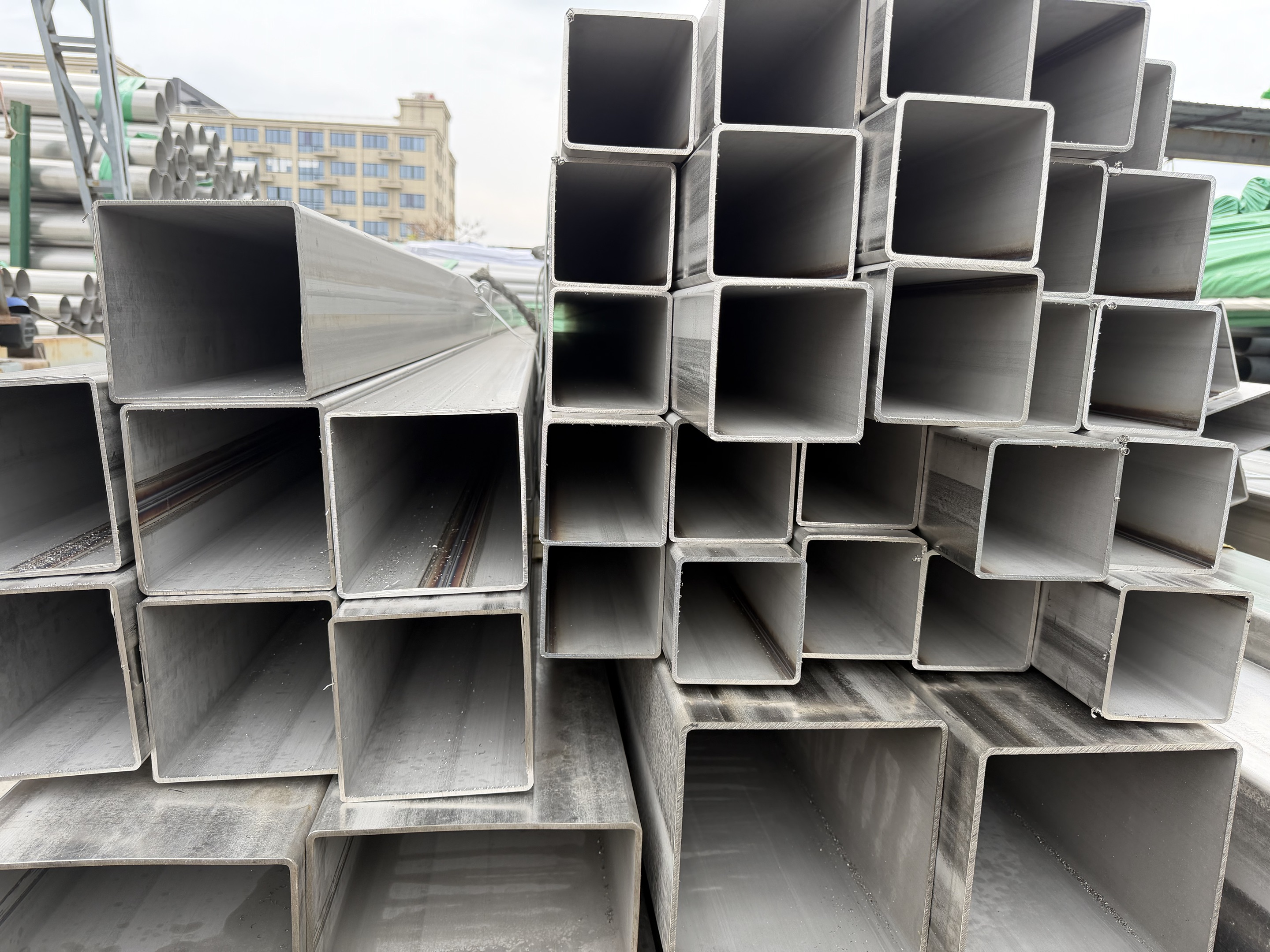
seam and seamless pipe
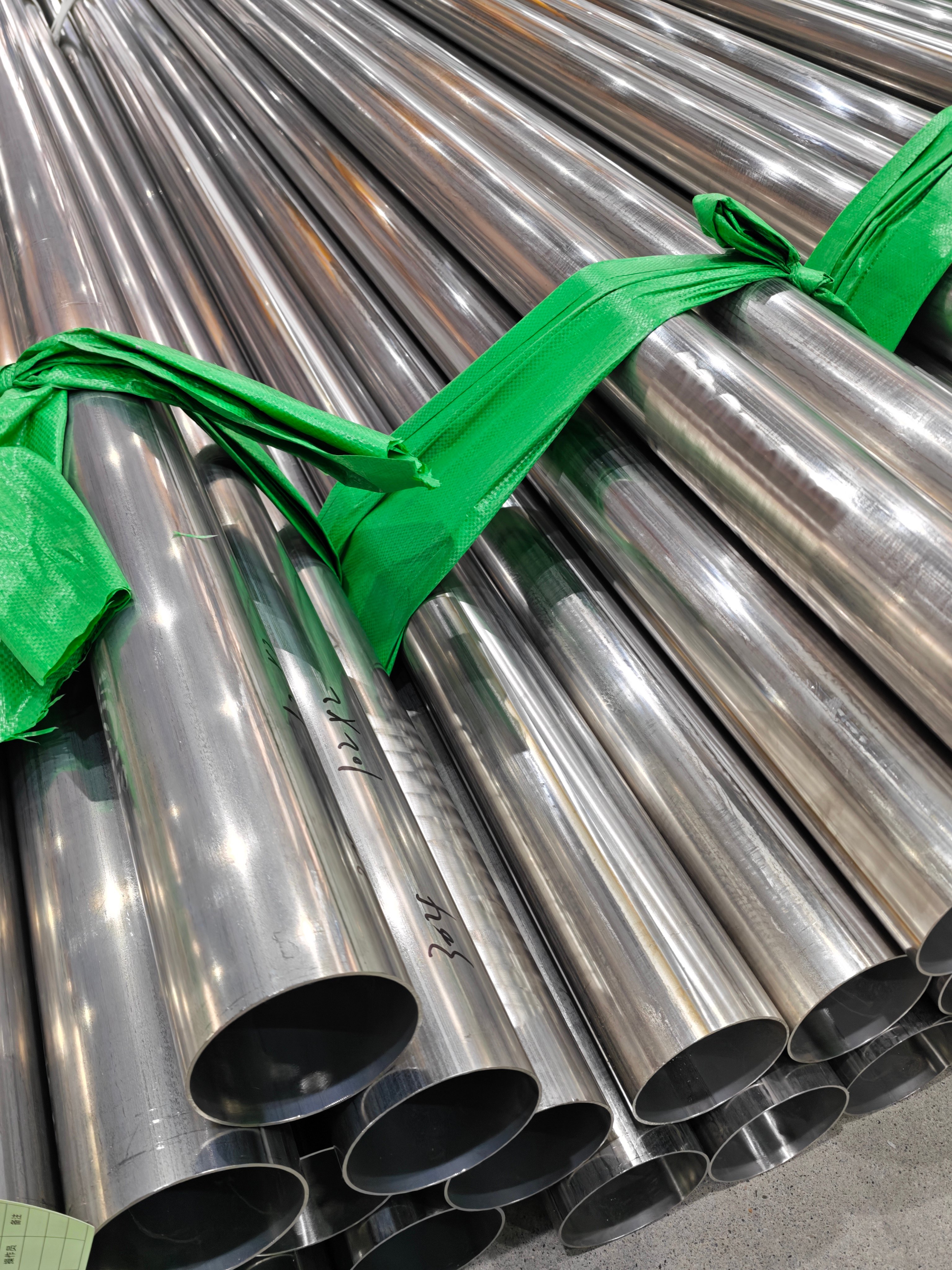
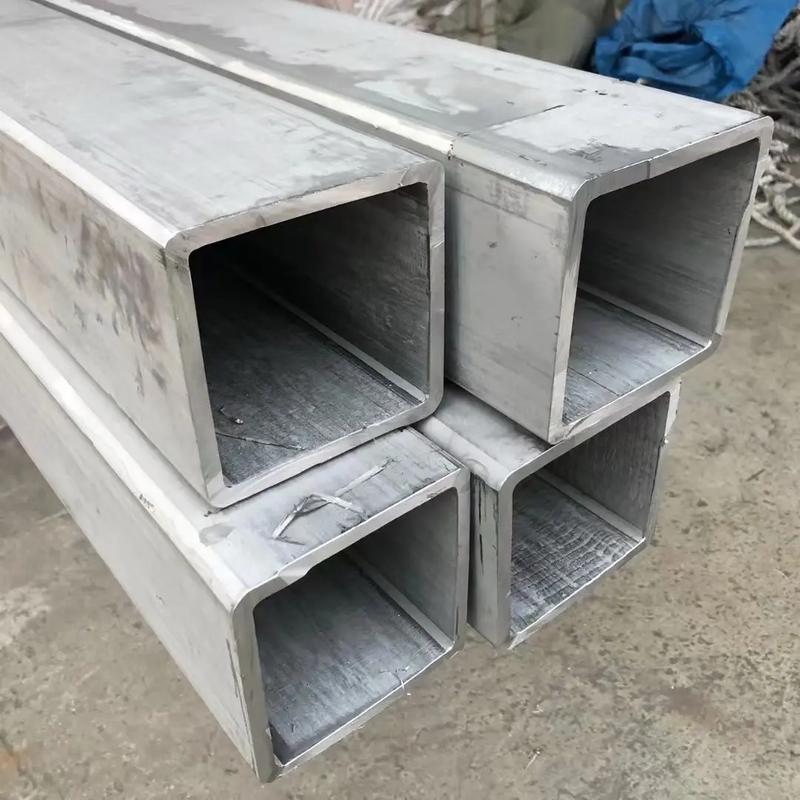
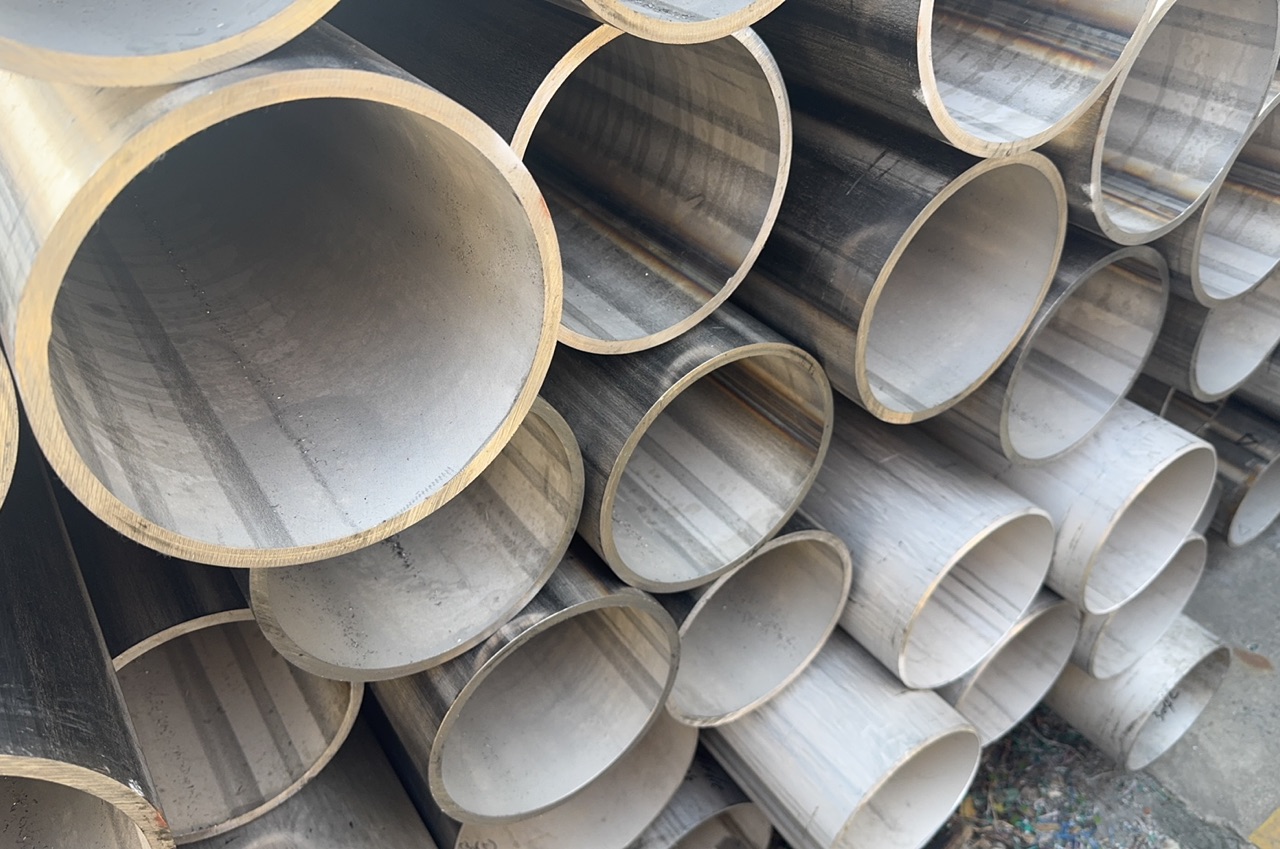
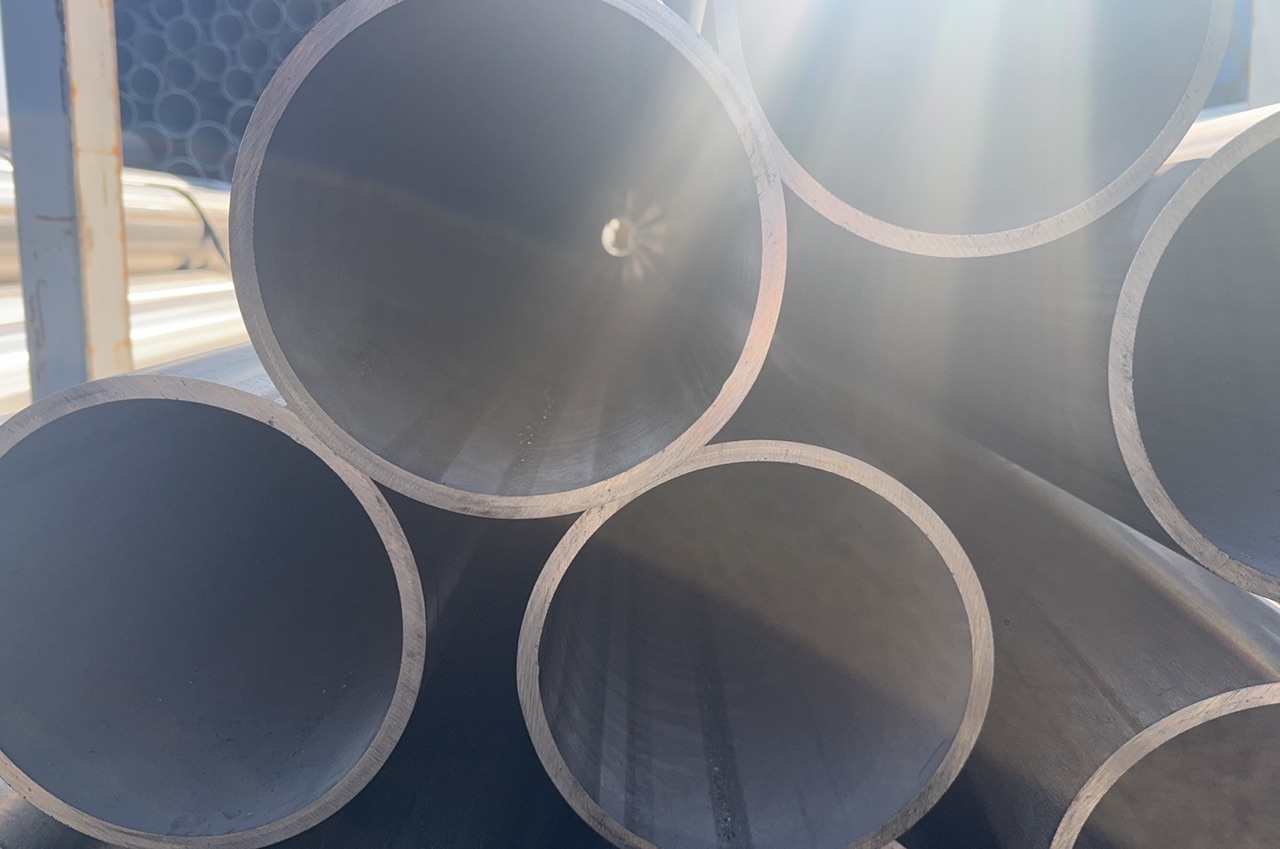
Seam and seamless pipe represents two distinct manufacturing approaches that serve critical roles in industrial applications worldwide. A seam and seamless pipe differs fundamentally in construction methods, each offering unique advantages for specific operational requirements. Seamless pipe is produced by piercing a solid steel billet and rolling it into a tubular form, creating a uniform structure without joints or welded seams. This manufacturing process eliminates weak points that can compromise structural integrity. Conversely, seam pipe is created by rolling steel plate and welding the edges together, making it a cost-effective alternative for many applications. The choice between seam and seamless pipe depends on pressure ratings, temperature conditions, and budget constraints. Both seam and seamless pipe types undergo rigorous quality testing to ensure they meet international standards and specifications. Seam and seamless pipe applications range from oil and gas transportation to construction, plumbing, and automotive sectors. The technological features of seam and seamless pipe include enhanced durability, corrosion resistance options, and precise dimensional accuracy. Understanding the differences between seam and seamless pipe enables engineers and buyers to make informed decisions based on project requirements. Modern manufacturing techniques have improved both seam and seamless pipe quality, offering reliable solutions for demanding industrial environments where performance and longevity matter significantly.
 EN
EN