seam pipe
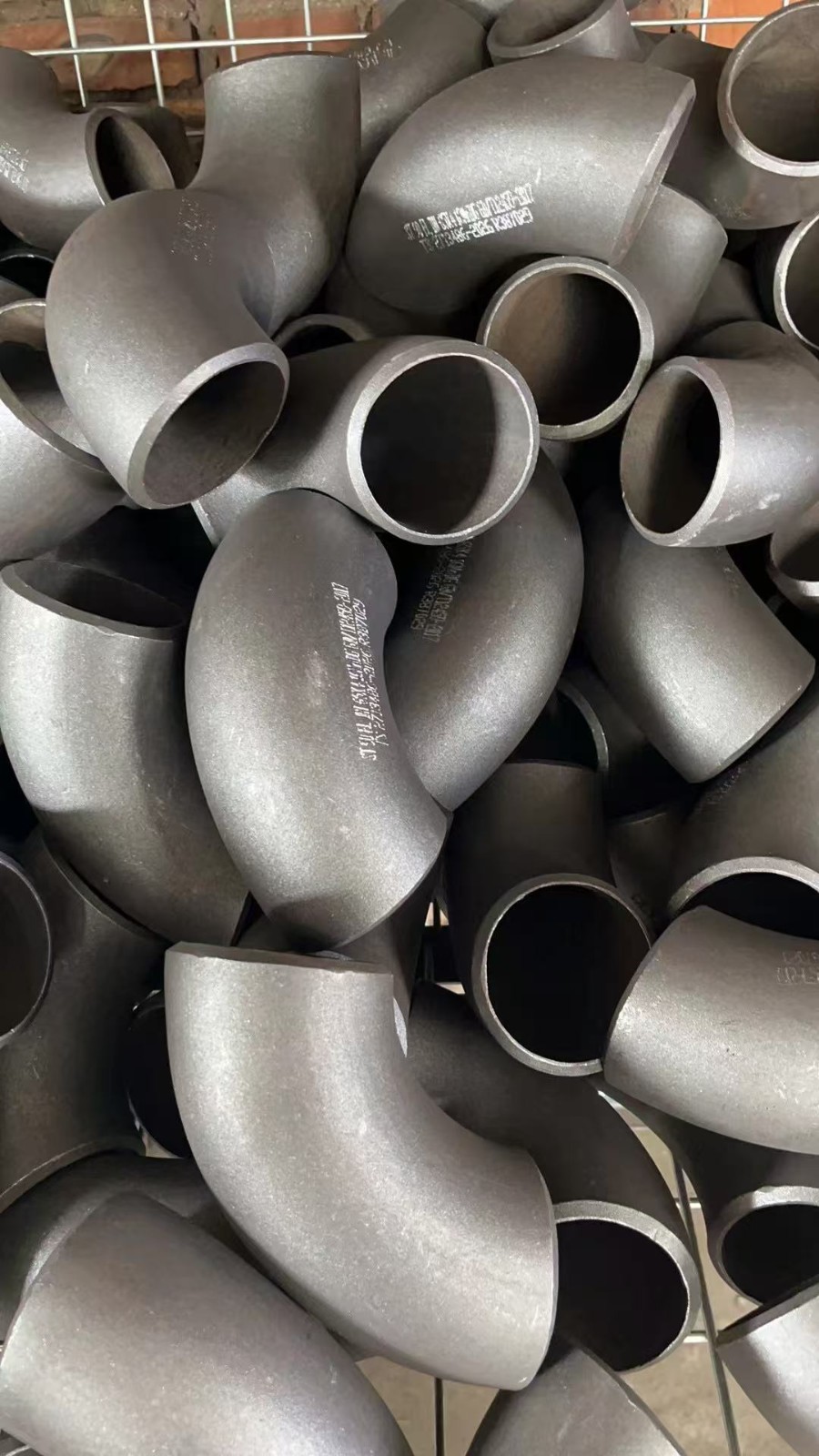
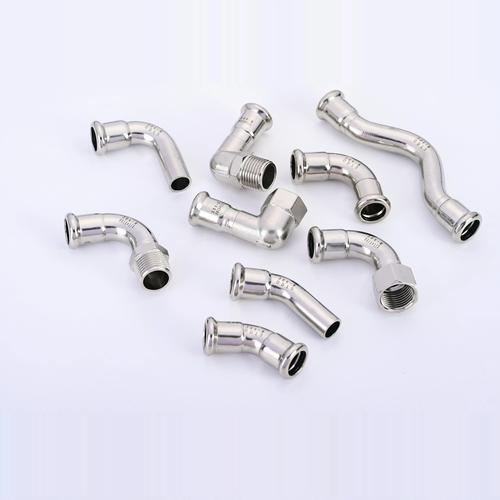
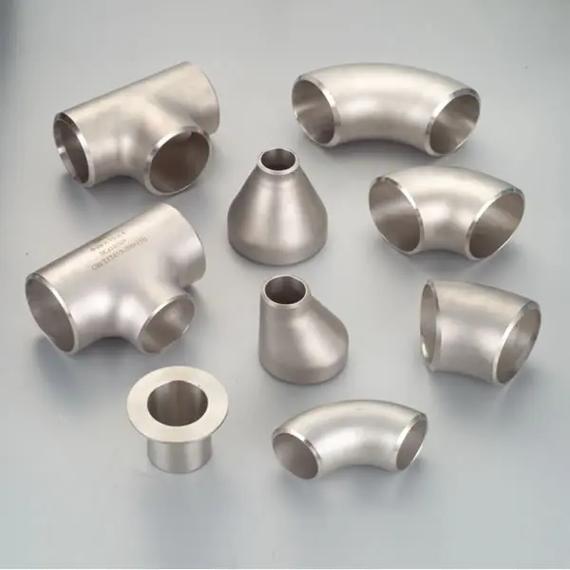
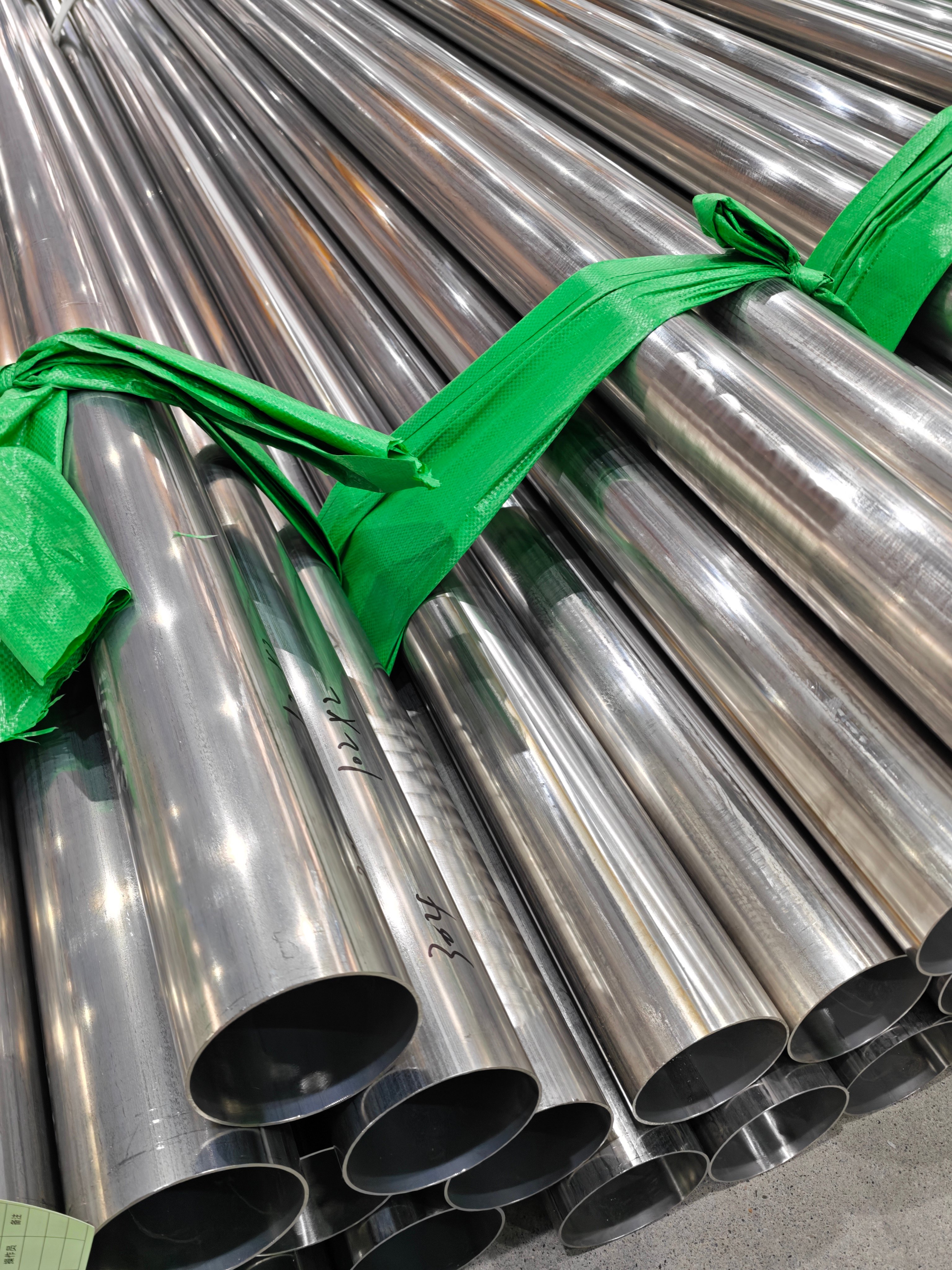
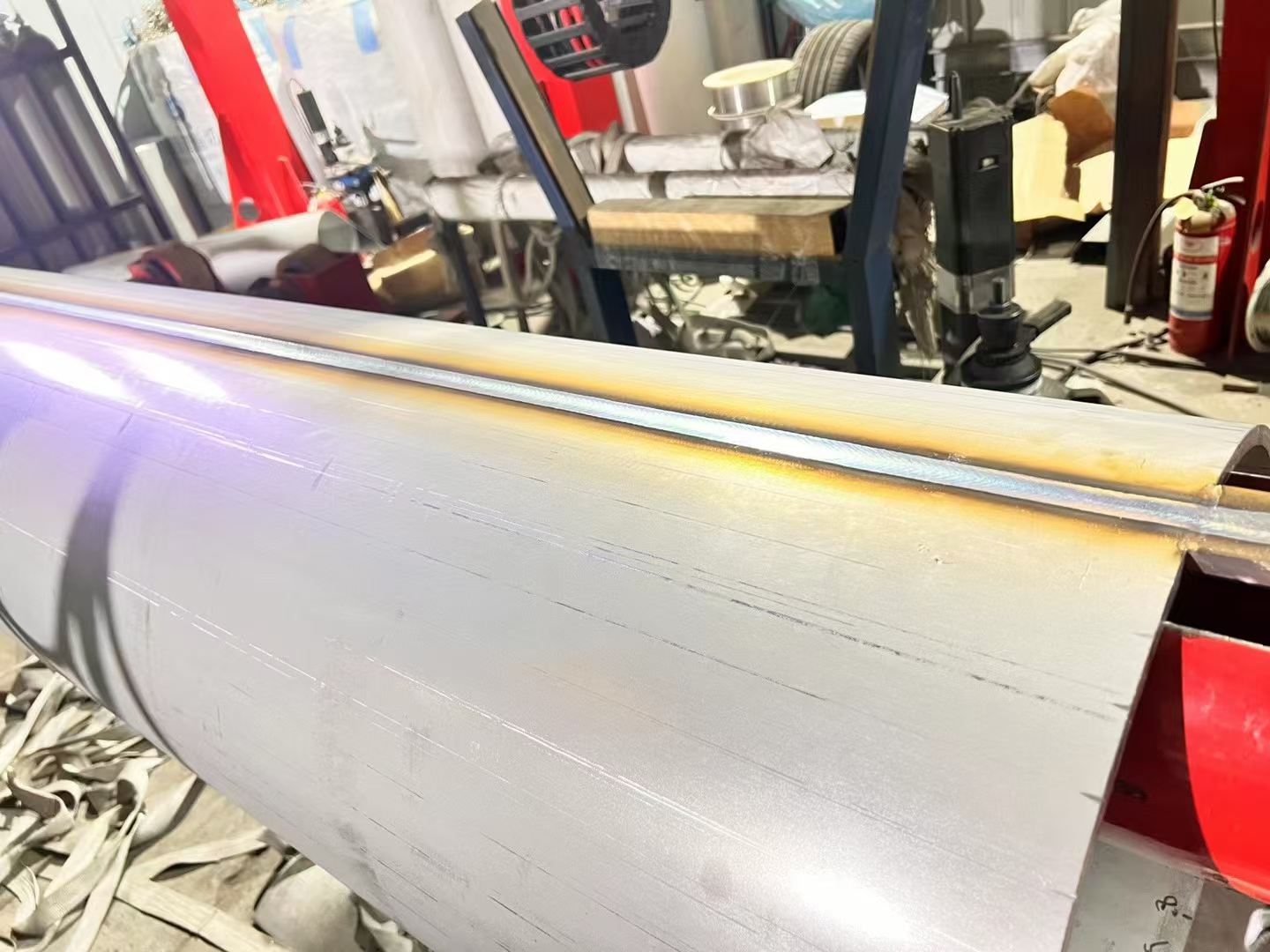
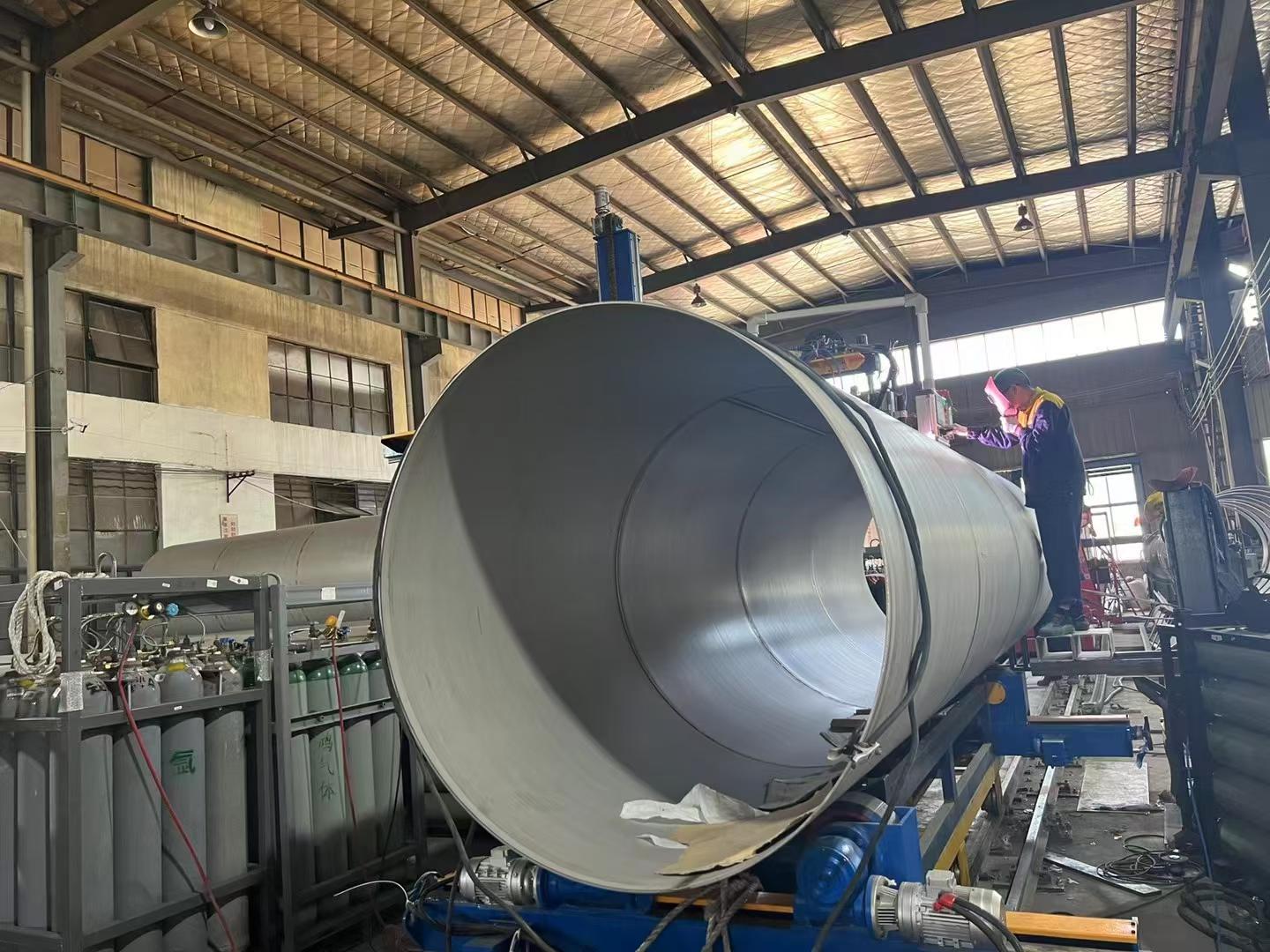
A seam pipe represents a crucial component in industrial piping systems, designed to connect sections of pipe with precision and reliability. The seam pipe functions as a connector that joins two pipe segments seamlessly, ensuring structural integrity and preventing leaks in fluid or gas transportation applications. This specialized piping solution incorporates advanced welding or crimping technology to create strong, durable connections that withstand high pressure and temperature variations.
The seam pipe features reinforced joint construction that maintains consistent diameter and flow capacity throughout the connection point. Technological advancements in seam pipe manufacturing ensure minimal turbulence during fluid transfer and enhanced overall system efficiency. The precision engineering of a seam pipe allows it to accommodate various pipe materials, including steel, aluminum, and composite materials, making it adaptable across diverse industrial sectors.
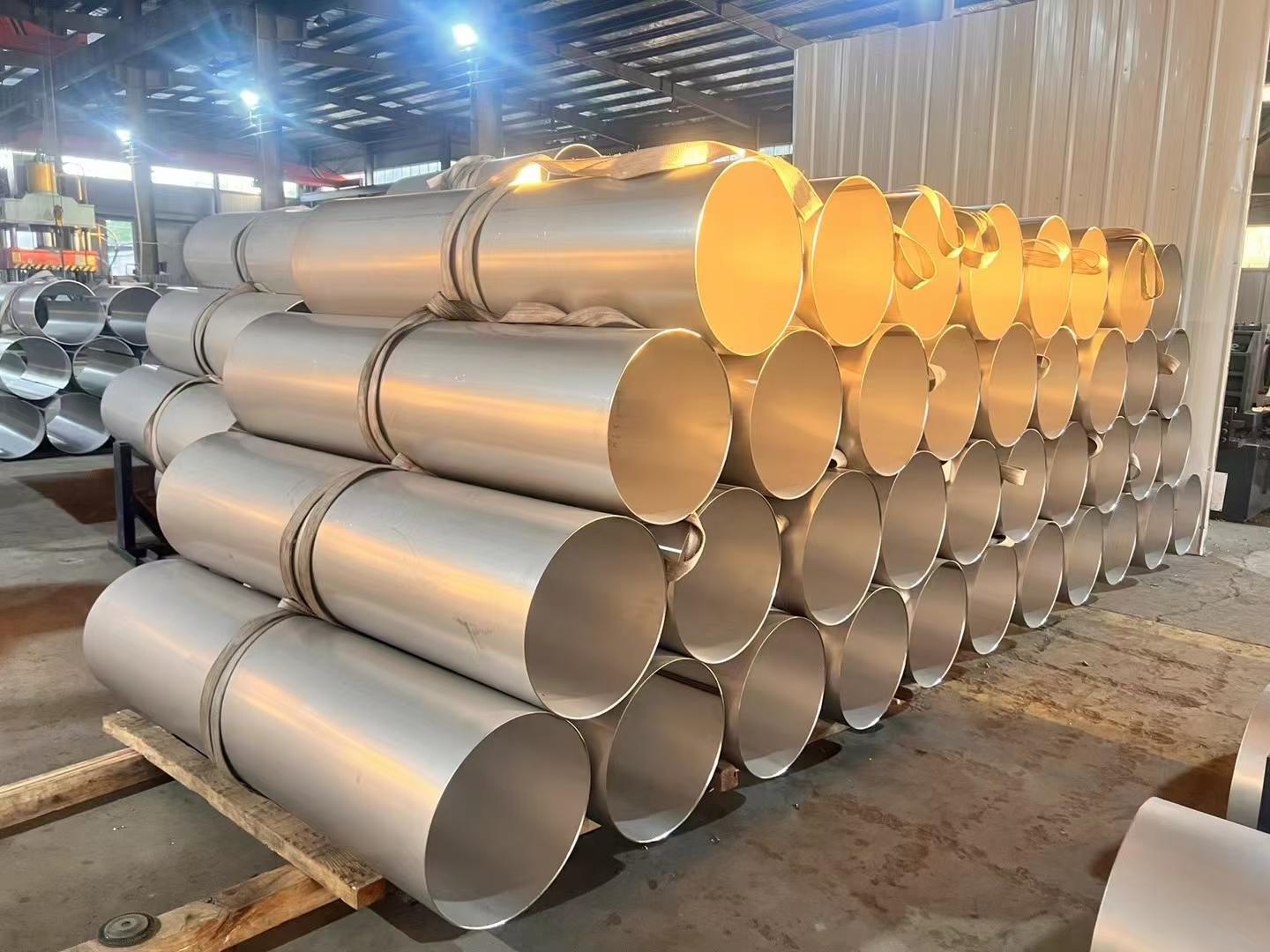
Applications for seam pipe extend across oil and gas exploration, water distribution networks, HVAC systems, and chemical processing facilities. Industrial manufacturers rely on seam pipe connections to maintain system performance in demanding environments where reliability cannot be compromised. The seam pipe serves as an essential solution for engineers seeking dependable piping infrastructure that delivers consistent results across residential, commercial, and industrial installations.
Modern seam pipe designs incorporate corrosion-resistant coatings and enhanced material compositions that extend service life and reduce maintenance requirements. Understanding seam pipe specifications, pressure ratings, and compatibility requirements ensures optimal system performance and longevity in any application context.
 EN
EN